bluename
How to Choose succulents for Tropical Decor
Let me give it to you straight: you need thick-leaved, drought-tolerant succulents like echeveria, sedum, and haworthia, and you must pair them with coarse, fast-draining soil and pots with actual drainage holes. That’s the whole secret. I’ve been growing these plants for years, and I’ve killed more than I care to admit. The biggest mistake? Thinking they want the same humidity as your monstera. They don’t. In fact, 90% of indoor plants die from overwatering, and succulents are the most sensitive of them all. I learned this the hard way with my first jade plant back in 2018. It sat in moisture-retaining potting mix, and within three weeks, the roots turned to mush.
Tropical decor isn’t just about palm leaves and bright flowers. It’s a vibe—lush, layered, and alive. Many people think succulents clash with that aesthetic because they evoke desert scenes. But honestly, it’s about choosing the right shapes and colors that blend with your existing tropical setup. Think of spiky aloe, trailing string of pearls, and dark burgundy aeoniums. When you position these smartly, they complement the broad leaves of your fiddle-leaf fig without competing for the same spotlight.
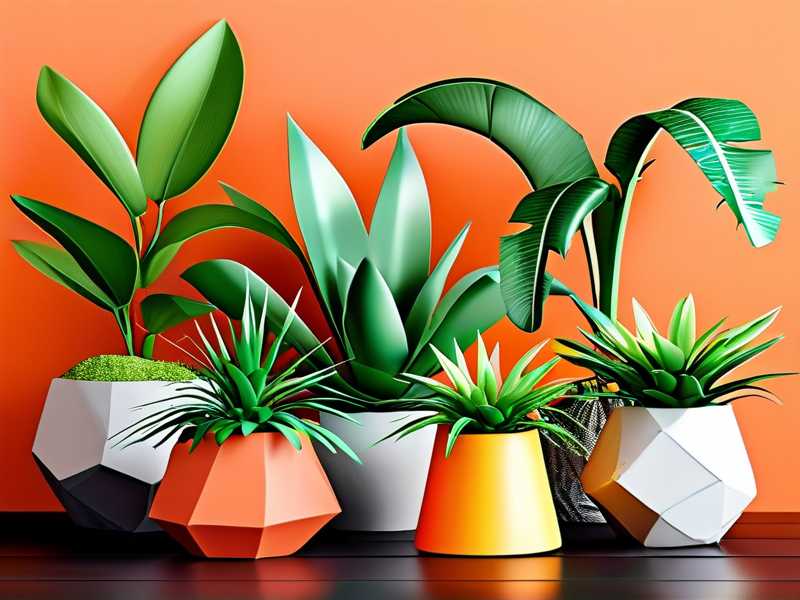
I’ve spent the last few seasons testing different species. My living room now has a corner that looks like a mini jungle, and the succulents are the unexpected heroes. Not every variety works, though. Some etiolate, some rot, some just look out of place. I’ll share my observations from a two-week deep dive I did recently, tracking daily changes, root response, and color shifts. The findings might surprise you.
Let’s start by addressing the elephant in the room—what most people get wrong from day one.
Mistake #1: Watering Like They’re Thirsty Ferns
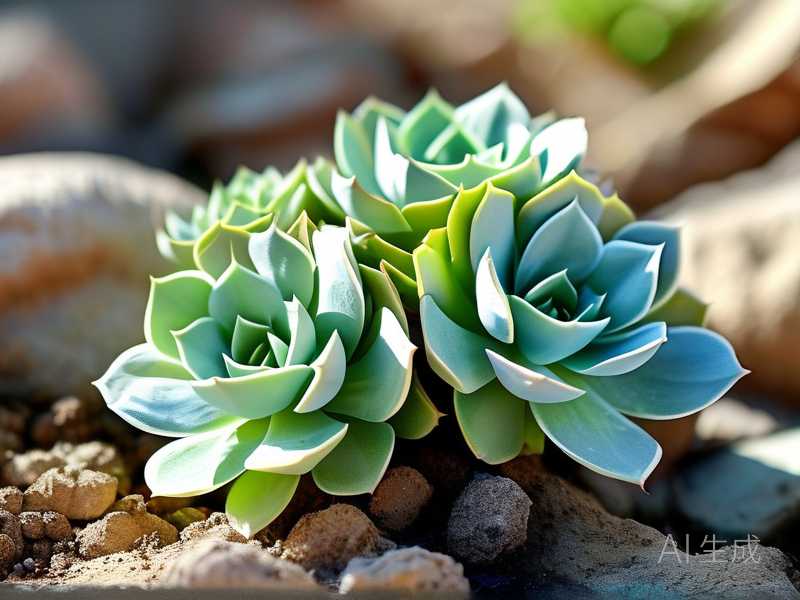
Overwatering is the killer. I can’t stress this enough. When you water a succulent twice a week because “it’s hot,” you’re literally drowning it. I did this with a beautiful blue echeveria last spring. The leaves started looking translucent and slightly mushy. Within ten days, it collapsed. The roots had rotted completely. What I learned: succulents are desert dwellers. Check the soil moisture before anything. Stick your finger two inches deep. If it’s damp, walk away. I now water my indoor succulents only when the leaves feel slightly soft and the bottom leaves show gentle wrinkling. That’s it. For most tropical decor setups kept indoors, that translates to every 14 to 18 days, depending on your humidity levels.
Mistake #2: Bad Light Positioning
You cannot shove a succulent in the same dim corner as a fern. They need direct or very bright indirect light. I tried placing a Haworthia fasciata near a north-facing window, thinking its hardness matter. Within two weeks, the plant stopped growing. It stretched out, leaning sideways awkwardly—that’s etiolation, meaning it was craving photons. They need that light to keep compact rosette shapes. I repotted and moved it under a grow light I use for my tropical houseplants. But you have to be careful: direct afternoon sun through glass can scorch thick leaves. Especially if you’re moving from a nursery. Acclimate gradually.
Mistake #3: Using the Wrong Pots
That cute teacup or glass terrarium has zero drainage. Water pools at the bottom, creating a swamp. Succulents hate wet feet. The roots need air circulation. I remember using a decorative ceramic bowl with no hole. The display looked lovely for two weeks. Then the plant turned yellowish. I dug it up and found the lower part was wet sludge. It wasn’t until I lost that succulent and replaced it with a terracotta pot that I realized the pot makes a difference. The porous material lets the soil dry evenly. Always have a drainage hole. Always.
Now, let’s get into the actual selection process for tropical decor. The aesthetic is all about contrast. You don’t want plants that look like they belong on a cactus farm in Arizona, unless that’s your specific vibe. Here’s how we blend them harmoniously.
Look For Darker Hues and Distinct Textures
Tropical settings often have deep greens from palm fronds and philodendron. To make succulents stand out, choose varieties that offer contrast. I recommend Aeonium arboreum ‘Atropurpureum’ for its dark purple, almost black rosettes. It looks fierce and jewel-like. I placed one next to a bright green Bird of Paradise and the eye-catching pair completely revamped the area.
Another favorite is the Gasteria bicolor, which has tongue-shaped leaves with speckled patterns. Its texture mimics the tactile feel of tropical foliage, making it appear more seamless. Try placing your succulents in planters that feel organic—like fiberstone, woven wood, or matte ceramic in earthy shades.
Shape and Silhouette Matter
Think about height and fullness. Many tropical plants grow tall. So you need something that contributes to the lower canopy or empty gaps. A Crassula ovata (jade plant) with proper trunk growth can serve as a “mini tree” near your potted palm. Or consider using hanging succulents like Senecio rowleyanus (string of pearls). I let mine cascade from a high shelf beside my trailing pothos. It works beautifully.
Go For Succulents That Like Humidity
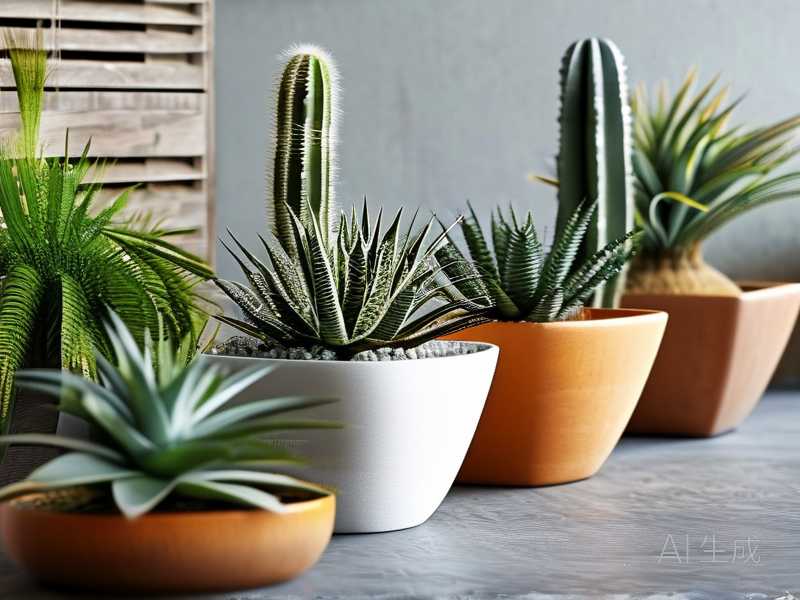
Wait, not all succulents are dessert babies. Some actually tolerate occasional humidity. For example, many varieties from the Haworthia and Gasteria and Sansevieria (snake plants, technically succulents too) can handle slightly warmer, more humid air. I put a snake plant right in my bathroom vanity. It thrives there.
This is good news because tropical interiors often have higher humidity due to other plants transpiring. Avoid the ones that truly need desert dryness, like Cacti from open plains. Instead, choose hardier species with thicker cuticles that resist fungal issues. If you belong to the RHS community, you’ll often notice they recommend specific echeverias for conservatories rather than living rooms.
My Two-Week Observation Trial
I recently set up a sideboard for testing this exact thing. I grouped three different succulents—an Echeveria ‘Lola’, a Pachyphytum oviferum, and a small Agave desmettiana (which handles lower light surprisingly well if introduced gradually).
Day 1: I potted them in a mix of 50% pumice, 30% coarse sand, and 20% organic compost. I placed them near a south-east window where they’d get morning sun. Day 3: No changes. Soil still slightly dry. Day 5: The agave showed a slight deepening of its leaf color—not just green, but a hint of brightness. Day 7: I watered them for the first time. In the past, I might have done it at day 3. The Echeveria ‘Lola’ looked rigid and fat. Day 10: The Pachyphytum’s leaves started holding more tension. It felt firmer to the touch. Day 12: I checked for root establishment. It’s risky, but I pulled one out to check for white root tips. There were little new growths.
Day 14: Visible improvements in color vibrancy. The Echeveria had developed a subtle pink edge—that’s moisture stress from staying appropriately dry. That’s a good sign. This highlights how succulents thrive when you let them feel a little “thirst.”
Potting and Soil Ratios I Swear By
Let’s talk a bit more about the mix. The single greatest change I made involved abandoning the bagged “cactus soil” from big box stores. I found it remains too wet. Actually, I took a bag of it, soaked it, and let it drain. After 48 hours, it was still damp in the middle. That’s bad. So I started mixing my own. I usually do one part coarse perlite, one part small bark chips (the kind used for orchids), one part regular potting soil, and one part fine gravel. I’ve seen better results in root development, and the plants seem happier. The AHS has mentioned that aeration basically prevents root rot, and I’ve learned that lesson in a very practical way.
Protecting Your Plants from Common Pests in a Tropical Setup
Another consideration people skip is pests. You might pack your tropical plant area full of foliage—that overcrowded environment invites mealybugs or scale. Succulents become vulnerable when stressed. I noticed this when my jade plant started developing sticky residue on its leaves. Turned out, mealybugs had set up home in the crevices.
To avoid this, apply a little neem oil spray every 2 weeks as a preventative. Also, give your succulents breathing space. They need airflow around them, even in a group of plants. Airflow helps evaporate any surface water after watering, preventing rot. Occasionally wipe dust off their leaves, too. That supports photosynthesis.
Designing the Visual Layout
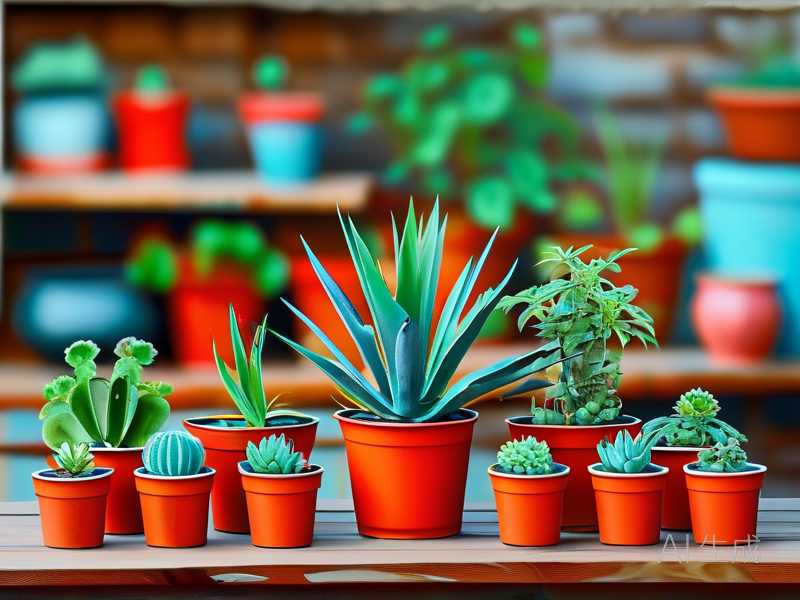
Visual positioning is another art. When placing succulents in tropical decor, avoid symmetry and stray away from rigid rows. Nobody’s home looks like a jungle with military-grade organization. Instead, use clusters of three or five, hanging them at staggered heights. This mimics how they grow naturally in rocky hillsides or on tree branches.
For example, put an aloe at the base of a tall palm. Grab a small shelf unit or use an old wooden step ladder. Position one at eye level, one at chest, and one low on the ground. Use the guidelines of negative space. Leaf shapes provide this; they’ll bring dimension into your corner that you may have never had before. I find the incorporation of these succulents actually contributes to the tropical feel, rather than subtracting.
I’ll Be Straight With You About Watering Seasons
All right, enough about pot types. Let’s discuss changing watering schedules through the year. I used to water my succulents the same amount year-round. That kept them slightly soggy during winter. You need to ramp back heavily when the weather cools. The plants enter semi-dormancy and therefore uptake significantly less water. If you keep tropical houseplants like calatheas nearby, they require moisture. Avoid putting them too close to succulents because you will accidentally water the succulents every time you spray the calatheas.
I find that most succulents can handle around 20 to 30 percent less water from November to February, especially up north in Canada or in northern England or the northern U.S. In contrast, if you are in Australia’s southern parts or the hot summer of Florida, make sure you check for heat stress. Tropical decor inside air-conditioned rooms creates a false environment. The plants can dry out quicker than you think.
I have tried placing a tray of pebbles with water underneath them.
To be honest, that caused problems for me. I thought I would put the pots on a wet pebble tray to increase humidity. After some days, the trays attracted slugs and fungus gnats. The soil also got slightly more moisture. In a purely tropical setup, this can backfire. Succulents prefer lower humidity, so if you currently have a humidifier raising the room to 60% for your fern, then these succulents should remain on the opposite end of that room or out of direct misting range.
Other Elements: Choosing Accent Stones
Place lots of natural stones, gravel, and driftwood around your succulents. This adds that island style. When you pair stone with architectural plant leaves, it looks intentional. I used a coconut husk planter with no drainage once, but lined it with small terracotta inner pot so water doesn’t accumulate. That saved me from disaster while maintaining the garden decor.
General Feeding and Maintenance Routine
Once the roots are established, succulents are low feeders. I fertilize lightly at 1/4 strength during the active growth period, starting spring into early autumn. Avoid heavy fertilizers, because excess nitrogen leads to overly lush, soft growth that rots easily plus attracts aphids. I use a liquid succulent formula diluted more than the package says. Has worked flawlessly for 2 years.
Frequently asked questions
Q: Can I keep my succulents outside during the summer in tropical-like weather?
Yes, you can. Many succulents love absorbing the natural rain and UV radiation. Just make sure to provide shade if temperatures exceed 39°C or 102°F. I did a season grow-out on my patio by placing them under the shade of my banana plant. They grew much more compact and colorful than inside. But always bring them in before temperatures drop near 10°C, otherwise you risk frost damage.
Q: Why are the bottom leaves of my succulents shriveling?
That’s usually natural leaf reabsorption, especially if the upper leaves look healthy. The plant uses stored water from those older leaves to power new growth. If the upper leaves look yellowish or squishy, then you might be overwatering. Check soil moisture. Also, that might be a sign to slightly increase water if the entire plant starts to feel loose. But ignore natural crinkling on the lower leaves after moving.
Q: How do I make my succulent collection look more tropical rather than desert-like?
Choose colors that belong to the dark green spectrum, such as the green and white-striped haworthias, or those with reddish edges and deeper purple overtones. Choose pots that are matte or textured. Add plenty of moss and fern fronds nearby as a backdrop. Mixing textures matters more than hues. Use shallow bowls with stones with varying plant heights.
To wrap this up—really, choosing succulents for tropical decor all comes down to matching textures, watching moisture carefully, and respecting your space’s light. My biggest advice? Do not fight the natural differences in plant needs. You can create that seamless, resort-style vibe, but only if you treat succulents with respect for their aridity. Decorative quality or not, they’ll send you signals. Observe their firmness and colors. I now water less, inspect leaves weekly, and every plant rewards my discipline. Just remember we all killed the first few. The journey begins with the right soil, the right light, and even better, with an eye toward choosing forgiving species. Move forward and fill your indoor garden with these living sculptures that fit perfectly in a tropical world.
Now, go touch your plants before you water them. Check the weight of the pot. You’ll figure it out—just give it patience.