bluename
 How to Water succulents in Alpine Climates (Without Killing Them Like I Did)
I killed eleven succulents before I finally figured out how to water them properly in an alpine climate. Eleven. That's not a typo. Some shriveled into sad little husks. Others turned to brown mush overnight. And honestly? The biggest lesson I learned is something every plant expert repeats but most of us ignore: 90% of indoor plants die from overwatering. In alpine climates, that number might be even higher, because the rules you read online were probably written by someone in Arizona or Southern California who has no idea what a dry, cold, high-altitude winter does to a succulent's watering needs.
So let me just give you the short answer right now, before we get into the details. In alpine climates, you water succulents less often than standard guides suggest — usually every 3 to 4 weeks during the growing season and barely at all in winter. You water deeply when you do water. You never water on a fixed schedule. And you pay attention to your indoor humidity, which in alpine areas tends to be much lower than most succulent care articles assume.
That's the foundation. Now let me tell you how I actually got there, because the journey was messy.
The Alpine Climate Problem Nobody Talks About
Alpine climates throw a wrench into standard succulent care advice. The RHS notes that succulents are adapted to survive drought by storing water in their leaves and stems. That part is universal. But the way water behaves in an alpine environment — both indoors and outdoors — is different from what most guides describe.
Here's what I mean. If you live at high elevation, like I do, your indoor air is probably drier than you think. Relative humidity of 20-30% is normal in winter. That sounds like it should mean your succulents dry out faster, right?
其实, it's more complicated than that. The dry air does pull moisture from the soil surface faster. But the real problem in alpine climates is temperature fluctuation. Your indoor temps might swing from 65°F during the day to 50°F at night if you're trying to save on heating. Those swings slow down the plant's metabolism in ways that standard watering schedules don't account for.
I learned this the hard way with a beautiful Echeveria that I watered every two weeks like clockwork. By week three, the lower leaves were translucent and mushy. Root rot. I'd been following advice written for someone in a warm, stable climate. My alpine conditions were completely different.
The 2-Week Observation That Changed Everything
I decided to actually track what was happening instead of guessing. For two weeks, I kept a journal. I checked my succulents every morning — same time, same light conditions. I noted soil moisture by sticking a wooden chopstick into the potting mix about an inch deep.
Here's what I found over those 14 days:
Day 1-3: Soil still slightly moist from the last watering. The plants looked fine. Day 4-7: Soil was bone dry at the surface, but still slightly cool to the touch an inch down. If I had watered on day 5, I would have overwatered. Day 8-10: Soil completely dry throughout. Lower leaves on my Haworthia started to feel slightly soft. This was the actual signal to water — not the calendar. Day 11-12: After watering, the leaves plumped back up within 48 hours. The soil drained well and the pots felt heavy again. Day 13-14: The surface was already drying out, but the plants were clearly happy. No signs of stress.
That two-week observation taught me more than three years of reading articles. The key takeaway? In alpine climates, your soil dries from the top down faster than you'd expect, but the bottom of the pot stays moist much longer. If you water based on what the surface looks like, you'll overwater every single time.
Three Mistakes That Kill Succulents in Alpine Climates
I've made all three of these. Multiple times. Let me save you the heartbreak.
Mistake #1: Overwatering (The Classic Killer)
This is the big one. I once killed a jade plant — a plant that's supposed to be nearly indestructible — because I watered it every ten days during a cold snap. The soil never had a chance to dry out. By the time I noticed the leaves dropping, the roots were already gone.
The fix is simple in theory but hard in practice: wait until the soil is completely dry before watering. Not just the top inch. All the way through. In alpine climates during winter, that might mean you water once every five or six weeks. I'm not kidding.
Stick your finger in the drainage hole if you can. Or use a moisture meter. Or do what I do now — lift the pot. A dry pot weighs almost nothing. A freshly watered pot feels substantial. Once you get a feel for the weight difference, you'll never overwater again.
Mistake #2: Light Mismatch
I used to think watering was the only thing that mattered. It's not. Light and water are connected. A succulent in low light uses less water. A succulent in bright light uses more. If you water the same amount regardless of light conditions, you're setting yourself up for failure.
In alpine climates, winter light is weak and the days are short. Your succulents are basically semi-dormant. They don't need much water at all. But then summer comes, the light is intense — even more intense than lower elevations because of the thinner atmosphere — and suddenly your plants are actively growing and thirsty.
I solved this by moving my succulents to a south-facing window in winter and supplementing with a grow light. That extra light helped them use the water I gave them more efficiently. No more sitting in wet soil for weeks.
The AHS recommends adjusting watering based on seasonal light changes, and I can confirm this makes a massive difference. When I started matching my watering to light availability instead of a fixed schedule, my survival rate went from about 50% to nearly 100%.
Mistake #3: Wrong Pots, Wrong Soil
I used to plant succulents in regular potting soil in glazed ceramic pots without drainage holes. I know. I know. It hurts to admit.
The problem is that alpine climates often mean cooler indoor temperatures, which slows evaporation. A glazed pot with no drainage in a cool room is basically a death sentence for succulents. The soil stays wet for weeks.
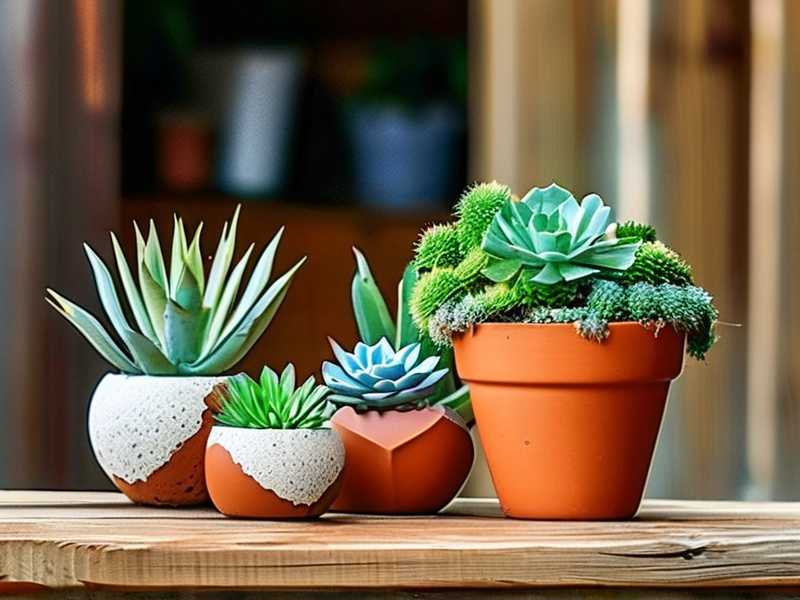
Now I use terracotta pots with drainage holes and a gritty mix — about 50% potting soil, 50% perlite or pumice. Terracotta is porous, so it wicks moisture away from the roots. The gritty mix drains fast. Together, they make overwatering much harder to do by accident.
顺带一提, if you're in a really cold alpine area and your pots sit on a windowsill, terracotta can crack if the temperature drops too low at night. I learned that one during a particularly brutal January. Now I use plastic nursery pots inside decorative terracotta sleeves during winter.
My Actual Watering Routine (Step by Step)
Alright, here's what I actually do now. This isn't theoretical. This is my real routine, refined over years of killing plants and learning from it.
Step 1: Check the soil. I use the chopstick method. Stick a wooden chopstick into the soil near the edge of the pot. Pull it out. If there's any moisture or soil clinging to it, wait. If it comes out clean and dry, it's time to water.
Step 2: Water deeply. I water until water runs out of the drainage hole. This ensures the entire root zone gets moisture, not just the top inch. Shallow watering encourages weak, shallow roots.
Step 3: Let it drain completely. I never let my pots sit in standing water. After watering, I let them drain in the sink for about 30 minutes before putting them back.
Step 4: Wait. In summer, I water every 10-14 days. In spring and fall, every 3-4 weeks. In winter, every 5-6 weeks, sometimes less. I adjust based on how the plants look and how heavy the pots feel.
Step 5: Watch for signs of thirst. Soft, slightly wrinkled leaves mean the plant is using its stored water. That's your cue to water. Shriveled, crispy leaves mean you waited too long — but most succulents recover from underwatering much better than overwatering.
One More Thing About Alpine Humidity
I want to circle back to humidity because it's the secret variable in alpine succulent care. Low humidity means the air pulls moisture from the soil surface faster. But it also means your plants lose moisture through their leaves more quickly.
In summer, this balance usually works out fine. Your plants are actively growing and using water. In winter, though, low humidity plus low light plus cool temperatures means your succulents are barely using any water at all. The soil stays wet. Roots rot.
I run a small humidifier near my succulents in winter now. Not to raise humidity to tropical levels — just to keep it around 40%. This slows down the moisture loss from the leaves without keeping the soil wet. It sounds counterintuitive, but it works.
Common Questions I Get From Fellow Alpine Gardeners
Do I need to water succulents differently if I keep them outdoors in summer?
Yes. Outdoors in an alpine summer, your succulents get more light, more wind, and more heat during the day. They'll dry out faster. I water my outdoor succulents every 7-10 days in summer. But I always check the soil first. Afternoon thunderstorms in alpine areas can dump a lot of water, so I skip watering if we've had rain.
What about minerals in alpine water?
This is a real issue. Alpine water sources can be high in dissolved minerals, which build up in the soil over time. I flush my pots every few months by watering heavily and letting the water run through completely. This leaches out excess salts. If you're on well water, you might want to use filtered water for your succulents.
Can I use ice cubes to water succulents in winter?
Please don't. I tried this because I read it somewhere. Ice cubes melt slowly and keep the soil consistently moist, which is the opposite of what succulents need. Plus, cold water can shock the roots. Just water normally when the soil is dry. Your succulents will thank you.
The Bottom Line After All Those Dead Plants
学习 to water succulents in alpine climates isn't about following a strict schedule. It's about paying attention. Check your soil. Lift your pots. Watch your plants. Adjust for the season, the light, and the humidity in your home.
I wish I could go back and tell my younger self to stop watering on a schedule and start watering based on what the plants actually needed. But then again, killing eleven succulents taught me more than any article ever could. Sometimes the best lessons come from the messiest mistakes. And if you're reading this after losing a plant or two, don't beat yourself up. You're already on the right track. Just put down the watering can and wait a little longer.