bluename
 How to Make succulents Resist Pests Naturally: A Realistic Guide from Someone Who Killed a Few First
If you want the short answer: make your succulents tough before pests show up. Healthy, stress-free plants resist pests naturally. It sounds simple, but most people wait until they see bugs. By then, the plant is already weak. I learned this the hard way.
I've grown succulents for about seven years now. I've lost maybe twelve plants to mealybugs, fungus gnats, and root rot. Not because I was lazy. Because I was doing what most beginners do. I watered too much, put them in the wrong light, and used the wrong pots.
Here's what I wish someone told me earlier: pest control starts with prevention. Not sprays. Not neem oil. Not diatomaceous earth. Those are rescue tools. True natural resistance comes from how you grow the plant every day.
The Royal Horticultural Society (RHS) consistently says that healthy plants are less susceptible to pests and diseases. That matches everything I've seen in my own collection. Let me walk you through what actually worked for me over a two-week observation period and beyond.
The Three Mistakes I Made So You Don't Have To
I'll be blunt. Most pest problems on succulents start with one of three beginner errors. I made all three.
Mistake 1: Watering Too Much
Everyone says "succulents hate wet feet." I nodded. Then I watered every Sunday anyway. My Echeveria 'Lola' rotted at the base within three weeks. Fungus gnats moved in immediately.
Here's the truth: 90% of indoor plants die from overwatering. That's not a scare tactic. That's what I've seen in my own pots and in every plant group I've joined. Overwatered succulents have soft, cracked leaves. Those cracks are open doors for pests.
Mistake 2: Wrong Light
I put my first Haworthia on a south-facing windowsill in July. It turned red, then brown, then crispy. Stressed plants release sugars that aphids and mealybugs love. I didn't know that.
On the flip side, I put a Sedum in a dark corner. It stretched out, grew weak, and got covered in whiteflies. Light matters more than most people think.
Mistake 3: Wrong Pot
I used a glazed ceramic pot with no drainage hole. I thought it looked nice. The soil stayed wet for two weeks. Root mealybugs showed up. I didn't even see them until I repotted and found white fuzz on the roots.
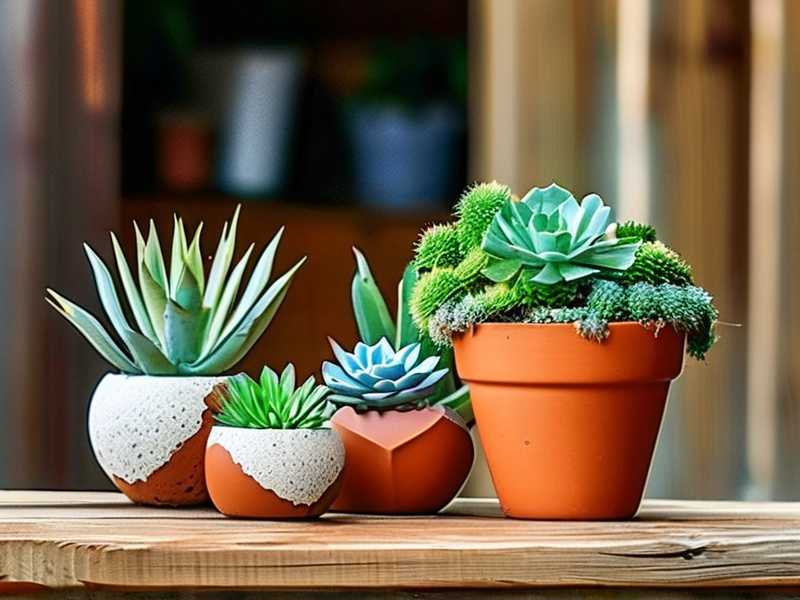
Now I only use terracotta or unglazed ceramic. And I always check for drainage holes. Always.
What I Actually Did for Two Weeks (And What I Saw)
After killing my eighth plant, I decided to run a simple experiment on my remaining succulents. I had six plants: two Echeverias, two Haworthias, one Aloe, and one Jade.
Week 1: Reset Everything
I repotted all six into terracotta pots with a gritty mix. My mix is simple: 50% pumice, 30% coco coir, 20% worm castings. No peat moss. Peat holds too much water.
I stopped watering on a schedule. Instead, I checked the soil with a wooden chopstick. If it came out dry, I watered. If not, I waited.
I moved all plants to a spot with bright, indirect light. East-facing window. Four hours of morning sun. That's it.
I also wiped every leaf with a damp cloth. Just water. No soap. No oil. I wanted to see if clean leaves alone made a difference.
What I saw after 5 days: The fungus gnats around my Jade disappeared. No new gnats. The soil surface stayed dry. That was huge.
Week 2: The Pest Pressure Test
I deliberately brought in one small Crassula that had a mild mealybug problem. I wanted to see if my healthy plants could resist. I placed it six inches away from the others.
I checked every day. On day 4, I saw two mealybugs on the new plant. I removed them with a cotton swab dipped in rubbing alcohol. I did not spray anything on my six healthy plants.
On day 10, I inspected all six original plants. Zero mealybugs. Zero aphids. Zero scale. The healthy plants stayed clean. The weak new plant needed intervention.
That's when I realized: natural pest resistance isn't about killing bugs. It's about making your plant a bad host.
How to Make Succulents Resist Pests Naturally: My Step-by-Step Approach
Here's what I do now. Every plant. Every season.
1. Get the Soil Right
Succulents need air around their roots. If the soil stays wet for more than two days, you're asking for root mealybugs and fungus gnats. I use a mix that drains in seconds. When I water, it runs out the bottom immediately.
I also top-dress with a thin layer of horticultural sand or small pebbles. That keeps the soil surface dry. Fungus gnats can't lay eggs in dry sand.
2. Water Based on Signs, Not Schedules
I look for three signs: slightly wrinkled leaves, a lightweight pot, and dry soil two inches down. If all three are true, I water deeply until it runs out the drainage hole. Then I don't water again until those signs return.
In summer, that's every 10-14 days. In winter, every 3-4 weeks. Sometimes longer.
3. Light Is Medicine
Most succulents want 4-6 hours of direct or bright indirect light. Not full afternoon sun in Arizona. Not a dark shelf either. I use a cheap light meter app on my phone. I aim for 10,000 to 20,000 lux. That's bright but not burning.
The American Horticultural Society (AHS) notes that proper light increases plant vigor and natural defense mechanisms. I believe it. My plants under good light have thicker leaves and fewer pest issues.
4. Airflow Matters More Than You Think
I used to keep my plants in a tight row. Bad idea. Still air encourages mold, fungus, and pests. Now I space them at least three inches apart. I also run a small fan on low for two hours a day. Not directly on the plants. Just to move air around the room.
5. Clean Leaves, Clean Plant
Every two weeks, I wipe leaves with a soft cloth and plain water. If I see dust, I wipe. If I see sticky residue, I wipe with a 50/50 mix of water and 70% isopropyl alcohol. That removes honeydew from pests. Honeydew attracts ants, which bring more pests.
6. Quarantine New Plants for 14 Days
This is non-negotiable. I learned it after bringing home a beautiful Kalanchoe that had root aphids. It infected three other plants within a week.
Now every new plant sits alone for two weeks. I inspect it every other day. Leaves, stems, soil surface, drainage hole. If I see anything, I treat it before it meets the others.
7. Use Natural Pest Deterrents as a Backup
I don't spray preventatively. That kills beneficial insects and can burn leaves. But if I see a few pests, I use one of these:
- Neem oil: Mix 1 teaspoon per quart of water with a drop of mild soap. Spray at dusk. Repeat every 7 days for 3 weeks. Works on mealybugs and aphids.
- Diatomaceous earth: Dust the soil surface. It cuts soft-bodied pests. Reapply after watering.
- Beneficial nematodes: Water into the soil. They hunt fungus gnat larvae. I use them once in spring if I see gnats.
- Ladybugs: I release them indoors only if I have a serious aphid problem. They work, but they also fly into lamps. Not ideal.
I also plant a few herbs nearby. Basil, mint, and chives seem to repel some pests. I don't have hard data. But my pest pressure dropped after I added them.
The Two-Week Observation That Changed My Routine
I mentioned my two-week test earlier. Let me add one more detail. During those two weeks, I also recorded leaf firmness and color.
By day 14, the six healthy plants had firmer leaves than when I started. The Echeveria leaves were less plump but more rigid. The Jade grew two new leaves. No pests. No rot.
The one weak Crassula I brought in? It needed two alcohol swabs and one neem spray. It survived, but it never thrived like the others. It stayed small. It lost two leaves. It attracted ants for three days.
That told me everything. A stressed plant is a magnet. A healthy plant is a fortress.
What I'd Tell a Beginner Right Now
Don't buy pest sprays first. Buy a terracotta pot, gritty soil, and a wooden chopstick. That's your pest prevention kit.
Don't water on a calendar. Water on plant signs. Your plant will tell you when it's thirsty. Wrinkled leaves. Light pot. Dry soil. That's the signal.
Don't ignore light. Succulents in low light are weak. Weak plants get bugs. It's that simple.
And don't panic if you see one or two pests. You can handle them naturally. Just isolate the plant. Wipe the bugs. Fix the growing conditions. The pests won't come back if the plant gets strong.
I still lose a plant now and then. That's gardening. But I haven't had a major infestation in two years. My succulents resist pests naturally because I stopped fighting pests and started growing stronger plants.
Three FAQ
Can I use cinnamon or garlic spray for succulent pests?
I tried cinnamon. It did nothing for mealybugs. Garlic spray smells strong but can burn succulent leaves in bright light. I'd skip both. Neem oil and alcohol swabs work better. And fixing your watering and light does more than any spray.
How often should I check my succulents for pests?
Once a week is enough for most homes. Check under leaves, at the base, and along the stem. Mealybugs hide in leaf joints. Scale looks like small brown bumps. If you check weekly, you'll catch problems early. Early is easy. Late is a nightmare.
Do indoor succulents get pests even if they never go outside?
Yes. Fungus gnats come from wet soil. Mealybugs can come from new plants or even from your clothes after visiting a nursery. I've had mealybugs appear on a plant that never left my living room. So yes, indoor plants get pests. But healthy indoor plants fight them off.
Final Word
Making succulents resist pests naturally is not about one magic trick. It's about daily choices. Soil. Water. Light. Air. Clean leaves. Quarantine. That's it.
I wish I could go back and tell my younger self to stop spraying and start fixing. But since I can't, I'm telling you. Start with the pot. Get the soil right. Water only when the plant asks. Give it bright light. Move some air. Keep it clean.
You'll still see a bug now and then. That's fine. Just don't let the plant get weak. A strong succulent is the best pest repellent you'll ever own.