bluename
 How to Choose succulents for Modern Decor
I used to think succulents were the easiest plants on earth. Buy a cute one, stick it on a shelf, forget about it. Two weeks later I'd be staring at a mushy, yellowing mess wondering what went wrong. If you're here because you want to know how to choose succulents for modern decor without killing them, here's the short answer: match the plant's light and water needs to your actual space, not to a Pinterest photo. Pick varieties that fit your room's light conditions first, then worry about the pot and the aesthetic. Everything else follows from that one decision. And please remember this number: 90% of indoor plants die from overwatering. I've contributed to that statistic more than once.
Let me walk you through what I've learned after killing roughly seven succulents and finally figuring out a system that works.
Start With Your Light, Not the Plant's Looks
This is the mistake almost everyone makes. You see a gorgeous purple Echeveria at the nursery and grab it. Then you bring it home to a north-facing apartment and watch it stretch into a sad, leggy stalk within a month.
I did exactly this with my first Echeveria. It was compact and rosy when I bought it. Four weeks later it looked like a small green palm tree leaning toward my window.
So flip the process. Before you shop, figure out what light you actually have.
- South-facing window: strong, direct sun for most of the day. Great for most succulents.
- East or west window: a few hours of gentle sun. Fine for Haworthia, Gasteria, and most Aloe.
- North window or dim corner: very limited light. Stick to snake plants, ZZ plants, or Haworthia. Honestly, most colorful succulents will struggle here.
The Royal Horticultural Society (RHS) notes that most succulents need bright light to maintain their shape and color, and that poor light is a leading cause of weak, stretched growth. The American Horticultural Society (AHS) makes a similar point in its growing guides. Light is not a bonus. It's the foundation.
The 3 Biggest Beginner Mistakes (I Made All of Them)
Let me save you some heartbreak.
Mistake 1: Overwatering
I know, everyone says this. But let me be specific about how I killed my second succulent.
I watered it every Sunday. Just a small splash. Seemed harmless. By week three the leaves felt soft and translucent. By week four the whole thing collapsed at the base. Root rot. Gone.
Here's what I learned: succulents store water in their leaves and stems. They don't need a weekly drink like your fern. In most homes, watering every 10 to 14 days is plenty. In winter, maybe once a month.
The soak-and-dry method changed everything for me. Water thoroughly until it runs out the drainage hole, then wait until the soil is completely dry before watering again. Stick your finger in the soil. If it's even slightly damp, wait.
Mistake 2: Wrong Light Placement
I once put a beautiful jade plant on a dark bookshelf because it looked nice there. It survived for about six weeks, then started dropping leaves. I moved it to a brighter spot and it slowly recovered, but it never looked the same.
The lesson: don't decorate with succulents in spots where they can't survive. Decorate around their needs.
Mistake 3: Using the Wrong Pot
This one took me way too long to figure out. My third succulent came in a cute ceramic pot with no drainage hole. I thought, "It'll be fine, I'll just water carefully."
Spoiler: I wasn't careful. Water pooled at the bottom, the roots sat in it, and the plant rotted from below. By the time I noticed, it was too late.
Now I only use pots with drainage holes. Always. No exceptions. If I love a pot without a hole, I use it as a cachepot and keep the plant in a smaller nursery pot inside it. Simple fix, saves lives.
Matching Succulents to Modern Decor Styles
Okay, now the fun part. Once you know your light situation and you've got the right pot, you can actually think about style.
Modern decor tends to lean minimalist, clean lines, neutral or bold colors. Here are some succulents that fit that vibe and are genuinely easy to keep alive.
For Minimalist, Clean Spaces
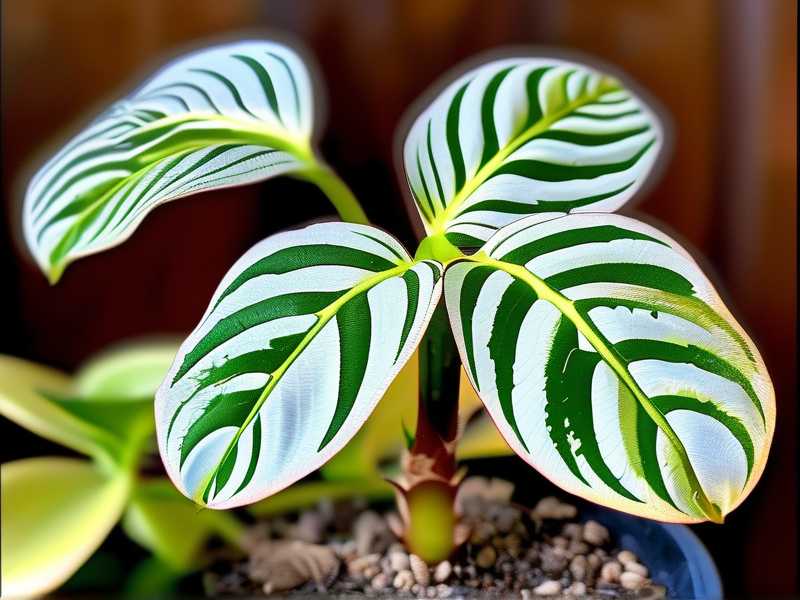
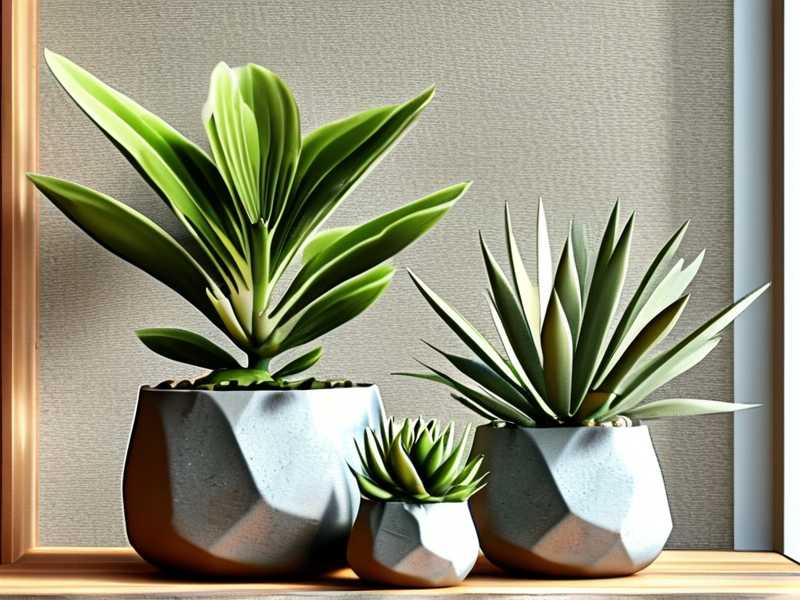
Haworthia. These little guys have striking white stripes and a compact rosette shape. They tolerate lower light than most succulents, which makes them perfect for desks or shelves away from windows. I've had one for eight months now and it's still going strong.
Snake plant (Sansevieria). Technically a succulent, and basically indestructible. The upright leaves look sharp in a modern space. It handles low light and infrequent watering. If you kill this one, I don't know what to tell you.
For Bold, Colorful Accents
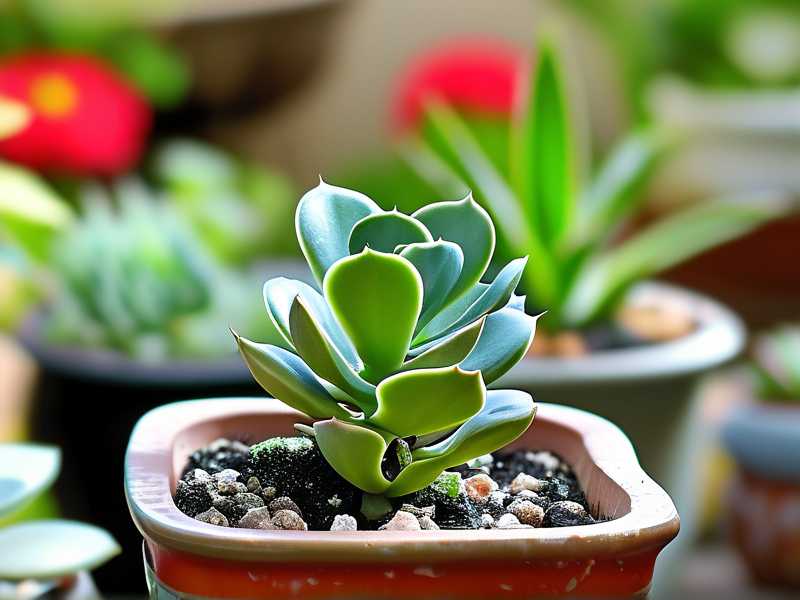
Echeveria. These come in pinks, purples, and blues. They're the stars of any succulent collection. But they need strong light to keep their color. South-facing window or a grow light. No compromises.
Sedum. Trailing varieties look great in hanging planters or spilling off a shelf. They're more forgiving than Echeveria and come in a range of colors.
For architectural Interest
Aloe. The spiky leaves add structure. Most varieties prefer bright, indirect light. They're also useful for minor burns, which is a nice bonus.
Kalanchoe. Some varieties have fuzzy leaves, others are smooth. They bloom with tiny flowers, which most succulents don't do indoors. Worth trying if you want a pop of color.
My 2-Week Observation: What Actually Happens
I want to share a real experiment I ran. I bought two identical Echeveria plants from the same nursery. Same size, same color, same pot type.
Plant A went on my south-facing windowsill. Plant B went on my kitchen counter, about six feet from a window.
I watered both the same way: soak and dry, once every 12 days.
Here's what I saw over two weeks:
- Week 1: Both looked fine. No visible difference.
- Week 2: Plant A stayed compact and colorful. Plant B started to pale slightly and the leaves began to spread outward instead of staying tight.
By week three, Plant B was clearly stretching. The stem was getting longer, the rosette was opening up. It wasn't dying, but it wasn't thriving either.
I moved Plant B to a brighter spot and it slowly recovered, but the stretched growth stayed. That's the thing about light issues. Once a succulent stretches, it doesn't shrink back. You have to behead it and restart, or just accept the new shape.
This taught me that "bright indirect light" isn't the same as "a few feet from a window." Succulents want more light than most people realize.
Potting Mix Matters More Than You Think
Regular potting soil holds too much water for succulents. It's designed for thirsty plants like ferns and peace lilies.
What you want is a gritty, fast-draining mix. I make my own now: two parts cactus potting soil, one part perlite, one part coarse sand. You can also buy pre-mixed cactus soil and add extra perlite. It makes a huge difference.
Since I switched to this mix, I haven't lost a single succulent to root rot. That's not a coincidence.
Watering Schedule: There Isn't One
I know that's annoying to hear. But it's true.
Your watering frequency depends on your light, your humidity, your pot size, and the season. A succulent in a south window in summer might need water every 7 to 10 days. The same plant in winter might need water once a month.
The soak-and-dry method is your best friend. Water deeply, let it drain completely, then wait until the soil is bone dry before watering again.
If you're unsure, wait another day. Succulents handle drought far better than they handle wet feet.
A Few More Things I Wish I'd Known
Grouping succulents together can create a microclimate with slightly higher humidity, which they don't love. Keep them spaced out for airflow.
Rotate your pots every week or two. Succulents grow toward light, and rotating keeps them growing straight.
Don't fertilize in winter. Most succulents are dormant or slow-growing then. Fertilizing can burn the roots.
If you see brown, crispy tips, that's usually sunburn or underwatering. If you see yellow, mushy leaves, that's almost always overwatering.
FAQs
Can I keep succulents in a bathroom with no window? No. Succulents need light to survive. A windowless bathroom will kill them slowly. If you want greenery in a dark bathroom, try a pothos or a snake plant instead.
Why is my succulent growing tall and thin? That's called etiolation, and it means the plant isn't getting enough light. Move it closer to a window or get a grow light. The stretched growth won't reverse, but you can behead the plant and replant the top to start fresh.
Do succulents need fertilizer? Not much. A diluted cactus fertilizer once in spring and once in summer is plenty. Skip it in fall and winter.
Choosing succulents for modern decor isn't about finding the trendiest plant. It's about finding the right plant for your light, your space, and your routine. Get that part right, and the decor takes care of itself. Start with one easy variety. Learn how it responds to your home. Then add another. That's how I went from serial plant killer to someone with a windowsill full of happy, healthy succulents. You'll get there too.