bluename
 How to Revive succulents With Slow Root Development
If your succulent has been sitting in the same pot for months without visible growth, and a gentle tug reveals it's barely anchored, you're dealing with slow root development. I've killed more succulents than I'd like to admit, and the ones that suffered most were always the ones with weak, underdeveloped roots. The good news? You can fix this. I've done it myself, and I'm going to walk you through exactly what worked for me over a two-week period.
The answer, straight up: slow root development in succulents almost always comes down to three things—too much water, not enough light, or the wrong potting mix and container. Fix those, and roots will start pushing out within days.
I learned this the hard way after losing a jade plant that I'd babied for eight months. It looked fine on the surface. But when I finally pulled it out, the roots were brown, mushy, and barely there. That's when I started paying attention.
Why Succulent Roots Stay Stunted
Succulents evolved in environments where water comes in bursts. They're built to survive drought, not to sit in damp soil. When roots stay wet too long, they suffocate. New root growth stops. Existing roots rot. And the plant just sits there, alive but not thriving.
I've seen this happen with echeveria, sedum, and even tough little haworthia. It's not about the plant being difficult. It's about the conditions being wrong.
The RHS (Royal Horticultural Society) points out that succulents need sharp drainage and should never sit in waterlogged compost. That matches everything I've experienced. The AHS (American Horticultural Society) also emphasizes that root health is the foundation of plant vigor. If roots aren't happy, nothing else matters.
The Three Mistakes That Kill Roots
Let's be blunt. If you're making any of these mistakes, your succulent roots will struggle.
Mistake One: Overwatering
90% of indoor plants die from overwatering. That's not a made-up statistic. It's the number one killer, and succulents are especially vulnerable. I used to water on a schedule—every Sunday, no matter what. That was a disaster. The soil stayed wet. The roots never had a chance to breathe.
What I do now: I wait until the soil is completely dry. Not just the top inch. All the way down. I stick a wooden skewer into the pot and pull it out. If there's any moisture, I wait. Simple as that.
Mistake Two: Wrong Light
Succulents need bright light to grow strong roots. Without it, they stretch, weaken, and stop producing new roots. I once put a pot of sedum on a north-facing windowsill thinking it would be fine. It wasn't. The plant etiolated—grew tall and spindly—and the roots never developed.
Now I use a south-facing window or a grow light. If you're in a cloudy climate like I was for a few years, a simple LED grow light makes a huge difference. You don't need anything fancy. Just consistent, bright light for six to eight hours a day.
Mistake Three: Wrong Pot and Soil
I used to think any pot with a drainage hole would work. Then I planted a succulent in a glazed ceramic pot with regular potting soil. The soil compacted. Water pooled at the bottom. The roots rotted within weeks.
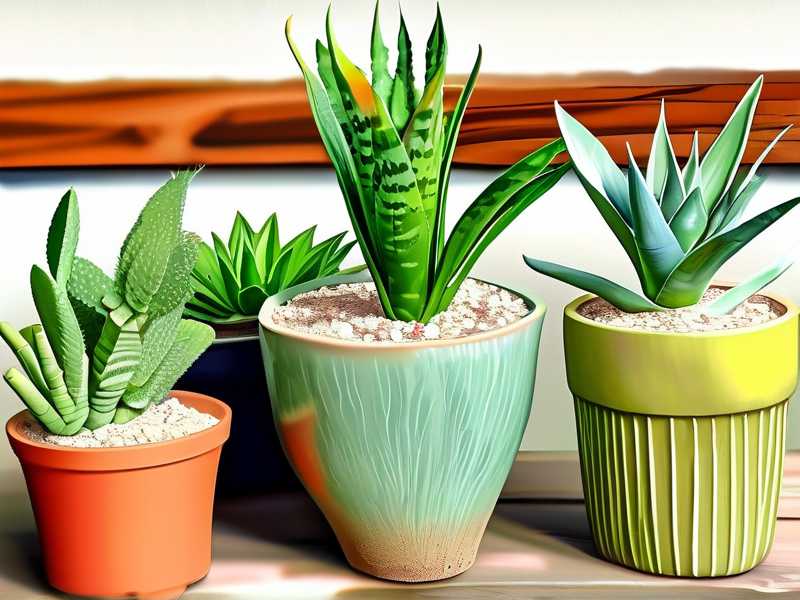
What I use now: a terracotta pot with a drainage hole, and a gritty mix. I make my own with equal parts potting soil, perlite, and coarse sand. Some people use pumice instead of perlite. Either works. The key is that water runs through fast.
My Two-Week Revival Process
Here's exactly what I did to bring back a struggling echeveria with almost no roots. I've repeated this method several times since, and it works.
Step 1: Unpot and Inspect
I gently removed the plant from its pot. I shook off as much old soil as I could. Then I rinsed the roots under lukewarm water. This let me see what was actually going on.
What I found: mostly dead, brown roots with a few tiny white tips trying to grow. That was actually good news. White tips mean the plant is still trying.
Step 2: Trim the Dead Roots
I used clean scissors to cut away anything mushy, black, or dry and brittle. I cut back to healthy tissue. If you're unsure, cut a little more rather than less. Dead roots don't recover. They just rot.
After trimming, I dusted the cut ends with cinnamon. It's a natural antifungal. You can use rooting hormone if you have it, but I've had success with cinnamon alone.
Step 3: Let It Callus
This part is hard because it feels like doing nothing. I let the plant sit in a dry, shaded spot for two full days. The cuts need to callus over. If you plant immediately, the open wounds can rot.
I've skipped this step before. The plant died. Don't skip it.
Step 4: Repot in Dry Gritty Mix
I used a small terracotta pot—just slightly bigger than the root ball. A too-large pot holds too much moisture. I filled it with my gritty mix and nestled the plant in. I did not water.
That's right. No water for the first week.
Step 5: Wait and Watch
I kept the pot in bright, indirect light. No direct sun. No water. After seven days, I gave it a tiny sip—just enough to moisten the top layer of soil. Not soaking.
By day ten, I noticed something. Tiny white roots were poking through the drainage hole. That was my cue to water a little more deeply.
By day fourteen, the plant was firmly anchored. A gentle tug met resistance. New leaves were starting to form at the center. That's when I knew it had worked.
What I Learned From Killing Plants
I've killed at least a dozen succulents over the years. Each one taught me something.
The first one I killed was an aloe vera. I watered it every three days because it looked dry. The roots turned to mush. I didn't understand why until I read that aloe roots need to dry out completely between waterings.
The second was a string of pearls. I put it in a glass jar with no drainage. It looked pretty for a month. Then it collapsed. That's when I learned that drainage isn't optional.
The third was a haworthia. I used a pot that was way too big. The soil stayed wet for weeks. The roots never grew. I repotted it into something smaller, and it recovered. I still have that plant today.
The point is: every mistake is fixable if you catch it early enough. And even if you don't, succulents are surprisingly resilient when you give them the right conditions.
Signs Your Succulent Is Ready to Revive
Not every slow-growing succulent needs intervention. Sometimes they're just dormant. But here are the signs I look for that tell me it's time to act:
The plant wobbles in its pot. If it tips over easily, the roots aren't holding it.
New growth is tiny or nonexistent. A healthy succulent puts out new leaves during the growing season.
The soil stays wet for more than three days. That's a drainage problem.
The leaves look wrinkled or soft. That can mean underwatering, but it can also mean the roots aren't working.
The stem feels mushy near the soil line. That's rot. You need to act fast.
If you see two or more of these signs, go ahead and unpot the plant. You'll learn more in five minutes than you will in five weeks of guessing.
Frequently Asked Questions
How long does it take for succulent roots to regrow?
Usually two to four weeks if conditions are right. I've seen new roots in ten days, but that's on the fast end. Don't rush it. The plant knows what it's doing.
Should I water after repotting a succulent with slow roots?
No. Wait at least a week. Some growers wait two weeks. I wait one week, then give a light watering. If the soil stays wet after that, I wait even longer before watering again.
Can I revive a succulent with no roots at all?
Yes, but it's harder. You'll need to treat it like a cutting. Let it callus, place it on dry soil, and wait for roots to form. It can take a month or more. I've done this with a broken stem and it worked, but it required patience.
The Bottom Line
Slow root development isn't a death sentence. It's a signal. Your plant is telling you something is off. Fix the water, fix the light, fix the pot, and roots will follow. I've brought back succulents that I was sure were goners. You can too.
Just remember: dry soil, bright light, small pot, and patience. That's the whole recipe.