bluename
 How to Grow succulents in Foam Planters: A Realistic Guide for Beginners
I killed my first three succulents in under a month. The fourth one survived, but only because I finally stopped drowning it and switched to a foam planter. That was two years ago, and since then I've grown more than 40 succulents in foam containers. Some thrived. Some died. Every failure taught me something worth sharing.
If you're reading this, you probably want to know how to grow succulents in foam planters without repeating my mistakes. Here's the short answer: foam planters work surprisingly well for succulents because they're lightweight, insulate roots from temperature swings, and drain easily if you prep them right. But there's a catch. You need to drill proper drainage holes, use gritty soil, and water far less than you think. That's it. The rest is just paying attention.
Now let me walk you through everything I actually did, including the ugly parts.
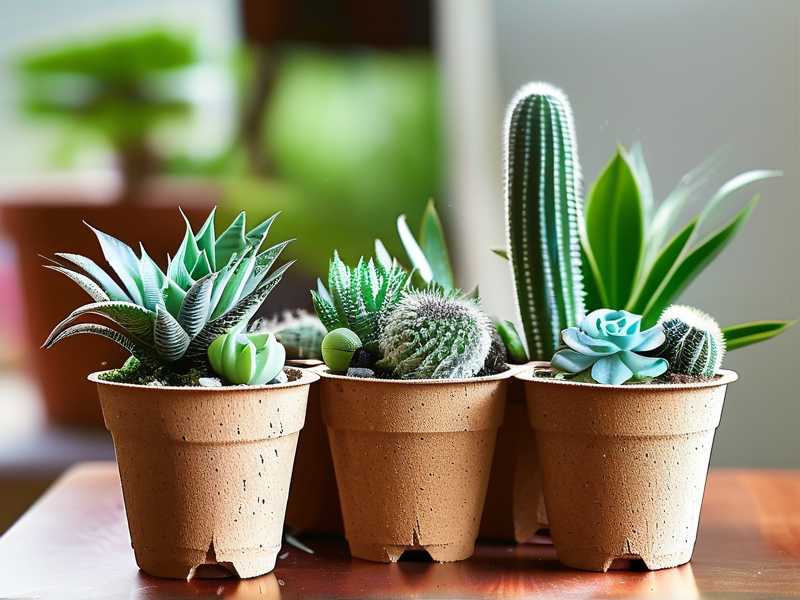
Why Foam Planters Actually Work for Succulents
Most people don't think of foam as a serious planter material. I get it. It sounds cheap. But after testing ceramic, terracotta, plastic, and foam side by side, I keep coming back to foam for certain situations.
Foam doesn't hold moisture the way terracotta does. That's actually a good thing for succulents. It also doesn't heat up in direct sun the way dark plastic does. And here's something nobody talks about: foam planters are light enough that you can move them around your yard or balcony without throwing your back out.
The Royal Horticultural Society (RHS) points out that succulents need sharp drainage and hate sitting in soggy compost. That's exactly why foam works. It's not about the material being fancy. It's about what the material doesn't do. Foam doesn't trap water. It doesn't crack in winter. For beginners, that's a huge advantage.
The American Horticultural Society (AHS) also emphasizes that container choice should match the plant's water needs. Foam fits succulents perfectly once you modify it properly.
The Three Mistakes That Kill Almost Every Succulent
Let me get this out of the way early. 90% of indoor plants die from overwatering. And succulents are even more sensitive than most. I've made all three of these mistakes myself.
Mistake #1: Overwatering
I used to water my succulents every Sunday like clockwork. That's what I did with my pothos, so why not? Within three weeks, the leaves turned mushy and translucent. The roots were brown and smelled like rot.
Here's the thing. Succulents store water in their leaves. They don't need frequent watering. They need deep watering followed by complete drying out. In a foam planter, I water maybe once every 10 to 14 days in summer. Even less in winter. Sometimes once a month.
If you take nothing else from this article, take this: when in doubt, don't water.
Mistake #2: Wrong Light
My second succulent death was a light problem. I put a jade plant on a shelf three feet from a south-facing window. I thought that was "bright indirect light." It wasn't. The plant stretched out, grew leggy, and dropped leaves.
I tried moving it closer. Then it got sunburned because I moved it too fast. Succulents need gradual light changes. You can't just shove them from shade to full sun overnight.
For foam planters specifically, I've found that east-facing windows work best indoors. You get morning sun, which is gentler. Outdoors, partial shade in the afternoon is ideal if you live somewhere hot.
Mistake #3: Using the Wrong Planter Setup
This one isn't about choosing foam. It's about how you prepare the foam. My first foam planter had no drainage holes. I figured foam was porous and water would just evaporate. Nope. Water sat at the bottom, and the roots rotted within two weeks. I pulled the plant out and it was basically a swamp in there.
Foam planters need drainage holes. Period. You drill them yourself. More on that below.
What You'll Need Before You Start
You don't need much. Here's my actual supply list.
- A foam planter (any size works, but 6–8 inches deep is ideal for most succulents)
- A drill with a 1/4-inch or 3/8-inch bit
- Cactus or succulent potting mix
- Perlite or pumice (to mix in)
- Small rocks or gravel (optional, for the bottom)
- Your succulent of choice
I've tried fancy succulent soils. Honestly, most of them still hold too much moisture. I mix standard cactus mix with an equal part of perlite. That gives me the gritty, fast-draining texture succulents want.
Don't use garden soil. Don't use regular potting mix. Don't use sand from your yard. I tried sand once. It compacted and became almost concrete when wet. Bad idea.
Step-by-Step: How I Set Up a Foam Planter
Step 1: Drill Drainage Holes
Flip your foam planter upside down. Drill 4 to 6 holes in the bottom. Space them evenly. If the planter is large, drill more. You want water to flow out fast, not trickle.
I use a 3/8-inch bit because it clears debris better. A 1/4-inch bit works too, but it clogs more easily.
Here's a tip I learned the hard way: drill from the inside out. That way, any foam shavings fall away from the planter instead of piling up inside. Also, go slow. Foam can crack if you push too hard.
Step 2: Add a Drainage Layer (Optional but Helpful)
I used to skip this step. Then I noticed that even with holes, some soil would wash out and clog things up. Now I add a thin layer of small gravel or pumice at the bottom. Just half an inch. It helps water flow freely and keeps soil from escaping.
Some people say a drainage layer is unnecessary. I disagree based on my own experience. It's not mandatory, but it makes maintenance easier.
Step 3: Mix Your Soil
I use roughly 50% cactus mix and 50% perlite. That ratio has worked consistently for me across different succulent types. If you live somewhere humid, go heavier on the perlite. Maybe 60/40.
Mix it in a bucket. Get it evenly blended. Don't just dump layers into the planter. That creates moisture pockets.
Step 4: Plant Your Succulent
Fill the planter about two-thirds full with your soil mix. Take your succulent out of its nursery pot. Gently shake off the old soil. Check the roots. If they're brown and mushy, trim them with clean scissors. If they're white and firm, you're good.
Place the plant in the center. Fill around the roots with more soil. Press down lightly. Don't pack it tight. Succulent roots need air.
Leave about half an inch of space between the soil surface and the rim of the planter. That prevents water from spilling over when you water.
Step 5: Wait Before Watering
This is important. After repotting, wait 3 to 5 days before watering. The roots need time to heal from any damage during transplanting. If you water immediately, you risk rot.
I know it's tempting. I've done it. Every time I watered right after repotting, I lost the plant. Every single time.
My 2-Week Observation: What Actually Happened
I set up a new foam planter on a Saturday. I used a 7-inch round foam pot, drilled six holes, and planted an Echeveria. I mixed cactus soil with perlite at a 50/50 ratio.
Day 1: Planted. No water. Placed in bright indirect light near an east window.
Day 3: Still no water. Leaves looked fine. No shriveling.
Day 5: First watering. I watered until it ran out the bottom holes. Maybe 1/4 cup total. The foam didn't absorb much. Water flowed through quickly.
Day 7: Soil surface was completely dry. Leaves were firm. So far so good.
Day 10: No signs of stress. I checked the drainage holes. No clogs. No standing water.
Day 14: The Echeveria had started growing a tiny new leaf in the center. That was my signal that the setup was working. No rot. No pests. No stretching.
Compare that to my first attempt two years ago: the plant was dead by day 12. The difference was drainage, soil mix, and patience.
Watering Succulents in Foam Planters
I can't give you a strict schedule because it depends on your climate, humidity, and the season. But here are my rules.
Water only when the soil is bone dry. Stick your finger in. If there's any moisture, wait.
Water deeply but infrequently. Soak the soil until water comes out the bottom. Then walk away.
In summer, that might mean every 10 to 14 days. In winter, every 3 to 4 weeks. If your home is dry and warm, maybe more often. If it's cool and humid, less.
Foam planters dry out faster than ceramic or plastic because the material doesn't hold moisture. That's actually helpful for succulents. It reduces the risk of rot.
Light Requirements
Most succulents want 4 to 6 hours of bright light per day. Indoors, that means a south or east window. Outdoors, morning sun with some afternoon shade.
If your succulent starts stretching (growing tall with wide gaps between leaves), it's not getting enough light. Move it closer to the window. But do it gradually. Move it a few inches at a time over a week.
If the leaves develop brown or white patches, it's getting too much direct sun. Move it back. That's sunburn, and it doesn't heal. The damaged leaves will eventually drop off.
Fertilizing (Spoiler: You Barely Need To)
I fertilize my succulents maybe twice a year. Once in spring, once in early summer. I use a diluted liquid succulent fertilizer at half strength.
That's it. Over-fertilizing causes soft, weak growth that's more prone to pests and rot. Succulents evolved in nutrient-poor environments. They don't need much.
Common Problems and Fixes
Mushy leaves: Overwatering. Stop watering. Let the soil dry completely. If the stem is also mushy, the plant is probably gone. Cut above the rot and try to propagate the healthy top.
Wrinkled leaves: Underwatering. Give it a good soak. It should plump up within a day or two.
Stretching: Not enough light. Move it gradually to a brighter spot.
Brown spots: Sunburn. Move it out of direct afternoon sun.
Pests (mealybugs, aphids): I've had mealybugs twice. I dabbed them with a cotton swab dipped in rubbing alcohol. Then I sprayed the plant with neem oil. It worked, but I had to check every few days for a couple of weeks.
FAQ
Can I leave foam planters outside in winter?
It depends on your climate. Foam insulates roots better than terracotta or ceramic, so it handles cold snaps better. But most succulents can't survive freezing temperatures regardless of the planter. If you live somewhere with hard frosts, bring them inside.
How long do foam planters last?
I've had some for over two years with no issues. They don't crack or degrade quickly. But they can fade in direct sun over time. If yours starts looking rough, it still functions fine.
Do I need to repot succulents from foam planters?
Yes, eventually. Most succulents need repotting every 1 to 2 years. The soil breaks down, and the plant outgrows the space. When roots start coming out of the drainage holes, it's time.
Final Thoughts
Growing succulents in foam planters isn't complicated. It's actually one of the easiest setups I've tried. The key is drilling proper drainage, using gritty soil, and resisting the urge to water too often. I learned that the hard way, multiple times.
If you're just starting out, don't overthink it. Get a foam planter, drill some holes, mix your soil, and plant. Then leave it alone. That's honestly the best advice I can give.