bluename
 How to Create a Low-Maintenance Indoor Garden (succulents + Others)
Let's be honest. You want the beauty and calm of greenery in your home, but the thought of another high-maintenance commitment makes you hesitate. You've brought plants home before, only to watch them slowly fade. I've been there. The dream of a lush, thriving indoor garden felt out of reach until I discovered the joy and simplicity of a truly low-maintenance indoor garden. This isn't about neglecting your plants; it's about smart choices that lead to success. I want to share my hands-on journey, including my real steps, a detailed two-week observation log, and the mistakes I made (and fixed) to help you build your own resilient green oasis.
My goal was clear: create a visually appealing collection of plants that wouldn't demand daily attention or wilt if I traveled for a few days. After research, I settled on a mix: the ultimate survivors, succulents, paired with other famously hardy varieties like Snake Plants (Sansevieria) and ZZ Plants (Zamioculcas zamiifolia).
Step 1: Choosing the Right Plants for Your Light
This is the most critical step. A low-maintenance indoor garden fails instantly if plants are in the wrong light. I assessed my space first. My living room has a large north-east facing window—bright, indirect light for most of the day. My home office has a smaller south-facing window with a few hours of direct sun.
For the bright, indirect light area, I chose:
- A Jade Plant (Crassula ovata)
- A Snake Plant (Sansevieria trifasciata 'Laurentii')
- A ZZ Plant For the spot with some direct sun, I selected:
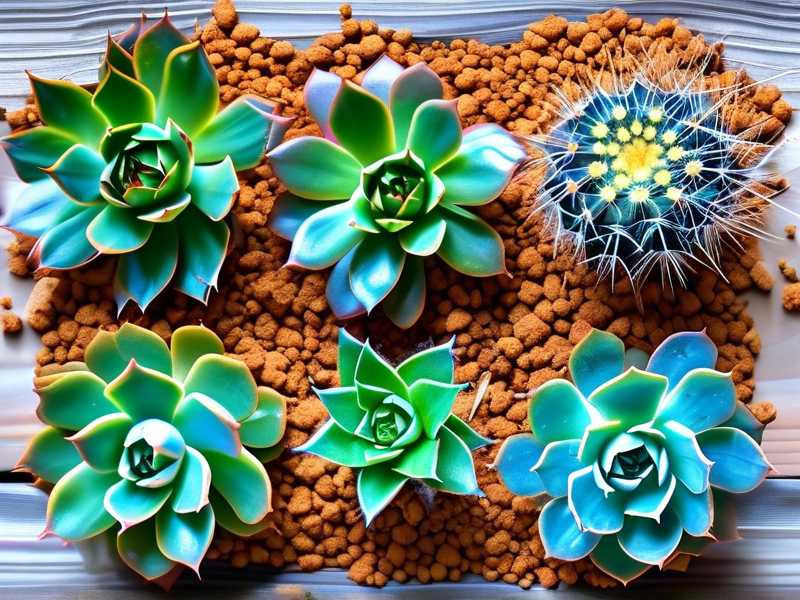
- An Echeveria 'Perle von Nurnberg'
- A String of Pearls (Senecio rowleyanus)
- A Pothos (Epipremnum aureum) – for a trailing element.
The Royal Horticultural Society (RHS) emphasizes that matching a plant to its preferred light level is the single biggest factor in reducing maintenance needs. I took their advice to heart.
Step 2: The Foundation: Potting Mix and Containers
Here was my first major pitfall. I initially used standard, bagged potting soil for my succulents because it was convenient. Big mistake.
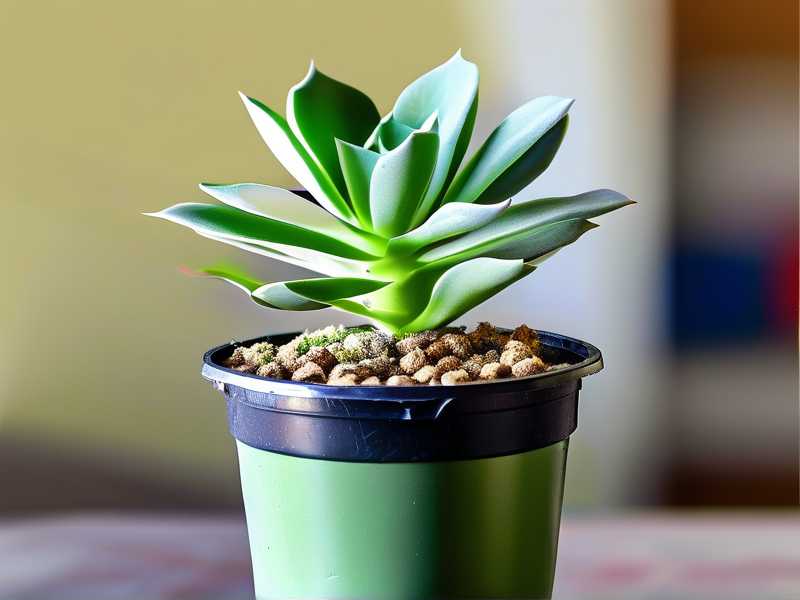
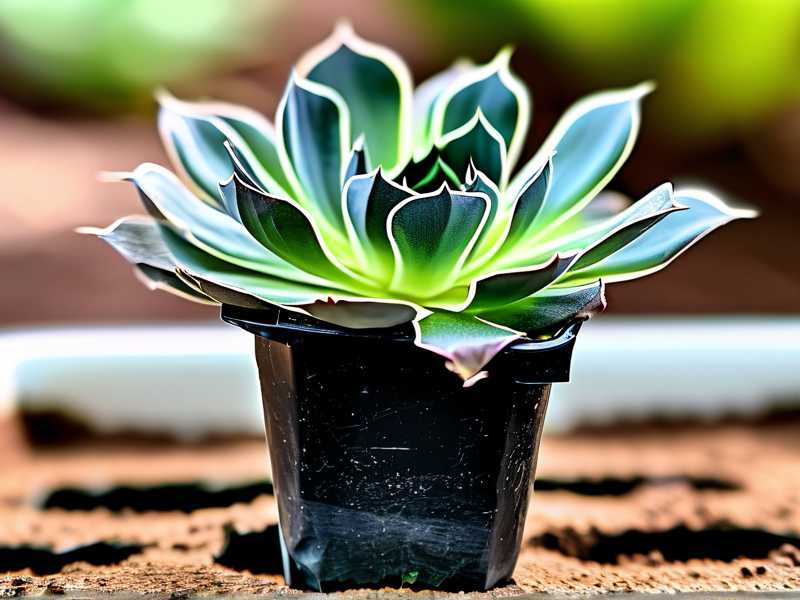
The Problem: A week after my first watering, the soil in the Echeveria and Jade pots was still damp and felt heavy. The Echeveria's lower leaves started to feel soft and translucent—a classic sign of overwatering.
The Solution: I immediately repotted all my succulents. I created a well-draining succulent mix using:
- 2 parts standard potting soil
- 1 part coarse perlite
- 1 part horticultural grit For the Snake Plant and ZZ Plant, I used a standard mix but added an extra handful of perlite for good drainage. Every pot, without exception, had a drainage hole. I also learned the value of unglazed terracotta pots for succulents, as they allow the soil to dry out more evenly.
Step 3: The Art of the "Soak and Dry" Watering Method
Watering is where most indoor gardens meet their doom. I adopted the "soak and dry" method for all my plants. The rule is simple: water thoroughly until it runs out of the drainage hole, then do not water again until the soil is completely dry.
My Two-Week Watering Observation Log:
- Day 1 (Planting Day): Watered all plants thoroughly until water drained into saucers. Emptied saucers after 30 minutes.
- Day 3: Checked soil moisture by sticking my finger 2 inches deep. All pots still felt moist. No watering.
- Day 5: Succulent pots (Echeveria, Jade, String of Pearls) felt dry. Confirmed with a wooden skewer—it came out clean. Gave them a thorough soak. Snake Plant, ZZ Plant, and Pothos soil was still slightly damp. Skipped them.
- Day 8: Snake Plant and Pothos were dry and watered. ZZ Plant was still not fully dry. This highlighted its incredible drought tolerance.
- Day 12: Succulents were dry again and received water. Others were still fine.
- Day 14: All plants were in good shape. The ZZ Plant's soil finally dried out, and I watered it for the first time since planting.
This log showed me the dramatic differences in water needs. The succulents needed water roughly every 5-7 days in my environment, while the ZZ Plant went a full two weeks. This is the essence of low maintenance indoor plants—they tell you when they need something.
Step 4: Ongoing Care and Troubleshooting
Even easy-care plants need some attention. Here’s what I monitored:
Light Adjustment: My String of Pearls, which I thought would love the direct sun, started to show slight bleaching on the top pearls. According to the American Horticultural Society (AHS), some succulents prefer filtered direct light. I moved it back about a foot from the window, and the new growth came in a healthy, deep green.
Pest Watch: At the end of the first week, I noticed tiny webbing on my Jade Plant—spider mites. Instead of panicking, I used a simple solution: I wiped every leaf and stem with a soft cloth dipped in a mixture of mild soap and water. I repeated this every 3 days for a week. The infestation was cleared without harsh chemicals. Regular, close observation is key.
The "Do Nothing" Tactic: My instinct was to fertilize to "help them grow." I resisted. Most succulents and hardy houseplants need very little fertilizer, especially when newly potted. Forcing growth can actually weaken them. I planned to use a diluted, balanced fertilizer only at the start of the next growing season.
The Results After Two Weeks
The transformation was subtle but profound. The initial stress from repotting was over. The Echeveria, once soggy, now had firm leaves and a tighter rosette shape. The Jade Plant showed no new mite damage and had a shiny, healthy appearance. The Snake Plant stood tall and rigid, and the Pothos had even begun to unfurl a new leaf. Most importantly, I felt no anxiety about them. I had a routine: a quick soil check every few days. My indoor garden with succulents and other plants was not just surviving; it was settling in to thrive on its own terms.
Common Questions Answered
How often should I really water my succulents? There is no universal schedule. It depends on your home's humidity, light, and pot type. Always use the "finger test" or a skewer to check for bone-dry soil before watering. In my case, it was every 5-7 days, but in winter, it might stretch to 2-3 weeks.
Can I really use any container if I'm careful with watering? I strongly advise against it. Drainage holes are non-negotiable for a stress-free, low-maintenance setup. They are your safety net, preventing the root rot that careful watering can't always avoid. If you love a pot without a hole, use it as a decorative cache pot and place a plastic nursery pot with holes inside it.
What is the absolute hardest-to-kill plant for a beginner? While succulents are great, my top recommendation for the most forgiving plant is the ZZ Plant. It tolerates very low light, infrequent watering, and ignores dust. My two-week log proved it's the champion of neglect. A Snake Plant is a very close second.
Creating a low-maintenance indoor garden is deeply rewarding. It taught me to be an observer, not a constant caretaker. By choosing the right plants for your light, using gritty soil, mastering the soak-and-dry method, and inspecting your plants regularly, you build a system that almost runs itself. Start small, learn from the little hiccups, and soon you'll have a living, breathing piece of decor that brings peace without the pressure.