bluename
 How to Care for Kalanchoe Blossfeldiana: My Two-Week Journey to Vibrant Blooms
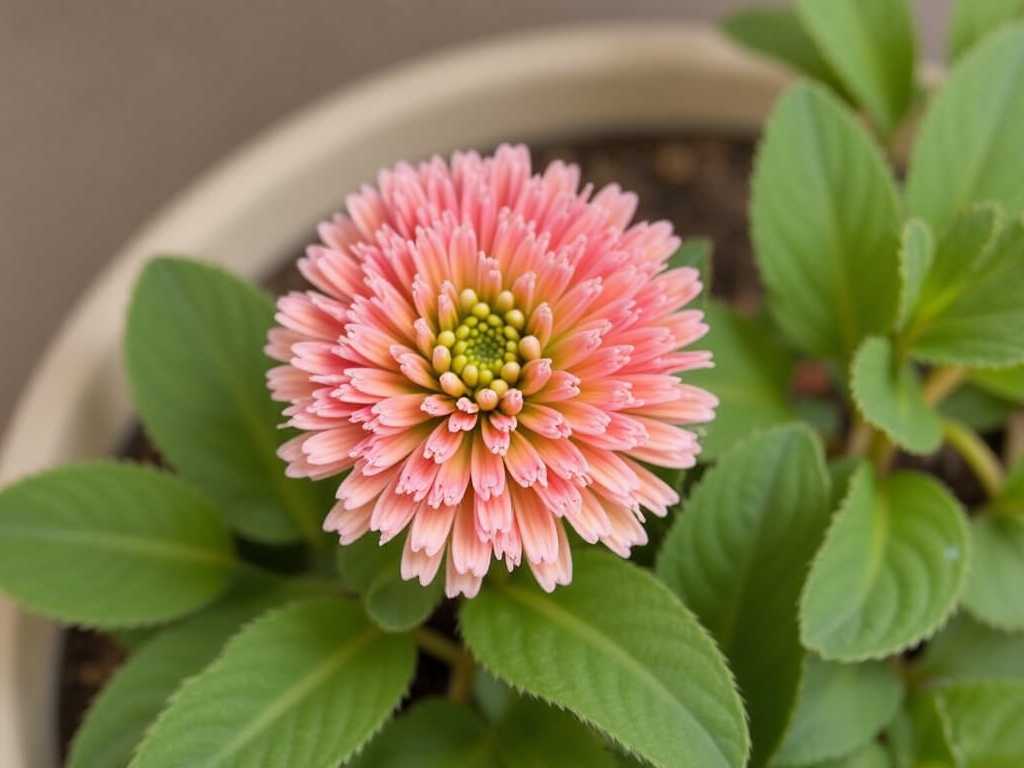
I brought home a stunning Kalanchoe Blossfeldiana, its cheerful clusters of flowers promising a pop of color. But within days, my excitement turned to worry. The vibrant blooms began to droop, and some leaves felt soft. I realized I knew nothing about how to care for Kalanchoe Blossfeldiana. Determined to save it, I embarked on a focused, two-week rescue and care mission. Here is my step-by-step journey, the results I documented, and the crucial lessons I learned the hard way.
My initial failure was a classic case of loving my plant to death. I assumed, like many flowering plants, it needed constant moisture. I was wrong. The first step was understanding its true nature.
Understanding Your Succulent Friend
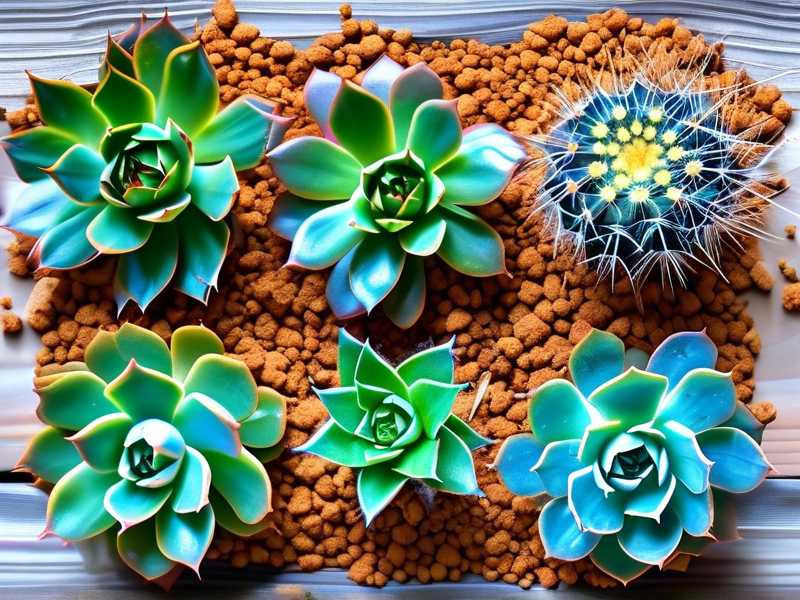
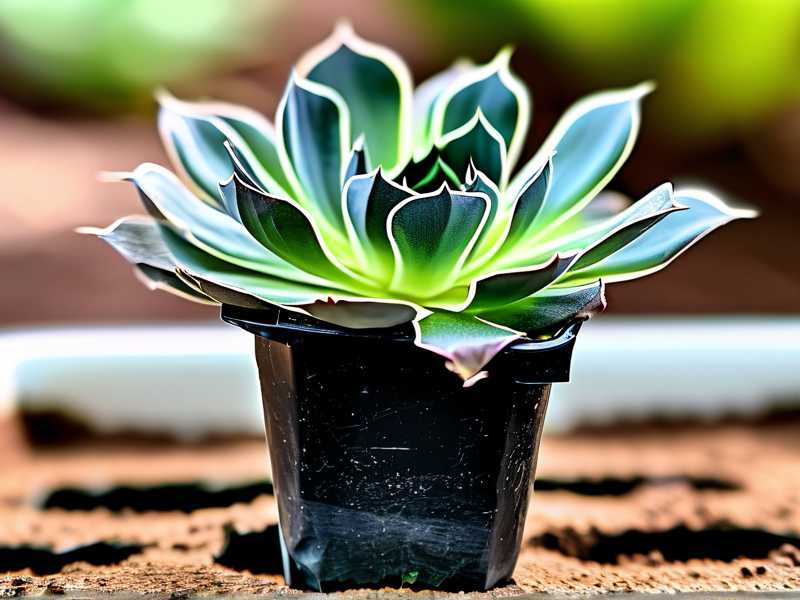
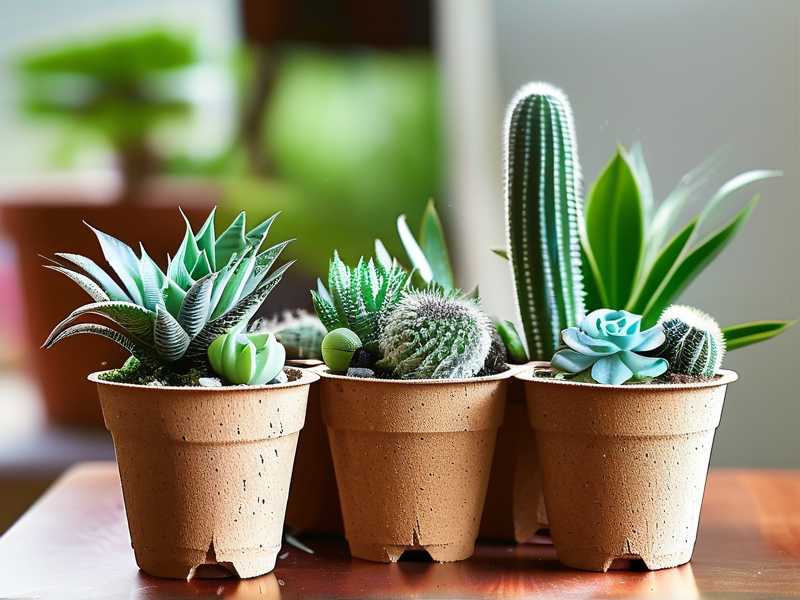
Kalanchoe Blossfeldiana is a succulent. This single fact dictates almost every aspect of its care. According to the Royal Horticultural Society (RHS), these plants store water in their thick, fleshy leaves and stems. They are adapted to survive dry periods, making them incredibly resilient when cared for properly. My mistake was treating it like a thirsty annual.
My Two-Week Rescue Plan: Light, Water, and Recovery
I established a strict care routine based on research from sources like the American Horticultural Society (AHS), adjusting as I observed my plant's response.
Week 1: The Diagnosis and Intervention
Step 1: The Critical Repot and Soil Assessment I gently removed the plant from its decorative pot. The soil was soggy and dense. This was the root of the problem—poor drainage leading to potential root rot.
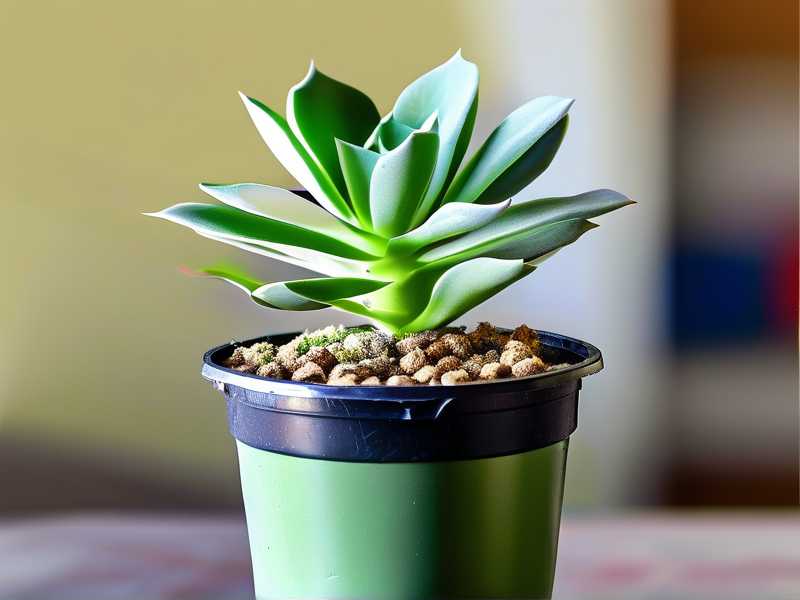
- My Action: I prepared a new pot with a drainage hole, one size larger than the root ball. I used a specialized cactus and succulent potting mix, which is gritty and fast-draining. I carefully loosened the wet soil from the roots, trimming any dark, mushy roots with sterilized scissors.
- The "Aha!" Moment: Seeing the difference between the old, peat-heavy soil and the new, airy mix was enlightening. Proper Kalanchoe plant soil is non-negotiable.
Step 2: Mastering the Watering Technique I abandoned my schedule-based watering. The RHS emphasizes the "soak and dry" method for succulents.
- My Action: I placed the repotted Kalanchoe in a bright, east-facing window with indirect light. I did not water it immediately after repotting to let any disturbed roots heal. After three days, I performed the "finger test," inserting my finger two inches into the soil. It was bone dry. I then thoroughly watered it until water ran freely from the drainage hole, ensuring the entire root ball was moistened. I immediately emptied the saucer underneath.
- Observation (Day 3-7): The drooping leaves perked up slightly. The soft leaves firmed up a bit, though the most damaged lower leaves continued to yellow and were gently removed. No new growth yet, but the decline had stopped.
Step 3: Optimizing Light for Health and Future Blooms My plant needed energy to recover. Kalanchoe light requirements are specific. They need bright light to thrive but can scorch in harsh, direct afternoon sun.
- My Action: I kept it in the bright, indirect light of the east window. I also noted that for future blooming, they require a long night period (short-day plants), but my immediate goal was vegetative recovery.
- Observation (Day 7): The plant looked stable. The remaining leaves were a healthier, deeper green and felt firm to the touch. A sign it was rehydrating properly from within its stores.
Week 2: Observing Recovery and Adjusting Care
Step 4: Establishing a Watering Rhythm I continued with the "soak and dry" method, letting the soil dry out completely between waterings.
- My Action: I checked the soil every other day. It took a full 10 days after the first watering for the soil to dry out completely again. This taught me about its slow water uptake, especially while recovering.
- Observation (Day 10-14): This was the turning point. I noticed tiny, firm new growth points emerging at the tips of several stems. The plant was no longer just surviving; it was actively growing again. The leaves were uniformly plump and glossy.
Step 5: Environmental Fine-Tuning I ensured it wasn't near any drafts from air conditioners or heating vents, as succulents prefer stable, warm temperatures.
- My Action: I moved it slightly away from the window pane at night when temperatures dropped.
- Observation (Day 14): The new growth was visibly larger. The plant had a compact, bushy appearance. The transformation from a soggy, sad specimen to a robust, growing succulent was complete.
The Pitfalls I Encountered and How I Fixed Them
The Overwatering Trap: This was my biggest mistake. The fix was radical: repotting into dry, gritty mix and adopting the "soak and dry" method. A moisture meter can be a helpful tool for beginners to avoid guesswork.
The "Low-Light" Struggle: Initially, I had it on a coffee table away from the window. It became leggy, stretching for light. The fix was immediate relocation to a bright window. If you lack natural light, a grow light is an excellent investment for keeping Kalanchoe healthy.
Ignoring the Drainage Hole: Its first decorative pot had none. This is a death sentence. Always, always use a pot with a drainage hole. It's the simplest and most effective rule for Kalanchoe Blossfeldiana care.
Looking Ahead: Encouraging Those Iconic Blooms
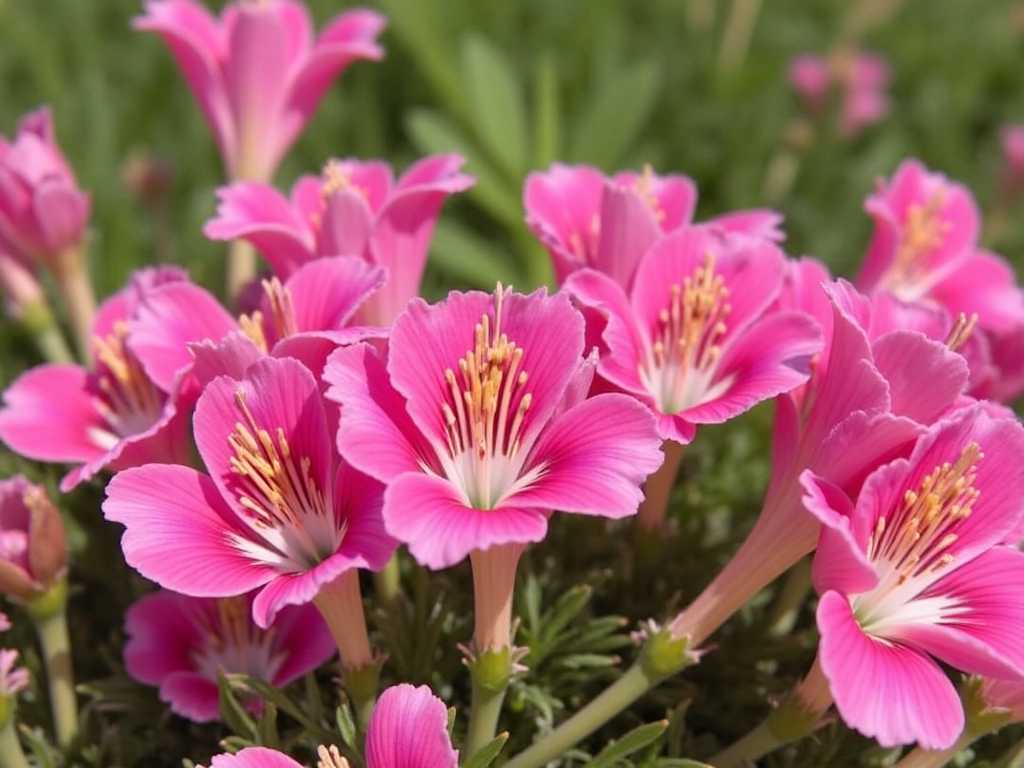
Now that my plant is healthy, my next goal is to trigger its famous reblooming. This involves simulating shorter fall days by ensuring it gets 14-16 hours of uninterrupted darkness daily for 6 weeks, while keeping it in bright light during the day. It’s a project for the coming season, but with a healthy plant, it’s entirely achievable.
Why won't my Kalanchoe ever flower again? It likely needs a simulated seasonal light cycle. After its initial bloom, it requires a period of long nights (short days) for about 6 weeks to set new flower buds. Ensure it gets no artificial light at night during this time.
Can I propagate my Kalanchoe? Absolutely, and it's very easy. The simplest method is to take a leaf or stem cutting, let the end callous over for a day or two, and then place it on top of well-draining soil. Mist occasionally, and roots will develop. I have several new plants started this way from the healthy leaves I pruned.
Is Kalanchoe Blossfeldiana safe for pets? No. The ASPCA lists Kalanchoe as toxic to cats and dogs, as it contains compounds that can cause gastrointestinal upset and, in rare cases, affect the heart. It's best kept in a location inaccessible to curious pets.
Caring for Kalanchoe Blossfeldiana is a rewarding practice in mindful, observant gardening. It thrives on a bit of benign neglect—plenty of bright light and infrequent, deep waterings. My two-week journey turned a struggling plant into a thriving one by respecting its succulent nature. Pay attention to the signals it gives you; firm leaves mean contentment, while soft leaves are a cry for less water. Start with the right soil and pot, and you’ll be rewarded with a resilient, long-lived plant that will surprise you with its vibrant blooms for seasons to come.