bluename
 Succulent Soil pH: What You Need to Know
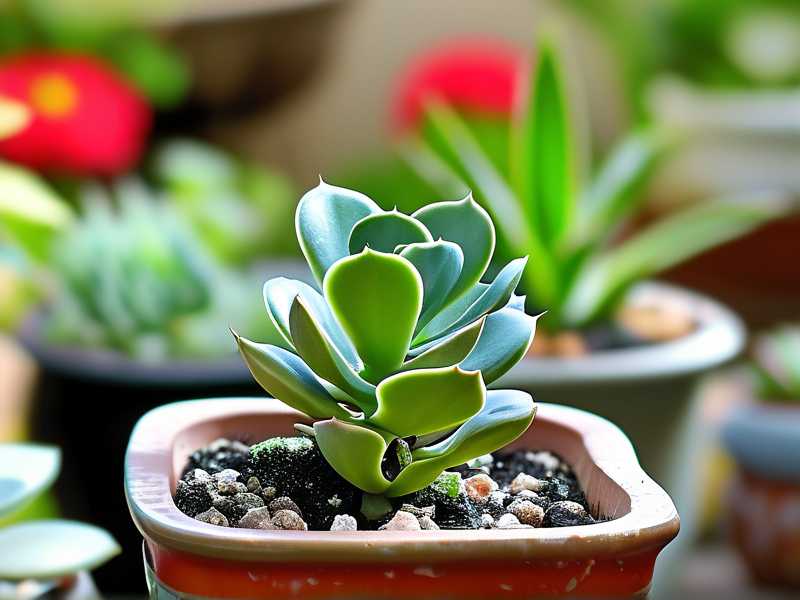
I used to think growing succulents was foolproof. Just give them sun, a little water, and they’d thrive, right? That’s what I believed until my collection started sending me distress signals. Leaves were yellowing from the base up, growth was stunted, and my favorite echeveria just looked… sad. No amount of adjusting light or watering schedules helped. It was a frustrating puzzle until I finally tested my succulent soil pH. The reading was a shocking 5.8 – far too acidic for most of my plants. That discovery sent me down a rabbit hole of research and hands-on experimentation, completely changing how I care for my succulents.
If you’re seeing similar issues, the problem might be hiding in the chemistry of your soil. Getting the pH right isn’t just a technicality; it’s the foundation of plant health. It controls how well roots can access essential nutrients. I’ve spent the last few years, and countless test kits, dialing this in. Let me walk you through exactly what I learned, the simple steps I take, and the real-world results from a recent two-week corrective experiment I conducted.
Why Soil pH is a Game-Changer for Succulents
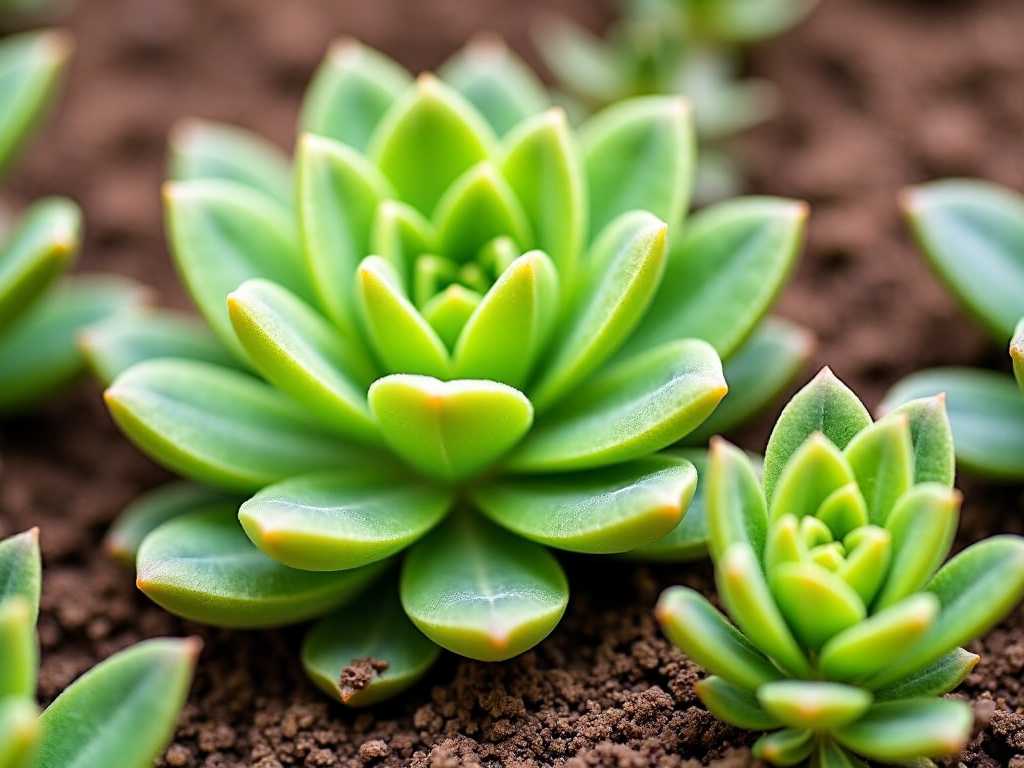
pH measures how acidic or alkaline your soil is on a scale from 0 (very acidic) to 14 (very alkaline), with 7 being neutral. Most succulents, including cacti, haworthias, and sedums, prefer a slightly acidic to neutral range. The Royal Horticultural Society (RHS) consistently recommends a pH between 6.0 and 7.0 for general succulent and cacti cultivation. This range allows for the optimal availability of key nutrients like nitrogen, phosphorus, and potassium.
When the pH is off, nutrients get “locked up” in the soil. Your plant’s roots are right there, but they can’t absorb what they need. A pH that’s too low (acidic) can lead to toxic levels of aluminum and manganese. A pH that’s too high (alkaline) can cause deficiencies in iron, manganese, and phosphorus, often showing as chlorosis – those yellow leaves with green veins that plagued my plants.
My Hands-On Guide to Testing and Adjusting Succulent Soil pH
You can’t fix what you don’t measure. Guessing based on leaf color is a recipe for more stress. Here is the exact process I follow.
Step 1: Getting a Reliable pH Reading
I’ve tried the cheap metal probe meters and found them wildly inconsistent. For accuracy, I now use a simple chemical test kit with dye strips or a digital pH meter designed for soil. For a potted succulent, I take a soil sample from about halfway down the pot, avoiding the very top layer and the area right against the roots. I mix this sample with distilled water (tap water can skew results) as per the kit’s instructions and take my reading.
Step 2: Interpreting the Results and Choosing an Action
- pH 6.0 - 7.0: Perfect! Do nothing. Your soil pH for succulents is on point.
- pH below 6.0 (Too Acidic): This was my problem. To raise pH (make it more alkaline), you need to add a liming agent. I use finely ground agricultural limestone (dolomitic lime, which also adds magnesium). The key is gradual adjustment.
- pH above 7.5 (Too Alkaline): To lower pH (make it more acidic), you can incorporate elemental sulfur or use an acidic potting mix amendment like peat moss or coir. However, the American Horticultural Society (AHS) notes that lowering pH can be a slower process and often requires patience.
My Two-Week pH Correction Experiment: A Diary
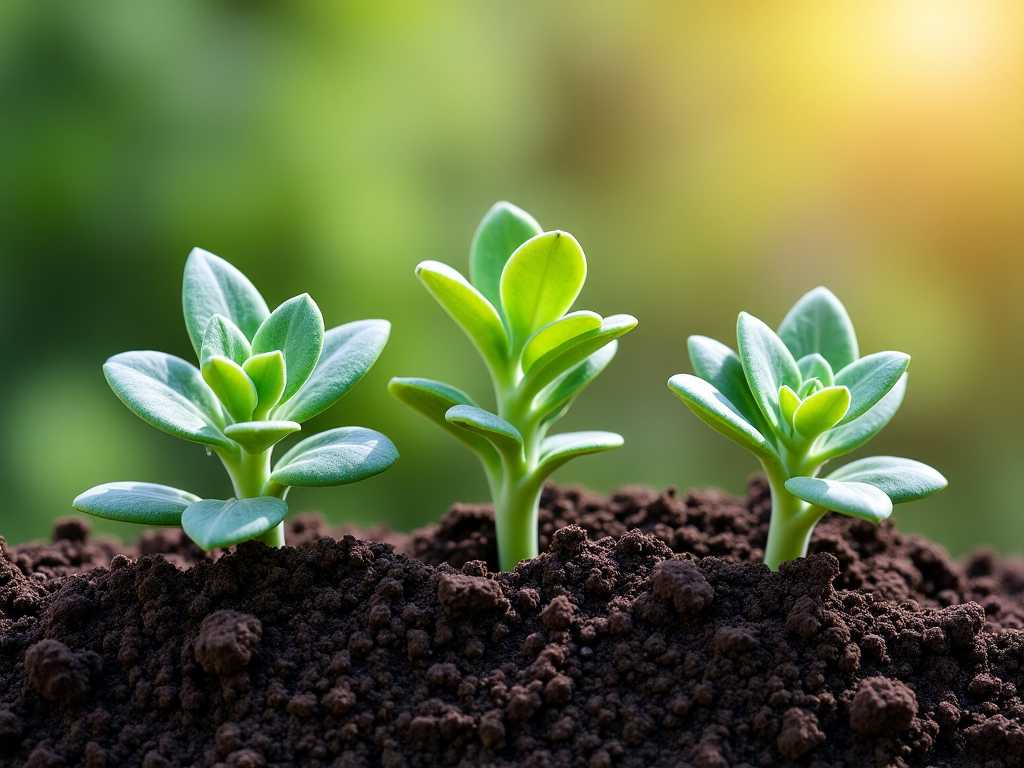
I had a struggling Haworthiopsis attenuata (Zebra Plant) in a pot with a confirmed acidic pH of 5.7. Here’s what I did and saw.
Day 1: After carefully removing the plant, I gently brushed away old soil from the roots. I created a new, well-draining mix: 2 parts potting soil, 1 part coarse perlite, 1 part pumice. To this base, I mixed in a small amount of dolomitic lime—about 1 teaspoon per gallon of soil mix—as recommended for a mild adjustment. I repotted the haworthia, watered it lightly to settle the soil, and placed it in bright, indirect light.
Days 2-7: No visible changes, which I expected. The plant was settling in, and the lime needed time to interact with the soil. I resisted the urge to overwater or add anything else.
Day 8: I noticed the very tips of some older, yellowing leaves were beginning to dry out and brown crisply—a normal succulent process called reabsorption. More importantly, the center growth point looked a slightly healthier, denser green.
Day 14: The most encouraging sign! Upon very gentle inspection (I didn’t unpot it), I could see two tiny, new white root tips peeking just above the soil line at the base of the plant. This was the clearest indicator that root health was improving in the new pH-balanced environment. The overall plant color was more uniform, losing that sickly yellow pallor.
The Pitfalls I Encountered and How I Solved Them
My journey wasn’t without mistakes. Here’s where I went wrong so you don’t have to.
Pitfall 1: The “More is Better” Disaster. Early on, after seeing a low pH reading, I panicked and mixed a hefty dose of lime directly into the soil of a jade plant. Within days, the leaves developed brown spots and dropped. I had shocked the roots and likely created localized “hot spots” of extreme pH. Solution: Always mix amendments thoroughly into the entire soil volume before potting, and use conservative amounts. It’s better to adjust slowly over time.
Pitfall 2: Ignoring Water Quality. I was using my tap water, which is naturally quite hard and alkaline (pH ~8.0), to water plants in acidic soil. I was fighting a constant, losing battle, as every watering was pushing the pH back up. Solution: I now collect rainwater for my sensitive succulents or filter my tap water. Testing your water’s pH is a crucial, often overlooked step.
Pitfall 3: Forgetting the Long Game. Soil pH isn’t a “set it and forget it” factor. Organic matter breaks down, fertilizers add salts, and water quality has an effect. Solution: I now make it a habit to test the pH of my succulent soil every 6-8 months, or whenever a plant shows unexplained signs of distress. This proactive check has saved several plants.
Building the Ideal Succulent Soil Mix for Perfect pH
A great mix does more than drain well; it provides a stable foundation. My go-to recipe aims for a neutral starting point:
- 40% Mineral Grit (Perlite, Pumice, or Coarse Sand): Provides drainage and aeration, and is generally pH neutral.
- 40% Quality Potting Soil: I choose a brand labeled for cacti & succulents, which often has a pre-adjusted pH.
- 20% Coconut Coir or Sifted Compost: For slight moisture retention and organic matter. Coir is typically neutral, while good compost can help buffer pH.
- Optional Buffer: A light dusting (1-2 tsp per gallon) of dolomitic lime mixed throughout, especially if your components tend to be acidic.
This mix creates an environment where roots can breathe, water flows through, and the pH remains relatively stable, giving your succulents the best soil for pH balance they need to thrive.
Your Succulent Soil pH Questions, Answered
Can I use vinegar to lower soil pH for succulents? I strongly advise against it. While vinegar is acidic, its effect is immediate and drastic, not gradual. It can harm beneficial soil microbes and root tissues. For a lasting, safe adjustment, elemental sulfur or acidic organic materials like peat moss are better, slower-acting choices.
How often should I test my succulent’s soil pH? For established plants, once every 6 to 12 months is sufficient unless you notice problems. Test whenever you repot a new plant, as store-bought mixes can vary. Always test if your plant shows classic nutrient deficiency signs like yellowing or stunted growth with proper light and water.
Do all succulents need the same soil pH? Most common succulents thrive in that 6.0-7.0 sweet spot. However, some have specific needs. For example, epiphytic cacti like Christmas Cactus (Schlumbergera) often prefer a slightly more acidic mix (around 5.5-6.0). It’s always worth researching the native habitat of your specific plant.
Understanding and managing succulent soil pH transformed my plant care from guesswork to a confident science. It’s the invisible key that unlocks vibrant color, firm growth, and overall resilience. Start with a simple test. Observe your plants closely. Make small, gradual adjustments. The reward—a collection of thriving, healthy succulents—is absolutely worth the effort. Your plants will thank you with their growth.