bluename
 The Ultimate Care Guide for Crassula succulents: My Hands-On Journey to Thriving Jade Plants
I’ve killed my fair share of succulents. There, I said it. For years, I struggled with Crassula varieties, especially the beloved Jade Plant (Crassula ovata). They’d arrive plump and gorgeous, only to succumb to mushy stems or shriveled leaves within months. My quest to master Crassula succulent care wasn't just about keeping a plant alive; it was about understanding a resilient genus on its own terms. This guide is the culmination of my experiments, failures, and finally, successes. I’ll walk you through my exact process, including a detailed two-week rescue mission I performed on a neglected Jade, so you can learn from both my wins and my mistakes.
Understanding Your Crassula: More Than Just a Jade Plant
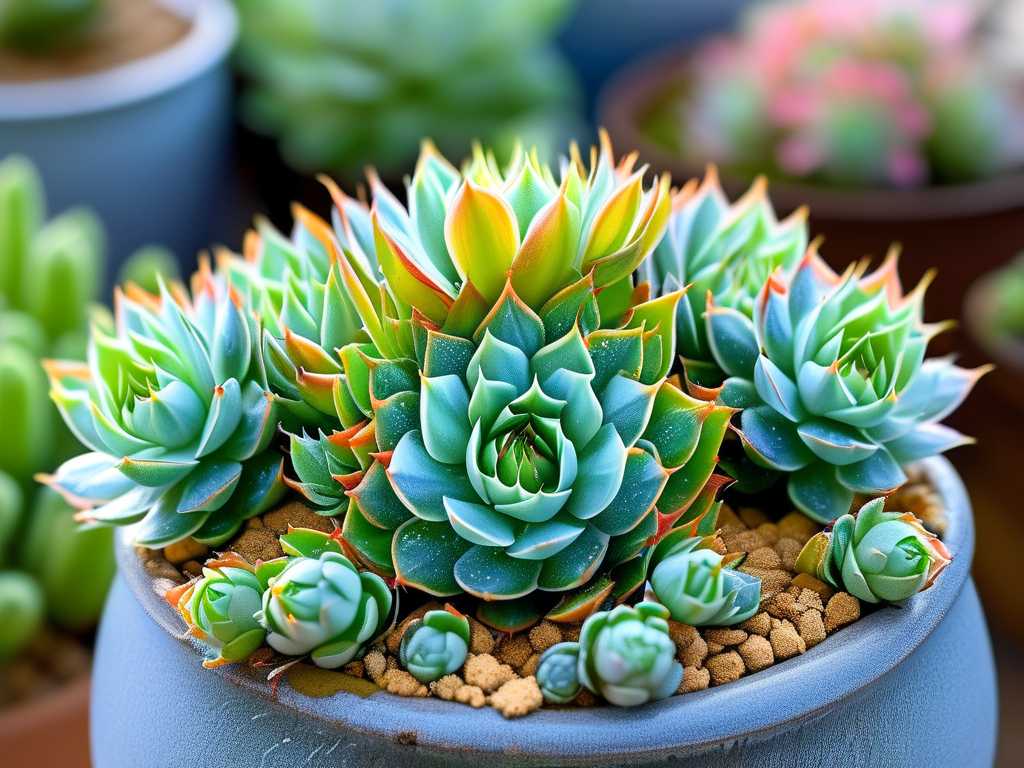
While the Jade Plant is the poster child, the Crassula genus is incredibly diverse, from the stacked pagoda of Crassula perforata (String of Buttons) to the fuzzy silver spoon leaves of Crassula arborescens. However, most share core care needs. Their plump leaves are water reservoirs, and their roots are designed for survival in arid, rocky soils. The biggest mistake I made early on was treating them like my tropical houseplants. Overwatering and poor light were my main adversaries. According to the Royal Horticultural Society (RHS), the single greatest cause of succulent failure is "overwatering and associated root rots." This was the painful truth I had to face.
My Step-by-Step Crassula Care Routine
After research and consultation with experts from the American Horticultural Society (AHS), I developed a routine focused on mimicking their natural habitat. Here’s exactly what I do.
Light: Finding the Sweet Spot for Growth
Crassulas crave bright, direct light. My east-facing window wasn’t cutting it; my plants became leggy, stretching for the sun. I moved them to a south-facing window where they receive at least 4-6 hours of direct sunlight. For my Crassula ovata ‘Gollum’, I even use a full-spectrum grow light for 12 hours during our dark winters. The difference is stark: compact growth, vibrant green (or red-tipped!) leaves, and overall sturdiness.
The Watering Experiment: Less is Truly More
This was my hardest lesson. I used to water on a weekly schedule, a death sentence. Now, I practice the "soak and dry" method. I only water when the soil is completely dry throughout the pot. How do I know? I use a moisture meter, or simply stick a wooden chopstick deep into the soil. If it comes out clean and dry, it’s time.
Here was my two-week observation on a rescued, underwatered Jade:
- Day 1: The leaves were wrinkled and slightly soft. Soil was bone-dry. I gave it a thorough soak until water ran freely from the drainage hole.
- Day 3: No visible change. The soil was still damp an inch down. I resisted the urge to water again.
- Day 7: The lowest leaves began to plump up slightly. The top soil was dry.
- Day 10: Most leaves were visibly firmer and fuller. The soil was nearly dry.
- Day 14: The plant was fully rehydrated, leaves turgid and shiny. I waited another two days before even checking the soil moisture again.
This patience is key. Overwatering leads to root rot, which often shows as black spots on leaves or a soft, unstable stem. If you suspect rot, unpot immediately, cut away any black, mushy roots with a sterile knife, let the plant callous for a few days, and repot in fresh, dry soil.
Soil and Potting: Building the Right Foundation
A fast-draining mix is non-negotiable. I mix a standard succulent and cactus soil (about 60%) with perlite or pumice (40%) for extra drainage. The pot must have a drainage hole. I learned this the hard way when a beautiful ceramic pot without a hole caused a Crassula capitella to rot from the bottom up. Terracotta pots are excellent as they wick away moisture.
Feeding and Seasonal Adjustments
Crassulas are not heavy feeders. I use a balanced, water-soluble fertilizer diluted to half-strength only during the active growing season (spring and summer), and never in winter when they are semi-dormant. This prevents weak, spindly growth.
Common Problems I’ve Faced and How I Fixed Them
- Mealybugs: These white, cottony pests love Crassulas. I spotted them in the leaf axils of my Crassula ‘Buddha’s Temple’. My fix: I dabbed each bug with a cotton swab dipped in 70% isopropyl alcohol. For larger infestations, I spray the plant thoroughly with a neem oil solution, repeating weekly for a month.
- Leaf Drop: This can be from over or underwatering. My Jade dropped leaves when I moved it abruptly to a much sunnier spot (shock) and another time from chronic overwatering. Diagnosing the cause is about context: are the leaves mushy or shriveled? Adjust your care accordingly.
- Leggy Growth (Etiolation): This is a plea for more light. I’ve successfully beheaded leggy Crassula ovata plants. I cut the stem below the leggy portion, let the cutting callous for a week, then planted it. The original stem often sprouts new branches, creating a bushier plant.
Frequently Asked Questions
How often should I water my Crassula? Throw away the calendar. Water only when the soil is 100% dry, which could be every 10 days in summer or every 3-4 weeks in winter. Your environment dictates the schedule.
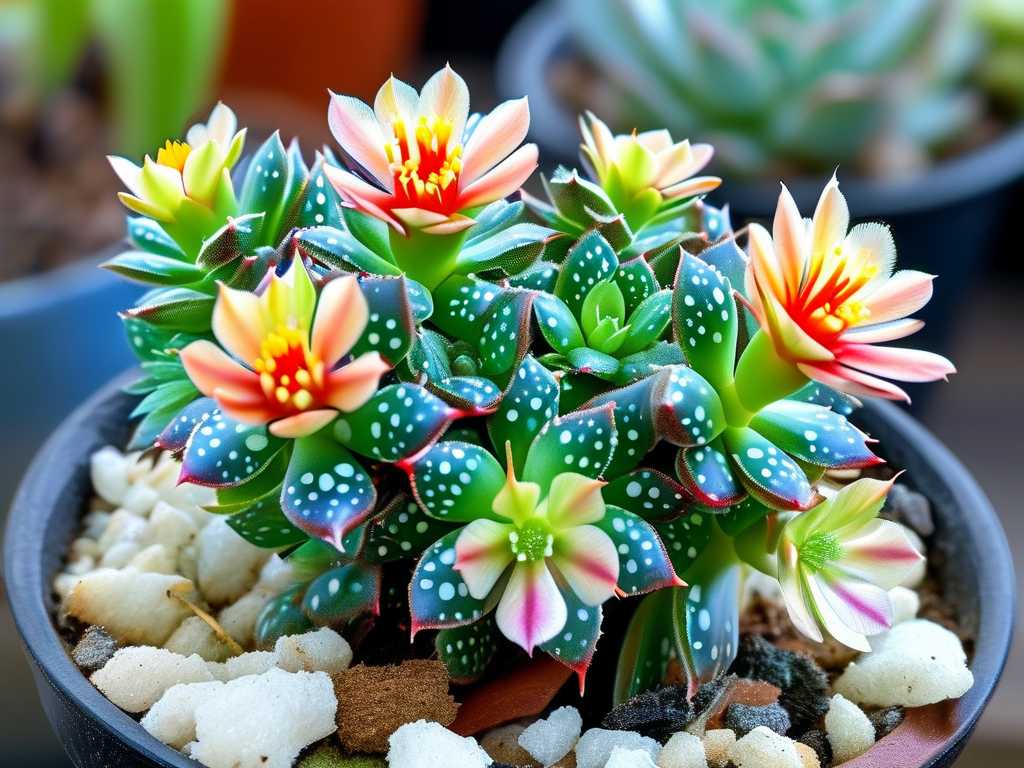
Why are the leaves on my Jade Plant turning yellow? Yellow, translucent leaves are a classic sign of overwatering. Immediately stop watering, check the roots for rot, and ensure the plant is in well-draining soil and a pot with a hole.
Can I propagate my Crassula from a single leaf? Absolutely! This is one of their joys. Gently twist a healthy leaf, let it callous for 2-3 days, then lay it on top of dry soil. Mist lightly every few days. In a few weeks, you’ll see tiny roots and a new rosette forming. Patience is essential here.
Caring for Crassula succulents is a lesson in restraint and observation. By providing ample light, infrequent but deep watering, and a gritty home, you’re not just keeping a plant alive—you’re allowing it to thrive. My once-struggling Jade is now a robust, miniature tree, and my collection has expanded confidently. Remember, these plants are adapted to survive hardship. Often, the kindest thing you can do is step back, observe, and let them do what they do best.