bluename
 The Ultimate Guide to Succulent Care for Rare Varieties: A Collector's 2-Week Journey
You finally found it. That one rare succulent you've been hunting for months, maybe years. It arrives, a tiny, otherworldly treasure, and a wave of panic hits right after the joy. What now? How do you keep this precious, often expensive, plant not just alive, but thriving? I've been there countless times. The fear of losing a rare Echeveria 'Rainbow' or a delicate Conophytum is real. After years of collecting and, yes, making mistakes, I've developed a system. This isn't just theory; it's a practical, step-by-step guide born from hands-on experience. Let me walk you through the critical first two weeks with a new rare succulent, the period that truly determines its future.
My First 72 Hours: The Quarantine and Assessment Protocol
The moment a new rare succulent enters my home, I resist the urge to repot or place it with my collection. My first step is always isolation. I learned this the hard way after a beautiful Haworthia truncata introduced mealybugs to an entire shelf.
I place the new plant in a separate, well-lit area for at least a week. This quarantine period is non-negotiable. During this time, I conduct a thorough inspection. I examine every leaf, the stem, and the soil surface with a magnifying glass, looking for pests, fungal spots, or signs of rot. I also assess the soil it came in. Is it dense and peaty, or gritty and well-draining? This tells me a lot about its previous care.
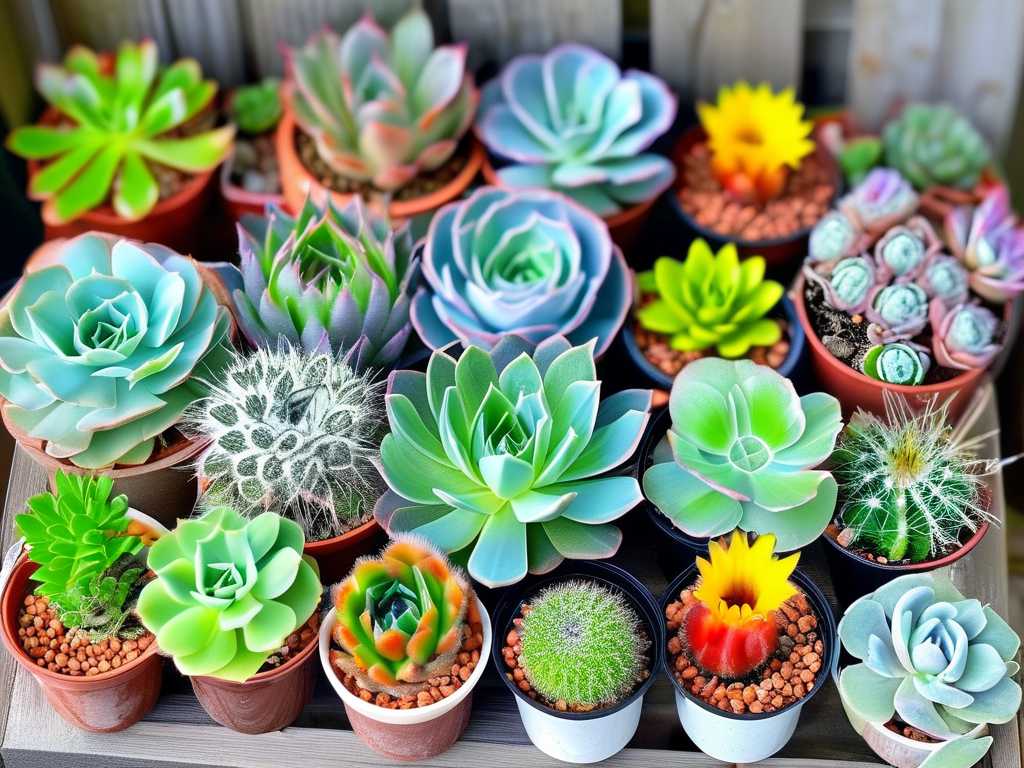
For the first few days, I do not water. The plant is stressed from shipping and needs to acclimate to my home's light and humidity. I simply observe. This passive observation is a crucial part of caring for rare succulents. It teaches you the plant's baseline condition.
The Great Repotting: Soil and Container Essentials
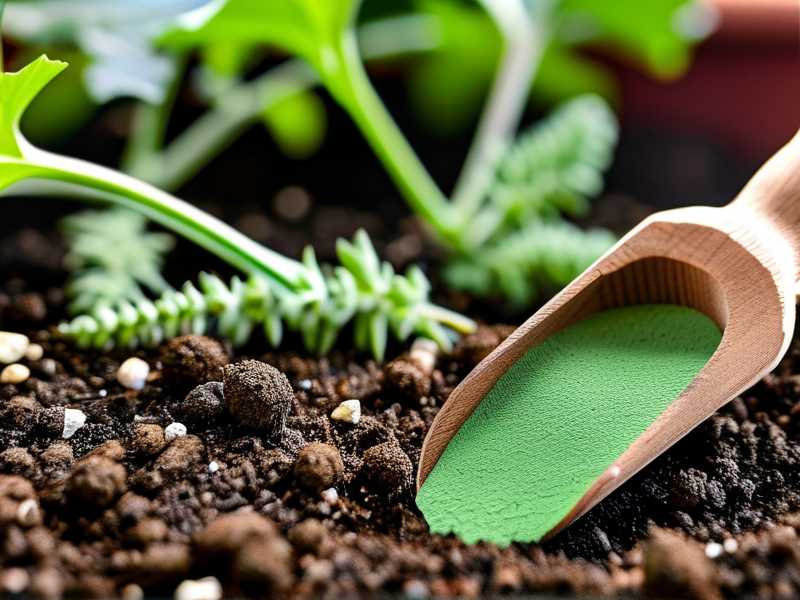
After the quarantine period, if the plant is healthy, I proceed to repot. Rare succulents often come in suboptimal soil for long-term health. My mix is my own recipe, perfected over time: approximately 50% inorganic material (like pumice or coarse perlite) and 50% succulent/cactus soil. For extra-sensitive mesembs like Lithops, I might go as high as 80% inorganic.
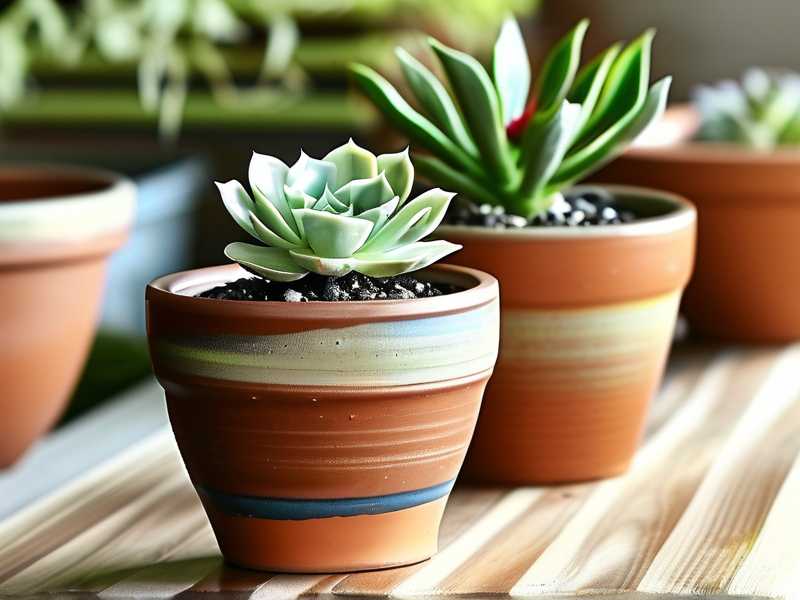
The container choice is equally vital. I always, without exception, choose a pot with a drainage hole. My nemesis is the "cache pot" trap—a decorative outer pot without drainage. I once lost a stunning Pachyphytum oviferum to root rot because water pooled unseen. Now, I use unglazed terracotta pots for most rare varieties. Their porosity allows the soil to dry evenly and provides a clear visual cue—when the pot feels light, it's time to check for water.
The repotting process is gentle. I carefully remove the old soil, inspect the roots for any dark, mushy sections (which I trim with sterilized scissors), and let the plant sit bare-rooted for 24-48 hours. This allows any micro-abrasions on the roots to callous over, preventing rot when introduced to new, moist soil. After this period, I pot it in my dry mix and wait another 5-7 days before the first watering.
The Two-Week Watering Test: Less is Infinitely More
This is where most collectors, including my past self, falter. The urge to nurture with water is strong. For rare succulent watering needs, the rule is simple: when in doubt, wait it out.
After repotting and waiting, I give the plant its first thorough soak. I place the pot in a sink and water until it runs freely from the drainage hole. Then, I let it drain completely. The next step is critical observation over the following two weeks.
I track the plant's response. A plump Adenium obesum will show no change for days, while a thirsty Sedum rubrotinctum may plump up noticeably within 48 hours. I feel the leaves. Are they firm or starting to give slightly? I monitor the soil's dryness not just on the surface, but by the pot's weight. I keep a simple journal: date watered, observations, and planned next check.
During one test with a Crassula 'Buddha's Temple', I noticed the lower leaves starting to wrinkle slightly after 10 days, signaling it was ready for water. Another time, with a Echeveria laui, the soil was still damp at the two-week mark, and the leaves remained rock-hard. I postponed watering for another full week. This tailored approach is the cornerstone of proper care for exotic succulents.
Light Acclimation: Avoiding the Sunburn Scandal
Rare succulents, especially variegated or highly pigmented ones, are incredibly susceptible to sunburn. They often come from growers under shade cloth or from dim shipping boxes. Thrusting them directly into a south-facing window is a recipe for disaster.
I start all new acquisitions in bright, indirect light. Over the course of 3-4 weeks, I gradually increase their exposure to direct sun, maybe just an hour of morning sun at first. The Royal Horticultural Society (RHS) advises that while most succulents need high light, "a gradual introduction is key to prevent scorching." I follow this religiously.
Two weeks into having a gorgeous, powder-blue Echeveria 'Cubic Frost', I got impatient and moved it too quickly. The result was permanent, crispy brown scars on its most beautiful leaves. The fix was painful: I had to behead the plant and restart. Now, patience is my mantra. I use a sheer curtain as a filter or adjust the plant's position by inches each few days.
Troubleshooting: The Pitfalls I've Encountered (And Fixed)
The Overwatering Collapse: My Pleiospilos nelii (split rock) started to feel spongy. In a panic, I thought it needed water. Thankfully, I checked the soil first—it was wet. I had misinterpreted the symptom. Rot was setting in. I immediately un-potted it, removed the soggy outer leaves with sterile tweezers, dusted the base with cinnamon (a natural antifungal), and replanted it in bone-dry, extra-gritty mix. I didn't water it for over a month. It survived by reabsorbing its inner leaves. Lesson learned: Squishiness often means too much water, not too little.
The Etiolation Emergency: A rare Graptopetalum pentandrum started stretching, its compact rosette becoming leggy. It was crying for more light. I moved it to a brighter spot, but gradually. Later, once it was stabilized, I propagated the stretched stem to create a new, compact plant. The American Horticultural Society (AHS) notes that "etiolation is a stress response to insufficient light," and while the stretched growth won't revert, the plant's new growth can be corrected.
The Pest Invasion: During a two-week observation of a new Kalanchoe orgyalis, I noticed tiny white specks. Spider mites. I isolated it immediately. My solution was a three-pronged attack: a strong blast of water to dislodge mites, followed by wiping leaves with a diluted isopropyl alcohol solution (70%), and finally, an application of neem oil as a preventative. I repeated this every 4-5 days for two weeks until the threat was gone.
Your Questions, Answered from My Experience
How often should I really water my rare succulent? Throw away the calendar. Frequency depends on your climate, pot, soil, and the plant's growth cycle. The only reliable method is the "soak and dry" method combined with physical checks. Water deeply only when the soil is completely dry and the plant shows slight signs of thirst (like minor leaf wrinkling). In winter, this could mean once a month or less.
What's the single most important factor for success? Light, followed very closely by soil drainage. Even with perfect watering, a rare succulent in poor light will etiolate and weaken. And even with perfect light, soil that retains water will cause root rot. They are the non-negotiable duo.
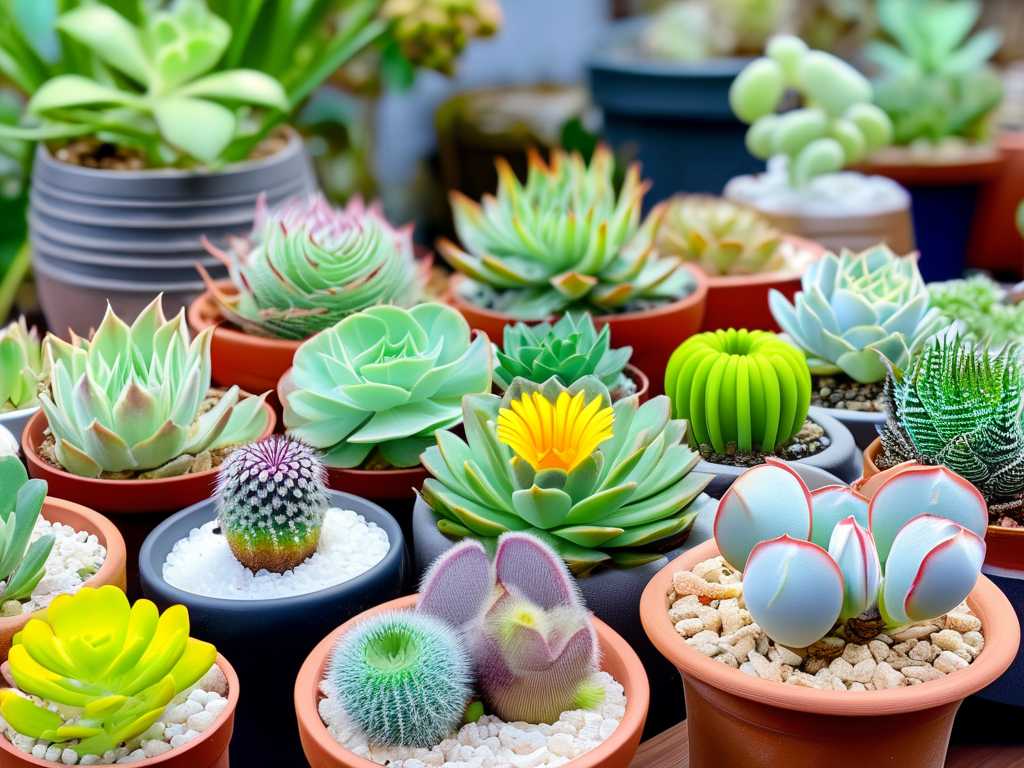
My rare succulent came with damaged leaves. Should I remove them? It depends. If a leaf is broken or has a small scar, I often leave it. The plant can still photosynthesize with it. If it is mushy, translucent, or clearly rotting, I remove it immediately with a clean pull or a sterilized tool to prevent the decay from spreading. Always prioritize the health of the stem and root system.
Bringing a rare succulent into your life is a commitment to attentive, patient care. The first two weeks set the tone. It's a period of quiet observation, strategic action, and resisting quick fixes. By following a protocol of quarantine, proper repotting, disciplined watering, and gradual light introduction, you give your botanical treasure the strongest possible foundation. The rewards—watching a shy Conophytum burst into flower or a stressed Echeveria regain its vibrant color—are worth every moment of careful vigilance. Happy collecting