bluename
 How to Care for Echeveria succulents: A Two-Week Journey from Struggle to Success
I used to think I had a black thumb when it came to Echeveria succulents. Every beautiful rosette I brought home would eventually stretch out, lose its vibrant color, or worse, turn to mush. It was frustrating. I loved their sculptural forms and the promise of easy care, but my results told a different story. Determined to crack the code, I decided to treat my next Echeveria not just as a decoration, but as a project. I committed to a strict, observation-heavy regimen for two weeks, documenting every step and its effect. What I learned transformed my approach and saved my plants.
This guide isn't just theory; it's my lived experience of how to care for Echeveria succulents properly, focusing on the foundational pillars of light, water, and soil.
My Two-Week Echeveria Rescue Protocol
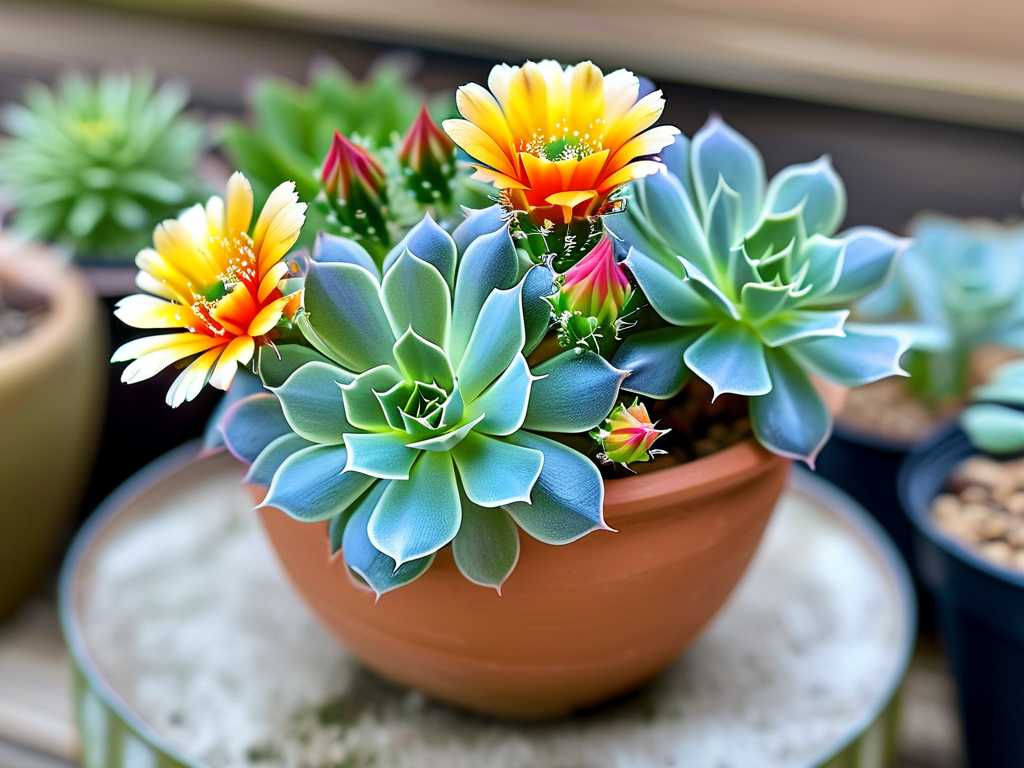
I started with a stressed Echeveria ‘Perle von Nürnberg’. Its lower leaves were slightly wrinkled, and the center was paler than I’d like—classic signs of inconsistent care. Here was my action plan.
Week 1: Assessment and Corrective Action
My first step was a brutal honesty session with my plant’s environment. I realized I was guilty of the most common Echeveria succulent care mistakes: guesswork watering and poor light.
Providing the Right Light: A Non-Negotiable
Echeverias are sun worshippers. The Royal Horticultural Society (RHS) states that most require several hours of direct sunlight daily to maintain their compact shape and rich hues. My plant was on a north-facing windowsill—a death sentence for color.
- My Step: I moved it to a south-facing window that received at least 6 hours of direct morning sun. To prevent sunburn (a real risk for an acclimated plant), I used a sheer curtain to diffuse the most intense afternoon rays.
- The 2-Week Observation: Within 3 days, I noticed the pale center starting to blush a faint purple. By day 7, the entire rosette had tightened. The stems, which had begun a subtle stretch, stopped growing taller. The difference was not dramatic but was a clear, positive trend. The plant was responding to the proper lighting for Echeveria growth.
The Perfect Watering Technique: Soak and Dry, For Real
Overwatering is the fastest killer. I used to give small, frequent sips, which encouraged weak roots. The Arizona-Sonora Desert Museum’s horticulture notes emphasize that desert succulents are adapted to infrequent, deep droughts followed by thorough soaking rains.
- My Step: I performed the “taco test” on a lower leaf. It flexed easily, indicating thirst. I then took the entire plastic nursery pot (with drainage holes) and placed it in a bowl of water for 15 minutes, allowing the soil to wick moisture from the bottom up—a method known as bottom watering. I let it drain completely before returning it to its decorative pot.
- The 2-Week Observation: The wrinkled leaves plumped up beautifully within 48 hours. This was the most immediate and satisfying result. I did not water again for the entire two weeks. By day 14, the soil was bone dry, and the leaves began to show the faintest sign of flexibility again, telling me it was nearly time for the next drink. This cycle is crucial for preventing overwatered Echeveria plants.
Week 2: Soil and Root Health Investigation
Confident that light and water were now on track, I focused on the foundation: the soil. Poor, moisture-retentive soil undermines even the best watering intentions.
Repotting for Success: The Gritty Truth
Most succulents come in peat-heavy soil that stays wet for too long. The American Horticultural Society’s succulent care guidelines recommend a fast-draining, gritty mix.
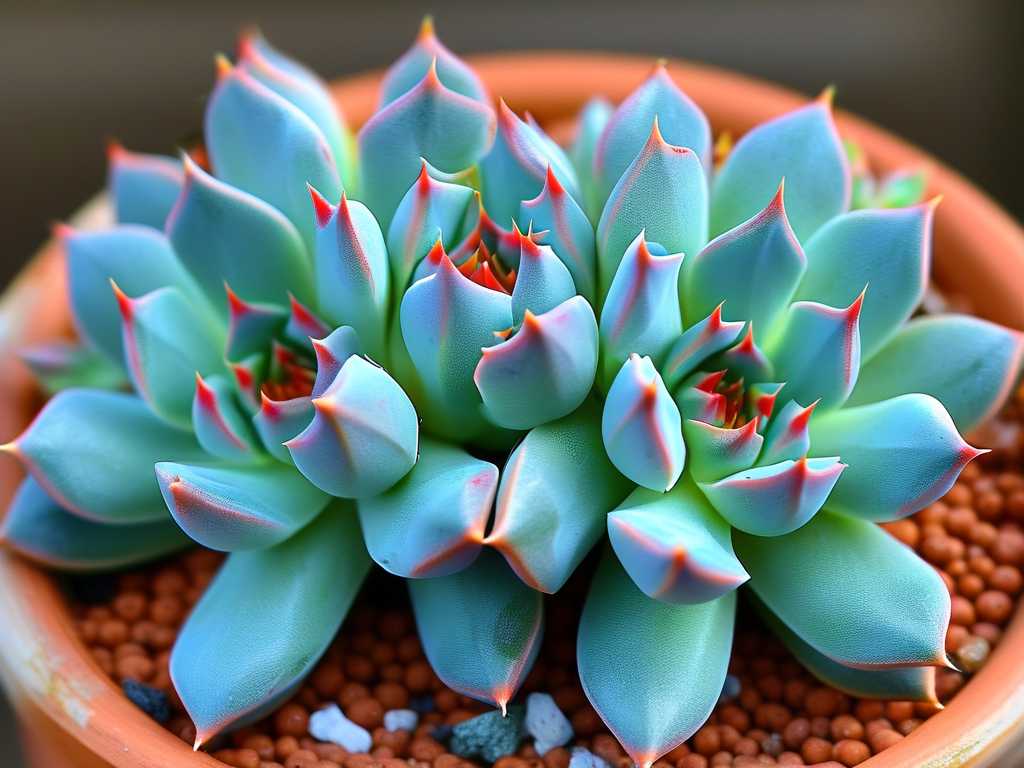
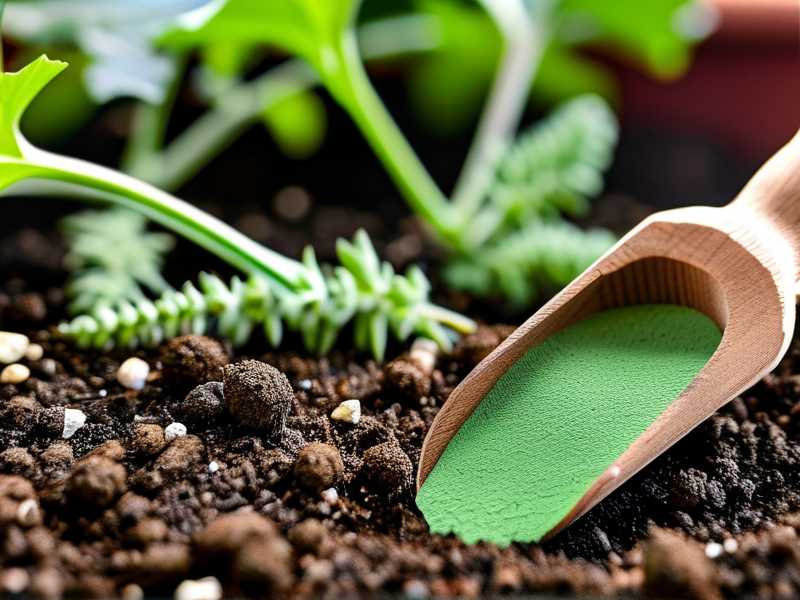
- My Step: At the start of week 2, I gently removed the plant. The roots were healthy but slightly cramped. I shook off the old soil and repotted it into a mix I made: 50% bagged succulent/cactus soil and 50% perlite and coarse sand for extra drainage. The new pot was only slightly larger than the root ball, with a large drainage hole.
- The 2-Week Observation (Post-Repot): This was the trickiest part. The plant looked a little shocked for a few days—a normal reaction. I kept it in bright, indirect light for 4 days after repotting before returning it to direct sun. I did not water it after repotting to allow any minor root damage to callous. By the end of week 2, it stood perkier, and the soil dried out uniformly in just a few days, confirming the improved drainage.
The Pitfalls I Encountered and How I Fixed Them
My journey wasn’t flawless. I hit two major snags.
- The Pitfall of Assumption: Halfway through week one, I saw a single leaf yellowing at the base. I panicked, thinking it was rot from my deep watering. I almost uprooted it.
- The Solution: I paused. I researched and learned from expert forums that a single lower leaf naturally yellowing and drying up as the plant grows is normal senescence. If multiple leaves, especially higher up, were yellow and mushy, then it’s rot. I left it alone. The leaf dried into a crisp paper-like shell and fell off. The plant was simply recycling energy. Patience was key.
- The “More is Better” Trap: After the successful repot, I was tempted to fertilize, thinking it would boost growth and color.
- The Solution: I held back. Succulents, especially in recovery, need very little fertilizer. The RHS advises a dilute, balanced fertilizer only during the active growing season (spring/summer), and only once or twice. Applying it now could have forced weak growth or burned the new roots. I noted to consider a half-strength dose in a few months, if at all.
Sustaining Your Echeveria’s Health
My two-week intensive taught me that Echeveria succulent care is about consistency, not coddling. They thrive on benign neglect within the right framework. Now, my routine is simple: I check light levels as seasons change, water only when the leaves tell me to, and ensure the soil mix stays gritty. The ‘Perle von Nürnberg’ that started this journey is now a compact, dusty-purple rosette, and it recently gifted me with a beautiful flower stalk—the ultimate sign of a happy plant.
Common Questions from Fellow Enthusiasts
How often should I really water my Echeveria? Throw away the calendar. The frequency depends on your light, humidity, and season. The only reliable method is to check for signs of thirst: look for slight wrinkling or softness on the lower, older leaves. In my sunny, dry environment, this might be every 3-4 weeks in summer and every 6-8 weeks in winter.
Why is my Echeveria stretching and losing its shape? This is called etiolation. It’s a desperate reach for more light. Your plant is telling you it needs a significantly brighter spot. Gradually introduce it to more direct sunlight to prevent sunburn and encourage a compact form again. The new growth will be tight, though the stretched stem won’t shrink back.
What are the signs of root rot, and can I save the plant? Signs include black or mushy stems, leaves that turn yellow, brown, or translucent and fall off easily, and a general soggy collapse. If caught early, you can save it. Remove the plant from its soil, cut away all dark, mushy roots and stems with a sterile knife until you see only healthy, firm tissue. Let the plant dry and callous for several days, then repot in fresh, dry gritty mix. Don’t water for at least a week to encourage new roots.
The joy of keeping Echeverias comes from understanding their language—the slight blush of stress colors, the firmness of a hydrated leaf, the tight spiral of a contented rosette. By mastering the basics of intense light, infrequent but deep watering, and gritty soil, you provide the foundation they need to not just survive, but to thrive and reveal their stunning beauty. It’s a rewarding partnership with nature, one careful observation at a time.