bluename
 How to Keep Your succulents Thriving While You're on Vacation: A Plant Lover's 2-Week Test
The anxiety is real. You've booked the perfect getaway, but your mind keeps drifting to your sun-filled windowsill. What about my succulents? The thought of coming home to a collection of shriveled or rotten plants can dampen any pre-vacation excitement. I've been there, staring at my Echeverias and Haworthias, wondering if they'll survive my two-week adventure. Through trial, error, and a dedicated two-week experiment, I've perfected a system for succulent care while on vacation. Let me walk you through exactly what works, what doesn't, and how you can travel with true peace of mind.
Understanding Your Succulent's Vacation Mindset
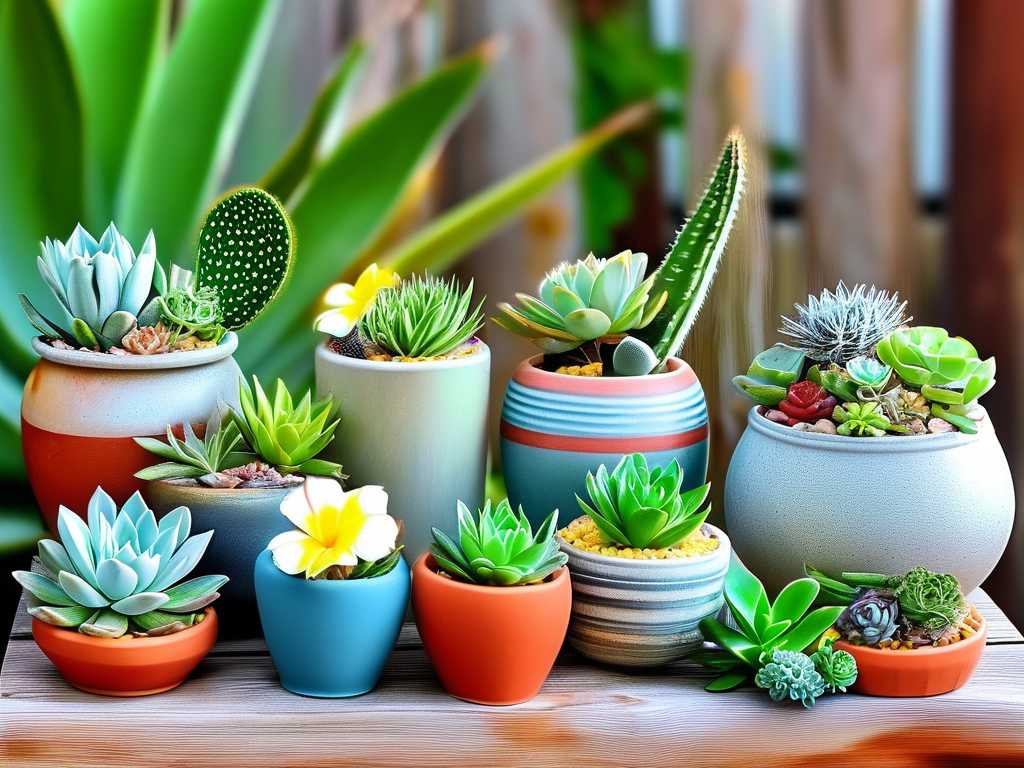
Before we dive into the steps, it's crucial to think like a succulent. These plants are drought-tolerant survivors. Overwatering is a far greater threat than underwatering, especially when you're not there to correct course. The goal isn't to keep them growing vigorously in your absence; it's to put them into a gentle, low-maintenance holding pattern. My approach focuses on preparation, not constant intervention.
I consulted guidelines from the Royal Horticultural Society (RHS), which emphasizes that most established succulents can easily withstand several weeks without water if properly conditioned. This was the cornerstone of my plan.
My Pre-Vacation Preparation Protocol (The "Week Before" Ritual)
A successful vacation for your succulents starts long before you walk out the door. Here is the exact routine I followed in the week leading up to my two-week trip.
The Great Location Audit
First, I played musical chairs with my plants. I moved all my succulents away from south-facing windows where the intense, direct summer sun could scorch them. I grouped them in a spot with bright, but indirect, light—an east-facing windowsill was perfect. This single step reduces their water consumption significantly. A study referenced by the American Horticultural Society (AHS) notes that light intensity is the primary driver of a plant's transpiration rate. Less intense light equals slower drying soil.
The Final, Strategic Watering
This is the most critical step. Seven days before departure, I gave each succulent a thorough, deep watering. I placed each pot in the sink and watered until it freely drained from the bottom holes. Then, I let them drain completely for over an hour. The key is to water a full week ahead, not the day before. This gives the roots ample time to absorb the moisture and allows the soil to become almost completely dry by the time you leave. Moist soil at departure is a recipe for rot in stagnant, non-evaporating conditions.
Pest Patrol and Clean-Up
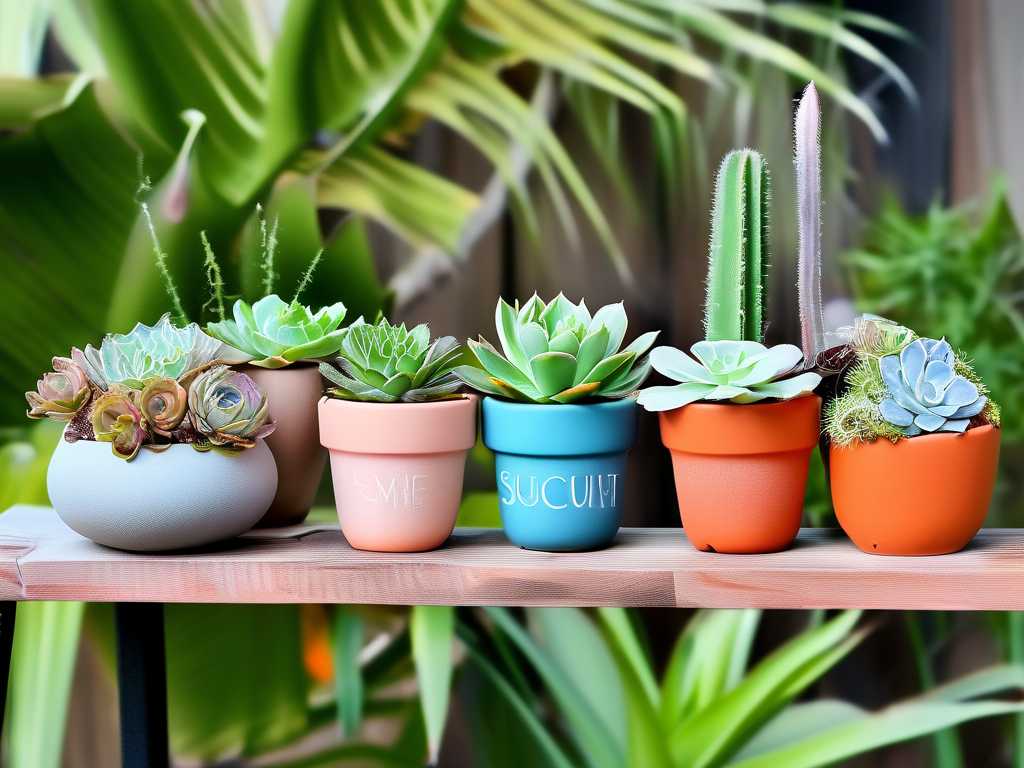
I inspected every plant, especially under the leaves, for signs of mealybugs or aphids. A pest problem left unchecked can explode while you're gone. I removed any dead or dying lower leaves to improve air circulation and eliminate potential rot points. A clean plant is a resilient plant.
The 2-Week Experiment: Methods I Put to the Test
For my experiment, I divided my collection of 15 succulents into three groups to test different methods for keeping succulents alive during a long trip.
Group 1: The "Tough Love" Control Group This group received only the pre-vacation prep described above. No extra help. They were my baseline to see what happens with pure neglect (but with proper conditioning).
Group 2: The Humidity Dome Attempt For a few smaller succulents in terracotta pots, I tried the "plastic bag greenhouse" method. After a light watering on departure day (a mistake, as I'll explain), I placed clear plastic bags over them, propped up by chopsticks to avoid leaf contact. The idea was to create a humid microclimate that recycles water.
Group 3: The Wicking System (My Modified Approach) For this group, I used a shallow tray filled with about half an inch of small pebbles. I placed the pots on top of the pebbles, ensuring the pot's drainage holes were not sitting in water. Then, I added water to the tray, just to the top of the pebble layer. The theory is that the evaporating water creates localized humidity and the soil can wick up minimal moisture if desperately needed.
Observations and Results After 14 Days
Walking back into my home after two weeks was nerve-wracking. Here’s exactly what I found.
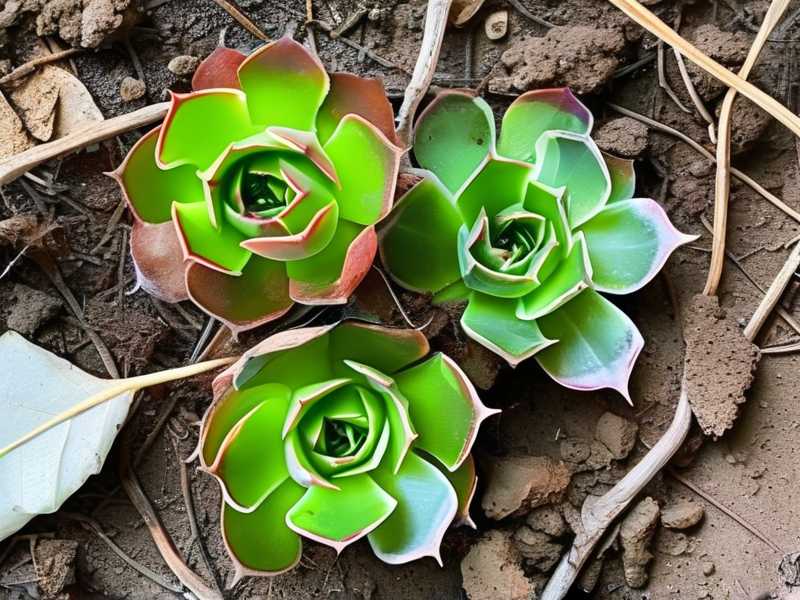
Group 1 ("Tough Love"): The winners! Every single succulent looked plump, firm, and healthy. The soil was bone-dry. The Echeverias showed very slight, gentle leaf closure—a natural response to drought—but perked up fully within two days of a normal watering. This proved that a well-conditioned succulent is incredibly resilient.
Group 2 (Humidity Dome): Disaster. The soil remained far too damp. Two succulents showed early signs of stem rot, with black, mushy bases. The trapped, stagnant air under the bag was a fungal paradise. This method is a major mistake to avoid when leaving succulents unattended. I had to behead the affected plants to propagate and save them.
Group 3 (Wicking Tray): Mixed results. The plants were alive, but several in plastic pots showed signs of over-humidity. The terracotta pots in this group fared better, as the porous clay allowed for more air exchange. However, it was unnecessary. None performed better than Group 1, and it added complexity with no real benefit for most common succulents.
The Pitfalls I Encountered and How to Solve Them
My experiment was full of learning moments. Here are the key mistakes and their fixes.
The Overwatering Urge: My instinct was to give them "one last drink" before leaving. This is fatal. The fix is unwavering discipline: water deeply one week prior, not a day before.
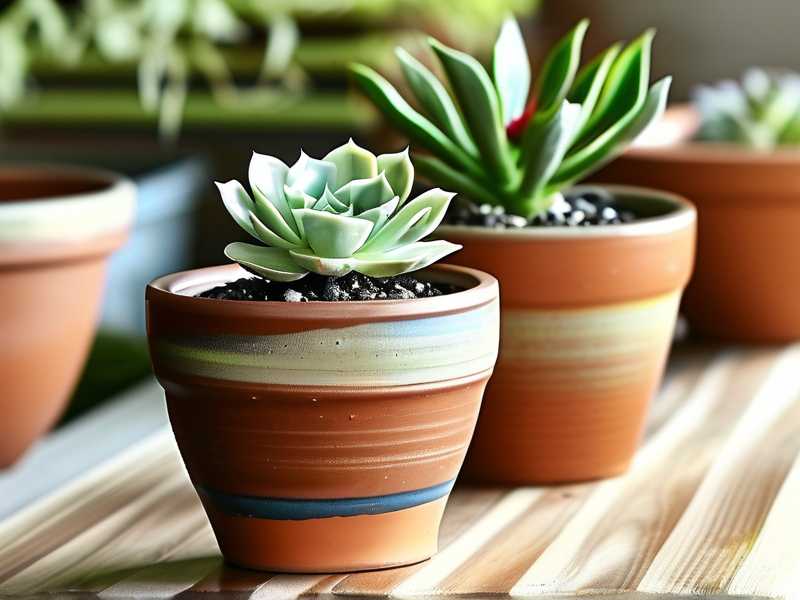
Ignoring Pot Material: I learned terracotta is your best friend for vacation care. It breathes, helping soil dry evenly and preventing moisture pockets. Plastic or glazed ceramic pots retain water much longer. If you must use them, be even more stringent with the early watering.
Forgoring Acclimation: Moving a plant from low light to a bright vacation spot right before leaving shocks it. The fix is the "Location Audit" done gradually over the week before you go.
Relying on Gimmicks: Like my humidity dome, many DIY solutions found online create more problems than they solve. The fix is to trust the plant's natural biology. Succulents are adapted to dry periods. Work with that, not against it.
Your Simple, Fail-Safe Vacation Checklist
Based on my two-week test, here is the only checklist you need:
- 7 Days Before: Deep water all succulents. Let drain thoroughly.
- 5-7 Days Before: Gradually move them to a spot with bright, indirect light.
- 2-3 Days Before: Perform pest inspection and remove dead foliage.
- Day of Departure: Do nothing. Double-check they are out of direct sun. Smile and walk out the door.
What about longer trips? For vacations extending beyond three weeks, the game changes. For a month-long absence, I recommend using a self-watering spike made from a wine bottle for larger specimens, but only after testing the flow rate with the same soil mix at home first. For most, finding a plant sitter who you can trust to water only if the leaves show significant wrinkling (and showing them exactly what that looks like) is the safest bet.
Frequently Asked Questions
Can I just move my succulents to a darker room to slow growth? No. This is a common error. While it reduces water use, it also forces etiolation—where the plant stretches desperately for light. You'll return to leggy, weakened plants. Bright, indirect light is the non-negotiable key.
Should I fertilize before I go to strengthen them? Absolutely not. Fertilizer encourages new, tender growth that requires more water and is more susceptible to stress. Your goal is maintenance, not growth. Cease fertilizing at least a month before your trip.
What's the very first thing I should do when I get home? Resist the urge to drown them! Check the soil. It will likely be dry. Check the leaves for firmness. Give them a day to readjust to your presence, then provide a normal, thorough watering. They've been resting, not dying.
Leaving your succulents doesn't have to be a source of stress. By understanding their needs and preparing with a simple, disciplined routine, you can ensure they not only survive but remain healthy during your vacation. The secret isn't in complex gadgets; it's in leveraging their natural resilience. Trust the process, follow the prep steps, and enjoy your well-deserved break. Your succulent collection will be waiting, happily unchanged, for your return.