bluename
 Common Pests on succulents: Mealybugs – My Battle-Tested Guide to Eradication
There’s a special kind of dread that washes over a plant lover when you spot that first fluffy, white speck on your favorite succulent. It’s not dust. It’s a mealybug. As someone who has nurtured a collection of succulents for years, I’ve learned that common pests on succulents like mealybugs are an inevitable challenge. They sneak in, hide in the tightest crevices, and if left unchecked, can weaken and disfigure your plants. This isn't just theory; it's from the front lines of my own sunroom. In this guide, I’ll walk you through my real, hands-on experience—from the first sighting to declaring victory two weeks later, including every misstep and solution I discovered along the way.
Understanding Your Enemy: What Are Mealybugs?
Before you can fight them, you need to know them. Mealybugs are small, soft-bodied insects that protect themselves with a white, powdery, wax-like coating. They suck sap directly from your plant’s tissues, stealing nutrients and injecting toxins. The Royal Horticultural Society (RHS) notes that they favor warm, dry conditions and sheltered spots, which makes the tight rosettes of succulents like Echeveria and Haworthia a perfect home.
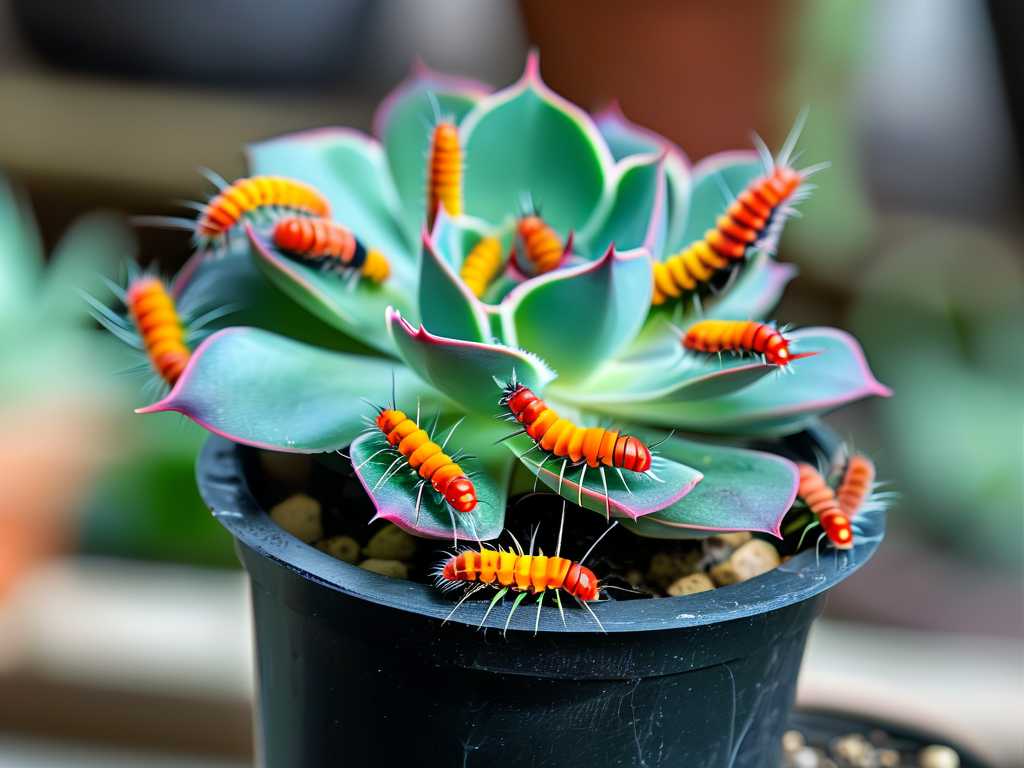
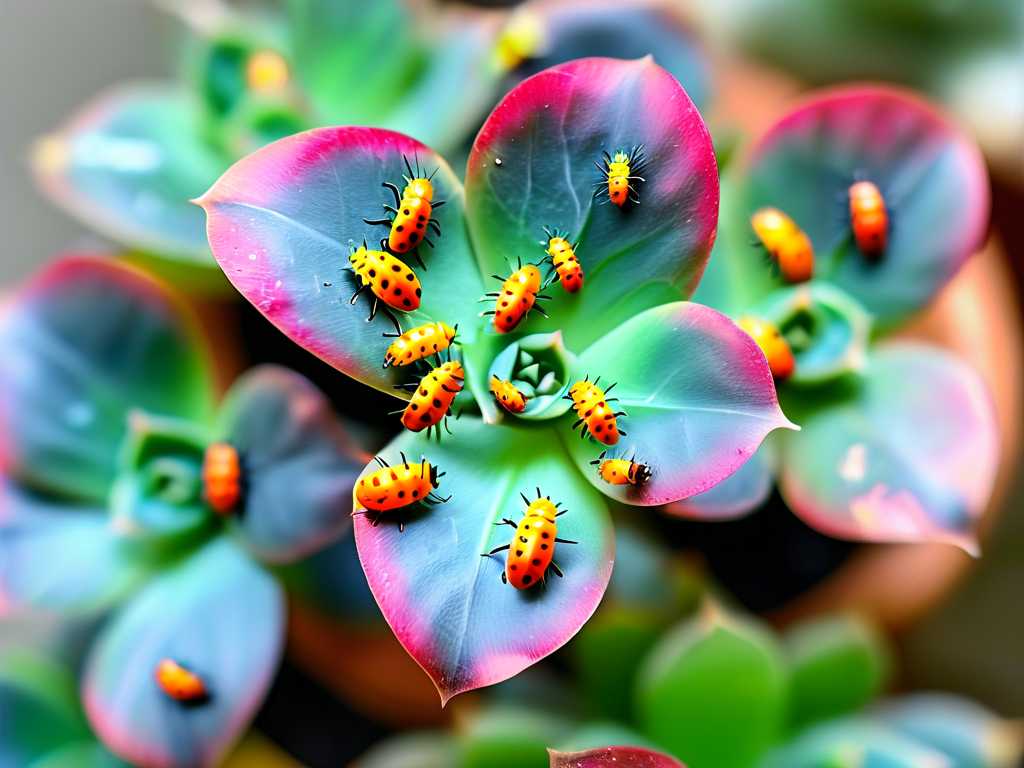
The damage starts subtly: yellowing leaves, stunted growth, and that tell-tale sticky “honeydew” they excrete, which can lead to sooty mold. I first noticed a single, cottony mass on the underside of a leaf. I made the classic beginner’s mistake: I picked it off and hoped for the best. A week later, they were back with friends.
My Two-Week Treatment Protocol: A Step-by-Step Log
I decided to tackle the infestation head-on with a combination of physical, organic, and (as a last resort) chemical methods. Consistency is key, so I committed to a strict, 14-day protocol.
Week 1: The Initial Assault
Day 1: Isolation and Inspection My first action was immediate quarantine. I moved the infected plant away from all others to prevent the mealybugs on succulents from spreading. Under a bright light, I inspected every inch—leaf axils, undersides, even the base of the stem at the soil line. I used a magnifying glass; what looks like a few bugs is often a colony.
Day 1: Physical Removal Armed with cotton swabs and a bottle of 70% isopropyl alcohol, I began. I dipped each swab in alcohol and dabbed it directly onto every white spot I saw. The alcohol dissolves their waxy coating, effectively killing them on contact. I heard a faint sizzle—a grimly satisfying sound. For larger clusters, I used a soft toothbrush lightly dampened with alcohol to dislodge them. After this, I rinsed the entire plant with a gentle stream of lukewarm water to wash away residues and any hidden bugs.
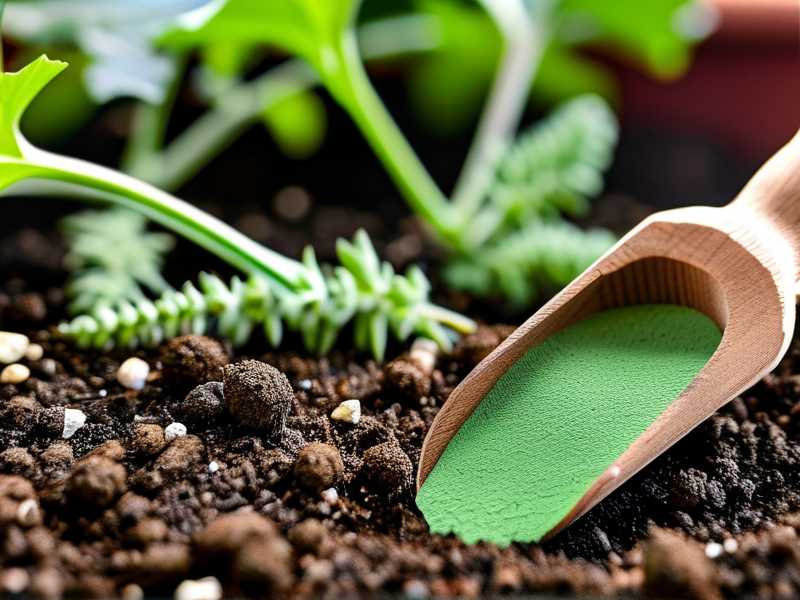
The First Mistake and Fix: Here’s where I stumbled. I didn’t check the soil. Days later, I saw tiny, pale bugs crawling on the surface. Soil mealybugs! The American Horticultural Society (AHS) advises that mealybugs can infest roots. My solution? For the next treatment, I drenched the soil with a solution of 1 part 3% hydrogen peroxide to 4 parts water. This aerates the soil and kills pests without harsh chemicals. It was a game-changer.
Day 3: The Follow-Up Infestations are never gone in one go. On Day 3, I repeated the alcohol swab treatment, finding a few new bugs hiding in a scar on the stem I’d missed. I also prepared my first natural remedy for succulent mealybugs: insecticidal soap. I mixed a mild solution according to the label and sprayed every surface of the plant until it dripped, ensuring it reached all the hiding places.
Day 5: Introducing a Systemic Seeing a few persistent bugs, I opted for a systemic insecticide containing imidacloprid. This is a serious step, but for a prized, heavily-infested plant, it can be necessary. The plant absorbs it, making its sap toxic to sucking insects. I applied it to the soil as a drench, wearing gloves and following the instructions to the letter. This was my “nuclear option” for this particular plant.
Week 2: Vigilance and Victory
Day 7 & 10: Monitoring and Maintenance No new bugs! But I didn’t let my guard down. I continued to inspect daily. On Day 10, I gave the plant another thorough spray with the insecticidal soap as a preventative measure. The plant was showing signs of recovery—new, clean growth at the center.
Day 14: The Final Check Two weeks after the initial discovery, I conducted a forensic-level inspection. No white fluff, no sticky residue, no crawlers. The plant was officially moved out of quarantine and back to its spot, though I kept it slightly apart for another week of observation. The leaves had firmed up, and the overall color was improving.
Key Lessons from the Trenches: What I Learned
- Isolation is Non-Negotiable: The minute you see a bug, isolate. It’s the single most important step to save the rest of your collection.
- Alcohol is Your Best Friend (and Worst Enemy if Misused): 70% isopropyl alcohol is incredibly effective for spot treatment. However, my second mistake was using it in direct, strong sunlight, which scorched a leaf. Always treat plants in the shade or evening.
- Treat the Soil, Not Just the Plant: My oversight with soil mealybugs taught me to always consider the root zone. The hydrogen peroxide drench is now a standard part of my initial response.
- Persistence Pays Off: One treatment never works. A cycle of treatment every 3-5 days for at least two weeks is crucial to break their life cycle.
Preventing Future Mealybug Invasions
An ounce of prevention is worth a pound of cure. Now, I inspect all new plants in a separate “quarantine zone” for two weeks before introducing them to my main collection. I avoid over-fertilizing, as the lush growth attracts pests. Good air circulation around my succulents is also a priority, as stagnant air favors infestation.
How do I know if my succulent has mealybugs or something else? Look for the distinctive white, cottony wax. They move slowly and cluster in sheltered spots. Other pests like scale are harder and flatter, while spider mites leave fine webbing.
Can neem oil get rid of mealybugs on succulents? Yes, neem oil is an effective organic mealybug control method. It acts as both a repellent and a pest disruptor. However, test it on a small area first, as some succulents (especially those with farina, the powdery coating) can be damaged by oil-based sprays. Apply in the evening to prevent sunburn.
My succulent is clear of bugs but looks wilted. What now? The damage from feeding can stress the plant. Ensure it has optimal care: bright, indirect light, and water only when the soil is completely dry. Hold off on fertilizer for a month to let it recover. Patience is key; succulents are resilient and will often push out new, healthy growth in time.
Winning the war against mealybugs requires a blend of immediate action, meticulous follow-through, and a commitment to prevention. It’s a common journey for anyone who loves succulents. By staying observant, acting quickly with the right tools, and learning from each encounter, you can protect your collection and enjoy your beautiful, pest-free plants for years to come.