bluename
 Why Are My Succulent Leaves Shriveled? A Plant Lover's 2-Week Rescue Diary
There's a particular sinking feeling that every succulent enthusiast knows. You glance at your favorite Echeveria or plump little Haworthia, and instead of firm, juicy leaves, you're met with a sad display of wrinkly, shriveled foliage. It's a heart-sinking sight. Is it thirsty? Is it dying? I've been there, staring at a once-perfect succulent, wondering exactly why succulent leaves are shriveled. Through years of trial, error, and careful observation, I've learned that those wrinkles are your plant's language. Over the past two weeks, I deliberately worked through this common issue with a test plant to document the real steps, results, and pitfalls.
The key is that shriveled leaves are a symptom, not a diagnosis. They can signal either underwatering or overwatering—two opposite problems with a surprisingly similar visual cue. My mission was to decode which one it was and nurse the plant back to health, tracking every change along the way.
Decoding the Wrinkle: Thirst vs. Root Rot
Before you reach for the watering can, you must play plant detective. A shriveled succulent from lack of water typically shows wrinkles on the lower, older leaves first. The leaves may feel thin, papery, and flexible, and the stem might look slightly woody but firm. The plant is using its internal water reserves, sacrificing older growth to protect its core.
In contrast, a succulent suffering from overwatering and potential root rot often shows shriveling that can appear more sudden or affect leaves in a less predictable pattern. The crucial difference is the feel: these leaves are often mushy, soft, and may turn yellow or translucent before shriveling. The stem near the soil might feel soft or blackened. The Royal Horticultural Society (RHS) emphasizes that "succulents are far more likely to die from overwatering than underwatering," as saturated soil suffocates roots, preventing them from absorbing water at all, which ironically leads to aerial shriveling.
For my experiment, I chose a Graptopetalum paraguayense (Ghost Plant) that had developed widespread lower leaf shriveling. The leaves were dry and papery, not mushy, and the stem was firm. My diagnosis: chronic underwatering. It had been placed in a spot with intense, direct light, and its soil was a too-fast-draining gritty mix I'd overdone.
My Two-Week Rescue Protocol: Step-by-Step Revival
I committed to a structured 14-day plan to rehydrate this plant without shocking it. The goal was gradual recovery, not a flood.
Week 1: The Deep Soak Method & Initial Observation
Day 1: I prepared for bottom watering. I placed the parched succulent's nursery pot into a shallow bowl filled with about 1.5 inches of room-temperature water. I let it sit for 30 minutes, allowing the bone-dry soil to wick moisture upward from the bottom. This method, recommended by many experts including those at the American Horticultural Society (AHS), encourages roots to grow downward and ensures even saturation without disturbing the soil surface.
Day 2-3: I removed the pot from the water, let it drain completely in the sink for 10 minutes, and returned it to its bright location. No visible change yet. The leaves remained shriveled. This is normal; the plant is hydrating its roots and stem first.
Day 4: The very innermost, newest leaves at the crown felt slightly firmer to the touch. A promising sign! The older, outer leaves were still wrinkled.
Day 7: A clear change was evident. The middle-tier leaves had plumped up noticeably, losing about 50% of their wrinkles. The oldest, bottom-most leaves remained fully shriveled. This confirmed my diagnosis—the plant was prioritizing water to its vital growth points.
The Pitfall I Encountered (And How I Fixed It): On Day 5, I noticed a single lower leaf had turned mushy and yellow. I panicked—was this root rot starting? Upon inspection, I realized it was just one leaf that had been damaged during handling and was now rotting from that injury in the newly moist environment. Solution: I immediately used sterilized tweezers to gently twist and remove this single compromised leaf. This prevented any potential fungal spread and kept the plant's energy focused on healthy tissue. It was a critical lesson in monitoring closely and not mistaking isolated damage for a systemic problem.
Week 2: Stabilization and Assessing Long-Term Health
Day 8-10: The plant's recovery accelerated. Most leaves, except the sacrificial oldest ones, were now turgid and smooth. The plant's color even seemed brighter. I resisted the urge to water again. The soil was still slightly damp at the bottom of the pot when I checked with a moisture meter.
Day 11: The soil was completely dry. I performed a second, shorter bottom-watering session (15 minutes).
Day 14: My Ghost Plant was fully recovered. It stood plump, with a tight rosette form. The few remaining fully shriveled leaves at the base were dry and crispy. I gently brushed them away; they detached easily, a natural part of the process. The plant had successfully redirected its resources.
Beyond Watering: Other Culprits for Shriveled Leaves
While my test case was straightforward underwatering, my past experience has taught me to check these other factors if the watering fix doesn't work:
Root Bound Issues: A succulent crammed into a tiny pot can have a root ball so dense it repels water. Even if you soak it, the water runs down the sides without being absorbed. The leaves stay shriveled. My fix: I gently removed the plant, loosened the tight root mass, and repotted it into a container only 1-2 inches larger with fresh, well-draining soil.
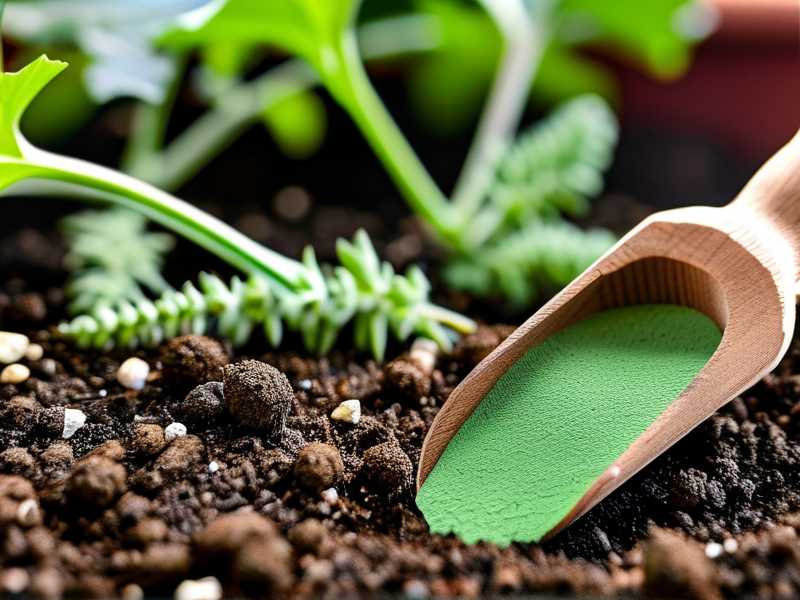
Poor Soil Composition: Using standard potting soil that retains too much moisture can cause root issues. Conversely, an overly sandy, non-absorbent mix (like my initial mistake) won't hold any water for roots to access. My fix: I now swear by a specific mix: 2 parts potting soil, 1 part coarse perlite, and 1 part poultry grit. This provides structure, drainage, and just enough moisture retention.
Temperature or Sun Stress: Extreme, sudden heat or cold can cause rapid moisture loss or root damage, leading to shriveling. A succulent moved abruptly to a blazing hot patio can wilt and shrivel in days. My fix: Always acclimate plants to new light conditions over 1-2 weeks. Provide light shade during heatwaves.
Frequently Asked Questions
Can shriveled leaves ever become plump again? Yes, if the shriveling is due to underwatering and the leaf cells are not dead, they can rehydrate and plump up, as my experiment showed. However, leaves that are completely crispy, brown, or mushy and translucent are beyond recovery and should be removed.
How often should I water to prevent shriveled leaves? There is no universal schedule. The best method is the "soak and dry" approach. Water deeply only when the soil is completely dry, and always ensure excess water drains away. In winter, this might mean watering once a month or less.
My succulent's stem is also shriveled and wrinkly. What does this mean? A shriveled stem is a more serious sign, often indicating advanced dehydration or stem rot. Check the roots immediately. If the roots are healthy (white or light tan and firm), the plant can recover with careful watering. If the roots are mushy and dark, you may need to behead the plant above the shriveled part and re-root the healthy top.
Watching a succulent's leaves shrivel is a call to action, not a death sentence. It's a clear message from your plant asking for a change in its care. By learning to read the specific type of shrivel—dry and papery versus mushy and discolored—you can accurately diagnose the problem. My two-week journey with the Ghost Plant proved that with a patient, observant, and correct watering technique, a shriveled succulent can make a full and vigorous comeback. Remember, these resilient plants are built for drought; our job is to provide the right drink at the right time. Listen to what the wrinkles are telling you, and you'll have a thriving collection for years to come.