bluename
 succulent care for Apartment Dwellers: My 2-Week Urban Jungle Experiment
Living in an apartment, I craved greenery. But with limited light and space, my dreams of a lush indoor garden seemed doomed. That’s when I turned my focus to succulent care for apartment dwellers. These hardy plants promised beauty without the high-maintenance drama. I decided to run a real-life experiment: transforming my dim, north-facing studio into a succulent sanctuary. Here’s my hands-on journey, complete with steps, a two-week progress report, and all the messy lessons I learned the hard way.
My Apartment’s Reality Check: Light and Space Audit
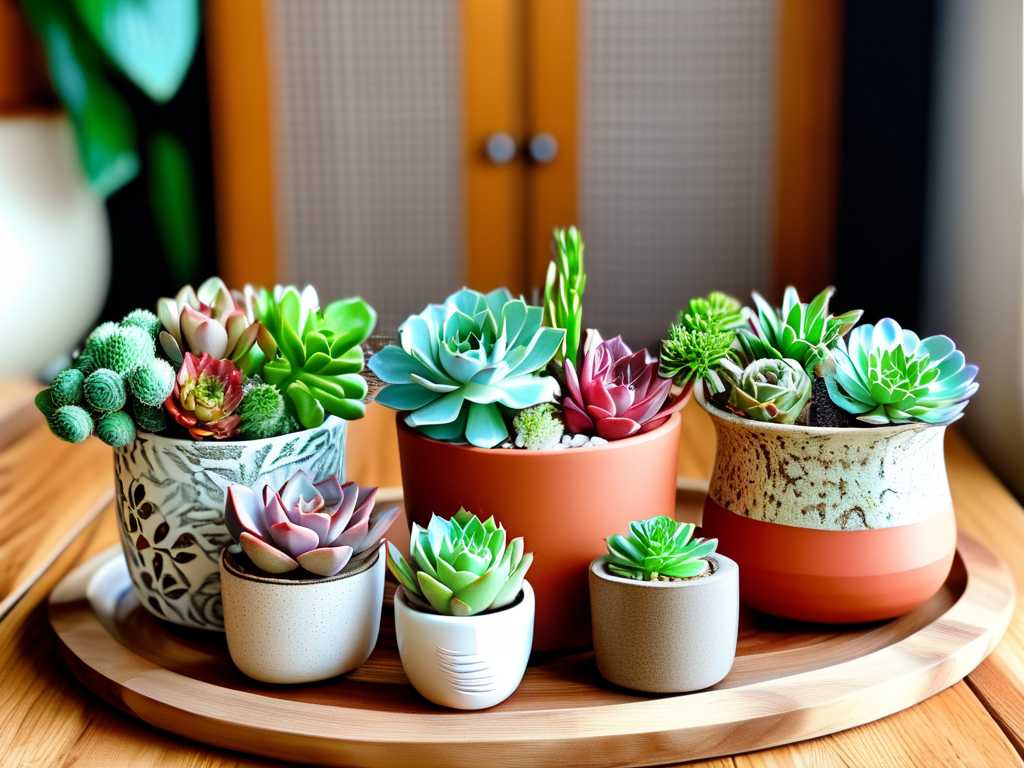
Before buying a single plant, I assessed my battlefield. My main window offers gentle, indirect north light—far from the desert sun succulents supposedly love. Space is premium; every surface counts. I knew generic advice wouldn’t cut it. I needed a tailored strategy for low-light succulent varieties that could thrive in my conditions.
I visited a local nursery and explained my situation. The expert there, echoing guidelines from the Royal Horticultural Society (RHS), steered me away from sun-gobbling Echeverias and toward more tolerant species. I left with three test subjects: a sturdy Snake Plant (Sansevieria trifasciata), a forgiving Zebra Haworthia (Haworthiopsis attenuata), and a petite Gollum Jade (Crassula ovata ‘Gollum’). My goal was apartment succulent survival, not just short-term decoration.
Week 1: The Foundation – Potting, Placement, and First Watering
My first step was critical: proper potting. I’d read horror stories of root rot, so I was meticulous.
My Step-by-Step Setup:
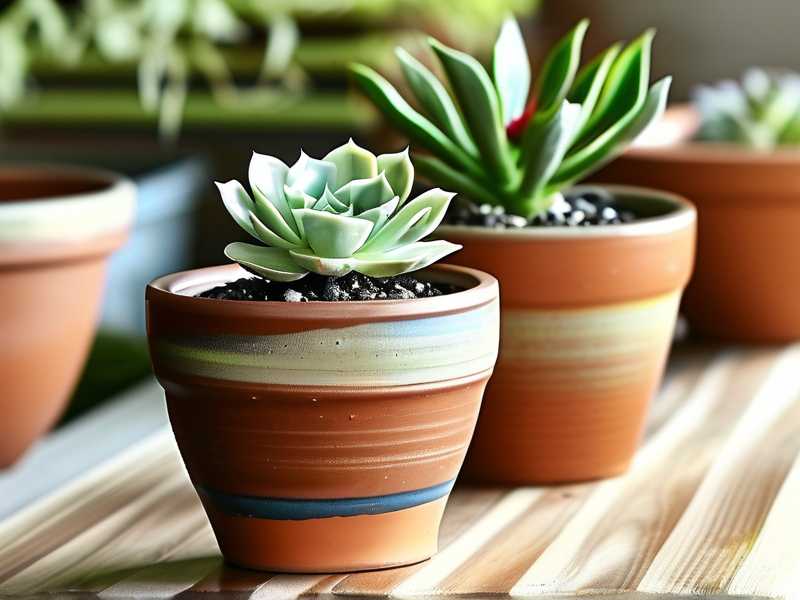
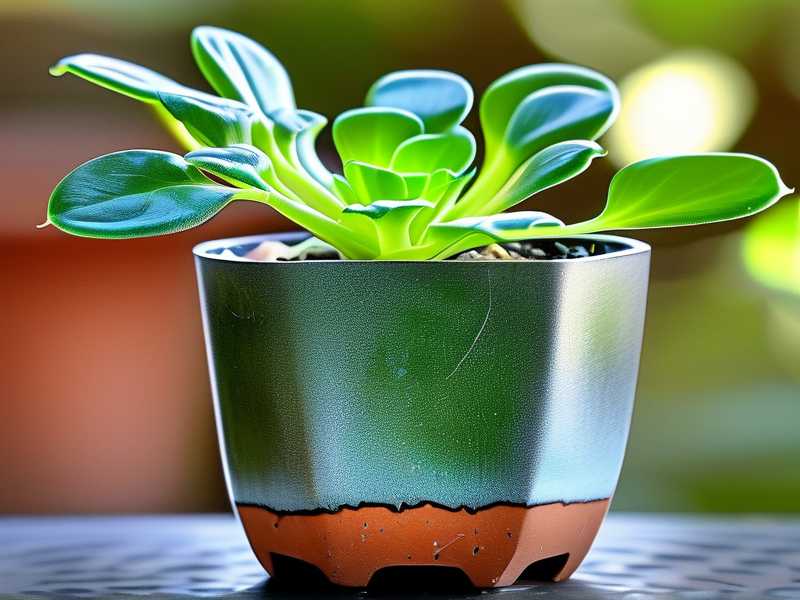
- Pot Selection: I chose terracotta pots with large drainage holes. Their porous nature helps soil dry evenly, a key tip I picked up from the American Horticultural Society (AHA).
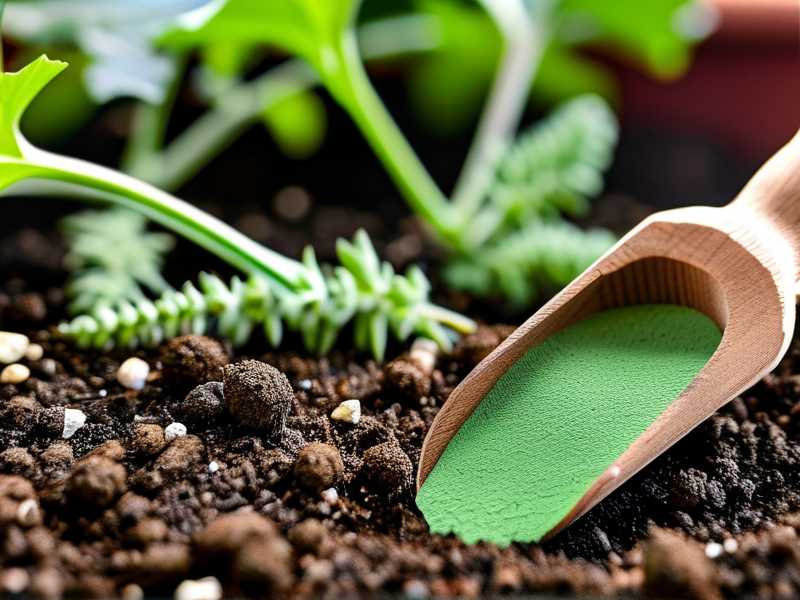
- Soil Science: I bypassed regular potting soil. Instead, I mixed a specialized cactus/succulent mix (50%) with perlite (50%) for extreme drainage. This creates the gritty, fast-drying environment succulent roots crave.
- The Planting: I gently loosened the nursery soil, placed each plant in its new pot, and backfilled with my mix. I left a small gap at the top for watering.
- Strategic Placement: I positioned the Snake Plant and Jade on my deepest windowsill. The Haworthia, which prefers even less direct light, went on a shelf about two feet back from the same window. No plant was placed in a dark corner.
Initial Watering Protocol: I resisted the urge to water immediately. After letting the plants settle for three days, I gave them a thorough soak. I used the “soak and dry” method: pouring water evenly until it freely ran out the drainage holes into a saucer, which I promptly emptied. This encourages deep root growth.
The First Week’s Observations: All plants looked stable. The soil dried out completely within 5-6 days, confirming my mix was well-draining. No signs of distress.
The Pitfall I Hit (And How I Fixed It): Around day 4, I noticed my Gollum Jade’s leaves felt slightly soft. Panic set in—was it underwatering? Overwatering? I stuck a dry chopstick deep into the soil; it came out clean and dry. Following expert advice, I realized this was likely transplant shock and normal adjustment. I held firm and did not water again. By day 7, the leaves had firmed up. The lesson: Succulents communicate through their leaves. Soft, mushy leaves often mean too much water; wrinkled, thin leaves mean thirst. Learning this body language is crucial for caring for succulents indoors.
Week 2: Observation, Adjustment, and a Scare
Entering the second week, my routine shifted from action to acute observation.
My Monitoring Routine:
- Light Check: I tracked the light patterns. The direct sun never truly hit my sill, but the bright, indirect light lasted for about 4 hours in the morning. The Haworthia on the shelf still received bright, filtered light.
- The Finger Test: Before even thinking about water, I checked the soil. My rule: only water when the soil was bone-dry an inch below the surface.
- Physical Inspection: I looked for color changes, firmness, and new growth. The Snake Plant stood rigid and proud. The Haworthia showed no stretching. The Jade’s leaves were plump and green.
The Two-Week Results:
- Snake Plant: Unfazed. It showed zero signs of stress, validating its reputation as the ultimate apartment-friendly succulent.
- Zebra Haworthia: Thriving. Its deep green color was rich, and I could swear a tiny new leaf was forming at its center.
- Gollum Jade: Stable and recovering. The initial softness was gone, and it held its quirky shape perfectly.
The Second Pitfall: The Lure of "Helping" My biggest mistake came from a place of love. On day 10, I thought, "A little plant food might give them a boost!" I diluted a generic liquid fertilizer to half-strength and added it to their water. Within two days, my Haworthia’s leaf tips showed a faint brown tinge. I had fertilized a plant that was still acclimating and didn’t need it—a classic case of over-care.
The Solution: I immediately flushed the soil with plain water to dilute any residual fertilizer salts. I vowed not to fertilize again for at least 3-4 months, and only during the active growing season (spring/summer). The RHS confirms that succulents in low light need very little fertilizer; excess can burn roots and alter growth. The fix was simple: plain water and patience. The browning stopped progressing.
Key Takeaways for Your Apartment Oasis
My two-week experiment taught me more than any generic guide. Succulent care for apartment dwellers isn’t about replicating a desert; it’s about mastering the art of neglect within a framework of smart choices.
- Light is King, But Not All Light is Equal: Match the plant to your available light. Low-light champions like Snake Plants and Haworthias are your best allies.
- Watering is a Reaction, Not a Routine: Ditch the calendar. Water only when the soil is completely dry, and then water deeply. This prevents the #1 killer: root rot.
- The Right Setup Prevents 90% of Problems: Terracotta pots + gritty, well-draining soil = a safety net for your watering habits.
- Listen to Your Plants: They show you what they need. Stretching? Needs more light. Mushy leaves? Too much water. Wrinkled? Time for a drink.
Frequently Asked Questions
Can I really grow succulents in a windowless room? It’s extremely challenging. While Snake Plants can survive in very low light, all succulents need some bright, indirect light to truly thrive and maintain their shape. For truly dark spaces, consider a small, affordable grow light. I’ve since added a compact LED bulb above my shelf for 6 hours a day, and my Haworthia is pushing out remarkable growth.
How often should I water my apartment succulents? I can’t give you a schedule. In my cool, low-light apartment, my watering cycle ended up being every 12-14 days in those first two weeks. In a hotter, sunnier apartment, it might be weekly. Always, always check the soil first.
My succulent is getting tall and leggy. What did I do wrong? This is called etiolation—it’s stretching desperately for more light. It’s the most common issue in indoor succulent gardening. The solution is to gradually move it to a brighter location (but not direct, scorching sun to avoid burn) and consider propagating the top to start a new, compact plant. Prevention, by choosing the right plant for your light from the start, is easier than the cure.
Embracing succulent care in an apartment is a rewarding practice in mindful living. It’s about working with your space, not against it. Start with the right plants, master the soak-and-dry method, and learn from their quiet cues. Your urban jungle awaits.