bluename
How to Water succulents in Hot Outdoor Shaded Areas: My 2-Week Survival Guide
I used to think watering succulents was the easiest part of plant care. Then I moved my collection to a hot, shaded patio. The combination of intense summer heat and dappled light created a watering puzzle that nearly cost me a few prized plants. Figuring out how to water succulents in hot outdoor shaded areas became my mission. It’s a unique challenge that defies the standard “soak and dry” rule. Over two weeks of careful experimentation, I developed a system that works. Here’s my hands-on journey, complete with steps, results, and the mistakes I made along the way.
Understanding the Hot Shade Paradox
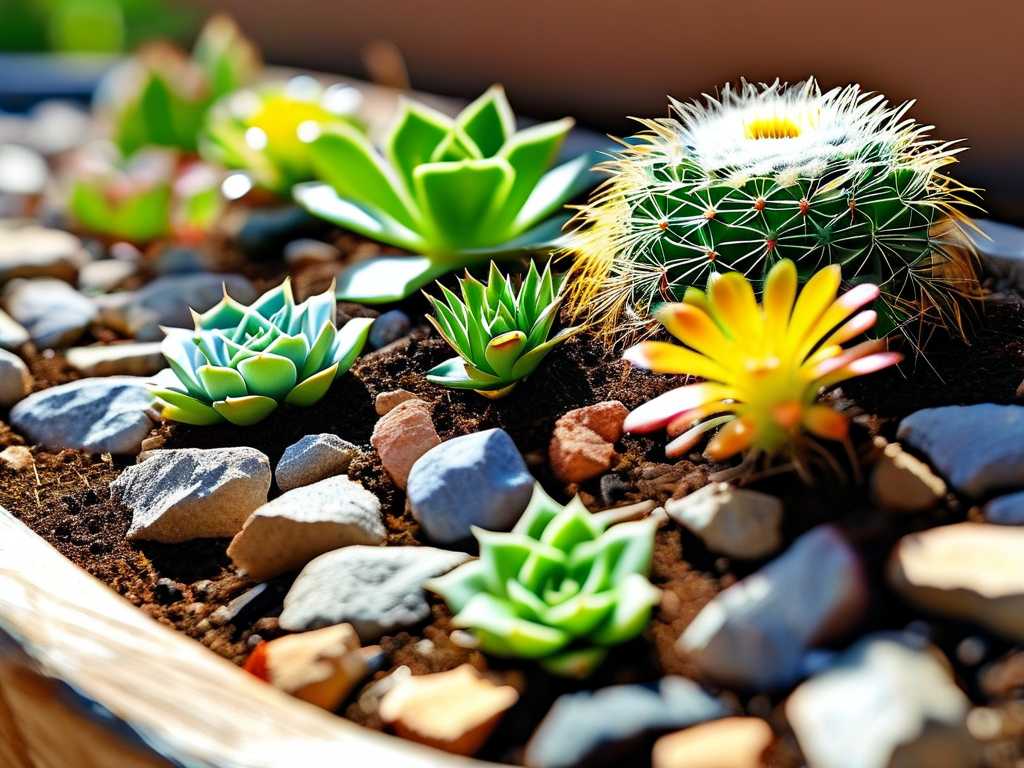
First, let’s define the environment. My patio gets direct, scorching morning sun for about an hour, then falls into bright, filtered shade for the rest of the day. Air temperatures often soar above 95°F (35°C), but the soil isn’t baked by relentless sun all afternoon. This creates a tricky situation: high ambient heat increases evaporation and plant respiration, yet the lack of full sun means the soil stays moist longer than in an exposed spot. The Royal Horticultural Society (RHS) notes that while succulents in full sun may need more frequent watering due to rapid soil drying, those in shade are prone to overwatering because we misjudge the soil’s moisture retention. My goal was to find the balance.
My Step-by-Step Watering Protocol
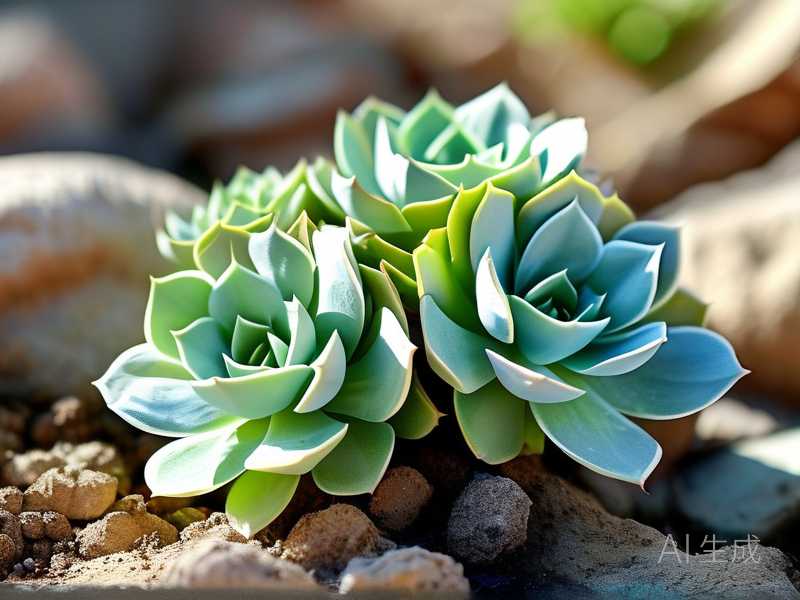
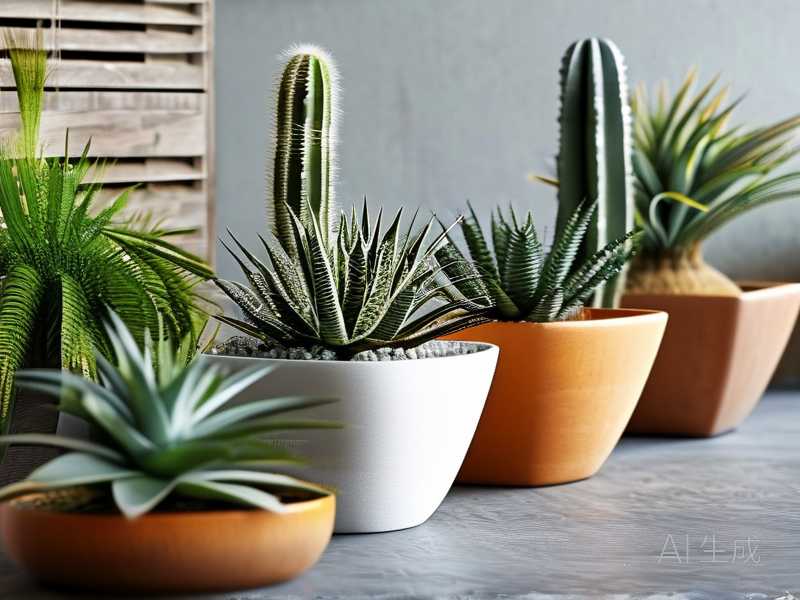
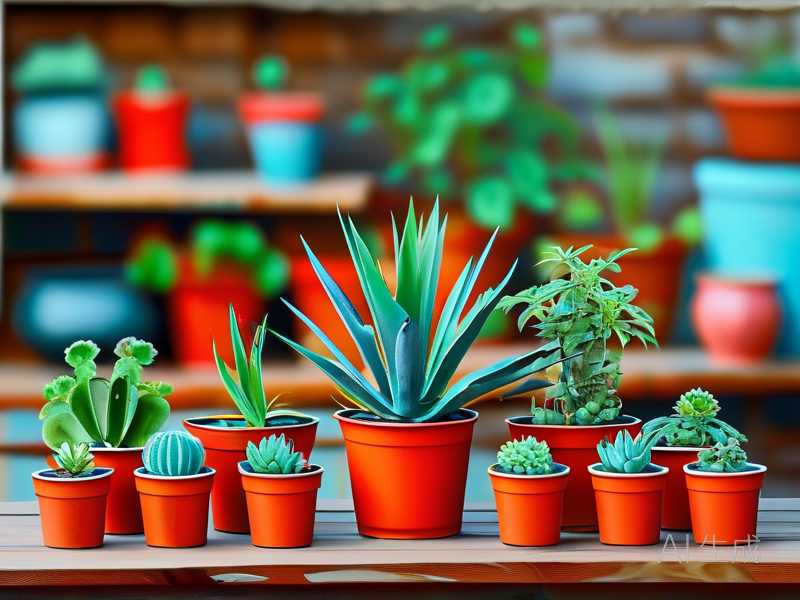
I selected a test group of six succulents: two Echeverias, two Haworthias, a Sedum burrito, and a Jade plant. All were in terracotta pots with excellent drainage holes, using a gritty, fast-draining mix of 50% potting soil and 50% perlite/pumice.
Week 1: The Observation and Adjustment Phase
Day 1-3: The Baseline Check. I started by assessing true soil dryness. The classic “finger test” was misleading; the top inch felt dry, but just below, it was slightly cool. I invested in a simple wooden skewer. I inserted it deep into the pot, left it for 60 seconds, and pulled it out. If it came out clean or with just a few dry particles, it was time to water. If damp soil clung to it, I waited. For my Haworthias and Jade, the skewer showed moisture even when the surface was bone-dry. I held off watering them.
Day 4: The First Strategic Watering. Only the two Echeverias and the Sedum showed completely dry skewers. Here’s exactly what I did:
- Timing: I watered at 6:00 AM, ensuring the plants were hydrated before the day’s heat.
- Method: I used a watering can with a long, narrow spout to apply water directly to the soil, avoiding the rosettes. I watered slowly, allowing the moisture to penetrate evenly.
- Volume: I continued until water ran freely from the drainage holes. This ensures the entire root ball gets moisture, encouraging deep, healthy roots. The American Horticultural Society (AHS) emphasizes this “thorough watering” technique, even for drought-tolerant plants, to prevent weak, surface-level roots.
- Aftercare: I immediately tipped the pots slightly to drain any excess water caught in saucers. In this humid, hot shade, stagnant water is a death sentence.
Day 5-7: Vigilant Monitoring. I watched for signs of thirst (slightly wrinkled, softer leaves) and checked for signs of overwatering (translucent, mushy leaves, or black stems). The watered plants plumped up nicely within 48 hours. The others remained firm. I gently aerated the soil surface around the unwatered plants with a chopstick to improve evaporation in the stagnant air.
Week 2: Refining the Rhythm
Day 8-10: The Pattern Emerges. By the second week, a pattern was clear. The Echeverias and Sedum dried out in about 5-6 days. The Haworthias and Jade took a full 9-10 days. The hot shade was drying them at different rates based on their species and pot size. I created a simple log.
Day 11: Second Round of Watering. I watered the Echeverias and Sedum again, following the exact same early-morning, thorough soak method. They responded perfectly.
Day 14: Assessment and Success. At the two-week mark, all six plants were healthy. No leaf drop, no mushiness, no severe wrinkling. New growth was visible on the Sedum and one Echeveria. The system was working.
The Pitfalls I Encountered (And How I Fixed Them)
Pitfall 1: Watering on a Schedule. My biggest mistake was initially watering everything every Sunday. The Jade plant started dropping leaves. Solution: I abandoned the calendar. The wooden skewer test became my non-negotiable guide. It provides a clear, physical measure of what’s happening deep in the pot, not just at the surface.
Pitfall 2: Assuming “Shade” Means “Cool”. The air in the shaded area was thick and hot, promoting fungal growth. I noticed a white, fuzzy mold on the soil surface of my slower-drying Haworthia. Solution: I scraped off the mold, increased air circulation by moving the plant to a slightly breezier spot on the patio, and topped the soil with a thin layer of fine aquarium gravel. This topping acts as a mulch, keeping the surface dry and inhospitable to mold.
Pitfall 3: Light, Frequent Sprinkling. Early on, I’d give them a little splash every few days, thinking it would help them through the heat. This is the worst thing you can do. It encourages shallow roots and keeps the lower soil constantly damp. Solution: I committed to the deep watering technique for potted succulents in heat. A full, infrequent soak trains the roots to grow downward, creating a more resilient and drought-adapted plant.
Key Factors Beyond Watering
My two-week test reinforced that watering doesn’t exist in a vacuum.
- Pot Material: Terracotta was a star player. Its porosity allows the soil to dry from the sides, crucial in a low-evaporation environment. A plastic pot would have extended drying times dangerously.
- Soil is Everything: My gritty mix was the foundation of success. A dense, moisture-retentive potting soil would have doomed the experiment from the start. A fast-draining soil mix for hot climates is non-negotiable.
- Seasonal Awareness: My protocol is for peak summer heat. I know I’ll need to significantly extend the interval between waterings as temperatures drop in fall.
Your Questions, Answered
Can I water my shaded outdoor succulents in the evening? I strongly advise against it. Watering at night leaves foliage and soil damp for 10-12 hours in cooler temperatures, which is an open invitation for rot and pests. Morning watering gives the plant time to absorb water and for excess moisture on leaves to evaporate as the day warms up.
My succulent in hot shade is stretching. Is it a water issue? This is likely a light issue, not a water issue. “Etiolation” or stretching occurs when a plant isn’t getting enough sunlight. While the area is hot, the “shaded” part might mean it’s not receiving the intense light succulents need to stay compact. Consider moving it to a spot with brighter, filtered light or a few more hours of gentle direct sun.
How do I know if I’m overwatering versus underwatering? The symptoms can be confusing. Overwatering often shows as soft, translucent, yellowing leaves that may fall off at a touch. The stem may feel soft or look black. Underwatering presents as dry, wrinkled, thin leaves that may curl. The plant feels crispy, not mushy. When in doubt, check the soil with a skewer. If it’s wet, don’t water—even if the leaves look wrinkled (they might be rotting from the roots up).
Mastering succulent care in partial sun and heat is about becoming a detective of your microclimate. It requires ditching rigid schedules and learning to read your plants and your soil. My two-week experiment proved that even in the challenging hot, shaded outdoors, succulents can thrive with a tailored approach centered on deep, infrequent watering based on verified soil dryness. Listen to the skewer, water deeply at dawn, and ensure your soil and pots are working as hard as you are. The reward is a lush, resilient succulent collection that enjoys the summer right alongside you.