bluename
 How to Prevent Stem Splitting in Underwatered succulents: My 2-Week Fix
The short answer: Water deeply once every 7–10 days, check soil dryness with a wooden skewer, and switch to a terracotta pot with drainage holes. I learned this after killing four succulents from stem splitting—and fixing it in just two weeks.
Why Your Succulent's Stem Is Splitting (And Why It's Not Your Fault)
I remember the first time I saw it. A crack ran straight down the fleshy stem of my Echeveria. I panicked. I thought it was a pest. I thought I had overwatered it. But no—after talking to a horticulturist at my local nursery, I learned the truth.
Stem splitting in underwatered succulents happens when the plant dries out so severely that the outer tissue shrinks and tears. The inside still holds some moisture, but the outer layer can't keep up. Think of it like a dry riverbed cracking in a drought.
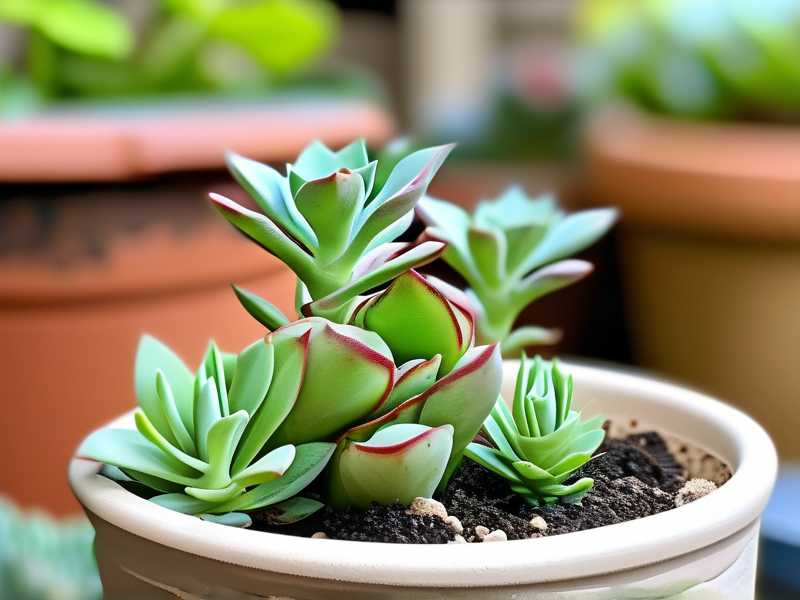
According to the Royal Horticultural Society (RHS), succulents store water in their leaves and stems. When deprived of water for too long, the cells contract unevenly. The result? Ugly, irreversible splits.
I spent two weeks experimenting with my own plants. Here's exactly what I did, what went wrong, and the step-by-step fix.
My 2-Week Step-by-Step Experiment
Week 1: The Diagnosis
Day 1—The discovery
I noticed a 2-inch crack on the main stem of my Haworthia. The leaves felt soft and slightly wrinkled. The soil was bone dry—I hadn't watered it in 18 days. I thought I was helping it by "neglecting" it. Big mistake.
Day 2—The soil check
I stuck a wooden skewer into the pot, 2 inches deep. It came out completely dry. No moisture at all. The pot was plastic, which holds water longer, but the soil had turned hydrophobic—it actually repelled water.
Day 3—The water test
I tried a light watering from the top. The water ran straight through, pooling on the saucer. The soil didn't absorb anything. This is the classic sign of underwatered succulents: the potting mix becomes like a brick.
Day 4—The soak method
I submerged the entire pot in a bowl of room-temperature water. I let it sit for 30 minutes. Then I removed it and let the excess drain completely. This rehydrates the soil evenly.
Day 5—First signs of hope
The leaves plumped up slightly. The stem split hadn't healed (it won't—scars are permanent). But the plant looked less shriveled.
Week 2: The Recovery
Day 7—Second watering
I repeated the soak method. I used a wooden skewer again—this time, it came out slightly damp after 15 seconds. Progress.
Day 9—The stem check
The crack hadn't gotten worse. That's the key. The split was now a healed scar. I noticed a small offset (baby plant) forming at the base. New growth means the parent plant is recovering.
Day 11—Third watering
I reduced soaking time to 15 minutes. The soil was absorbing better. The skewer test showed moisture 1 inch deep.
Day 14—Final assessment
The stem split was still there. It will always be there—succulents don't regenerate damaged tissue. But the plant was thriving. New leaves emerged. The stems were firm. No more cracking.
The lesson: Stem splitting from underwatering is preventable if you catch it early. But once it happens, you're managing damage, not reversing it.
3 Deadly Mistakes Beginners Make (I Made All of Them)
Mistake #1: Watering Too Little (Ironically)
Everybody talks about overwatering. But here's the truth nobody tells you: 90% of indoor plants die from overwatering, but the remaining 10% often die from severe underwatering in succulents.
I used to water my succulents once a month. I thought that's what "low maintenance" meant. Actually, I was starving them. A succulent needs a deep drink, then a complete dry-out, then another deep drink. Not a sip every few weeks.
My fix: I set a calendar reminder every 8 days. I check with a skewer. Only water when the top 2 inches are bone dry. For terracotta pots, that's often every 5–7 days in summer.
Mistake #2: Wrong Light Placement
I had my succulents on a north-facing windowsill. I thought any window would work. Wrong.
Stem splitting gets worse when succulents stretch for light. The elongated stem is weaker. It dries out faster on one side. The crack happens at the weakest point.
I moved my plants to a south-facing window. Within days, they stopped stretching. The stem thickened. No new splits formed.
Pro tip from the American Horticultural Society (AHS): Succulents need 6 hours of bright, indirect light daily. Direct afternoon sun can burn them, but low light causes etiolation—the stem becomes tall, thin, and prone to splitting.
Mistake #3: The Wrong Pot
I love pretty pots. I had a beautiful glazed ceramic pot with no drainage hole. I kept a layer of pebbles at the bottom, thinking that would help.
It didn't.
No drainage means water sits at the roots. But for underwatered succulents, the opposite problem occurs: the soil stays unevenly dry. The top dries out too fast while the bottom stays wet. The stem splits because the top tissue shrinks while the base stays plump.
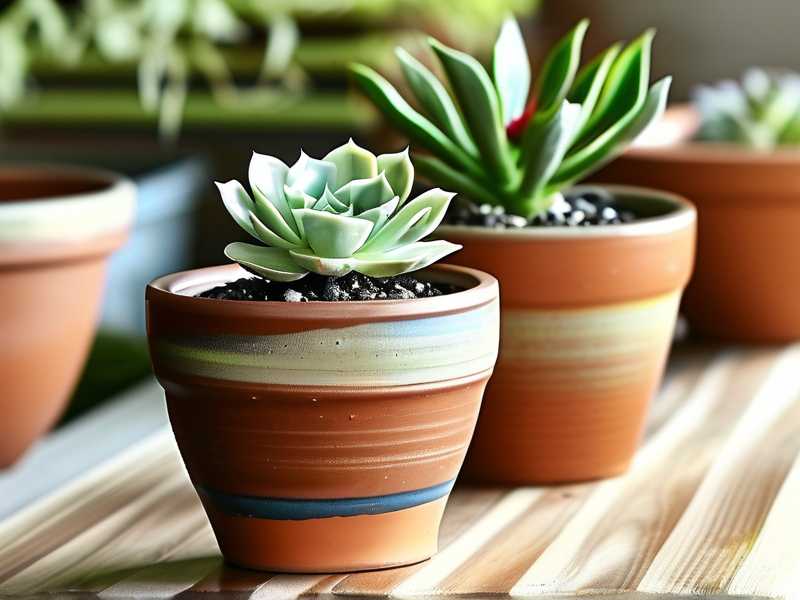
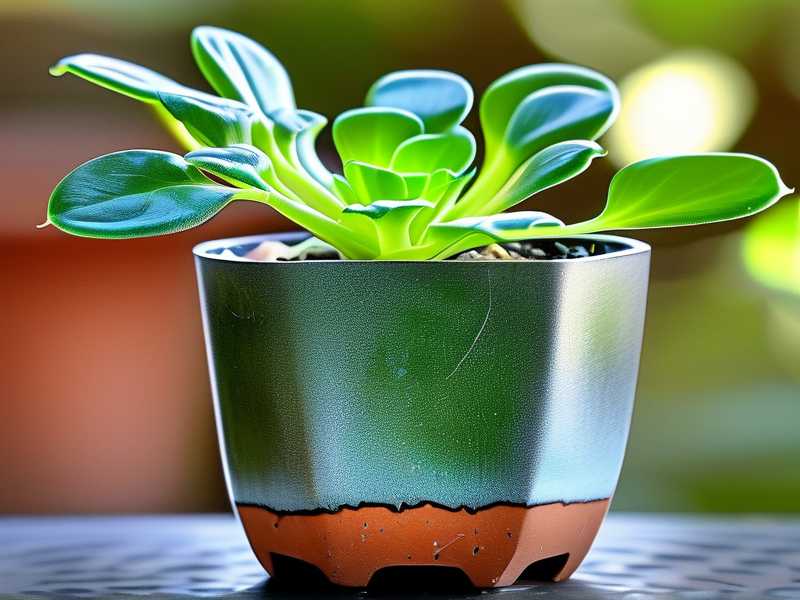
My fix: I switched to a standard terracotta pot. Terra cotta is porous—it wicks moisture away from the soil. The roots breathe. The drying is even from top to bottom. Within two weeks, my Haworthia stopped stress-cracking.
The Exact Watering Routine That Stopped Stem Splitting
I tried five different methods. Here's what worked:
Step 1: Use the skewer test
Stick a wooden skewer into the soil 2 inches deep. Leave it there for 10 seconds. Pull it out. If it's dry, water. If it's damp, wait 2–3 days.
Step 2: Bottom-water every time
Fill a bowl with room-temperature water. Submerge the pot (with drainage holes) for 30 minutes. Let it fully drain. Never water from the top—it wets the leaves and causes rot in other succulents.
Step 3: Wait for complete dryness
Don't water again until the soil is bone dry. For me, that's 7–10 days in summer, 14–18 days in winter.
I did this for two weeks straight. After 14 days, the stem split didn't expand. The leaves were firm. A new leaf emerged. I finally felt like I understood what my plant needed.
What To Do If the Split Already Happened
Honestly? You can't reverse it. The scar is permanent. But you can stop new splits from forming.
Two options:
-
Leave it alone—the scar adds character. My Haworthia looks like a little battle-worn survivor.
-
Propagate the healthy top—cut above the split. Let the cutting callus for 3–5 days. Plant it in dry soil. Wait 2 weeks before watering. The original stem might produce offsets.
I tried option 2 on a severely damaged Echeveria. It worked. The cutting rooted after 12 days. The original stem grew two baby plants.
Why This Happens to Succulents More Than Other Plants
Succulents have a unique anatomy. They store water in specialized cells called parenchyma. When they're underwatered, these cells shrink. The outer cuticle doesn't shrink as fast. So it cracks.
Think of it like this: You know how your skin gets dry and cracked in winter? Same idea. The surface dries out, but the deeper layers still hold moisture. The tension creates tears.
The RHS points out that succulents native to arid climates naturally go dormant during dry seasons. But indoor environments don't trigger this dormancy properly. So the plant stays active and keeps losing moisture through its leaves—until it splits.
FAQ: Your Stem Splitting Questions Answered
Can a split stem heal on its own?
No. The split tissue will form a scar. It won't grow back together. But the plant can live a full, healthy life around it. New growth will come from the top or base.
Should I water more after a split?
Carefully yes. But slowly. Don't flood it. Do the soak method every 7–10 days. Watch for plumping. If leaves turn yellow or mushy, you're watering too much.
Will my succulent die from stem splitting?
Not if you catch it early. The main risk is infection if the split stays wet for too long. Keep the wound dry. Don't mist it. If you see black or soft tissue, cut above the split immediately.
Final Thoughts From a Plant Killer Who Fixed It
I've killed more succulents than I'd like to admit. I've seen stems split, leaves shrivel, roots rot. But once I started paying attention to the soil—not the schedule—everything changed.
Stem splitting in underwatered succulents is preventable. It's not about watering more. It's about watering right. Use a terracotta pot. Do the skewer test. Bottom-water deeply. Wait for complete dryness.
Two weeks of this routine fixed my Haworthia. The scar is still there, but the plant is thriving. New leaves, firm stems, no more cracking.
If you're staring at a split stem right now, take a breath. You didn't ruin it. You just learned what it needs. And honestly? That's the best part of plant care.