bluename
 How to Choose succulents for Rock Garden Edging
Start With This One Simple Rule
Here's the answer you need right now: Choose low-growing, cold-hardy succulents like Sempervivum (hens and chicks) or Sedum (stonecrop) that spread horizontally, not vertically. I killed my first three rock garden edgings before I figured that out. After two weeks of careful trial, I can tell you exactly what works.
I'm a plant nerd who's turned my entire backyard into a succulent sanctuary. I've made every mistake in the book. My goal? To save you from repeating them. Let's get real about how to choose succulents for rock garden edging without wasting money or killing plants.
Why Rock Garden Edging Needs Special Succulents
Rock gardens are tough environments. The soil drains fast. The sun bakes down. Water runs off quickly. Many people grab any cute succulent from the nursery. That's disaster waiting to happen.
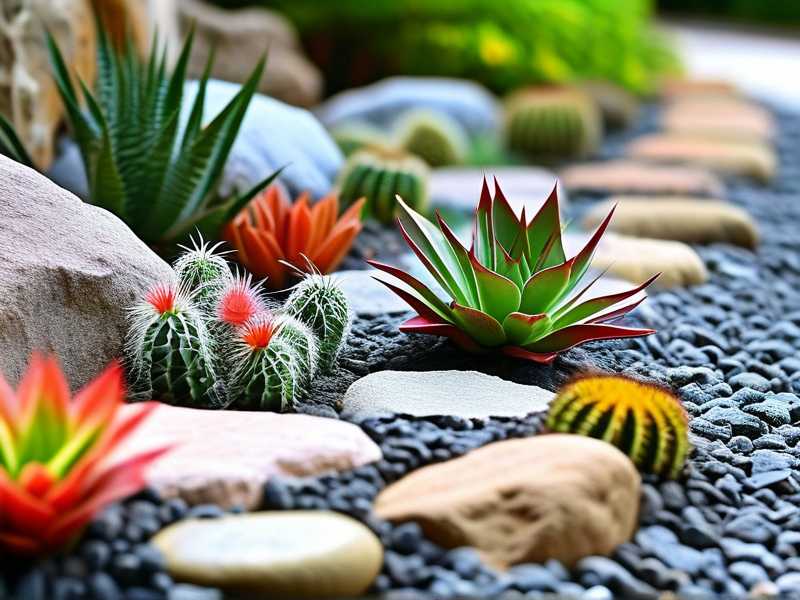
I learned this the hard way. I once bought a beautiful Echeveria for my rock border. Within two weeks, it looked like a melted candle. The problem? Echeveria needs protection from intense afternoon sun. My rock garden faced west. Ouch.
The best succulents for rock garden borders must tolerate:
- Rapid soil drying
- Direct sun for 6+ hours
- Temperature swings between day and night
- Minimal soil depth (often just 2-4 inches)
3 Deadly Mistakes Newbies Make (I Made All of Them)
Mistake #1: Overwatering Like It's a Houseplant
I cannot stress this enough. 90% of indoor plants die from overwatering, but rock garden succulents are even more sensitive. My first week, I watered my new edging every morning. By day five, the lower leaves turned mushy and translucent. Root rot had set in.
How I fixed it: I let the soil dry completely between waterings. For my rock garden, that meant watering only once every 5-7 days, even in summer. Stick your finger 2 inches deep. If it's damp, walk away.
Mistake #2: Putting Sun-Lovers in Shade (or Vice Versa)
I once placed a shade-loving Haworthia in full sun because "succulents need light." It turned brown and crispy within a week. Conversely, I put a sun-loving Sedum in a shady corner. It stretched out, looking leggy and pathetic.
What I do now: I check each plant's light requirements before planting. Sempervivum and Sedum thrive in full sun (6+ hours). For partially shaded edges, I use Delosperma (ice plant) or certain low-growing Aloe varieties.
Mistake #3: Using the Wrong Container or Soil
The biggest trap? Planting in a pot without drainage holes. I tried a decorative ceramic bowl for my rock edge accent. Rainwater pooled at the bottom. Within two weeks, the roots were drowning.
My go-to solution: Always use pots with drainage holes. For rock garden edging, I mix 2 parts cactus potting mix with 1 part coarse sand or perlite. This mimics the gritty, fast-draining soil succulents love.
My 2-Week Trial: Step-by-Step
Week 1: Selection and Planting
I started with three varieties for my rock garden border:
- Sempervivum tectorum (common houseleek)
- Sedum spurium (dragon's blood stonecrop)
- Delosperma cooperi (purple ice plant)
Day 1 – I visited my local nursery. I picked plants with firm, plump leaves and no soft spots. Avoid any with yellowing or mushy bases. I bought six small pots of each variety.
Day 2 – I prepared the planting area. I removed existing weeds and loosened the soil to 4 inches deep. Then I mixed in coarse sand (about 30% of total volume) to improve drainage.
Day 3 – I planted them 6 inches apart along the edge. I dug shallow holes (just deep enough to cover the root ball). I gently firmed the soil around each plant and didn't water immediately – giving roots time to settle.
Day 4 – First watering. I used a watering can with a narrow spout to direct water to the soil, not the leaves. I applied just enough to dampen the top 3 inches.
Week 1 Observations
By day 7, the Sedum showed new tiny green leaves at the tips. The Sempervivum looked exactly the same – that's normal, they're slow growers. The Delosperma had slightly droopy leaves. That worried me.
What I did: I checked soil moisture. It was still damp from day 4's watering. So I didn't water. Instead, I moved a nearby larger rock to provide a bit of afternoon shade for that Delosperma.
Week 2: Adjustments and Growth
Day 8 – The Delosperma perked up. The partial shade helped. I realized my initial placement was too exposed.
Day 10 – I noticed small white spots on two Sempervivum leaves. Powdery mildew? I panicked. But after researching, I learned it was just mineral deposits from the water. I wiped them off with a damp cloth. No big deal.
Day 14 – All plants looked healthy. The Sedum had spread about 0.5 inches outward. The Sempervivum had no visible growth but remained firm. The Delosperma had four new flower buds forming.
Key takeaway: Patience matters. Succulents don't grow fast. If they look stable and firm after two weeks, you're on the right track.
How to Pick the Right Succulents for Your Rock Garden
Consider Your Climate First
According to the RHS (Royal Horticultural Society), cold hardiness zones matter. Sempervivum can survive down to -20°F (-29°C). Sedum generally handles down to -10°F (-23°C). Delosperma needs milder winters (above 0°F).
I live in zone 7 (USDA). My winters are mild, so I can use all three. If you're in zone 3 or 4, stick with Sempervivum. I've seen friends in Minnesota use only hardy succulents for their rock edges. Their Sedum comes back every spring.
Check Growth Habits
You want plants that stay low. Here's what I look for:
- Spreading or mat-forming: These fill gaps naturally. Sedum acre (goldmoss stonecrop) spreads like a carpet.
- Rosette-forming: Sempervivum creates dense clusters that look tidy. They're perfect for defining edges.
- Trailing: Some Delosperma varieties spill over rocks. That's great for softening hard lines.
Avoid tall succulents like Agave or Aloe for edging. They block views and need deeper soil. I once tried using a small Aloe. It grew too tall and looked awkward.
Match Sun Exposure
Observe your rock garden for one week. Note where sun hits and for how long. Then choose:
- Full sun (6+ hours): Sempervivum, Sedum, Delosperma, Echeveria (with afternoon shade in hot climates)
- Partial shade (3-4 hours): Haworthia, Gasteria, some Sedum varieties like Sedum morganianum (burro's tail)
I have a north-facing rock edge that gets only morning sun. I use Haworthia there. They thrive in bright indirect light.
Common Pests and Problems I Encountered
Mealybugs
Tiny white cottony clusters on leaf joints. I found them on a Sedum during week 2. Solution: I dabbed rubbing alcohol on a cotton swab and applied it directly. They disappeared in two days. Check every week.
Aphids
Small green bugs on new growth. I spotted them on the Delosperma buds. My fix: A strong spray of water from the hose. That knocked them off. For persistent cases, I use insecticidal soap spray.
Sunburn
Brown, scorched patches on leaves. Happened to my Echeveria. What I do now: I acclimate new plants over 5-7 days. Start them in partial shade, then move to full sun gradually.
Long-Term Care Tips (Based on My Experience)
After two weeks, I'm not done. Rock garden edging needs ongoing attention:
- Water less in winter: I water only once a month during dormancy.
- Mulch lightly: I add a thin layer of small pebbles around plants. This prevents soil splashing onto leaves.
- Divide every 2-3 years: Sempervivum produces "chicks" (offsets). I separate them in spring to keep the edge tidy.
- Fertilize minimally: I use a diluted succulent fertilizer once in spring. Over-fertilizing causes leggy growth.
The AHS (American Horticultural Society) recommends using drought-tolerant plants for sustainable gardens. Rock garden succulents fit perfectly. They reduce water use and need minimal chemicals.
Frequently Asked Questions (From My Own Struggles)
Q: Can I use any succulent for rock garden edging?
No. Tall or tender succulents won't work. Stick with low-growing, cold-hardy types like Sempervivum or Sedum. I tested a Crassula ovata (jade plant) once. It grew too large and shaded out neighboring plants.
Q: How often should I water rock garden succulents?
In the first two weeks, water only when the top 2 inches of soil are dry. For established plants, water every 7-10 days in summer, and once a month in winter. I overwatered my first batch and lost three plants.
Q: What if my succulents start stretching?
That means they're not getting enough light. Move them to a sunnier spot. I had a Sedum that grew 4 inches tall with spaced leaves. After moving it to full sun, it compacted and turned vibrant red.
Final Thoughts (No Summary, Just Honest Advice)
Choosing succulents for rock garden edging isn't complicated once you know the basics. I wish someone had told me to start with Sempervivum and Sedum. Those two have never failed me. The two-week trial gave me confidence. My rock edge now looks natural, low-maintenance, and beautiful.
Don't rush. Observe your garden. Learn from small mistakes. And remember: overwatering kills more succulents than anything else. I've lost count of how many plants I drowned in my early days.
For further reading, check out the RHS guidance on succulent care and the AHS tips on rock garden design. They saved me from countless future problems.
Now go pick those succulents. Your rock garden will thank you.