bluename
 The Ultimate succulent care Guide: All You Need to Know
You brought home a beautiful, plump succulent, full of hope. But now, its leaves are turning yellow, dropping off, or it’s growing tall and spindly, losing that compact charm you fell in love with. If you’ve ever wondered why your succulent is dying despite your best efforts, you’re not alone. The secret to thriving succulents isn’t constant attention; it’s understanding their unique, low-maintenance language. This comprehensive guide will demystify succulent care and transform you from a worried plant owner into a confident succulent whisperer.
Understanding Your Succulent’s World
Succulents are survival experts, adapted to arid environments where water is scarce and sunlight is abundant. Their thick, fleshy leaves and stems act as water reservoirs. This fundamental truth dictates every aspect of their care. Trying to treat them like a typical houseplant is the most common mistake.
The Golden Rule: Mastering Watering Techniques
Overwatering is the number one killer of succulents. Their roots are not designed to sit in moist soil.
The "Soak and Dry" MethodForget weekly schedules. The only reliable method is the "soak and dry" approach. Water your succulent thoroughly until excess water drains freely from the pot’s bottom. Then, let the soil dry out completely. How do you know it’s dry? Stick your finger an inch into the soil. If it’s dry, wait a few more days before watering again. In winter, when growth slows, you may only need to water once a month.
Choosing the Right WaterUse room-temperature water. Cold water can shock the roots. If possible, use filtered or rainwater, as some succulents are sensitive to minerals in tap water.
Providing the Perfect Light
Light is their energy source. Insufficient light causes "etiolation"—where the plant stretches awkwardly toward the light, becoming pale and weak.
Ideal Light ConditionsMost succulents crave bright, indirect light for at least 6 hours a day. A south or east-facing window is often ideal. According to a study by the University of Florida’s Environmental Horticulture department, light intensity directly influences succulent coloration and compact growth.
Signs of Light Stress
Too Little: Stretching, large gaps between leaves, pale green color.
Too Much (Sunburn): Brown, crispy patches on the leaves, especially on the top sides facing the sun. Acclimate your plant gradually to direct sun.
The Critical Foundation: Soil and Potting
The right soil ensures quick drainage and prevents root rot.
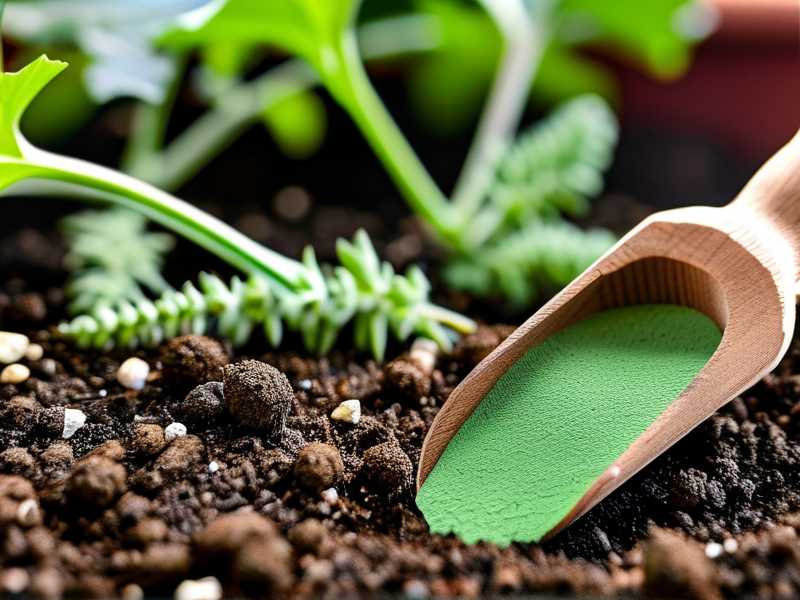
Well-Draining Soil MixStandard potting soil holds too much moisture. Opt for a specialized cactus and succulent soil mix. For even better drainage, experts like those at the Royal Horticultural Society recommend amending store-bought mix with perlite or coarse sand (about a 50/50 ratio).
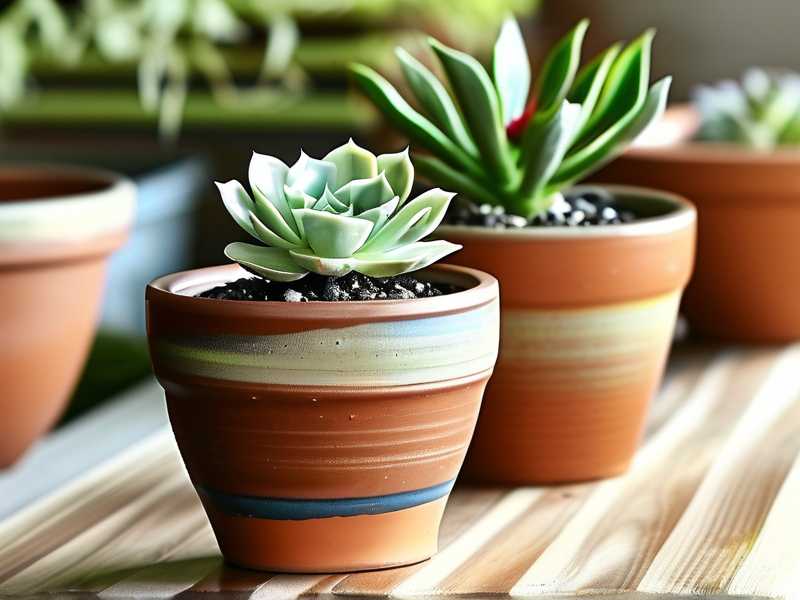
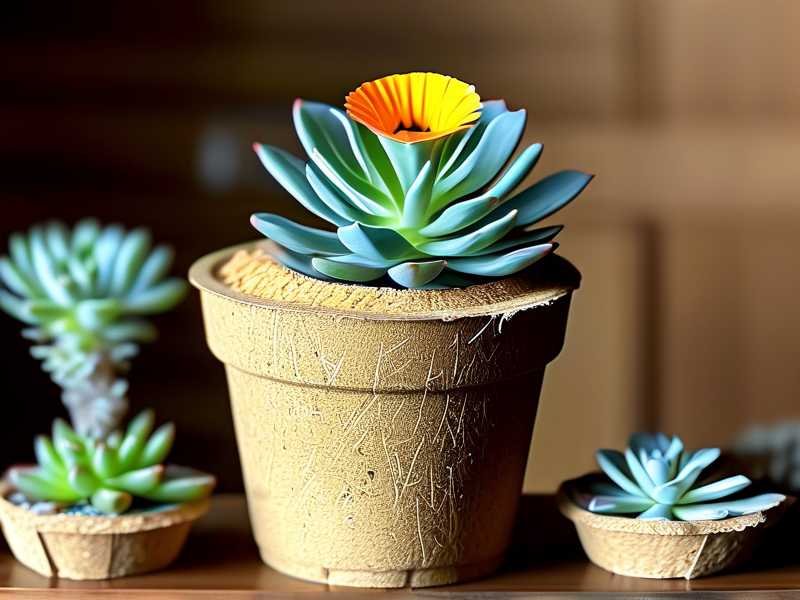
Pot SelectionAlways choose a pot with a drainage hole. Terracotta pots are excellent as they are porous and help wick away excess moisture. Ensure the pot is only slightly larger than the root ball; too much soil retains unnecessary water.
Feeding and Fertilizing for Growth
Succulents are light feeders. Too much fertilizer can cause rapid, weak growth and burn the roots.
Fertilizer Type and ScheduleUse a balanced, water-soluble fertilizer diluted to half-strength. A formula like 10-10-10 or one lower in nitrogen works well. Feed only during the active growing season (spring and summer), once a month at most. Avoid fertilizing entirely in fall and winter.
Seasonal Care and Dormancy
Succulents have growth cycles. Many go dormant in extreme heat (summer) or cold (winter).
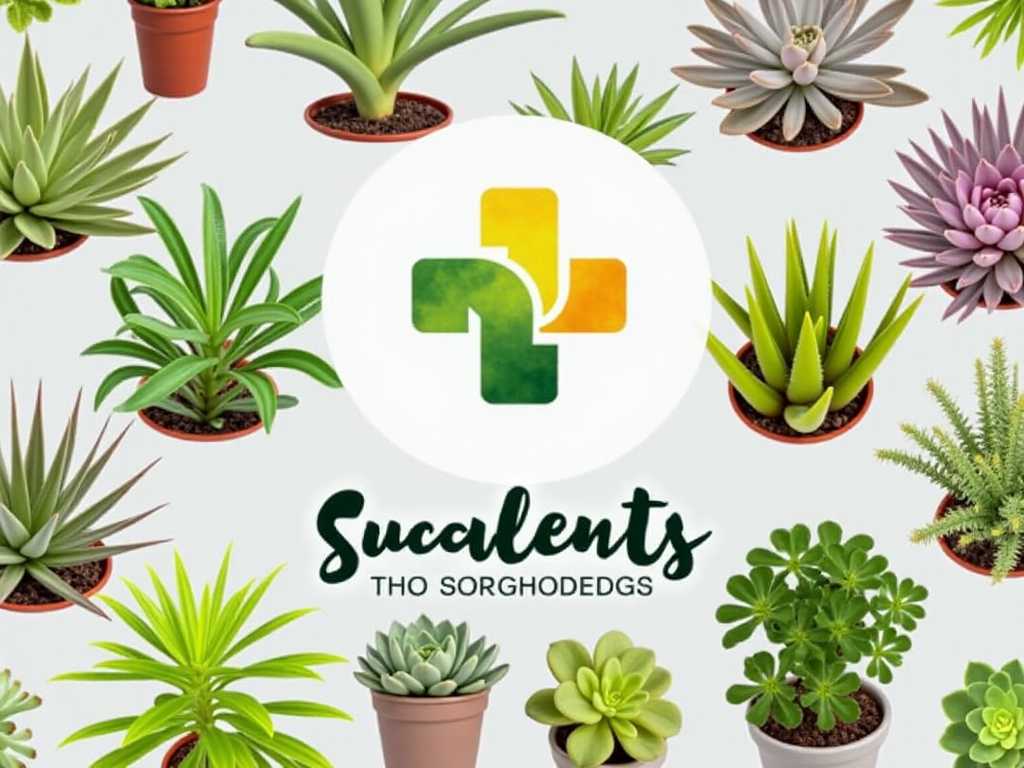
Summer Dormancy CareSome species like Aeoniums slow down in high heat. Reduce watering frequency and provide protection from intense afternoon sun.
Winter CareFor most, winter is a rest period. Water sparingly, just enough to prevent shriveling. Keep them away from cold drafts and heating vents. If you’re moving plants indoors for winter, do it gradually.
Propagation: Creating New Plants
One of the joys of succulent plant care is how easily they propagate.
Leaf PropagationGently twist a healthy leaf from the stem. Let it callous over for a few days, then place it on top of dry soil. Mist lightly only when roots appear. Avoid burying the leaf.
Stem CuttingsCut a healthy stem, let it callous, and then plant it in dry soil. Wait about a week before giving it a light watering.
Identifying and Treating Common Problems
Root Rot: Caused by overwatering. Signs include black, mushy stems and leaves that fall off at a touch. Solution: Cut away all rot, let the plant dry, and repot in fresh, dry soil.Pests: Watch for mealybugs (white, cottony spots) and aphids. Treat with a cotton swab dipped in rubbing alcohol or a mild insecticidal soap.Leggy Growth: This is etiolation from insufficient light. The stretched part won’t revert. You can behead the plant, let the top callous, and replant it to start over.
Repotting Your Succulent
Repot every 2-3 years to refresh the soil or when the plant outgrows its pot. The best time is at the start of the growing season (spring). Gently remove old soil from the roots, check for rot, and place in a new pot with fresh mix. Wait about a week before watering to let disturbed roots heal.
How often should I really water my succulent?There is no fixed schedule. Always use the "soak and dry" method and check the soil moisture. Factors like pot size, humidity, and season all affect drying time. When in doubt, it’s safer to underwater.
Can succulents survive in low-light rooms?While not ideal, some tolerant varieties like Snake Plant (Sansevieria) or Zebra Haworthia can survive in lower light. However, they will grow much slower and may not display vibrant colors. For most, bright, indirect light is non-negotiable for long-term health.
Why are the bottom leaves of my succulent dying?It’s normal for the oldest, bottom leaves to dry up and fall off as the plant grows. This is the plant’s natural process of recycling nutrients. However, if leaves in the middle or top of the plant are shriveling or turning yellow/mushy, it likely indicates a watering issue.
Embracing succulent care is about working with nature, not against it. By mimicking their native dry, bright habitats—through infrequent but deep watering, ample light, and gritty soil—you unlock the secret to keeping these resilient plants not just alive, but truly thriving. Start by observing your plant more and intervening less. With these principles, your succulent collection will grow and bring you joy for years to come.