bluename
 How to Create a Succulent & Cactus Garden: A Beginner's Guide to Effortless Beauty
Have you ever admired the stunning, sculptural beauty of a succulent and cactus garden but felt intimidated, thinking it requires a green thumb or a desert climate? You're not alone. Many aspiring gardeners are drawn to these resilient plants for their low-maintenance appeal, only to be met with disappointment from overwatering, poor soil, or lack of light. The dream of a thriving, drought-tolerant oasis seems just out of reach. The good news is that creating a stunning succulent and cactus garden is far simpler than you imagine. This guide will walk you through every step, transforming uncertainty into confidence and helping you cultivate a captivating display that thrives with minimal care.
Understanding Your Plants: The Key to Success

Before you dig in, understanding the fundamental nature of succulents and cacti is crucial. All cacti are succulents, but not all succulents are cacti. The term "succulent" refers to any plant that stores water in its leaves, stems, or roots. Cacti are a specific family within this group, typically characterized by areoles—the small, cushion-like structures from which spines, flowers, and new growth emerge. This shared adaptation to arid environments dictates their core needs: ample light, excellent drainage, and infrequent watering. As renowned horticulturist and author Debra Lee Baldwin notes, "Succulents are the ultimate survivors. They ask for so little yet give so much in form and color." Starting with this respect for their natural biology is the first step toward a flourishing garden.
Step 1: Planning and Designing Your Garden
A little planning prevents common pitfalls and ensures a cohesive, beautiful result.
Choosing the Perfect Location Light is the most critical factor. Most succulents and cacti require at least 6 hours of bright, indirect sunlight daily. A south or east-facing spot is often ideal. Observe your potential garden area throughout the day. Full, scorching afternoon sun in hot climates can sometimes burn more delicate succulents, while too little light causes "etiolation"—where plants stretch out weakly, seeking the sun. For indoor gardens, a sunny windowsill is a must.
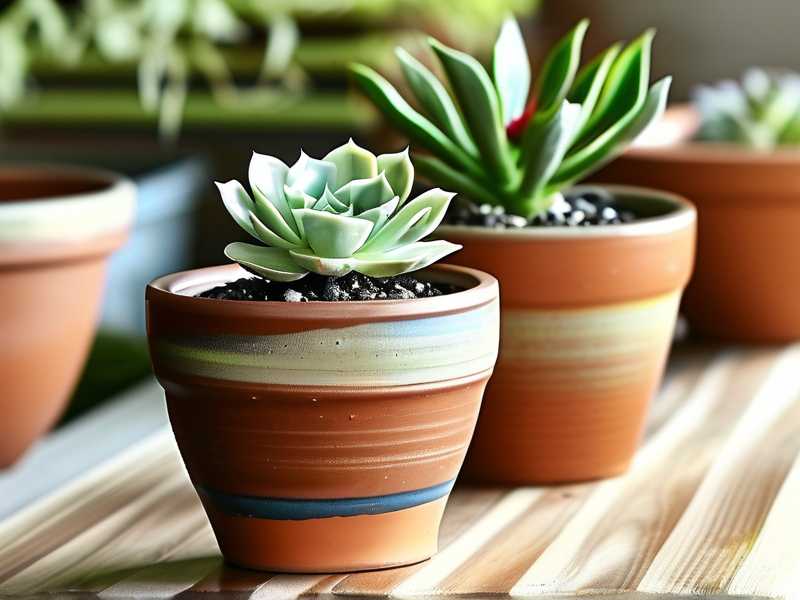
Selecting a Container or Garden Bed Drainage is non-negotiable. If using a container, it must have one or more drainage holes. Terracotta pots are excellent as they are porous and help soil dry more evenly. For in-ground beds, ensure the area is not a low spot where water collects. Raised beds are a fantastic solution for heavy clay soils, as highlighted in many university extension gardening reports. They allow you to control the soil mix completely and improve drainage dramatically.
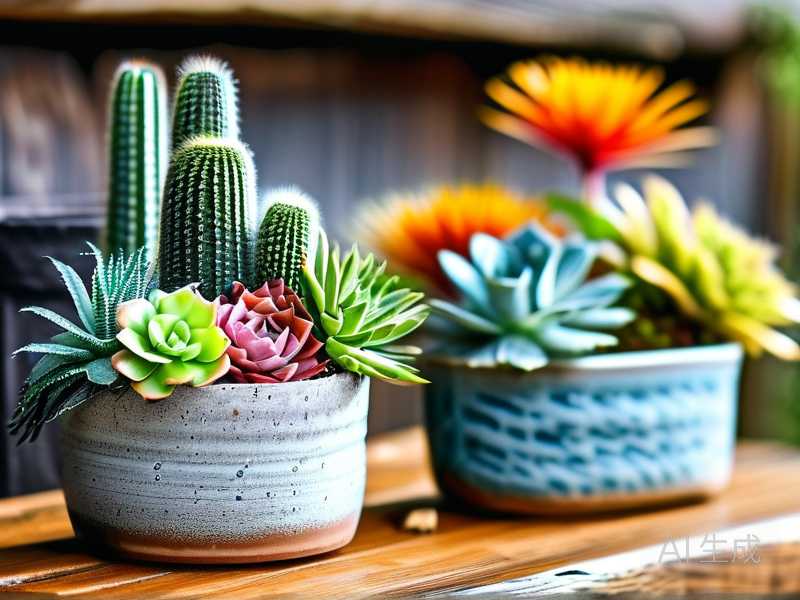
Designing for Visual Impact Think in terms of texture, color, and form. Create a focal point with a larger, architectural cactus or a bold rosette-forming succulent like an Echeveria. Use trailing varieties like String of Pearls or Sedum morganianum to spill over edges. Play with contrasts: pair the smooth, rounded leaves of a Jade Plant with the fierce spines of a Golden Barrel Cactus. Consider color beyond green—many succulents blush with red, purple, or blue hues when given adequate sunlight.
Step 2: The Foundation: Soil and Drainage
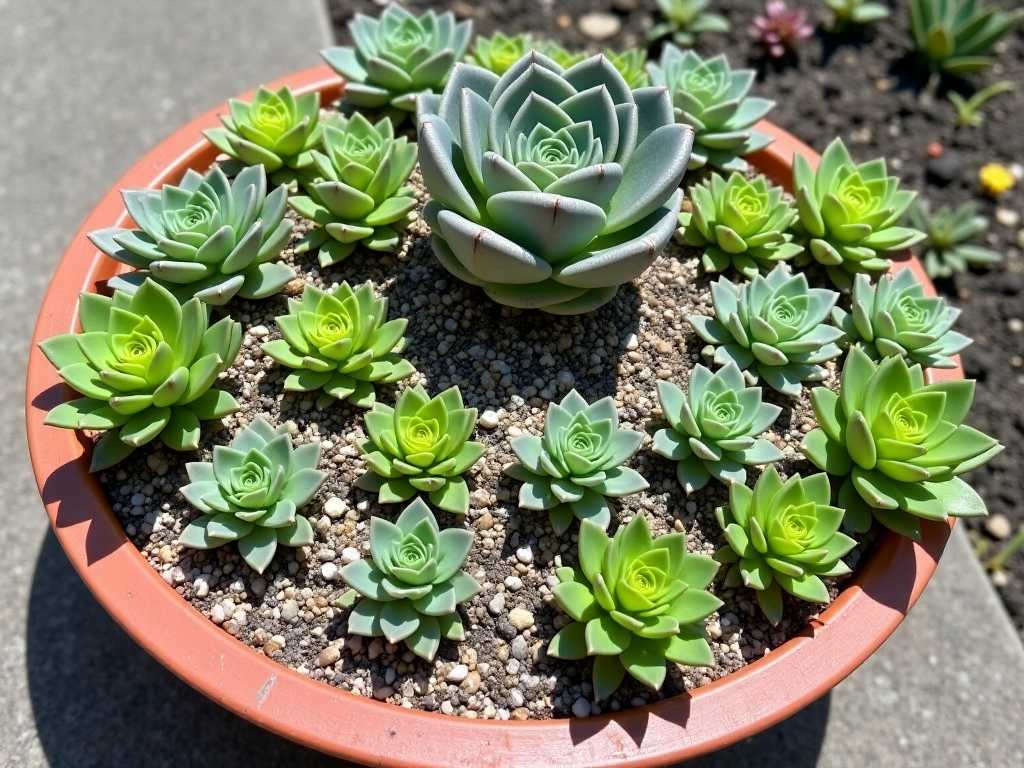
This is where most beginners fail. Standard potting soil retains too much moisture and will lead to root rot.
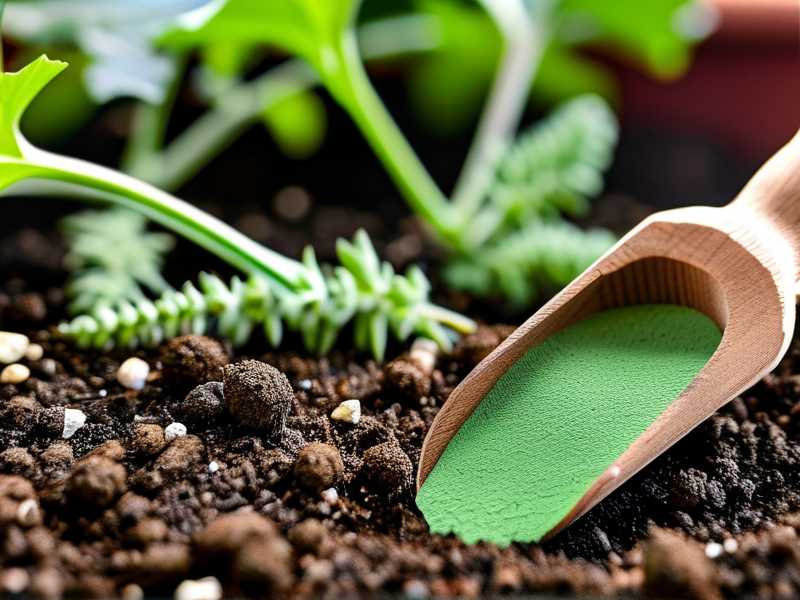
Crafting the Ideal Soil Mix Succulents and cacti need a gritty, fast-draining mix. You can purchase a pre-made "cactus and succulent mix," but for best results, many experts recommend amending it. A simple, effective recipe is to combine 2 parts commercial cactus mix with 1 part perlite or coarse sand. This increases aeration and drainage, mimicking their native, rocky habitats. For in-ground planting, amend heavy soil with a significant amount of coarse sand, pumice, and compost to create a mound or berm that promotes runoff.
The Essential Drainage Layer While some debate its necessity in pots with excellent soil, a layer of gravel or small stones at the bottom of a container provides an extra safety net against waterlogging. For garden beds, planting on a slight slope or creating a raised mound ensures water flows away from the root zone.
Step 3: Planting and Arranging Your Succulents
Now for the fun part—bringing your design to life.
Safe Handling Techniques Always use thick gloves or folded newspaper when handling spiny cacti. For tongs or specialized cactus handling tools can provide precision and safety.
The Planting Process
- Prepare your pot or bed with the appropriate soil mix.
- Gently remove plants from their nursery pots, teasing apart any tightly bound roots.
- Dig a small hole, place the plant inside, and backfill with soil, ensuring the plant sits at the same depth it was in its original container.
- Do not water immediately! This is a critical tip. Wait 4-7 days before the first watering to allow any damaged roots to callous over, preventing rot.
- You can add a top dressing of decorative gravel or pebbles. This not only looks polished but helps keep leaves dry and prevents soil from splashing during watering.
Step 4: Mastering Watering and Ongoing Care
Less is more. Overwatering is the single fastest way to kill a succulent or cactus garden.
The Golden Rule of Watering Soak thoroughly, then let dry completely. Water deeply until it runs out of the drainage holes (for containers) or penetrates the root zone (in-ground). Then, allow the soil to dry out fully before watering again. The frequency varies wildly by season, climate, and container size. In hot, dry summer months, you might water every 1-2 weeks. In cool, damp winter months, you may only water once a month or less. Always check the soil moisture with your finger—don't rely on a schedule.
Fertilizing for Healthy Growth These plants are not heavy feeders. Fertilize sparingly during the active growing season (spring and summer) with a balanced, water-soluble fertilizer diluted to half strength. Do not fertilize in fall and winter when plants are dormant.
Seasonal Considerations Protect your garden from frost. While some species are cold-hardy, most popular succulents and cacti cannot tolerate freezing temperatures. In cold climates, be prepared to move container gardens indoors or use frost cloth. Similarly, provide light shade during extreme summer heatwaves to prevent scorching.
Troubleshooting Common Problems
- Mushy, Translucent Leaves/Yellowing: Classic signs of overwatering. Stop watering immediately, check for root rot, and repot in dry soil if necessary.
- Shriveling, Wrinkled Leaves: Usually a sign of underwatering. Give the plant a good soak.
- Stretching or Leaning: Not enough light. Move the plant to a brighter location.
- Pests: Watch for mealybugs (cotton-like fluff) or scale. Treat with a cotton swab dipped in rubbing alcohol or an appropriate insecticidal soap.
Bringing Your Indoor Succulent Garden to Life
The principles for indoor success are the same, with extra emphasis on light. A bright south or east-facing window is essential. Rotate pots regularly for even growth. Water even more cautiously indoors, as evaporation is slower. Ensure pots are not sitting in saucers of standing water.
Frequently Asked Questions
Can I plant succulents and cacti together in the same pot? Absolutely! They have similar core needs for light and water. This practice, often called "companion planting," is a fantastic way to create visually interesting arrangements. Just ensure they are placed in a container with excellent drainage.
How often should I really water my new cactus garden? There is no universal weekly answer. The "soak and dry" method is your best guide. After the initial post-planting wait, water only when the soil is completely dry several inches down. This could be weekly in hot, dry weather or monthly in cooler, humid conditions. Your plants' plumpness is a better indicator than the calendar.
What are the best beginner-friendly succulents and cacti to start with? For succulents, consider hardy varieties like Aloe Vera, Echeveria, Sedum, and Jade Plant (Crassula ovata). For cacti, the Bunny Ears Cactus (Opuntia microdasys), Pincushion Cactus (Mammillaria), and various Barrel Cacti are forgiving and slow-growing, making them perfect for newcomers.
Creating your own succulent and cactus garden is a rewarding journey into the world of resilient and sculptural plants. By providing them with the simple essentials they crave—plenty of light, gritty soil, and mindful watering—you set the stage for a low-maintenance landscape that offers year-round interest and texture. Start with a simple plan, choose your plants with joy, and enjoy the process of building a living work of art that thrives on your thoughtful neglect. Your beautiful, drought-tolerant oasis awaits.