bluename
 How to Grow succulents in Raised Beds: A Complete Guide for Vibrant, Healthy Plants
Have you ever admired a stunning succulent garden, only to watch your own plants struggle with root rot, poor drainage, or pest infestations? You’re not alone. Many gardeners face these exact challenges when growing succulents in traditional ground soil or containers. The solution, however, might be simpler than you think. Growing succulents in raised beds offers a transformative approach, giving you unparalleled control over the most critical factor for these drought-loving plants: soil drainage. This guide will walk you through every step, from planning to planting and long-term care, ensuring your succulent raised bed becomes a thriving, low-maintenance focal point in your garden.
Why Raised Beds Are Ideal for Succulents

Succulents are survivors, adapted to arid environments with sharp drainage and infrequent rainfall. Their number one enemy is “wet feet,” or roots sitting in soggy soil. Traditional garden soil often retains too much moisture, especially in humid climates or during rainy seasons, leading to fatal root rot.
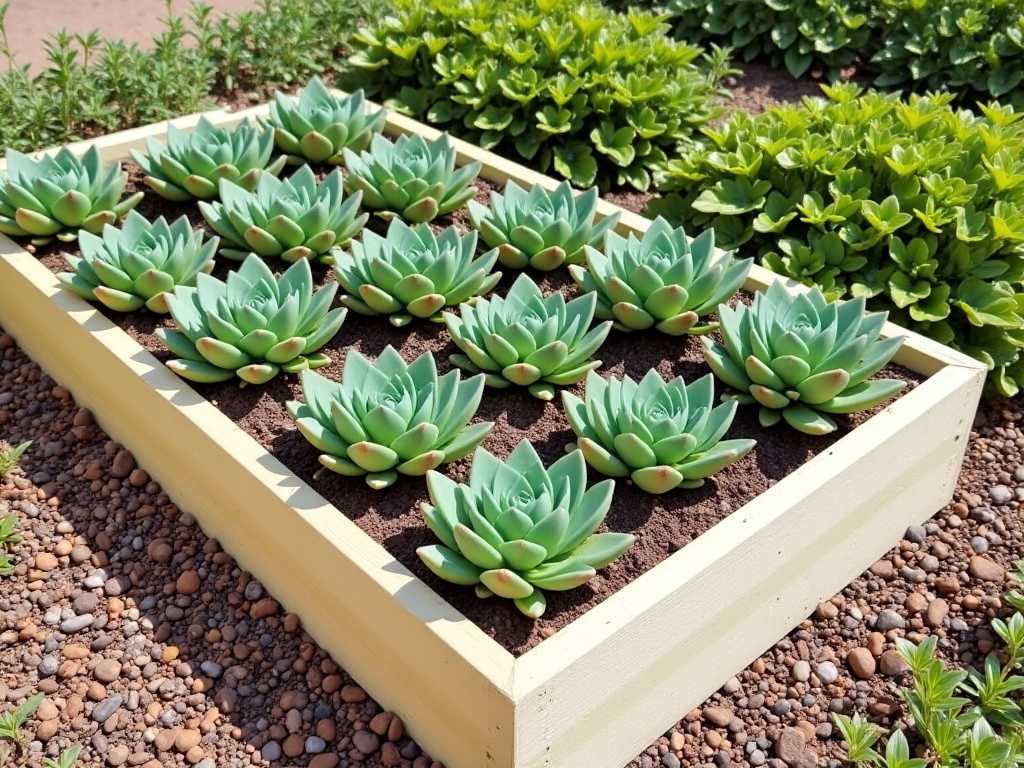
A raised bed solves this problem elegantly. By elevating the planting area, you instantly improve drainage and aeration. You have complete command over the soil mix, creating a perfect, well-draining home tailored specifically for succulents and cacti. Additionally, raised beds reduce soil compaction, minimize weed intrusion, and can make gardening more accessible by reducing the need to bend over.
Planning Your Succulent Raised Bed
Before you build or buy, a little planning ensures long-term success. First, consider location. Most succulents crave sunlight. Choose a spot that receives at least 6 hours of direct sun daily. Morning sun with some afternoon shade is perfect in very hot climates to prevent scorching.
Next, decide on size and height. A depth of 6 to 12 inches is typically sufficient for most succulent varieties, as their root systems are relatively shallow. However, if you plan to include larger specimens like agaves or certain yuccas, aim for 18 inches or more. The width should allow you to easily reach the center from all sides; 4 feet wide is a common maximum.
For materials, you have many options. Rot-resistant cedar or redwood is a popular natural choice. Composite lumber is durable and low-maintenance. Concrete blocks or bricks offer a sturdy, modern look and excellent drainage. Avoid using treated wood if you are concerned about chemicals leaching into the soil near edible plants, though this is less of a concern for ornamentals like succulents.
The Perfect Soil Mix for Succulent Raised Beds
This is the most crucial step. Do not use regular garden soil or standard potting mix. They are too dense and moisture-retentive. Your goal is to create a gritty, fast-draining mix.
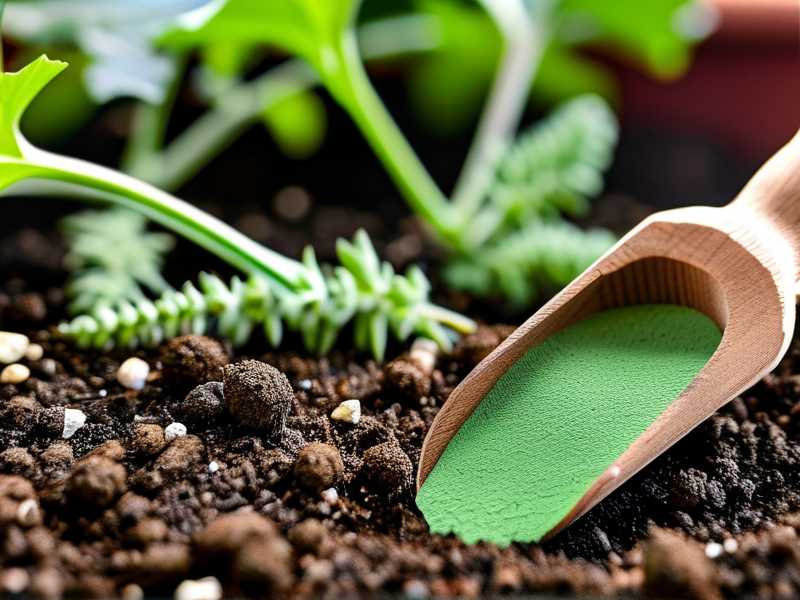
A proven recipe is a 1:1 blend of a high-quality potting soil and coarse inorganic material. Start with a cactus and succulent potting mix as your base. Then, amend it generously with perlite, pumice, or coarse horticultural sand. Pumice is often favored by experts like those at the University of California Cooperative Extension Master Gardener program, as it is porous, improves aeration, and doesn’t break down over time like organic matter does.
You can create a simple, effective mix with:
- 60% potting soil (for succulents/cacti)
- 40% pumice or perlite This creates the ideal environment for healthy succulent root development, preventing water from pooling around the roots.
Building and Preparing the Bed
Once your materials are ready, assemble your raised bed frame in the chosen location. If you’re placing it on soil or grass, lay a layer of landscape fabric or hardware cloth at the bottom before filling. This barrier helps prevent weeds from growing up into the bed while still allowing water to drain freely.
Now, fill the bed with your custom soil mix. Do not compact it; simply fill and level it gently. Allow the soil to settle for a day or two, and add more if needed. It’s a good idea to water the empty bed lightly once to help the soil settle completely before planting.
Selecting and Arranging Your Succulents
The fun part begins! When choosing plants, consider their light requirements, mature size, and cold hardiness if you live in an area with frost. Create visual interest by playing with contrasts in color, texture, and form.
Use a “thriller, filler, spiller” approach:
- Thriller: A striking focal point (e.g., a large Agave, Aloe, or sculptural Echeveria).
- Filler: Mid-sized plants that form clumps or rosettes (e.g., Sedum, Graptopetalum, Sempervivum).
- Spiller: Trailing varieties that cascade over the edges (e.g., Sedum morganianum, Senecio rowleyanus).
Before planting, lay out all your potted succulents on the soil surface to experiment with spacing. Remember, succulents need airflow between them to prevent moisture buildup and disease. A common mistake is planting too densely. Account for their growth over one to two seasons.
Planting and Initial Care
Gently remove each plant from its nursery pot, teasing apart any circling roots. Dig a hole slightly wider than the root ball. Place the succulent in the hole, ensuring it sits at the same soil level it was in its original pot—not deeper. Backfill with your soil mix and pat gently to secure the plant.
Wait 5-7 days before giving the bed its first thorough watering. This allows any minor root damage from transplanting to callus over, preventing rot. After this initial period, water deeply until water runs freely from the drainage, then allow the soil to dry out completely before watering again.
Ongoing Maintenance for a Thriving Bed
The beauty of a well-set-up succulent raised bed is its low maintenance. Watering is infrequent but deep. The frequency depends entirely on your climate, season, and weather. In summer, you might water every 7-10 days; in winter, it could be once a month or less. Always check that the top few inches of soil are dry first.
Feeding is minimal. Apply a balanced, water-soluble fertilizer diluted to half-strength at the beginning of the spring growing season. One feeding per year is often enough. Over-fertilizing leads to weak, leggy growth.
In colder climates, some tender succulents may need protection. You can cover the bed with a frost cloth during unexpected freezes. For prolonged cold, the raised bed’s improved drainage also helps prevent freeze-thaw damage to roots.
Troubleshooting Common Issues
Even with the best setup, watch for signs of trouble. Mushy, translucent leaves or black stems signal overwatering. Let the soil dry out completely and remove affected parts. Stretched, leggy growth (etiolation) means the plants need more sunlight.
Pests like mealybugs or aphids can appear. A strong spray of water or the use of insecticidal soap or neem oil usually manages them. The open, airy environment of a raised bed naturally discourages many ground-dwelling pests.
Frequently Asked Questions
Can I leave my succulents in the raised bed over winter? It depends on the hardiness of the specific succulents and your local climate. Hardy Sedum and Sempervivum can handle freezing temperatures in a well-draining raised bed. Tender succulents like Echeveria may not survive a hard freeze. Check your plant’s cold tolerance and provide frost protection or be prepared to treat them as annuals in cold regions.
How often should I replace the soil in my succulent raised bed? You shouldn’t need to replace it entirely. The inorganic components (pumice, perlite) don’t break down. Top-dress annually with a fresh layer of your soil mix to refresh nutrients and maintain level. If plants are removed, you can refresh the soil in that specific spot.
What are the best companion plants for succulents in a raised bed? Stick to plants with identical needs: full sun and excellent drainage. Drought-tolerant herbs like lavender, thyme, and rosemary are excellent companions. Other sun-loving, well-draining perennials like certain Kniphofia (Red Hot Pokers) or ornamental grasses can create stunning contrast in texture and form.
Creating a succulent raised bed is an investment that pays off for years with minimal effort. By providing the perfect foundation—full sun, a sturdy structure, and most importantly, a gritty, fast-draining soil mix—you set the stage for incredible success. Your succulents will reward you with vibrant colors, fascinating shapes, and resilient health, transforming a common gardening challenge into your own personal oasis of sculptural beauty.