bluename
 The Ultimate Guide to succulent care in Urban Gardens: Thriving in Small Spaces
Do you dream of lush greenery but think your tiny apartment balcony or sun-deprived windowsill spells doom for plants? You're not alone. Many city dwellers face the challenge of limited space, variable light, and busy schedules that make traditional gardening seem impossible. This is where the resilient, sculptural beauty of succulents comes to the rescue. Mastering succulent care in urban gardens is not only feasible but incredibly rewarding. This guide will transform you from a worried plant owner into a confident urban succulent curator.
Understanding Your Urban Environment
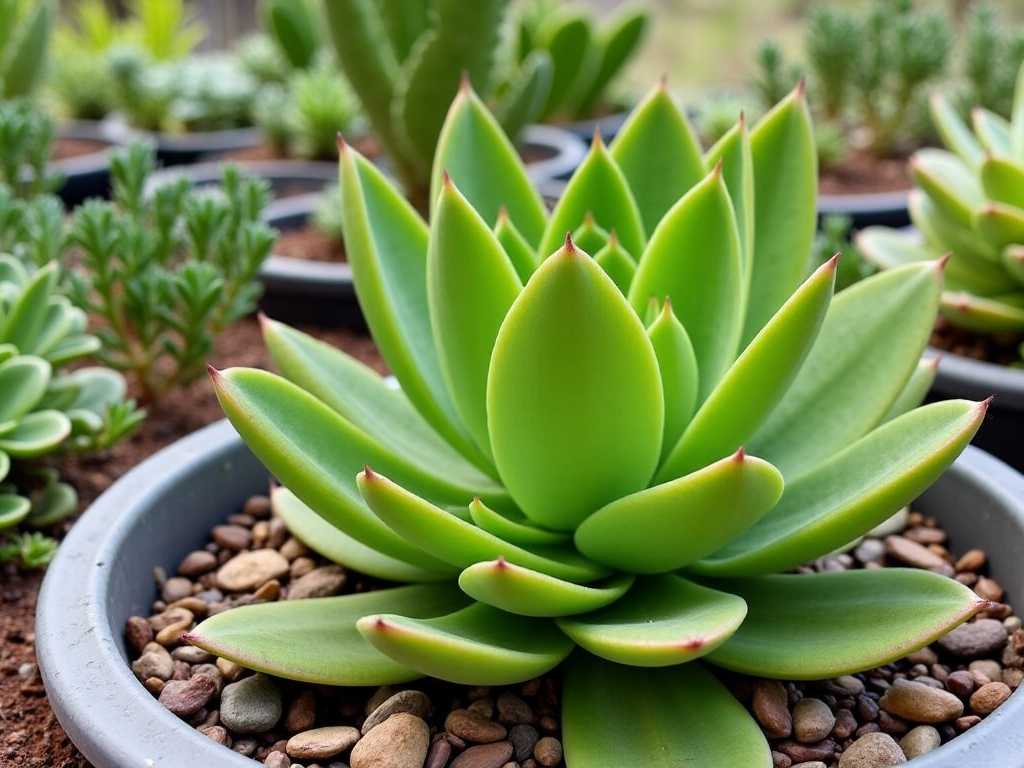
Before you buy your first plant, take a moment to understand the unique ecosystem of your home. Urban settings present specific conditions that directly impact your succulent care routine.
Assessing Light in the Concrete Jungle Light is the most critical factor. Track the sunlight in your space over a few days. A south-facing window is ideal, offering several hours of direct sun. East or west-facing windows provide gentler morning or afternoon light. North-facing windows and deeply shaded rooms require the most careful plant selection. Don't be discouraged—many succulents adapt. As noted by the Royal Horticultural Society, some species like Haworthia and Gasteria thrive in bright, indirect light, making them perfect for less sunny urban apartments.
Navigating Temperature and Humidity City apartments can be hotspots in summer and drafty in winter. Most succulents prefer temperatures between 60-80°F (15-27°C) and dislike sudden drafts from air conditioners or heaters. Central heating can create very dry air, which succulents generally prefer over high humidity. However, ensure good airflow to prevent pest infestations, a common issue in stagnant indoor air.
Selecting the Right Succulents for City Life
Your success begins with choosing plants suited to your conditions. Opt for varieties known for their adaptability.
Top Succulents for Low-Light Urban Spaces For those darker corners, consider these forgiving varieties:
- Snake Plant (Sansevieria): Virtually indestructible, it tolerates very low light and irregular watering.
- ZZ Plant (Zamioculcas zamiifolia): Thrives on neglect and low light.
- Haworthia: Prefers bright, indirect light but can tolerate less. These plants are the cornerstone of low-maintenance urban succulent gardening.
Sun-Loving Varieties for Bright Balconies If you have a sunny ledge or balcony, you can grow stunning, colorful succulents:
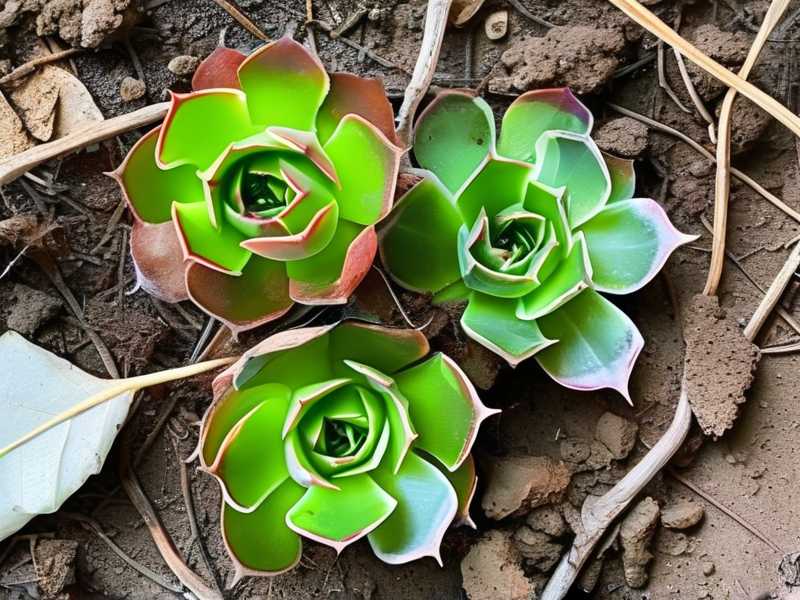
- Echeveria: Forms beautiful rosettes and loves full sun.
- Sedum (Stonecrop): Comes in trailing and upright forms, excellent for containers.
- Sempervivum (Hens and Chicks): Extremely cold-hardy, perfect for year-round balcony displays in many climates.
The Urban Succulent Care Toolkit: Water, Soil, and Container
The golden rule for keeping succulents alive in apartments is mastering the basics of water and soil. Overwatering is the number one killer.
The Art of Watering: Less is More Forget a fixed schedule. The "soak and dry" method is key. Thoroughly drench the soil until water runs out the drainage holes, then allow the soil to dry out completely before watering again. In a humid or low-light apartment, this could mean watering only every 3-4 weeks in winter. A moisture meter or the simple "finger test" (soil dry an inch down) are your best tools.
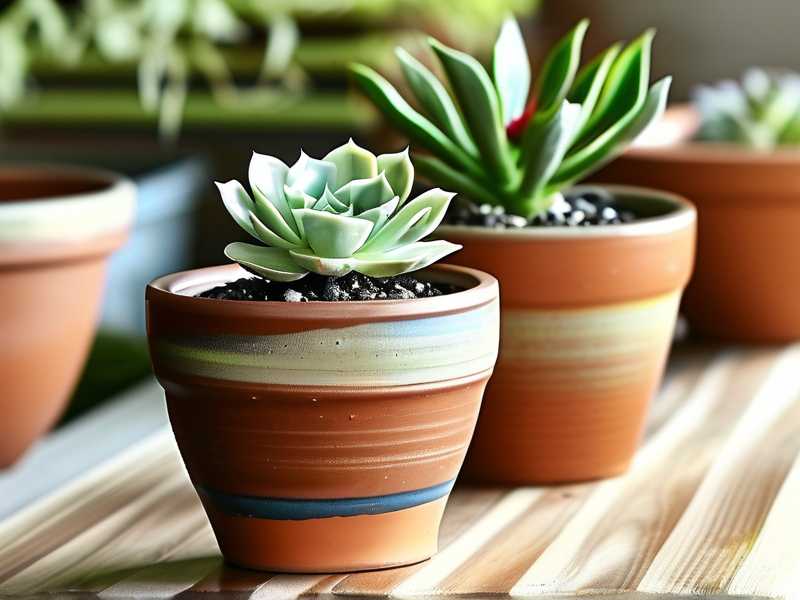
Choosing the Perfect Soil and Pot Standard potting soil retains too much moisture. You need a fast-draining mix. Use a specialized cactus/succulent soil or make your own with 50% potting soil and 50% perlite or pumice. The container is equally important. Ensure your pot has a drainage hole. Terracotta pots are ideal for beginners as they are porous and help soil dry faster. Match the pot size to the plant—succulents generally prefer being slightly root-bound.
Creative Display Ideas for Small Spaces
Urban gardening is as much about aesthetics as horticulture. Maximize your vertical and horizontal space.
Vertical Gardens and Living Walls Use wall-mounted planters, pocketed felt panels, or a simple shelf unit to create a living tapestry of succulents. This approach is perfect for turning a blank wall into a focal point. Ensure the structure is secure and that each planting pocket has adequate drainage material.
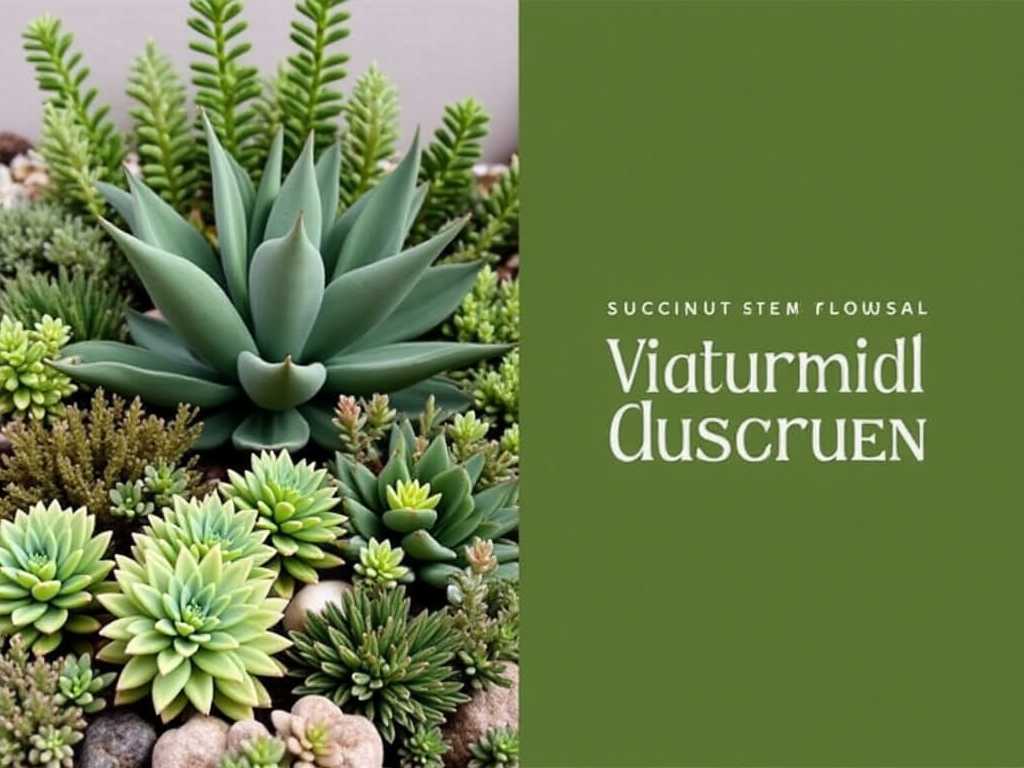
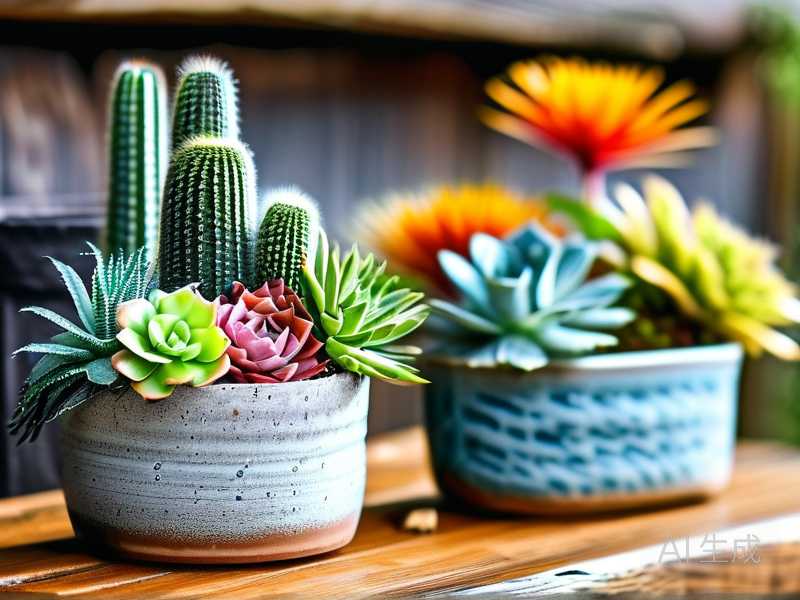
Windowsill Gardens and Terrariums A sunny windowsill is prime real estate. Arrange a collection of small pots for a charming display. Be cautious with terrariums—while beautiful, glass containers trap humidity. Only use them with an open design and with succulents that prefer humidity (like some Sedum), and follow the watering rule even more strictly.
Troubleshooting Common Urban Succulent Problems
Even with the best care, issues can arise. Quick identification is key.
Signs of Distress and Their Solutions
- Stretching or Leggy Growth (Etiolation): This means your plant needs more light. Move it to a brighter location.
- Soft, Mushy Leaves or Black Stems: Classic signs of overwatering. Stop watering immediately, remove the plant from soggy soil, cut away any rot, and repot in dry mix.
- Shriveling, Wrinkled Leaves: This is usually underwatering. Give the plant a thorough soak.
- Pests (Mealybugs, Fungus Gnats): Isolate the affected plant. Wipe mealybugs with alcohol-dipped cotton swabs. For fungus gnats, let the soil dry out completely and use yellow sticky traps.
Propagation: Growing Your Urban Oasis for Free
One of the joys of succulent care in urban gardens is how easy it is to multiply your plants. This is especially rewarding in small spaces where you can share your successes.
Leaf and Stem Cuttings Gently twist a healthy leaf from the stem or take a stem cutting. Let the cut end "callous" over for a few days to form a dry film. Then, place it on top of dry succulent soil. Mist lightly every few days. Roots and a new baby plant will eventually emerge. It’s a slow but magical process.
How often should I really water my indoor succulents? There is no universal schedule. Watering frequency depends on light, temperature, pot size, and season. Always use the "soak and dry" method and check for soil dryness first. In winter, most indoor succulents may only need water once a month or less.
Can I use grow lights for my succulents in a dark apartment? Absolutely. Full-spectrum LED grow lights are a game-changer for light-starved urban spaces. Place the lights 6-12 inches above the plants and run them for about 12-14 hours a day to simulate strong sunlight.
Why is my succulent dying even though I hardly water it? If the plant is shriveling, it might actually need more water when you do water it (ensure a thorough soak). If it's mushy, the issue might be poor-draining soil or a pot without a drainage hole, causing water to pool at the bottom where roots sit.
Embracing succulent gardening in the city is a journey of small, mindful steps. By understanding your environment, choosing resilient plants, and mastering the balance of light and water, you can cultivate a serene, green sanctuary against the urban backdrop. Start with one forgiving plant, learn its language, and watch as your confidence and your collection grow, proving that even the smallest space can host a thriving piece of nature.