bluename
 How to Fix Succulent Leaves Turning Black: A Complete Rescue Guide
Discovering black leaves on your beloved succulent can be alarming. One day your plant looks perfectly healthy, and the next, you notice dark, mushy, or shriveled leaves that signal something is seriously wrong. This common issue is often a cry for help, but the good news is that many succulents can be saved with prompt and correct action. Understanding how to fix succulent leaves turning black is crucial to reversing the damage and restoring your plant to health. This guide will walk you through the causes, immediate steps, and long-term care adjustments to ensure your succulent not only survives but thrives.
Understanding Why Succulent Leaves Turn Black

The blackening of leaves is a symptom, not a disease itself. It’s your plant’s visible reaction to stress or damage. Accurately diagnosing the root cause is the first and most critical step in effective treatment.
Overwatering and Root Rot This is the most frequent culprit behind black, mushy leaves. Succulents store water in their leaves and stems, making them exceptionally drought-tolerant but highly susceptible to overwatering. When the soil remains consistently wet, the roots suffocate and begin to decay. This rot, often caused by fungi like Pythium or Phytophthora, then travels upward through the stem and into the leaves, turning them soft, translucent, and black.
- Signs: Leaves are soft, mushy, and easily detach. The black color often starts at the base of the plant or the lower leaves and moves upward. The stem may feel soft and look darkened.
Fungal or Bacterial Infections Pathogens can attack succulents, especially in conditions of high humidity and poor air circulation. These infections can appear as black spots, lesions, or a rapid blackening of entire leaves. They can enter through wounds, water-splashed soil, or from an already infected plant nearby.
- Signs: Black or dark brown spots that may be sunken or have a yellow halo. The spread can be rapid under humid conditions, differing from the slower, mushier progression of overwatering rot.
Sunburn Just like human skin, succulent leaves can get sunburned. A sudden move from low light to intense, direct sunlight can scorch the leaves, causing irreversible damage that appears as flat, dry, crispy black or brown patches, typically on the top surfaces most exposed to the sun.
- Signs: Patches are dry, papery, and scab-like. They do not spread like an infection and are confined to the areas receiving the most intense light.
Pest Infestations Certain pests, like mealybugs or scale insects, suck sap from the plant, creating wounds and secreting honeydew. This sticky substance can encourage sooty mold, a black fungal growth on the leaf surface. While the mold itself is superficial, it indicates a underlying pest problem.
- Signs: Presence of visible insects, cottony masses (mealybugs), or hard bumps (scale). The black sooty mold wipes off the leaf surface.
Cold Damage or Frost Exposure to freezing temperatures can cause cell walls in succulent leaves to rupture. This damage manifests as blackened, water-soaked, and mushy areas, often appearing after a cold night.
- Signs: Affected leaves become soft and black, usually within days of a cold snap. The damage is often widespread on exposed parts of the plant.
Immediate Action: Step-by-Step Rescue Protocol
When you see black leaves, time is of the essence. Follow these steps to give your succulent the best chance of recovery.
-
Isolate the Plant Immediately move the affected plant away from your other succulents and houseplants. This prevents the potential spread of fungal, bacterial, or pest issues to your healthy collection.
-
Assess the Extent of Damage Gently examine the plant. Is the blackening localized to a few leaves, or has it spread to the stem? The condition of the stem is your key indicator for the next step.
- Stem is Firm and Healthy: If the stem is still solid and its color is normal (green, purple, etc., not black or brown), the plant can likely be saved by removing the affected leaves.
- Stem is Soft, Mushy, or Blackened: If the rot has reached the stem, more drastic action is required.
-
Remove All Compromised Tissue Using a clean, sharp pair of scissors or a knife (sterilized with rubbing alcohol), carefully cut away every blackened leaf. Make clean cuts where the leaf meets the stem. If any part of the stem is mushy or discolored, you must perform “surgery.”
- Stem Rot Surgery: Cut the stem well above the rotted section until you see only clean, healthy, firm tissue with no black or brown streaks inside. Allow this cutting to callous over for several days in a dry, shaded spot before repotting.
-
Treat for Infection (If Needed) For suspected fungal or bacterial issues, after cutting, you can apply a natural fungicide like a diluted hydrogen peroxide solution (1 part 3% peroxide to 3 parts water) to the cut areas, or use a commercial copper fungicide as directed. For pests, treat with isopropyl alcohol (70%) or an appropriate insecticidal soap.
-
Unpot and Inspect the Roots Even if the stem looks okay, the problem often starts below the soil. Gently remove the plant from its pot and brush away the old soil. Inspect the root system thoroughly.
- Healthy Roots: Will be firm and white or light tan.
- Rotted Roots: Will be dark brown or black, mushy, and may fall apart easily. They might also have a foul odor.
-
Perform a Root Trim Using sterilized tools, prune away all rotten roots. Be ruthless—any rot left behind will continue to spread. Only healthy, firm roots should remain.
-
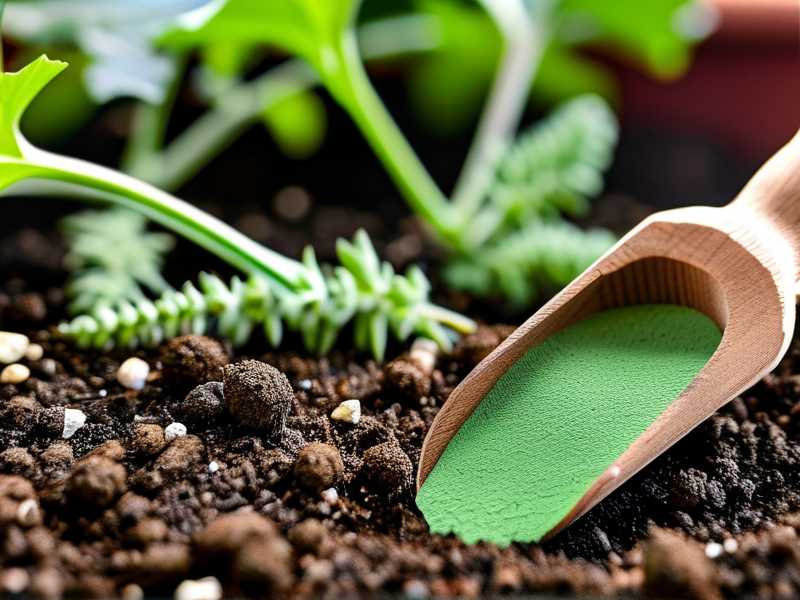
Repot in Fresh, Dry Soil Discard the old soil. Choose a well-draining succulent or cactus mix. For extra drainage, as recommended by horticulturists, amend the mix with 50% perlite or pumice. Plant your succulent (or calloused cutting) in a clean pot with a drainage hole. Do not water immediately.
Long-Term Care Adjustments to Prevent Recurrence
Saving your plant is only half the battle. Adjusting your care routine is essential to prevent the problem from happening again.
Master the "Soak and Dry" Watering Method This is the golden rule for succulent care. Water your succulents deeply only when the soil is completely dry. To check, insert a finger or a skewer into the soil. If it’s dry all the way to the bottom, it’s time to water. Pour water evenly until it runs out of the drainage hole, then let the pot drain completely. Never let the plant sit in a saucer of water. The frequency will vary with season, climate, and pot size.
Provide Optimal Light Conditions Most succulents need bright, indirect light for at least 4-6 hours daily. For intense, direct sun, acclimate them gradually over a week or two to prevent sunburn. A south or east-facing window is often ideal. If using grow lights, ensure they are the appropriate strength and distance.
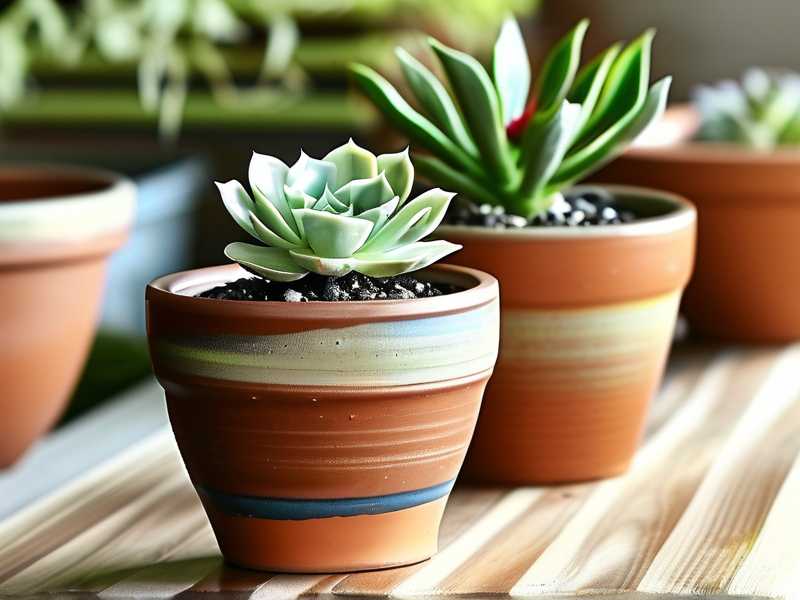
Ensure Proper Potting and Soil The right container is as important as the soil. Always use a pot with a drainage hole. Terracotta pots are excellent as they are porous and help wick away excess moisture. Your soil must be gritty and fast-draining. A standard potting soil will hold too much water and is a leading cause of black, rotting leaves.
Maintain Good Airflow and Temperature Stagnant, humid air promotes fungal growth. Ensure your plants have good air circulation, either from a gentle fan or by not crowding them together. Protect them from extreme cold. Most common succulents prefer temperatures above 50°F (10°C).
Why are only the bottom leaves of my succulent turning black and falling off? This is often a natural process called reabsorption. The plant draws nutrients and moisture from its oldest (bottom) leaves to support new growth. These leaves will dry out, become crispy, and fall off cleanly. This is normal. However, if they are mushy and black, it’s more likely a sign of overwatering.
Can a succulent recover from black stem rot? Yes, if you act quickly. By beheading the plant (cutting above the rot) and allowing the healthy top portion to callous and re-root, you can save the plant. The original base with rot should be discarded. This propagation method is a common way to salvage a severely damaged succulent.
How do I tell the difference between overwatering and sunburn? The texture is the key differentiator. Overwatering causes soft, mushy, and often translucent black leaves that may feel wet. Sunburn causes dry, crispy, scab-like patches that are flat against the leaf surface. Overwatering rot usually starts at the base, while sunburn affects the top-facing leaves most exposed to light.
Black leaves on your succulent are a clear signal that its care routine needs attention. By promptly diagnosing the cause—whether it’s overwatering, infection, or environmental stress—and taking decisive rescue actions, you can often halt the damage. Remember, the cornerstone of prevention is a disciplined watering schedule paired with exceptionally well-draining soil. With these adjustments, you can create an environment where your succulents remain resilient, showcasing their vibrant colors and unique forms without the threat of blackening leaves.