bluename
 succulent care for Travelers: Your Guide to Automated Watering for Stress-Free Trips
You love your succulent collection, but the thought of an upcoming trip fills you with dread. What happens to your plants while you’re away? Overwatering a neighbor might cause root rot, while forgetting them means returning to shriveled, sad survivors. This common dilemma forces many plant lovers to choose between their wanderlust and their green companions.
Fortunately, modern solutions exist. Succulent care for travelers is no longer about luck or burdening friends. By implementing smart, automated watering systems, you can ensure your plants not only survive but thrive in your absence. This guide will walk you through everything you need to know, from understanding your succulents’ unique needs to setting up a reliable, worry-free hydration system.
Understanding Succulent Watering Needs: Why “Set It and Forget It” Doesn’t Work
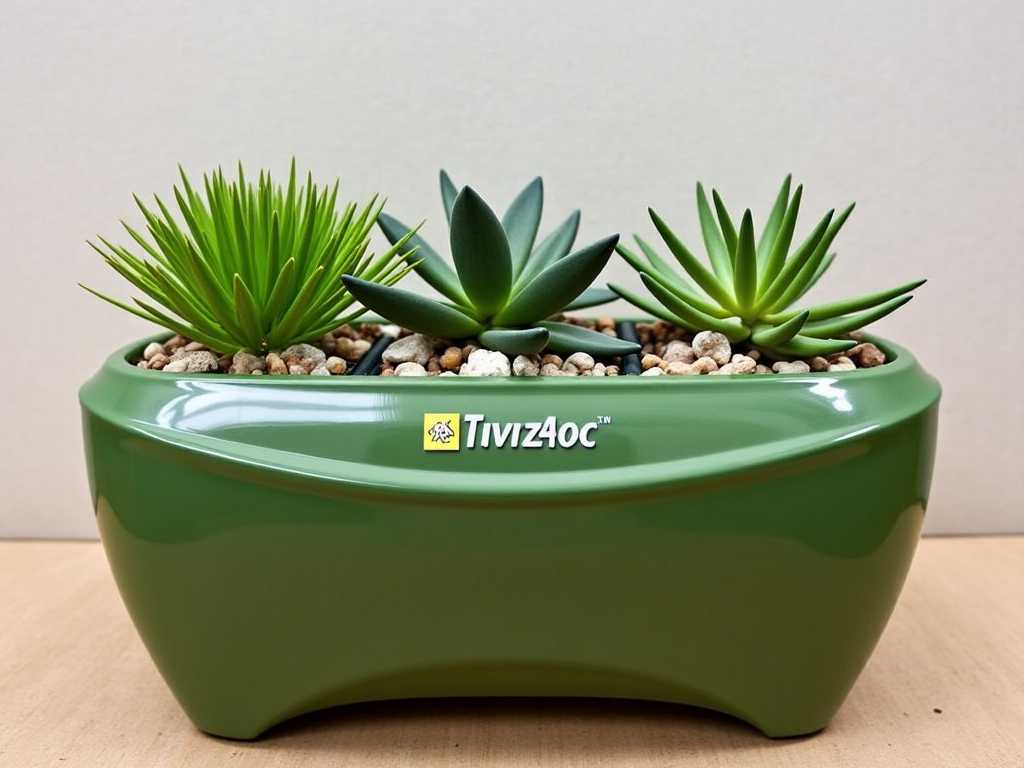
Before automating, you must grasp the core principle: succulents store water in their leaves and stems. They prefer a “soak and dry” method—thorough watering followed by a period of complete soil dryness. An automated system that provides constant, slight moisture will be disastrous.
The goal of automated plant watering for vacations is to mimic this natural cycle, not create a swamp. Factors like your home’s humidity, temperature, light exposure, and the season drastically affect how quickly soil dries. A system that works in a cool, humid spring week may fail during a hot, dry summer spell.
Choosing the Right Automated Watering System for Succulents
Not all watering systems are created equal for drought-tolerant plants. Here are the most effective options tailored for succulent care.
Drip Irrigation Systems: Precision and Control
For larger collections or long absences (over two weeks), a micro-drip irrigation kit is a top choice. It connects to a timer and your tap or a water reservoir, delivering precise droplets directly to the base of each plant.
- Setup: You’ll need a main tube, micro-tubing, drip emitters, a programmable timer, and potentially a pressure regulator. Place one emitter per pot.
- Pros: Highly customizable, scalable for many plants, and excellent for long-term use. You can set the timer to water for just a few minutes every 7-14 days.
- Cons: Initial setup is more involved and can be costlier. Requires testing to calibrate flow rate and duration perfectly for succulent soil.
Self-Watering Spikes and Globes: Simple Low-Tech Solutions
These are terracotta or glass devices you fill with water and insert into the soil. They work via capillary action, releasing water gradually as the soil dries.
- Setup: Simply fill the globe or spike and insert it deeply into pre-moistened soil.
- Pros: Inexpensive, no electricity needed, and visually unobtrusive. Great for short trips of 1-2 weeks.
- Cons: Less control over flow rate. They can empty too quickly in very porous soil or not work effectively if the soil seal is poor. Best for individual pots rather than large collections.
Capillary Matting (Wick Watering): Consistent Bottom-Up Hydration
This method uses a fabric mat that draws water from a reservoir up into the pots through drainage holes. The plant takes only what it needs.
- Setup: Place a water tray, add the capillary mat, and set your potted succulents (with drainage holes) directly on the moist mat.
- Pros: Provides consistent, gentle moisture from the bottom, encouraging healthy root growth. Ideal for a group of plants on a shelf or tray.
- Cons: Pots must have excellent drainage holes touching the mat. Not suitable for very large or deep pots. The reservoir needs to be filled and positioned correctly.
Smart Plant Watering Devices: Tech-Driven Peace of Mind
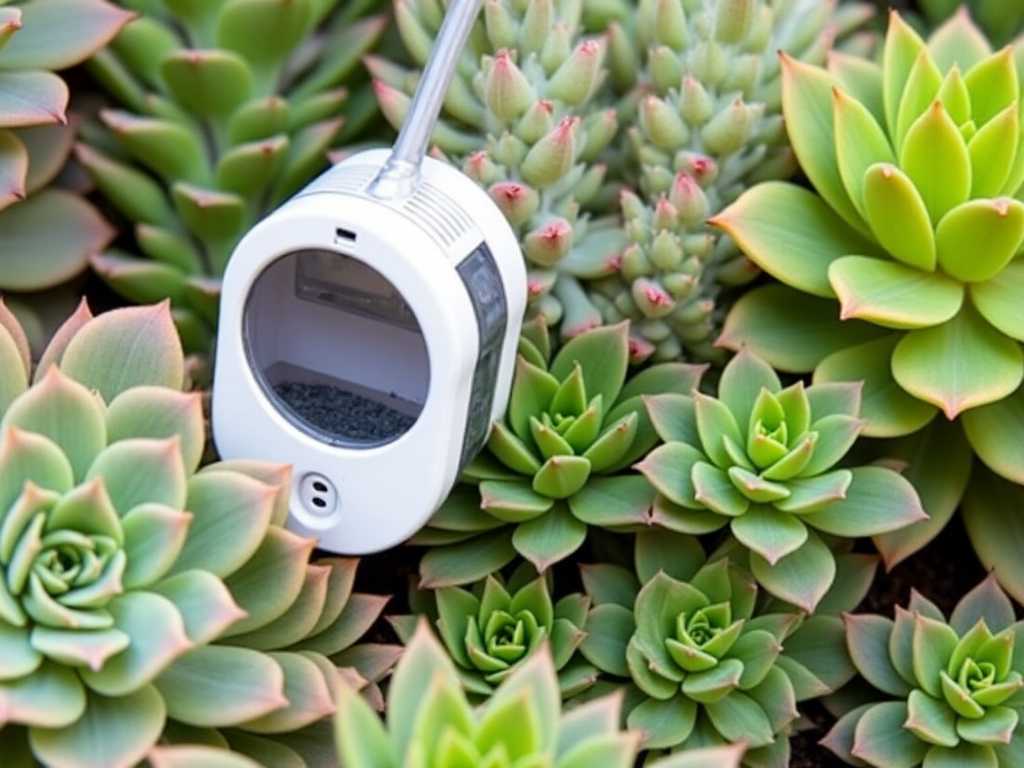
The latest innovation involves smart watering systems for houseplants. These devices combine a water reservoir, a pump, and smart sensors controlled via a smartphone app.
- Setup: Connect tubes to nozzles placed in each pot. The device syncs with an app.
- Pros: Offers ultimate control. You can create schedules, monitor soil moisture remotely via sensors, and trigger watering manually from anywhere. Some even integrate with weather data.
- Cons: Highest cost. Requires a stable Wi-Fi connection and power source.
Pre-Travel Plant Prep: The Critical Steps Before You Leave
Automation is only half the battle. Proper preparation is crucial for your succulent survival during travel.
Adjust Light and Temperature Move plants away from direct, scorching southern or western windows to a spot with bright, indirect light. This reduces water stress and prevents sunburn. Avoid dark corners, as too little light can cause etiolation (stretching). A stable, moderate room temperature is ideal.
Conduct a System Test Run Never install a new system and immediately leave. Set it up at least one week, preferably two, before your trip. Monitor how the soil moisture responds over several days. Adjust timer durations or emitter flow rates as needed. This trial period is your single most important step for success.
Group Plants Together Cluster your succulents. This creates a slightly more humid microclimate around them, slowing overall moisture loss from each pot—a trick often noted by horticultural experts to reduce plant stress.
Troubleshooting Common Automated Watering Issues
Even the best plans need contingencies. Be aware of these potential problems.
- Overwatering Risk: This is the biggest threat. Always err on the side of underwatering. Program your timer for fewer, shorter sessions than you think. Use a fast-draining cactus/succulent mix to prevent waterlogging.
- Power or Pump Failure: For electric systems, consider a battery backup for the timer. For pump-based systems, ensure the water reservoir is large enough and the pump is fully submerged to avoid burnout.
- Clogged Emitters: Minerals in water can clog small drip emitters. Use filtered water or flush the system before your trip. Having a friend check midway for a long trip is a wise backup plan.
Frequently Asked Questions
Can I just water my succulents heavily right before I leave? For very short trips (under 7-10 days), a deep soak for healthy succulents in well-draining soil is often sufficient. For longer periods, this alone is risky. The soil may stay too wet initially, then become too dry for too long. Combining a pre-trip water with an automated system for later in your absence is more reliable.
What is the maximum time I can leave my succulents with an automated system? With a well-tested reservoir or irrigation system, most succulents can be left for 3-6 weeks. The limiting factor is often the water reservoir size and the plant’s light needs, not just water. For extremely long absences, enlisting a friend for a mid-trip check (to refill reservoirs, check for issues) is recommended.
Are some succulents better for travelers than others? Absolutely. Species that are more drought-tolerant are more forgiving. Consider Haworthias, Sansevierias (Snake Plants), and many types of Sedum or Echeveria known for their resilience. Juicy, plump-leaved varieties often have larger water reserves. Always research the specific needs of your plants.
Embracing automated watering transforms travel from a source of plant-parent anxiety into a truly relaxing experience. By selecting the right system, dedicating time to a thorough test run, and preparing your plants properly, you create a self-sufficient ecosystem. You can then embark on your adventures with confidence, knowing you’ve provided the best possible succulent care for travelers. Return home to a thriving collection, ready to welcome you back.