bluename
 How to Care for succulents in Small Terrariums: A Complete Guide to Thriving Miniature Gardens
You’ve seen those enchanting, tiny succulent terrariums on social media or in stylish home decor shops. They look like self-contained, low-maintenance worlds of beauty. You bring one home, full of hope, only to watch your charming mini garden slowly turn to mush or wither away within weeks. This frustrating experience is all too common. The truth is, while the idea seems simple, caring for succulents in small terrariums requires understanding their unique, and often conflicting, needs. This guide will walk you through every step, transforming you from a confused plant owner into a confident terrarium caretaker.
Understanding the Core Challenge: Succulents vs. The Terrarium Environment
Succulents, including popular varieties like Echeveria, Haworthia, and Sedum, are native to arid, open environments with excellent airflow, intense light, and fast-draining soil. A small terrarium, especially a fully enclosed or glass container with a narrow opening, creates the opposite: a humid, stagnant, and moisture-trapping microclimate. The key to success lies not in fighting these facts, but in strategically adapting your care to mitigate the risks. Your primary goals are maximizing drainage, minimizing moisture, and providing ample light.
Choosing the Right Foundation: Container and Soil
The choices you make before planting are the most critical for long-term health.
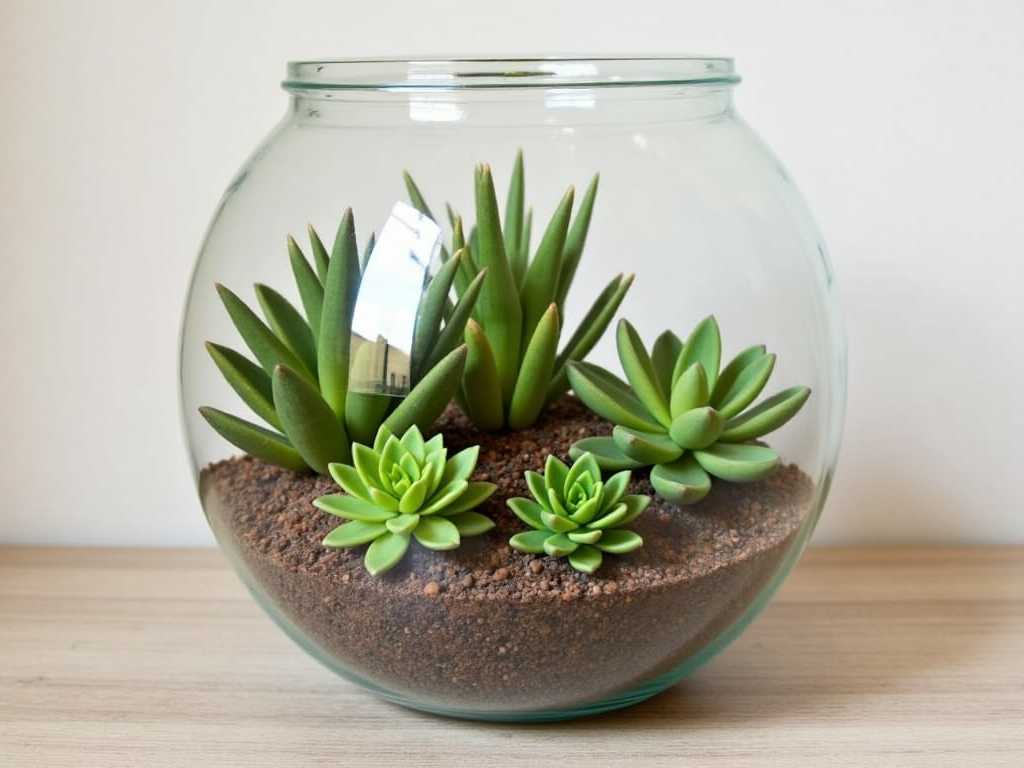
Selecting Your Terrarium Vessel Not all glass containers are created equal. For succulents, open terrariums are non-negotiable. Choose containers with wide openings, such as fishbowls, geometric glass orbs with large apertures, or even open cloches. This design allows maximum air circulation, helping excess moisture evaporate and preventing fungal growth. Avoid sealed jars, apothecary jars with small lids, or fully enclosed ecosystems.
Creating the Perfect Drainage and Soil Mix Since terrariums lack drainage holes, you must create a false drainage system.
- Drainage Layer: Start with a 1-2 inch layer of small stones, pebbles, or horticultural gravel at the bottom. This space collects excess water away from the roots.
- Separation Barrier: Add a thin layer of activated charcoal (available at garden centers) over the stones. This helps filter water and prevent odors and bacterial growth.
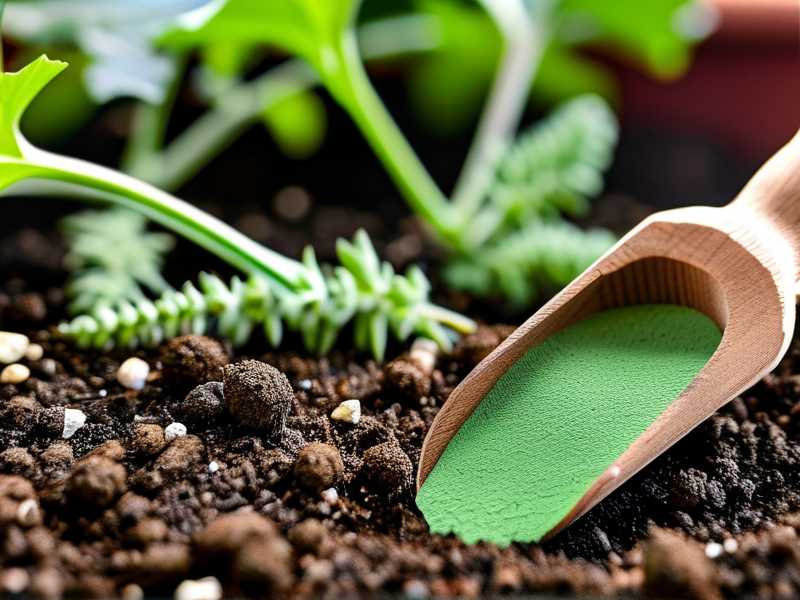
- The Critical Soil Layer: Standard potting soil is a death sentence here. You must use a specialized fast-draining succulent and cactus mix. For even better results, experts like those at the Royal Horticultural Society recommend amending this mix with extra perlite or coarse sand (in a 2:1 soil-to-amendment ratio) to further enhance drainage and aeration within the confined space.
The Art of Planting and Designing Your Miniature Landscape
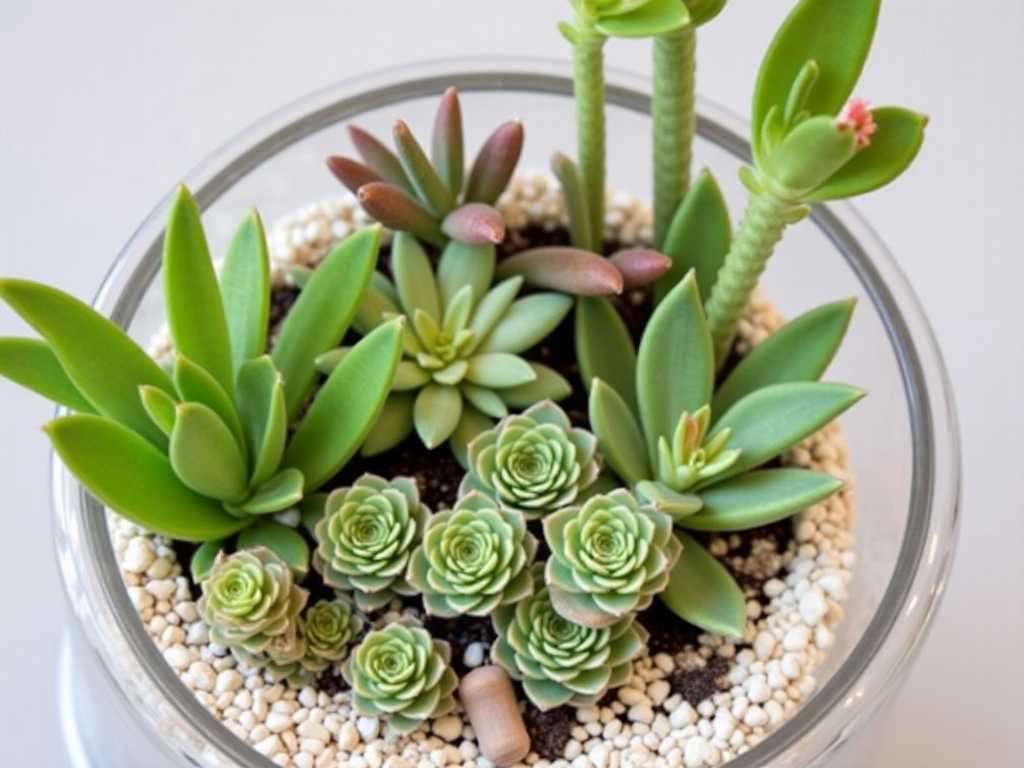
Plant Selection is Key Choose slow-growing, small, and humidity-tolerant succulent varieties. Ideal candidates include:
- Haworthia (e.g., Zebra Plant)
- Gasteria
- Some Sedums (like Sedum morganianum ‘Burro’s Tail’ for trailing effects)
- Echeveria minima (small varieties)
- Air Plants (Tillandsia) – a perfect non-soil alternative. Avoid large, fast-growing succulents or those prone to rot, like many fuzzy-leaved Kalanchoes.
Planting Technique Using long tweezers or chopsticks can help. Gently nestle the roots into your pre-moistened soil mix. Ensure leaves do not touch the glass walls, as condensation can cause rot. Leave ample space between plants for air flow and to accommodate minimal growth. Add decorative elements like small stones or driftwood last.
Mastering the Care Routine: Water, Light, and Maintenance
The Golden Rule of Watering Overwatering is the #1 killer. Your watering mantra should be “infrequent and minimal.”
- Method: Use a small syringe, dropper, or spray bottle to target the soil at the base of the plants. Avoid pouring water and never let water pool on leaves or in the bottom layer.
- Frequency: Only water when the soil is completely dry. This could be every 2-4 weeks, depending on your home’s humidity and light. When in doubt, wait another week. A report by the University of Illinois Extension emphasizes that “succulents prefer a ‘soak and dry’ method, which must be carefully managed in non-draining containers.”
Providing Adequate Light Place your open terrarium in a location with several hours of bright, indirect sunlight daily. A south or east-facing windowsill is ideal, but be cautious of intense, direct afternoon sun magnified through the glass, which can scorch plants. Rotate the terrarium occasionally for even growth. If natural light is insufficient, consider a small grow light placed 6-12 inches above the terrarium for 6-8 hours a day.
Ongoing Maintenance for a Healthy Mini Garden
- Pruning: Use clean, sharp tweezers to remove any dead or dying leaves promptly to prevent mold.
- Cleaning: Wipe the inside of the glass with a dry cloth to remove mineral deposits or algae.
- Monitoring: Watch for signs of trouble: mushy, translucent leaves (overwatering), shriveled leaves (underwatering), or elongated, stretched stems (insufficient light).
Troubleshooting Common Problems
- Condensation & Mold: Persistent foggy glass or white fuzz indicates too much moisture. Immediately remove the lid if you have one, increase air circulation, and reduce watering frequency.
- Rotting Stems: If a plant’s base turns black and mushy, it is likely a lost cause. Remove it immediately with tools to protect the others. This underscores a prior watering or soil issue.
- Pests: While less common, watch for mealybugs (small white cottony spots). Isolate the terrarium and treat with a cotton swab dipped in rubbing alcohol.
How often should I water my succulent terrarium? There is no fixed schedule. Always check the soil moisture first. Insert a wooden skewer into the soil; if it comes out clean and dry, it’s time for a very light, targeted watering. In typical indoor conditions, this interval is often 3-4 weeks.
Can I use a closed terrarium for succulents? It is highly discouraged for beginners. A closed terrarium creates a tropical, high-humidity environment perfect for mosses and ferns, but almost always fatal to succulents due to rot. Success requires expert-level ventilation and moisture control.
Why are my succulents growing tall and leggy? This is called etiolation. Your plants are stretching desperately to find more light. They need a brighter location immediately. While the stretched growth won’t revert, you can behead the top rosette, let it callous, and replant it once the base receives adequate light.
Creating a thriving succulent terrarium is a rewarding practice that blends horticulture with art. By respecting the natural needs of succulents—prioritizing open containers, gritty soil, sparse watering, and abundant light—you can defy the odds and maintain a beautiful, miniature desert landscape. Remember, the most successful terrarium keeper is a patient one. Observe your plants closely, adjust your care based on their signals, and enjoy the serene, green world you’ve cultivated in glass.