bluename
 How to Speed Up Succulent Growth Naturally: A Complete Guide
You love your succulents, but sometimes it feels like they’re stuck in slow motion. While their easy-going nature is a big part of their charm, watching them grow at a glacial pace can be frustrating. You might wonder if you’re doing something wrong or if there’s a secret trick you’re missing. The good news is, you don’t need synthetic boosters or complicated routines. By understanding and working with their natural needs, you can significantly speed up succulent growth in a healthy, sustainable way. This guide will walk you through the essential, natural methods to encourage faster, more vigorous growth for your plants.
Understanding the Natural Growth Cycle of Succulents
Before we dive into acceleration techniques, it’s crucial to understand their baseline. Succulents are adapted to survive in harsh, arid environments. Their natural growth strategy is often "slow and steady" to conserve resources. Their active growth periods are typically in the warmer spring and summer months, with many entering dormancy in extreme heat or cold. Trying to force growth during dormancy is counterproductive. The goal, therefore, is to optimize conditions during their natural growing season to maximize their potential.
Providing the Perfect Foundation: Soil and Pot Selection
The journey to faster growth starts below the surface. The right foundation is non-negotiable.
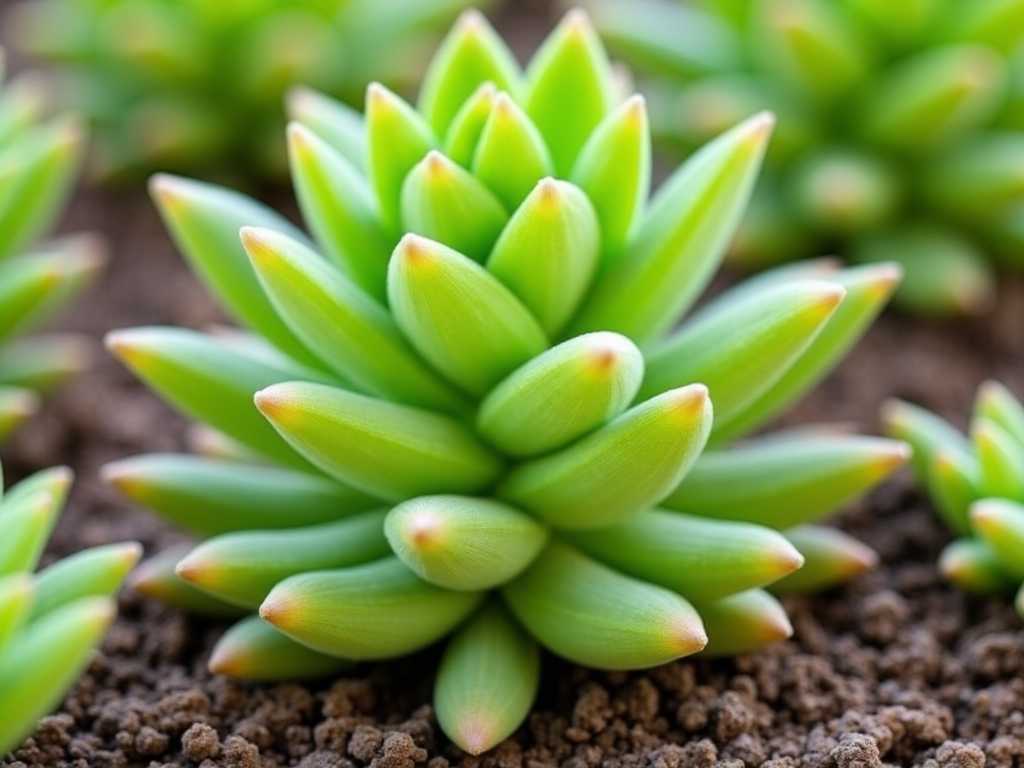
1. The Critical Role of Fast-Draining Soil Standard potting soil is a death sentence for fast succulent growth—it retains too much moisture, leading to root rot, which halts growth entirely. Your succulent’s roots need oxygen as much as they need water. A natural, well-draining mix mimics their native habitat. A perfect blend consists of:
- 50-60% Inorganic Material: Such as perlite, pumice, or coarse sand. This ensures aeration and drainage.
- 40-50% Organic Material: Like a high-quality potting mix or coconut coir. This provides minimal moisture retention and nutrients. This mix allows roots to breathe, take up water efficiently, and expand quickly without the risk of rot.
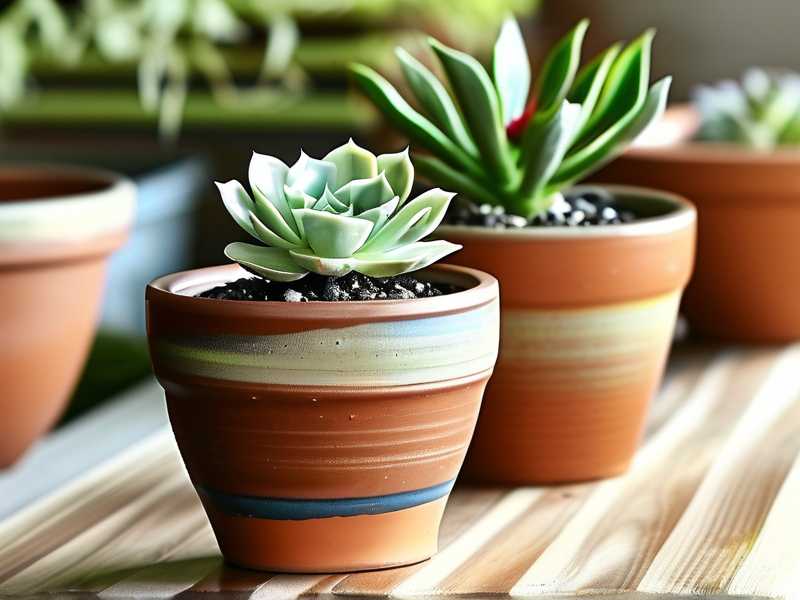
2. Choosing the Right Container The pot is your soil’s partner. Always use a container with at least one drainage hole. Material matters, too. Porous terracotta pots are excellent as they wick away excess moisture from the soil, promoting a healthy root environment. Ensure the pot is only slightly larger than the root ball; a pot that’s too large holds wet soil for too long, stunting growth.
Mastering the Art of Water and Light for Accelerated Growth
Water and light are the engines of photosynthesis and growth. Balancing them is the key to unlocking your succulent’s speed.
The "Soak and Dry" Watering Method This is the most effective technique to make succulents grow faster. Instead of frequent light sprinkles, you completely saturate the soil until water runs freely from the drainage hole. Then, you allow the soil to dry out completely before watering again. This cycle encourages roots to grow deep and strong in search of moisture, creating a robust system that supports rapid top growth. During peak growing season, this might mean watering every 7-10 days, but always let the soil’s dryness be your guide.
Optimizing Light Exposure for Maximum Photosynthesis Succulents crave bright, indirect light for at least 6 hours daily. A lack of light is a primary cause of etiolation—stretched, weak growth as the plant reaches for the sun.
- Indoors: Place them near a south or east-facing window. If natural light is insufficient, supplement with a grow light for 12-14 hours a day. This provides the consistent energy they need for faster development.
- Outdoors: Provide bright but filtered light, especially in hot climates, to prevent sunburn. Morning sun with afternoon shade is often ideal. Adequate light ensures compact, dense growth and enhances the plant’s ability to produce its own food efficiently.
Natural Nutrition and Care Practices
Feeding your succulents and proper maintenance provide the final boost for accelerated growth.
1. Fertilizing Naturally and Sparingly Succulents are light feeders, but a gentle nutrient boost during the growing season can work wonders. Opt for a balanced, water-soluble fertilizer (e.g., a 10-10-10 formula) diluted to half or quarter strength. Even better, use organic options like worm castings or compost tea. Apply this diluted fertilizer once at the start of the growing season and once more in mid-summer. Over-fertilizing can burn roots and damage the plant, so less is more.
2. Strategic Pruning and Propagation Pruning isn’t just for looks; it directs the plant’s energy. Pinching off the top of a leggy stem (beheading) encourages it to produce multiple new, faster-growing offshoots from the sides. Regularly removing dead or dying lower leaves (a natural process) improves air circulation and allows the plant to focus energy on new growth. Furthermore, the leaves or stems you remove can be propagated, effectively multiplying your collection. A healthy, uncrowded plant focuses its resources on growing bigger.
3. Ensuring Seasonal Care and Dormancy Respect Pushing growth year-round is unnatural and exhausting for the plant. Recognize and respect dormancy periods. For most succulents, reduce watering significantly and stop fertilizing entirely in the winter when light levels and temperatures drop. This rest period is vital. When spring arrives with longer days, resume your optimized care routine, and you’ll be rewarded with a burst of vigorous new growth.
How often should I water my succulent to make it grow fastest? Frequency is less important than method. Use the "soak and dry" technique, watering deeply only when the soil is completely dry. This promotes strong root growth, which is the foundation for fast top growth. In warm, sunny growing seasons, this may be weekly, but always check the soil first.
What is the best natural fertilizer for speeding up succulent growth? Organic, gentle options are ideal. Worm castings lightly mixed into the topsoil or a diluted compost tea provide a slow release of nutrients. If using a commercial fertilizer, choose a balanced formula and dilute it significantly to avoid shocking the plant’s system.
Can more sun alone speed up my succulent's growth? While crucial, more sun must be balanced with other factors. Abruptly moving a plant to intense, direct sun can cause sunburn, which severely damages it and stops growth. Increase light exposure gradually. Remember, increased light also increases the plant’s water needs. The synergy of bright light, proper watering, and good soil together creates the perfect environment for accelerated, healthy growth.
By embracing these natural strategies—perfecting your soil and pot, mastering the balance of water and light, and providing gentle, seasonal care—you create an environment where your succulents can thrive at their maximum natural pace. Patience, combined with this informed care, will transform your slow-growing succulents into lush, vibrant specimens that grow with surprising speed and vitality.