bluename
 succulent care for Small Gardens: A Complete Guide to Thriving Miniature Landscapes
Does your small garden, balcony, or windowsill feel too limited for lush greenery? You dream of a vibrant, low-maintenance oasis, but cramped spaces and busy schedules make it seem impossible. What if the perfect solution was a plant that thrives on neglect, offers stunning variety, and fits perfectly in tiny nooks? Welcome to the world of succulents—the ultimate champions for compact gardens. This comprehensive guide will transform your small space into a breathtaking display of texture and color, proving that you don’t need a sprawling yard to cultivate natural beauty.
Why Succulents Are Perfect for Small-Space Gardening
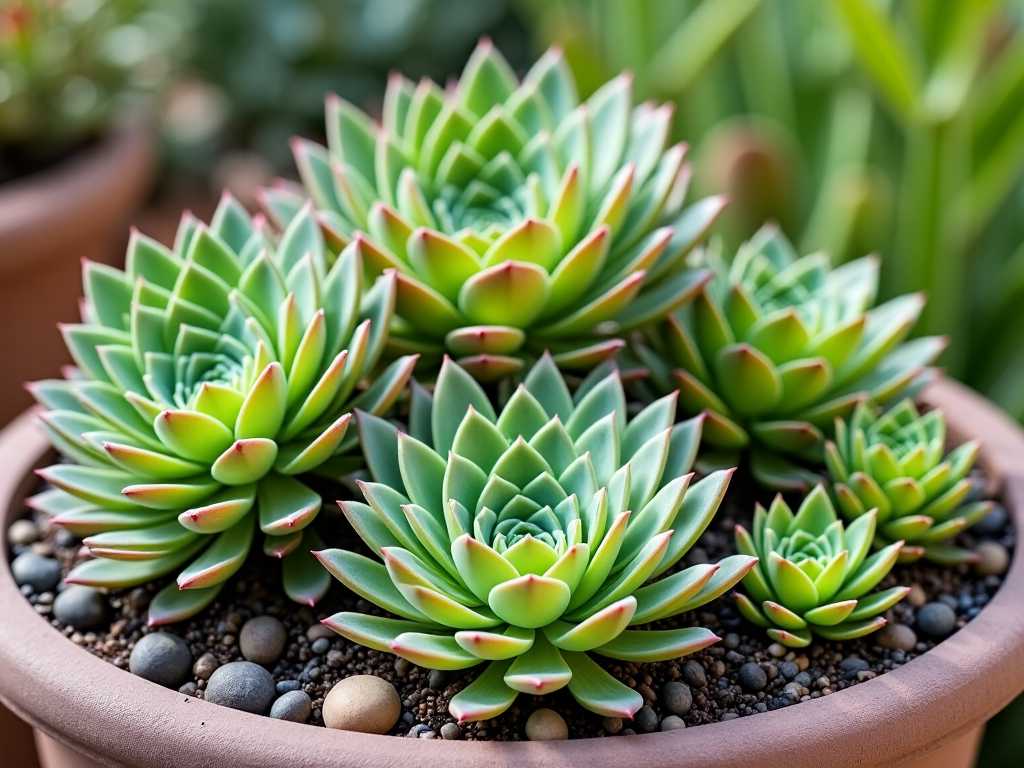
Succulents have evolved to store water in their leaves, stems, or roots, making them exceptionally drought-tolerant and adaptable. This inherent resilience translates directly into advantages for the small-space gardener.
First, their scale is ideal. From tiny, button-sized Lithops (living stones) to the elegant rosettes of Echeverias, succulents come in forms that fit perfectly on shelves, tabletops, and vertical planters. You can create a rich, layered garden in just a square foot. Second, their care routine aligns with modern, busy lifestyles. They require less frequent watering than most plants, reducing the chore load. As noted in a University of Florida IFAS Extension report on water-wise gardening, “Succulents are excellent choices for reducing irrigation needs and promoting sustainable landscaping,” especially in confined areas where overwatering is a common risk.
Finally, the design versatility is unmatched. Their architectural shapes and spectrum of hues—from deep jade to vibrant purples and fiery reds—allow you to design living art. A small succulent garden is not just a collection of plants; it’s a dynamic, evolving sculpture.
Essential Foundations: Soil, Pots, and Placement
The secret to long-term succulent health lies not in constant attention, but in getting the basics right from the start. A common downfall for beginners is treating succulents like ordinary houseplants.
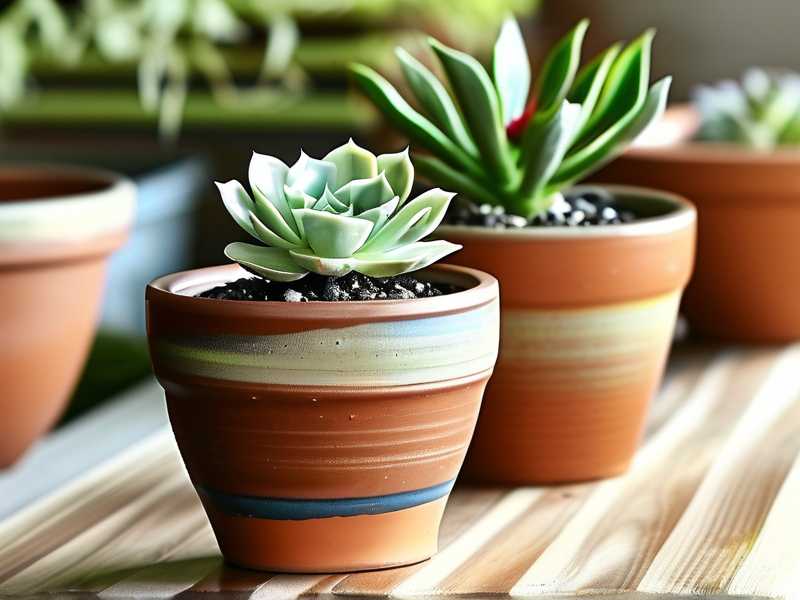
Choosing the Right Container Drainage is non-negotiable. Every pot must have a drainage hole. For small spaces, get creative: shallow bowls (often called “succulent dishes”), hanging planters, wall pockets, or even repurposed teacups with drilled holes. Material matters. Porous terra cotta is excellent as it allows soil to dry evenly, while glazed ceramic retains more moisture. Ensure your container size is proportionate to the plant; a little root snugness is good, but excessive soil in a large pot stays wet too long.
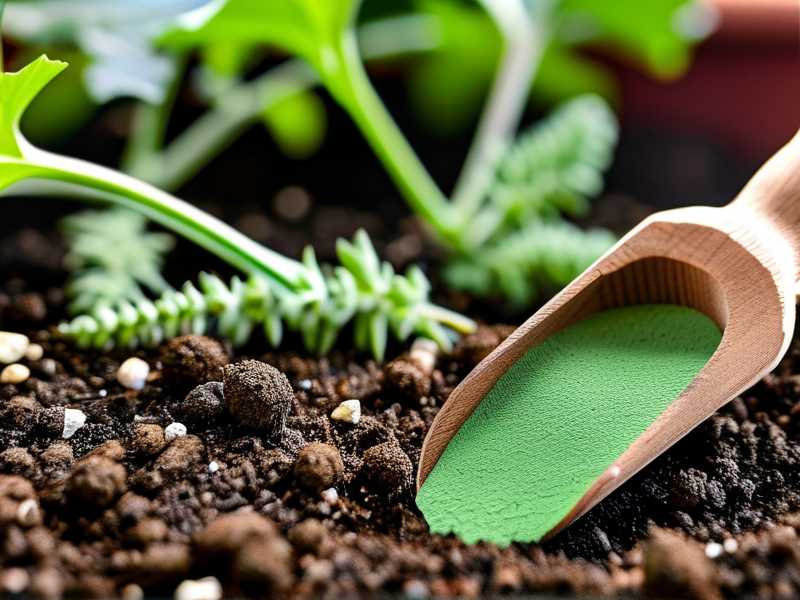
Crafting the Perfect Soil Mix Standard garden soil or generic potting mix is a death sentence for succulents in containers. They demand a fast-draining, gritty medium. Expert horticulturist and author Debra Lee Baldwin emphasizes, “The goal is to mimic the succulent’s native, arid habitat. A well-draining soil mix is more critical than any other factor.” A simple, effective mix is 50-60% potting soil blended with 40-50% inorganic material like perlite, pumice, or coarse sand. This blend prevents water from pooling around the roots, effectively preventing rot.
Mastering Light and Location Most succulents crave bright, indirect light for at least 4-6 hours daily. A south or east-facing windowsill is prime real estate. In small outdoor gardens, observe patterns: morning sun with afternoon shade is often ideal. Signs of insufficient light include stretching or “etiolation,” where the plant grows leggy reaching for the sun. Conversely, intense, direct afternoon sun through a window can scorch leaves. Rotate your pots regularly for even growth. If natural light is scarce, consider a compact grow light—a perfect hack for small indoor gardens.
The Art of Watering: Less is Truly More
This is the most crucial and often misunderstood aspect of succulent care for small gardens. The mantra is: “Soak and Dry.”
Do not water on a schedule. Instead, water only when the soil is completely dry. To check, stick your finger an inch into the soil. For small pots, you can also assess by weight—a dry pot feels significantly lighter. When it’s time, water thoroughly until excess water flows freely from the drainage hole. This ensures the entire root ball gets moisture. Then, let the soil dry out completely again. In winter, when plants are dormant, watering may be as infrequent as once a month. Overwatering is the fastest way to lose a succulent, while underwatering is easily corrected.
Designing Your Miniature Succulent Garden
Creating visual impact in a small area is about composition and contrast.
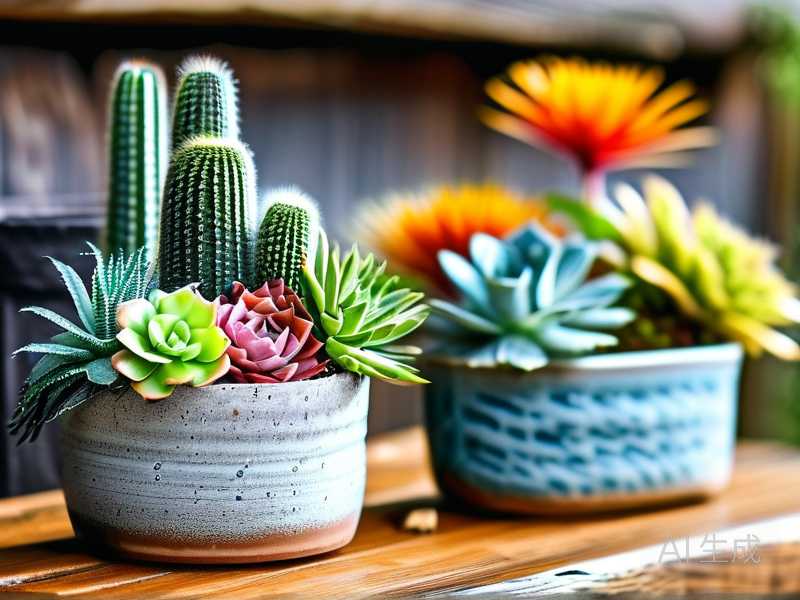
Selecting Complementary Varieties Combine different forms for interest. Use upright growers like Sansevieria (Snake Plant) or Aloe as “thrillers.” Low-growing rosettes like Sempervivum (Hens and Chicks) or spreading types like Sedum morganianum (Burro’s Tail) act as “fillers” and “spillers.” This classic container recipe works beautifully for small succulent arrangements. Consider color themes—a monochromatic green palette for calm, or a mix of Echeveria ‘Lola’ (lavender) and Sedum nussbaumerianum (copper) for warmth.
Vertical and Tiered Displays Maximize space by thinking upwards. A wooden pallet converted into a vertical planter, a set of wall-mounted geometric pots, or a simple stepped plant stand can triple your planting area. These displays also improve air circulation around plants, promoting health.
Propagation: Multiply Your Garden for Free
One of the great joys of caring for succulents in compact spaces is how easily they multiply. Many varieties propagate from leaves or stem cuttings. Gently twist a healthy leaf, let the broken end callus over for a few days, then place it on dry soil. Mist occasionally, and soon you’ll see new roots and a tiny plant. This allows you to expand your collection, share with friends, or refresh arrangements without cost—a key tip for sustainable small-space gardening.
Common Pests and Problems: Simple Solutions
Even resilient succulents face occasional issues. Mealybugs appear as tiny, cottony masses in leaf crevices. Treat with a cotton swab dipped in rubbing alcohol. Fungus gnats signal overly moist soil; let the soil dry deeper between waterings. The most common ailment, root rot (soft, mushy stems/leaves), is prevented by perfecting your watering habits and soil mix. Early detection and isolation of affected plants keep problems contained in your small garden.
Seasonal Care Adjustments Through the Year
Your small garden succulent maintenance routine should shift with the seasons. Spring and summer are active growth periods; water and fertilize lightly (use a balanced, diluted fertilizer). Fall is a time to prepare for dormancy—reduce watering. Winter is mostly hands-off; protect outdoor succulents from frost by moving them indoors or using covers. For indoor displays, keep them away from cold drafts and heating vents.
Frequently Asked Questions
My succulent is growing tall and leggy. What should I do? This is etiolation, caused by insufficient light. Gradually move it to a brighter location. You can behead the plant: cut the top rosette, let it callus, and replant it. The remaining stem may also produce new offshoots.
How do I know if I’m overwatering or underwatering? Overwatered succulents have soft, translucent, mushy leaves that may turn yellow or black. Underwatered plants have wrinkled, shriveled, or crispy leaves. When in doubt, err on the side of underwatering.
Can I plant different types of succulents together in one pot? Absolutely! Grouping succulents with similar light and water needs is an excellent design strategy. Ensure the pot has good drainage and use a well-draining soil mix. This practice, known as companion planting, creates stunning miniature landscapes.
Embracing succulent gardening in a small space is a journey of creativity and mindful care. By focusing on the fundamentals of gritty soil, infrequent but thorough watering, and ample light, you set the stage for success. These resilient plants offer endless possibilities to design, propagate, and enjoy a serene green retreat, no matter the size of your domain. Start with a single pot, apply these principles, and watch your miniature landscape thrive with minimal effort and maximum reward.