bluename
 How to Make succulents Develop More Compact Rosettes
Let me cut straight to it. If your succulents are stretching tall like little green beanstalks instead of forming those tight, jewel-like rosettes you see on Instagram, the answer is almost always light. I killed my first three Echeverias before I figured out that compact rosettes are 80% light, 15% watering skill, and 5% pot choice. Start there. More light, less water, smaller pot. That's the whole game.
I remember the day I brought home a gorgeous Echeveria 'Perle von Nürnberg'. It was a perfect lavender-pink swirl. Within six weeks, it looked like a lopsided artichoke climbing out of its pot. I was devastated. And I was watering it twice a week. Classic beginner move.
Here's the hard truth I had to accept: 90% of indoor plants die from overwatering. For succulents, that number feels even higher. They want to be ignored. They want tough love. They want to live in a desert, not a swamp.
Why Do Succulents Lose Their Compact Rosette Shape?
Before we get into fixes, let's talk about why this happens. A rosette succulent stretches out when it's searching for light. This is called etiolation. In nature, they get direct sun for hours. Indoors, they get a bright window for maybe half that.
The plant stretches its stem and spreads its leaves to maximize surface area. The leaves become spaced further apart. The colors fade to pale green. The whole shape becomes loose and open.
I think the light issue is the least visible problem to beginners. Many people think a sunny living room is fine. Actually, most succulents need way more than that. They need direct, unfiltered sunlight for at least 6 hours. Actually, 6 to 8 hours is better. South-facing windows are gold for this.
My 2-Week Fixed-Routine for Compact Rosettes
Let me walk you through the exact routine I use now. I re-set my whole setup two weeks ago with a particularly stubborn Graptopetalum that was going full desert tumbleweed. After 14 days, I already see new center leaves coming in tighter and closer together. Pick a plant and try this today.
Week 1: Fix the Light and the Pot
Day 1 starts with light assessment. I moved my stretched succulents to a south-facing window sill. If you don't have a south window, a strong grow light is going to be your best friend. I bought a cheap full-spectrum LED grow light and set it just 12 inches above the plants. They need to be within 12-18 inches of the light source. Trust me, distance kills.
On Day 2, I checked the pots. Here's a big mistake I see everywhere. People use pots that are way too big. A huge pot holds too much soil. Wet soil sits around the roots forever. This leads to rot and loose, fast growth.
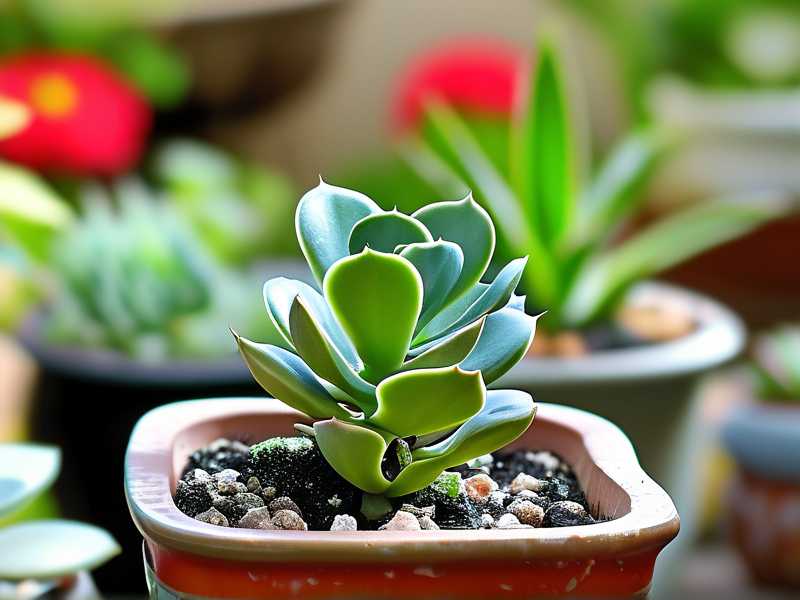
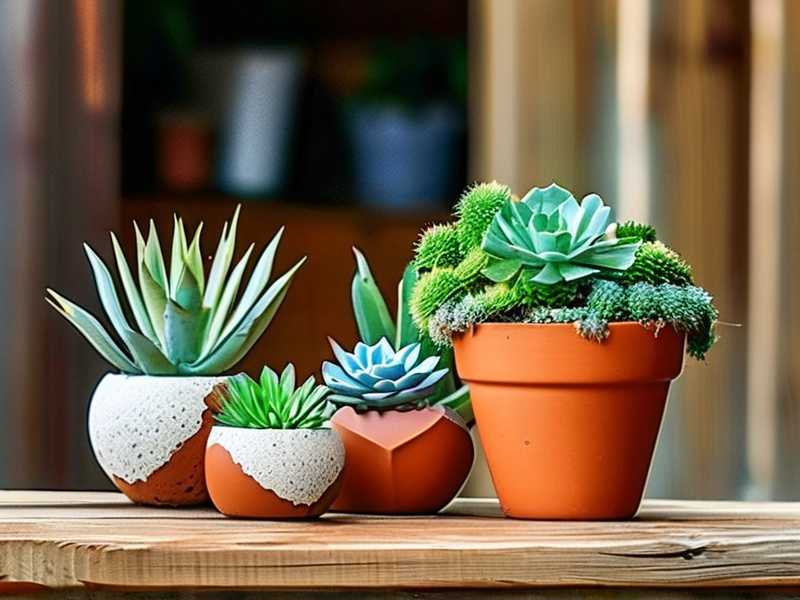
I repotted the worst offender into a tiny terracotta pot. What did I learn? The pot should be just slightly wider than the diameter of the rosette itself. Terracotta breathes. It wicks moisture away from the roots. Plastic pots are too forgiving and let water linger.
When I transplant, I use a gritty mix. I mix one part potting soil, one part coarse sand, and one part perlite or pumice. This mixture drains completely within a few seconds. I packed it down lightly. Then I waited.
Week 1 Continued: The Watering Pause
From Day 3 to Day 7, I did absolutely nothing. No water. Not even a mist. I let the roots sit in dry soil. Succulents love this. The stress of dry soil actually triggers them to absorb water into their leaves and build tighter tissue.
The dramatic change for me was when I stopped treating them like rainforest plants. I get it. We all want to nurture. But succulents interpret water as a signal to grow fast. Fast growth means stretched, loose shapes. Dry soil forces them to slow down and conserve.
Week 2: Watering Technique and Rotation
On Day 8, I watered properly. Not with a spray bottle (which does basically nothing but wet the top leaves). I used a narrow-spout watering can. I watered the soil only, being careful not to touch the leaves. I watered until water trickled out of the drainage holes. It seems odd, but this method allows the entire root ball to get hydrated.
Then I stopped again.
On Day 10, I rotated the pot. Plants grow toward the light. If they always face the same direction, only one side gets good sun. The other side pushes more slowly. This causes an asymmetrical rosette. I gave the pot a quarter turn every morning in Week 2.
One thing I forgot with my earlier plants was airflow. On Day 11, I moved a small fan nearby on low speed. Stagnant air fosters fungal diseases and makes leaves soft. A gentle breeze strengthens the stems and keeps leaves robust.
By Day 14, the center leaves looked visibly more pointed and pressed together. It’s not a full miracle. But it’s a strong start.
The 3 Fatal Errors for Beginners
I’ve been at this for a while. I have made every single mistake on this list. Contact with common sense is often lost when buying cute tiny succulents. Here are the three biggest traps, and how to avoid them.
Error 1: Overwatering (The Kill Shot)
Let me share a dull story. I bought a Haworthia and placed it in a decorative glass jar. The jar had zero drainage holes. I thought “it’s a terrarium, that’s how they live, right?”
I watered it generously. It was dead within ten days. The roots sat in wet mud. They suffocated. They rotted from the base up.
Since then, I follow the “when in doubt, don’t bother” rule. Wait until the soil is completely dry. Then wait another 3-4 days. If the leaves feel mushy, you’re watering too much. If the soil pulls away from the pot’s edge, it’s time to drink.
I usually water every 10-14 days in summer, and once a month during winter when they’re sluggish. Adjust based on your local climate, but never stick to a strict schedule. Honestly, checking the soil with your finger is better than any calendar.
Error 2: Wrong Light Position (Sunburn + Stretching)
People say “give it sun” then throw it into the deepest shadow of a shelf.
Last summer, I put a delicate Pachyphytum outside for full sun to make it compact, but I left it out all day without acclimating it. The afternoon sun burned trenches into its leaves. On the other hand, my indoor ones stretched like taffy. I learned the lesson: morning sun is softer. Afternoon sun is brutal.
Indoors, the best locations are south-facing or east-facing windows. A west window works if you use a sheer curtain to filter the late sun.
If the window is too bright, introduce the plant gradually. Start with 2 hours of direct sun. Increase by 1 hour each day. This prevents sunburn while driving the tight rosette shape.
Light is not just for energy. It signals the plant to make leaves closer together at the center. So find that sunny spot, and watch them pull themselves into a pretty spiral.
Error 3: The Wrong Pot Size and Material
I used to think all pots were the same. Then I put an Echeveria in a giant ceramic bowl because it looked lovely.
Within a month, the lower leaves yellowed and the stem turned brown. Why? Because the soil in a bowl stays wet for too long in the middle. The roots simply sat in a cold, soggy puddle far from the pot rim.
Use a pot with drainage holes. Always. If you love a decorative pot, use it as a cachepot. Plant in a terracotta inside, and take it out to water.
Also, pot size matters. Most succulents like snug homes. A small pot encourages the plant to pack roots tight, which leads to denser leaf growth. A very big pot creates room for the roots to wander, so the top grows larger leaves and wider gaps. Downsize if necessary. It’s fine, they like a little crowding.
How to Maintain Compact Growth for Specific Genera
Not all succulents are built the same. Different types have different triggers. Let me break it down for your personal collection.
Echeveria and Echeveria Hybrids
This is the poster child for rosette form. They need full sun or very bright grow light. If you can, keep them outside during the warm months, but morning sun is best.
The quicker they dry, the better. Keep the medium extremely porous. I use pumice-heavy mix for these. When the center leaves are pale green, they want more light. When the leaves cup upward like tiny taco shells, they are sun-stressing. That’s good. Let them glow pink and purple.
Sempervivum (Hens and Chicks)
These are tougher. They are alpine plants. They actually need winter dormancy to stay tight.
I have some in a shallow bowl outdoors. They get cold during winter. Some plants freeze completely solid. Then, in spring, they come back tighter than ever. Definitely give them maximum light and fresh air. Keep them outdoors if possible. Otherwise, put them under a strong grow light for 12-14 hours a day.
Sedum and Graptopetalum
These produce those little star-shaped rosettes that each feel like a jewel. They aren't as demanding as Echeveria, but they will still stretch if ignored in the dark.
I keep mine in a south window. The soil dries quickly. They honestly get less water than my Echeveria. That's because their leaves are plump and store a lot of water. Less water equals more compact coloring.
Using Fertilizer and Temperature to Increase Density
Fertilizer is a weird thing for succulents. Most of us think that plant food equals fast growth. That’s true, but we don’t want fast growth. We want slow, compact, controlled growth.
Wait. Let's not confuse novice readers. Succulents still need some nutrients. Do this: use a diluted, low-nitrogen fertilizer once in early spring and once in summer.
High nitrogen makes the plant stretch and become softer, which increases the likelihood of ugly growth. Use a balanced 5-10-10 formula (lower nitrogen) mixed to quarter strength.
Temperature matters too. They grow more compact when nights are cooler (around 50-55°F) and days are warm (up to 85°F). This temperature swing signals them to store energy for dormancy rather than push out new elongated stems.
Should I Behead My Stretched Succulent?
If you have a top-heavy, stretched plant, beheading is the best surgical fix. I grew my collection by beheading.
Here is exactly what I do.
Use a clean, sharp knife. Cut the stem about 1 inch below the rosette. Peel off a few of the lower, looser leaves. Let the wound dry for 2-3 days on a counter. You will see the cut callous over. Then place it on moist (not wet) soil. Wait for roots to appear within 1-2 weeks.
The base stem you left in the old pot usually shoots out tiny baby rosettes. That stem is not dead. You can keep watering it lightly. In about 3 weeks, you will have two plants for the price of one. That is the best way to reset a stretched plant and get a compact rosette from the start.
The Exact Growing Medium Recipe I Swear By
I know I mentioned this before, but I want to be clear. My mix is one part organic cactus soil, one part pumice, and one part coarse perlite.
Sure, you can buy bagged succulent mix. But many bagged mixes hold too much peat moss. That locks in moisture for too long.
My homemade mix drains in seconds. If you want to test yours, water a container and see if water pools on top. If it pools, add more perlite. If it runs through instantly, you're golden.
I also add a thin top dressing of gravel. This looks nice and keeps the rosette leaves off wet soil. Wet leaves often cause fungal spots. Gravel also reflects extra light back up onto the low leaves, encouraging the whole rosette to stay compact.
How to Use Grow Lights for Indoor Compact Rosettes
If you live in an apartment, natural light might not be optimal. I use full-spectrum LED panels.
Place them 6 to 18 inches from the plant’s top. Each day, keep them on for 12 to 14 hours. Put them on a smart timer so the plants get a consistent “sunset”.
Adjust the height. If the center leaves turn white or bleach, the light is too close. If they stretch upward, the light is too far. Aim for a happy middle where they keep their bright colors.
A neat trick is to place a sheet of white paper behind the plants to reflect light back to the shaded side. It’s a cheap hack that gets me more uniform rosettes.
My Maintenance To-Do List for Every Season
Succulents don't stay perfect forever. Leaves get old, lower parts become woody. I have a simple seasonal to-do list to keep them tidy.
In spring: Repot or refresh topsoil. Remove any dead leaves around the base. Introduce fertilizer at half strength.
In summer: Give them afternoon shade if temps hit 40°C (104°F). Water more often (when soil dries fast).
In autumn: Prepare for dormancy. Stop fertilizing. Reduce water significantly. Moles may start digging, so move outdoor pots to a safer spot.
In winter: Cold and dry is the best scenario for indoor plants. Keep them near a window. Avoid heating vents, as hot dry air isn't the same as sunlight. Do not water them if the soil stays damp.
Frequently Asked Questions
Why is my succulent growing tall instead of staying compact?
It is not getting enough light. The plant stretches upward to find more photons. Move it to a sunny window or under a grow light. Gradually acclimate it to stronger light to avoid sunburn. Once it has enough light, new leaves will grow closer together.
How often should I water succulents to keep them compact?
Only water when the soil is completely dry, plus a few extra days. This might be every 7-10 days in a hot, sunny season, or every 3-4 weeks in winter. Check with your finger, or lift the pot. When it feels very light, it’s time to water. Less water keeps the growth slower and denser.
Can I use regular potting soil for succulents?
No. Regular potting soil is too dense and holds too much moisture. It traps water around roots, causing root rot and loose growth. Always mix with perlite or pumice to increase drainage. Or buy a soil mix specifically labeled for cacti and succulents, and add more gravel to be safe.
Final Setup That Works Best
For anyone still confused, here’s my simplest closing advice. Get a small terracotta pot with drainage. Fill it with gritty soil. Place it in the brightest window you own, or under a grow light for 12 hours daily. Ignore it for two weeks. Then water it thoroughly and walk away. Repeat for a month.
I attempted every fancy trend in this hobby. The best results always come from mimicking the exact environment succulents evolved in. Bright, unfiltered sun, dry dusty roots, warm days and cool nights. If you can recreate those conditions, no matter where you live, you will have dark, dense, perfectly formed rosettes.
After two weeks of using this exact routine, I noticed a real difference. The leaves are stacked like a tight cabbage. Now when I look at my windowsill, I see tiny jewels rather than leggy messes. And the best part is, this works on every single succulent I’ve tried.
I still keep a beheaded original stem in the corner. It’s sprouting three new baby rosettes. That’s the magic of this hobby. Patience, observation, and a lot of light. Get out there and make your succulents shine.