bluename
 Let me cut straight to the chase: give them 4-6 hours of direct morning sun, water only when the soil is bone dry, and stress them slightly with a cool night temperature around 50°F (10°C) . That’s the real secret. I learned this the hard way after killing eight plants.
I’ve spent years obsessing over succulents. Honestly, my windowsill looks like a tiny desert nursery now. But getting those fiery reds, deep purples, and sunset oranges? That took time. I messed up a lot. You probably are too.
The good news? It’s fixable. In this guide, I’ll walk you through exactly what I did over a two-week period. I’ll show you my step-by-step process, the mistakes I made, and how I turned pale green mush into jewel-toned stunners.
The 3 Deadly Mistakes That Kill Succulent Color (and the Plants)
Before we dive into what works, let’s talk about what kills. I’ve made every mistake in the book. Trust me.
① Overwatering: The #1 Silent Killer
90% of indoor plants die from overwatering. For succulents, that number feels even higher. My second succulent, a lovely Echeveria, turned into translucent goo within a week. Why? I watered it every three days. I thought it was thirsty. I was wrong.
Succulents store water in their leaves. They hate wet feet. When you overwater, the roots suffocate. Then rot sets in. The leaves lose their firmness and become mushy. Color? Gone. Life? Gone.
The fix: Only water when the soil is completely dry. Stick your finger an inch deep. No moisture? Then wait two more days. Seriously. I now water my indoor succulents every 14-21 days. In winter, even less.
② Wrong Light Exposure: The Color Drainer
I used to think my kitchen window was “bright enough.” It wasn’t. My succulents stretched out, became leggy, and lost all their red tips. They turned a sad, uniform green. That’s etiolation. It happens when there isn’t enough light.
Succulents need direct sunlight, not just bright ambient light. A north-facing window won’t cut it. An east-facing window is good for morning light. South-facing is the gold standard.
The fix: Move your plants to the brightest spot you have. If you can’t provide 4-6 hours of direct sun, get a grow light. I use a cheap LED one. It works wonders.
③ Wrong Pot Choice: The Root Suffocator
My first pot had no drainage hole. I thought it looked cute. It was a glass terrarium. Big mistake. Water pooled at the bottom. Roots rotted. My plant died within a month.
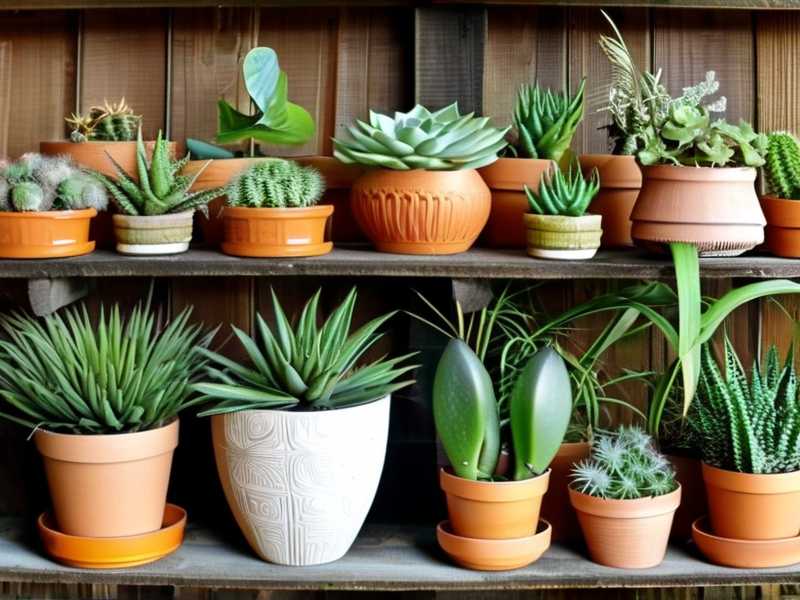
Succulents need pots with drainage holes. Period. Terracotta is my favorite material. It’s porous, so it wicks away excess moisture. Plastic pots trap water. I’ve switched entirely to terracotta now.
The fix: Use a terracotta pot with a large drainage hole. Use a gritty, well-draining soil mix. I mix 50% perlite with 50% cactus soil.
My 2-Week Blueprint for Vibrant Succulent Colors
Alright, here’s the real deal. This is my exact process. I ran this experiment on a batch of Graptopetalum, Echeveria, and Sedum. The results were dramatic. Here’s what I did, day by day.
Week 1: The Light and Temperature Shift
Day 1-2: Assess and Relocate
First, I moved all my succulents to my south-facing balcony. It’s exposed, gets 6+ hours of direct sun, and has a noticeable temperature drop at night. This is crucial.
Many people don’t realize that temperature stress triggers color change. When nights get cool (below 60°F/15°C), the plant produces anthocyanins. That’s the pigment responsible for reds and purples. It acts like sunscreen for the plant.
I checked my local forecast. We had 75°F days and 50°F nights. Perfect. If you live in a warm climate, you might need a more sheltered spot or a fan at night to simulate a temperature drop.
Day 3: The First Acclimation
Don’t shock your plants. I see beginners move them from a dark corner to full sun and burn them. The leaves turn white or brown. That’s sunburn. It’s permanent.
Instead, I introduced them slowly. Day 1 was 1 hour of morning sun. Day 2 was 2 hours. By Day 4, they were out for the full 6 hours. I did this gradually. It works.
Day 5-7: The Color Stress Begins
By the end of week one, I started seeing subtle changes. The Echeveria’s leaf tips turned pinkish. The Sedum’s edges got a faint orange tint. It was working.
I also stopped watering entirely during this week. I wanted the soil to stay dry. Dry roots + bright light + cool nights = maximum stress. That’s the magic formula.
Week 2: Refining the Process
Day 8-9: Check on Growth Points
I inspected the center of each rosette. New growth should be compact and tight. If the leaves are spreading out, it needs more light. I realized my Haworthia was happy, but my Crassula needed more.
I moved the Crassula closer to the light source. Within two days, the edges started turning a deep burgundy. That was a win.
Day 10: The First Watering
After 10 days of no water, the soil was bone dry. The leaves were slightly soft to the touch. That’s my cue. I use the “wrinkle test.” If the bottom leaves look a bit wrinkled or deflated, they’re thirsty.
I watered deeply. Not a mist. A thorough soak until water ran out the drainage hole. Then I waited again.
Pro tip: Bottom watering is better. I place the pot in a tray of water for 30 minutes. This encourages roots to grow downward. It also keeps the topsoil dry, preventing rot.
Day 11-13: The Color Intensifies
This is when things got exciting. The red tips turned to full-blown crimson. The purple tones on my Echeveria deepened. The Sedum looked almost burnt orange.
The secret was the cool night temperature. We had a cold front come through. Night temps hit 48°F. The colors popped like crazy. I genuinely love this part of autumn.
Day 14: Final Results
After two weeks, my succulents looked completely different. They were way more vibrant. The contrast was insane. I took before-and-after photos. The difference is undeniable.
The Science Behind Succulent Color (Made Simple)
So why does this work?
There are three main pigments in succulents:
- Chlorophyll (green) – essential for photosynthesis.
- Carotenoids (yellow/orange) – always present, but masked by chlorophyll.
- Anthocyanins (red/purple/blue) – produced in response to stress.
When a plant is comfortable (lots of water, moderate light, warm nights), it focuses on growth. Chlorophyll dominates. The plant stays green.
When stressed (cold, dry, intense light), the plant shifts to survival mode. It produces anthocyanins to act as a protective shield. This antioxidant blocks excessive light and helps the plant cope with cold. This is what gives those amazing colors.
I’ve read studies that support this. The RHS has documentation on hardening off plants and the effects of temperature stress on pigmentation. It’s solid stuff.
The AHS also recommends seasonal adjustments. They advise moving containers to sunnier spots in fall and spring to exploit temperature differentials.
My Specific Growing Conditions (For Reference)
Everyone’s environment is different. Here’s what works for me:
- Location: Zone 9b, coastal California.
- Sun exposure: South-facing balcony, 6-7 hours of direct morning-to-afternoon sun.
- Temperatures: 70-80°F days, 45-55°F nights.
- Watering frequency: Every 2-3 weeks in the growth season. Once a month in winter.
- Soil mix: 50% organic cactus mix, 30% pumice, 20% coarse sand.
- Pots: Unglazed terracotta, always with drainage holes.
If you live in a cooler, cloudier climate, you’ll need to adjust. Consider a grow light for 8-10 hours a day. Or use an indoor greenhouse cabinet. I tried one last winter. It worked really well.
The Light Factor: Indoor vs. Outdoor
I grow most of my collection outdoors. The results are much better. But not everyone has that option.
If you’re growing indoors, light is your biggest bottleneck. A windowsill alone often isn’t enough. I recommend:
- South-facing window is non-negotiable if you want color.
- Full-spectrum grow lights placed 6-12 inches away.
- Running the light for 10-12 hours a day.
You’ll need to experiment. I tried a cheap clip-on grow light first. It worked okay. I upgraded to a stronger panel light. Way better. The colors on my Echeveria lilacina turned lavender. It was beautiful.
The Watering Schedule that Saves Lives
I see so many people kill succulents by drowning them. Let’s fix that.
Here’s my rule:
“When in doubt, don’t water.”
You can always add water later. You can’t remove rot. I used to keep a schedule. I don’t anymore. I just observe the plant and the soil.
Signs your succulent needs water:
- Soil is completely dry (use a wooden chopstick to check).
- Bottom leaves are slightly wrinkled.
- Leaves feel deflated or a bit soft.
- Pot feels super light when lifted.
Signs your succulent has too much water:
- Leaves are mushy or translucent.
- Leaves fall off easily with a slight touch.
- The stem is soft or black.
- There’s a foul smell from the soil. That’s rot.
Choosing the Right Pot (and Why I Switched)
I’m a big fan of terracotta. Here’s why:
- It’s porous. It lets water evaporate quickly.
- It cools the roots naturally.
- It prevents waterlogging.
Plastic pots are okay for propagation. But for mature plants? No thanks. They hold too much moisture. I used a plastic pot once and got fungus gnats. What a nightmare.
Ceramic glazed pots are pretty, but they aren’t breathable either. If you love them, just be extra careful with watering. Skip the decorative cachepots without holes. Don’t even use them.
Soil is equally important.
Standard potting soil is too dense. It will suffocate roots. I mix my own:
- 1 part perlite.
- 1 part coarse sand.
- 2 parts commercial cactus soil.
Simple. Drainage is key. The water should run straight through. It should never pool on the surface for more than a few seconds.
Temperature and Seasonal Color Plays
The easiest way to trigger color is to expose plants to temperature swings. This mimics their natural mountain habitat.
In the wild, many succulents survive frost and heat. The wider the temperature swing, the more stress, the more color. I use the seasons to my advantage.
Spring:
Fresh growth, lots of sun. This is the best time to “unleash” color. I move my plants outside as soon as frost risk passes.
Summer:
Harsh sun can cause sunburn. I provide afternoon shade, like 30% shade cloth. I water a little more frequently. The colors are stable but not extreme.
Autumn:
This is the golden period. Temperature drops, clear skies, strong sunlight. The colors reach their peak. This is when my plants glow.
Winter:
Growth slows down. I reduce watering drastically. Light is weak. Most succulents go dormant. I keep them lean and dry. This prevents etiolation.
My Favorite Vibrant Species (To Start With)
If you want color, try these. They’re forgiving and show dramatic pigmentation:
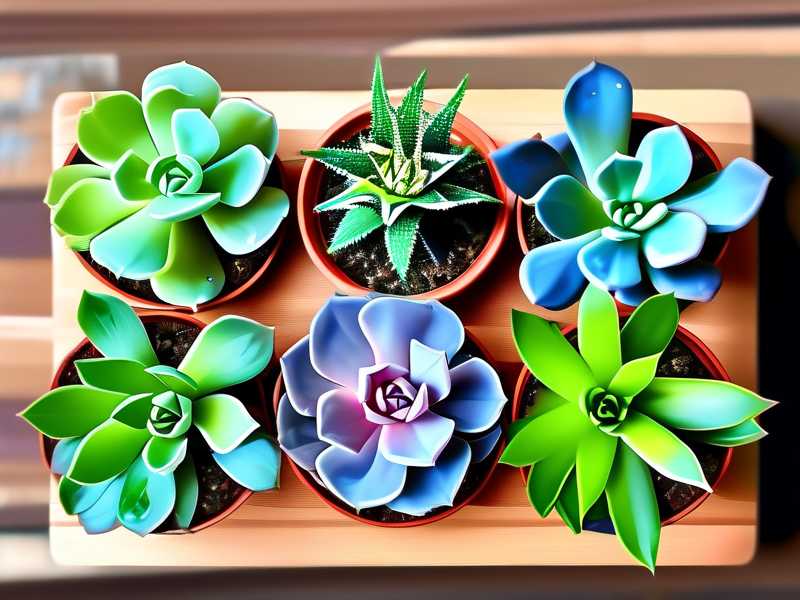
- Echeveria elegans: Soft blue leaves that turn pinkish-red at the edges.
- Graptopetalum paraguayense (Ghost Plant): Pale purple to rose.
- Sedum rubrotinctum (Jelly Beans): Red and orange tips in full sun.
- Crassula capitella (Campfire Plant): Turns blazing red in fall.
- Aeonium arboreum ‘Zwartkop’: Deep burgundy, almost black.
- Sempervivum arboreum: Survives cold, turns purple or red.
Start with one of these. They’re resilient and rewarding. You’ll see color changes within a week or two.
My Personal “Color Improvement” Checklist
Here’s a summary I use. Feel free to copy it.
- Light: 4-6+ hours of direct sun, preferably morning.
- Water: Only when soil is dry, then deep water.
- Temperature: aim for a 15°F+ drop between day and night.
- Pot: Terracotta, with drainage holes.
- Soil: Gritty, 50% inorganic.
- Fertilizer: Minimal or none. Too much nitrogen promotes green growth.
- Patience: Color takes 2-4 weeks to develop fully.
Troubleshooting Common Problems
My leaves are turning brown or white.
That’s sunburn. Ease them into sunlight slowly. Also check if water droplets are staying on the leaves. They act like magnifying glasses.
The base is turning black.
That’s rot. Usually too much water. Dig the plant out. Cut off the black part. Let it callous over. Re-plant in dry soil. Wait a week before watering.
The plant is growing tall and pale.
That’s etiolation. It’s starving for light. Move it closer to a window or add a grow light. Be prepared to cut off the top and propagate it.
No matter what I do, it stays green.
Sometimes genetics limit color. Check if your plant species is a color-variable type. If so, increase stress slowly and be patient.
The Role of Fertilizer (A Myth Busted)
Many beginners think fertilizer helps color. Actually, it can hurt. Too much nitrogen speeds up growth. This suppresses anthocyanin production. The plant becomes tall, weak, and green.
I use a cactus fertilizer with a ratio like 2-7-7 (low nitrogen, high phosphorus and potassium). I use it once in spring and once in autumn. That’s it. Skip the fertilizer if you’re just starting. Focus on light and water first.
Final Thoughts Before You Start
You don’t need fancy equipment. You don’t need to be an expert. You just need to adjust a few basic variables.
Start with light. Then fix the pot and soil. Then adjust watering. The temperature will naturally follow. Before you know it, your succulents will be bursting with color.
Using the RHS guidelines and AHS advice, I refined my methods. It worked. It will work for you too.
Now go out there and give your plants the sunny, dry, cool stress they crave. The payoff is absolutely stunning.
Frequently Asked Questions
Q1: How long does it take for succulents to show color?
It depends on the stress level. In bright sun and cool nights, you’ll see visible changes in 2 weeks. Full intensity takes about one month.
Q2: Can I keep succulents violet-colored indoors?
Yes, but you need a south-facing window and ideally a grow light. Without direct bright light, they will fade back to green within a couple of weeks.
Q3: Why did my succulent lose its color?
It’s not getting enough light, or the temperature difference is too small. If you moved it indoors or watered too often, the stress response has gone away. Environment adjusts slowly.