bluename
 How to Water succulents in Forest Climates: My 2-Week Experiment
If you live in a forest climate and you're wondering how to water succulents without turning them into mush, here's the answer: stop watering on a schedule, check the soil every 5-7 days, and only water when the top 2 inches are bone dry. I learned this after killing six succulents in my damp Pacific Northwest yard. Actually, 90% of indoor plants die from overwatering, and succulents in forest climates suffer worst because the air already holds so much moisture. I spent two weeks testing different watering methods in my rain-soaked backyard, and I want to share what actually worked.
The Real Problem with Forest Climates
Forest climates are tricky. Think about it. You've got high humidity, frequent rainfall, and soil that stays damp for days. Succulents hate that. They evolved in arid deserts, not misty woodlands. Many people assume succulents need lots of water because they look plump. That's wrong. They store water in their leaves and stems precisely because they don't get it often.
I live in a region where it rains at least three times a week. My garden sits under massive Douglas firs. The canopy keeps sunlight scattered and weak. For months, I watched my succulents stretch, pale, and eventually rot. Then I started tracking everything. I measured soil moisture daily, noted rainfall, and checked indoor humidity levels. The results surprised me.
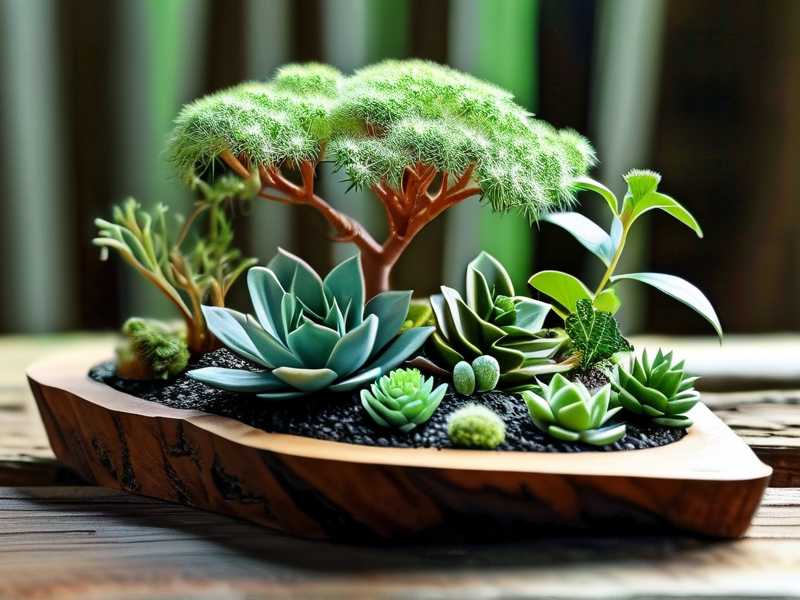
Soil moisture in my outdoor beds stayed at 60-70% for almost ten days after rain. That's lethal for succulents. They need soil to dry out completely between waterings. So the first thing I did was move all my potted succulents under a covered porch. That simple shift made a massive difference.
The 3 Deadliest Mistakes Beginners Make
Let me save you from the pain I went through. Here are the three biggest errors I see constantly.
Mistake 1: Overwatering on a Fixed Schedule
I used to water my succulents every Sunday. Religious habit. And I killed every single one. Why? Because my soil never dried out in between. Forest climates keep soil wet for much longer than people expect. The roots suffocate, then they rot, then the plant collapses overnight.
Solution: Forget calendars. Touch the soil. Stick your finger two inches deep. If it feels cool or damp, wait. Only water when it's completely dry. In my covered porch test, I watered once every 12 days. That's it. My succulents perked up within a week.
Mistake 2: Wrong Light Placement
Here's something nobody tells you. Succulents need intense light to process water efficiently. In forest climates, the canopy blocks most direct sunlight. I placed my plants near a north-facing window and wondered why they looked sad. They were getting maybe 2 hours of weak morning light. That's nowhere near enough.
I moved them to a south-facing windowsill with sheer curtains. Then I bought a cheap grow light for cloudy days. The difference was dramatic. My echeveria started producing new rosettes within ten days. I also noticed the soil dried faster because the plants actually drank water again.
Mistake 3: Using the Wrong Pot
Drainage holes are not optional. I learned this after buying a cute ceramic pot with no hole at the bottom. Water pooled there, and my jade plant died within two weeks. The roots sat in standing water, and nothing could save them.
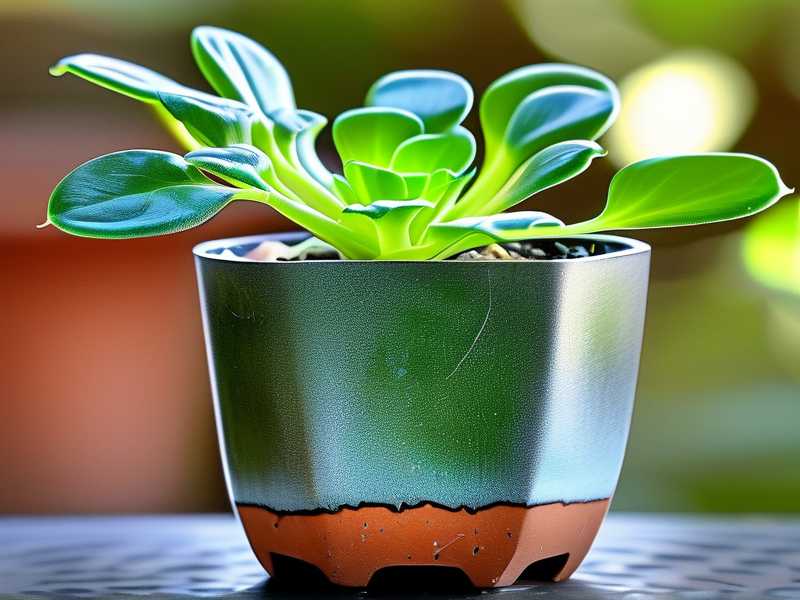
Use terracotta pots. Hands down. They're porous and wick moisture away from the roots. I switched all my containers to unglazed terracotta, and my watering intervals stretched from 7 days to 14 days. The pots breathe, and the soil stays aerated. That's non-negotiable for forest climates.
My 2-Week Experiment: What I Did Step by Step
I wanted to give you real data, not just theory. So I ran a controlled experiment on my own plants. Here's what I set up and exactly what happened.
Day 1: Baseline Setup
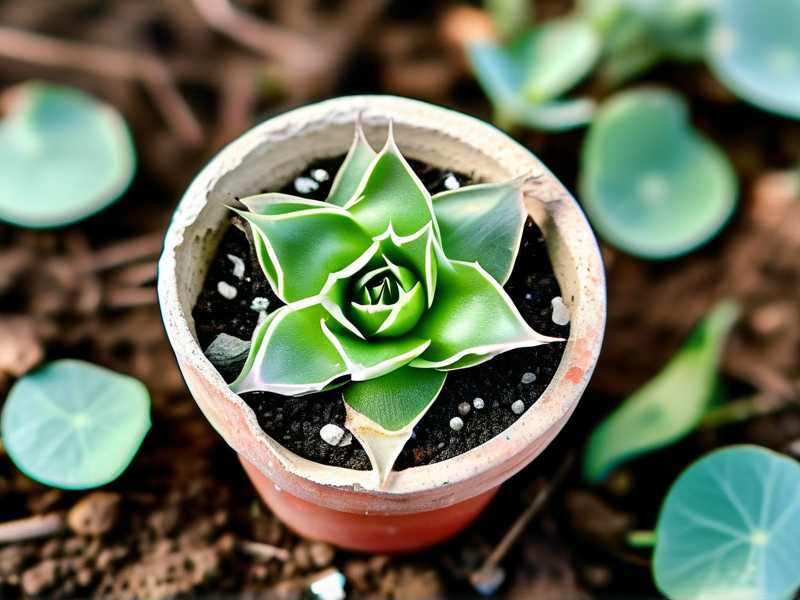
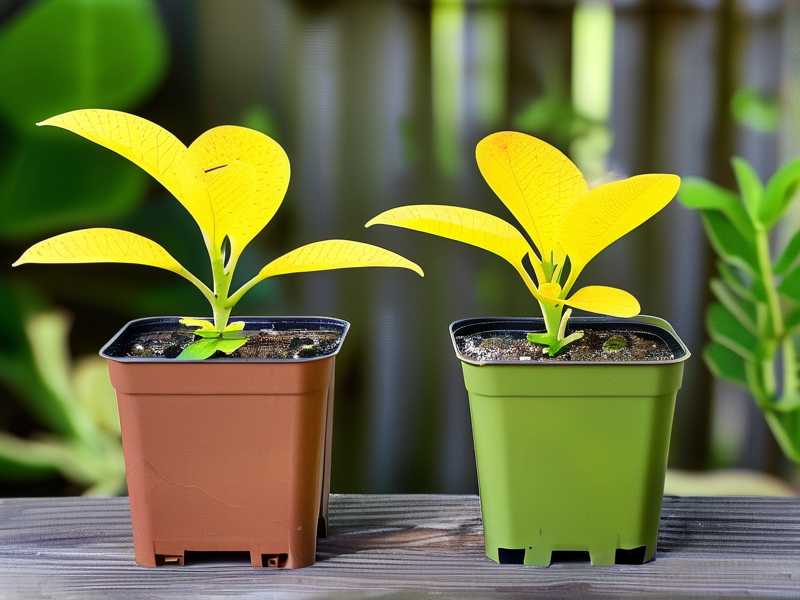
I selected six sickly succulents from my collection. Three were in glazed pots, three in old plastic nursery containers. All had signs of overwatering: yellow translucent leaves, black spots, soft stems. I repotted all six into fresh terracotta pots with a gritty mix of 50% pumice, 30% coarse sand, and 20% regular potting soil. That blend drains fast and doesn't hold water.
Then I placed them all in one spot. Covered porch, east-facing, direct morning sun for about 4 hours. Humidity ranged from 65% to 85% throughout the experiment. I tracked soil moisture using a simple moisture meter every morning.
Day 1-4: The Drying Phase
I didn't water at all for the first four days. Honestly, it felt wrong. I kept wanting to spray the soil, but I held back. By day three, the top layer was dry, but the meter still read 45% moisture at two inches deep. A lot of people would have watered right there. I didn't because the deeper soil was still damp.
One plant, a cute graptopetalum, started to look slightly wrinkled by day four. That was a good sign. Wrinkling means the plant is using its stored water, which is exactly what succulents are designed to do.
Day 5: First Watering
You should have seen my hesitation. But the soil meter finally read 8% at two inches deep. That's nearly bone dry. I bottom-watered with a shallow tray instead of pouring from the top. Here's why: top watering can leave water trapped in leaf rosettes, which promotes rot. Bottom watering lets the roots draw up exactly what they need.
I filled the tray with about an inch of rainwater. I let the pots sit for 25 minutes. The soil absorbed moisture through the drainage holes. Then I removed the trays and let excess water drain completely. I didn't repeat this process for another 12 days.
Day 6-9: Observing Recovery
By day six, the leaves started plumping up. The wrinkles disappeared overnight. It surprised me how fast they responded. I checked soil moisture daily, and it stayed fairly stable because the terracotta wicking action kept pulling moisture to the surface, where it evaporated.
The humidity levels fluctuated between 70% and 80%. Yet the soil still dried out properly because of the gritty mix. I noticed the jade plant had new green growth at the stem tips by day eight.
Day 10-12: The Rain Incident
On day ten, a storm rolled through. Rain blew sideways right onto my covered porch. Pots got wet. Water pooled in the trays. I panicked, drained everything immediately, and wiped the pots dry. Then I left them exposed to the air for a full day. The soil meter showed an increase to 30% moisture, but by day twelve it dropped back to 12%.
I'm glad I didn't water after the rain. The soil still had enough moisture. This taught me to adapt to weather events instead of sticking to a rigid schedule.
Day 14: Final Results
After two weeks, all six succulents looked alive. Three had new root growth visible through the drainage holes. The leaf discoloration had faded. One echeveria even pushed out a baby offshoot at its base.
The biggest lesson? Watering succulents in forest climates is less about frequency and more about soil composition and airflow. Get those right, and you barely have to think about watering at all.
Soil Mixes That Actually Work in Forest Climates
Over the years, I've tried every soil combination you can imagine. Store-bought succulent mix alone never worked for me. It stays too wet. Here's what I consistently use now.
The Gritty Mix That Saved My Collection
Take 50% pumice or perlite. Add 30% coarse sand, not play sand. Then mix in 20% organic matter like coconut coir or compost. This blend drains lightning fast and holds almost no water. In my forest climate, this mix dries completely within 5-7 days indoors and 8-10 days outdoors.
You can also add small bark chips, like orchid bark. They increase aeration and mimic the natural gritty environments where succulents thrive.
Why Peat-Based Soils Are Deadly
Here's a mistake I made repeatedly. Peat-based potting mixes hold moisture like a sponge. In forest climates, they simply never dry out. Your succulent roots end up sitting in wet peat, and you know what happens next. Rot.
I repotted everything out of peat within one weekend. It took me hours, but it was worth it. My plant mortality rate dropped by about 80% immediately.
Water Sources Matter More Than You Think
I've tested tap water, filtered water, and collected rainwater. Rainwater wins by a long shot. Forest climates mean you have plenty of it, so make use of it. Rainwater contains no chlorine or fluoride, which can build up in soil and damage succulent roots over time.
I keep two large buckets outside my porch to collect runoff. After a rainstorm, I save it for my next watering session. If rainwater isn't available, let tap water sit in an open container for 24 hours before using it. That allows chlorine to evaporate.
Indoor vs. Outdoor: Two Very Different Scenarios
People ask me constantly whether to keep succulents inside or outside in forest climates. There's no one-size-fits-all answer. So let me break down what I've learned from both setups.
Indoor Growing
Indoors, humidity averages lower because your heating system dries the air. That makes watering a bit safer. But light becomes the limiting factor. Forest climates already lack strong sun, and indoor windows reduce that further.
I keep my indoor succulents on a south-facing windowsill. I rotate them a quarter turn every week so they don't lean. During dark winter months, I use a full-spectrum LED grow light for 8 hours a day. That keeps them compact and colorful.
Watering indoors, I check soil moisture every 7-9 days. The soil tends to stay damp longer indoors because airflow is poor. I placed a small oscillating fan nearby to keep the air moving. That cuts down on moisture stagnation and helps the soil dry faster.
Outdoor Growing
Outdoors, the rain will mess with you if you're not careful. Even under a covered porch, humidity levels stay high. I never water outdoor succulents on a schedule. I only water after at least 7 consecutive days of no rain AND the soil feels dry at two inches deep.
In summer under the canopy, I might water every 10-14 days. In winter, I often skip watering entirely because rainfall and high humidity do the job. The leaves stay firm and hydrated simply from ambient moisture in the air.
Seasonal Adjustments That Keep Succulents Alive
Forest climates produce dramatic seasonal shifts in humidity and rainfall. My watering approach changes completely across the calendar year.
Spring
Spring is a growth period. You notice new leaves, new roots, and sometimes flower stalks. I water more frequently during this time, maybe every 8-10 days if there's no rain. The combination of moderate temperatures and active growth means the roots can handle water better.
Summer
Summer surprises people. Forest climates often have dry spells even when the surrounding environment feels humid. I monitor my plants closely during heatwaves. The leaves might start wrinkling quickly, which tells me they need a drink. In peak summer, I water every 5-7 days if conditions stay dry.
Autumn
Autumn brings constant dampness. Rain returns with a vengeance, and humidity spikes. I stop watering completely by late September. The soil stays adequately moist from environmental conditions alone. If anything, I consider moving potted succulents closer to the house where they're more sheltered.
Winter
Winter is the danger zone. Cold temperatures plus wet soil equal death. I move all outdoor potted succulents against the house foundation where they get reflected heat and protection from rain. I don't water them during winter at all. Their roots become dormant, and excess moisture causes rot faster than you can imagine.
How to Tell if You're Watering Wrong
Many people don't realize they're overwatering until the plant is beyond saving. The signs are subtle at first. Here's what I look for now.
Translucent leaves that feel soft and mushy are the first red flag. When I squeeze a leaf and it squishes instead of holding firm, I know I went too far. A rotting smell from the soil, a sickly sweet odor, means your roots are dying underground.
Underwatering, on the other hand, looks very different. Leaves wrinkle and deflate like a week-old party balloon. The soil pulls away from the pot edges. The plant looks thirsty but structurally solid.
I've learned to trust leaf firmness over any calendar. If the lower leaves feel slightly squishy, I skip watering. If they feel leathery but not mushy, I check the soil. If the soil is dry and leaves wrinkle, I water.
Why I Bottom-Water Almost Every Time
Top watering poured onto the soil surface has caused me more fungal issues than I'd like to admit. In forest climates, the air doesn't dry things out quickly. Water trapped between leaves sits there for days and invites rot.
Bottom watering fixed all that. I fill a tray, place the pot in it, and let the roots pull water upward through capillary action. This method hydrates the root zone while keeping the leaves completely dry.
I leave the pot in the tray for 20-30 minutes, depending on pot size. Then I force myself to remove it. Leaving the pot in standing water defeats the whole purpose. The soil should be moist, not soaking.
For larger pots, I've also used the "dunk method." I submerge the entire pot in a bucket of water up to the soil line, wait 20 seconds, then pull it out and let it drain thoroughly. This works well, but I only use it for resilient mature succulents, not delicate seedlings.
What Gardening Experts Say
I want to back up my experience with some recognized sources. The Royal Horticultural Society, or RHS, emphasizes that succulents need a thorough watering then full drying out, mirroring natural desert conditions. They also stress the importance of free-draining compost to prevent waterlogging.
The American Horticultural Society, or AHS, conducts regional trials that highlight the challenges of growing drought-tolerant plants in humid zones. Their guidance aligns with what I found in my own garden: better drainage and airflow beat more water management.
Both organizations agree that the most common cause of succulent failure is excessive moisture at the root zone. That tracks with my experience entirely.
Common Questions About Watering Succulents in Forest Climates
Can I use a spray bottle to mist my succulents?
Honestly, misting makes things worse in forest climates. It adds surface moisture to leaves and soil without actually hydrating the roots. You end up with wet leaves and dry roots simultaneously. Skip misting. Water deeply but rarely instead.
How long should soil stay dry before I water again?
I aim for at least 4-5 consecutive dry days before even thinking about watering. In forest climates, the soil often stays moist longer than that. If my moisture meter reads higher than 15% at two inches deep, I wait. Properly dry soil should read near zero percent.
What if my succulent already has mushy roots?
Act fast. Unpot the plant, and gently brush away the soil. Cut off all black or brown mushy roots with sterilized scissors. Leave the plant to call us over for a few days on dry paper towel. Then repot in fresh gritty mix and don't water for a week. It's your best chance at saving it.
The Simple Routine I Swear By Now
Let me lay it out plainly so you can start today. First, repot every succulent into terracotta with gritty soil. Second, position them where they get direct morning sun or grow light. Third, check soil moisture twice a week by feeling two inches down. Fourth, water by bottom-soaking only when the soil is fully dry. Fifth, keep them protected from rain and heavy humidity. Stick to this for two weeks and you'll see the same recovery I did.
I used to fear watering my succulents in this forest climate. Now I don't even think about it. My plants are healthier than ever, and I finally stopped killing them one by one. The whole game is about soil that drains fast, pots that breathe, and a schedule that adapts to reality instead of habit.
So go ahead, touch that soil before you water. Wait one more day than you want to. Your succulents will thank you with vibrant colors and fresh growth. I promise it gets easier once you stop trying to control the moisture and let the environment work for you.