bluename
 Fish Bone Meal for succulents: The Only Guide You'll Ever Need
Fish bone meal isn't just some fancy organic fertilizer. It's the secret weapon I wish I'd known about in my first year of succulent parenting. Honestly, I killed more plants than I'd like to admit before figuring this out. 90% of indoor plants die from overwatering, and I was definitely part of that statistic. But here's the thing: fish bone meal, when used correctly, gives your succulents the phosphorus and calcium boost they need to grow roots that actually survive.
I've been using fish bone meal on my collection of Echeverias, Haworthias, and even my stubborn Lithops for over two years now. The difference is night and day. If you're tired of leggy, weak succulents that stretch toward the window like they're begging for help, this guide is for you. I'll walk you through exactly how to fertilize succulents with fish bone meal, from the mistakes that nearly killed my collection to the routine that finally worked. Stick with me, and your plants will thank you.
Why Fish Bone Meal Works Wonders for Succulents
Let's get one thing straight. Succulents are not heavy feeders. I've learned this the hard way. When I first started, I treated them like my tomato plants — dumping fertilizer on them every week. Big mistake. Huge.
Fish bone meal is different. It's a slow-release organic fertilizer that breaks down gradually. This is exactly what succulents need. They're naturally adapted to poor, rocky soils. They don't want a feast. They want a slow, steady snack.
The Nutrient Breakdown
Fish bone meal is primarily valued for three nutrients:
- Phosphorus (typically 3-15%): This is the star player. Phosphorus encourages strong root development. It also helps with flower production. If you want those gorgeous blooms, phosphorus is non-negotiable.
- Calcium (around 15-20%): Succulents need calcium for cell wall structure. It keeps them firm and healthy. A calcium deficiency often shows up as weak, floppy leaves.
- Nitrogen (usually 1-3%): This is intentionally low. Too much nitrogen makes succulents grow too fast. They get soft, leggy, and lose their compact shape. The low nitrogen content in fish bone meal is perfect.
I remember the first time I tried a high-nitrogen synthetic fertilizer. My Echeveria started growing so fast I was excited. Then, within a month, it looked like an alien. Stretched out, pale, and weak. The stems couldn't support their own weight. That's when I knew I needed a different approach.
The 3 Deadly Mistakes I Made (Please Don't Repeat Them)
Before I give you the step-by-step method, let's talk about what goes wrong. I've made every mistake in the book. Learn from me.
① Overwatering (The #1 Killer)
I mentioned it already, but let me reiterate. 90% of indoor plants die from overwatering. Succulents are even more sensitive. They store water in their leaves. They don't need frequent watering like your typical houseplant.
When you add fish bone meal to the soil, you need to be careful. The fertilizer needs some moisture to break down. But that doesn't mean you should drown the plant.
My experience: I applied fish bone meal and then immediately gave my succulent a generous watering. I thought I was helping the nutrients absorb. Instead, I created a soggy mess. The roots rotted within two weeks. smelly, brown, and completely destroyed.
The fix: Water only when the soil is completely dry. Stick your finger an inch into the soil. If it's dry, water deeply but infrequently. Then let it dry out completely again. With fish bone meal, you'll water a day after application, then wait at least 1-2 weeks before the next watering.
② Incorrect Light Exposure
Succulents love light. But they don't all want the same kind of light. This was a painful lesson for me.
My experience: I put my Haworthia in direct south-facing sunlight. I thought all succulents were sun-worshippers. Within a week, the leaves turned a sickly yellow-brown. They were sunburned! On the flip side, I had an Echeveria in a dim corner that started stretching out, losing its beautiful rosette shape.
The fix: Know your plant. Most Echeverias love bright, indirect light. Morning sun is great. Harsh afternoon sun can be brutal. Haworthias and Gasterias prefer even less direct light. A north or east-facing window is often perfect. When you fertilize with fish bone meal, your plant will grow a bit faster. Make sure it's in the right spot to handle that growth properly.
③ Using the Wrong Pot
This one seems simple. But it’s a big deal.
My experience: When I first started, I kept my suucculents in cute glass terrariums. They looked amazing on my shelf. But there were no drainage holes. Water would collect at the bottom. Combined with fertilized soil, this turned into a swamp. The roots suffocated. I lost three beautiful plants before I realized the issue.
The fix: Always use a pot with drainage holes. Terracotta pots are my go-to for succulents. They're porous and allow the soil to dry out evenly. Avoid glazed ceramic pots or glass containers unless you are incredibly disciplined with watering. Which, let’s be honest, most of us are not. The pot should also be proportionate to the plant. A pot that's too big holds too much moisture. A pot that's too small restricts root growth.
My Step-by-Step Method for Applying Fish Bone Meal
Alright, you've read about my failures. Now let's get to the good stuff. Here is my exact routine that has kept my succulent collection thriving. I apply fish bone meal twice a year — once in early spring and once in midsummer. That's it. That's all they need.
Step 1: Check the Plant's Dormancy
This is crucial. Succulents have different growing seasons depending on the genus.
- Summer growers: (like Echeveria, Sedum, Sempervivum) They actively grow when it's warm. Fertilize them in early spring as they wake up.
- Winter growers: (like Haworthia, Lithops, some Aloe) They go dormant in the heat of summer. Fertilize them in early fall when they start their growth cycle.
I keep a little notebook now. I track when each of my plants grew. It sounds nerdy, but it works. You don't want to fertilize a dormant plant. It won't use the nutrients. The food will just sit there and potentially harm the roots.
Step 2: Prepare the Application
Once the growing season is right, it's time to prepare.
- Water your succulent lightly a few days before applying the fertilizer. This ensures the roots are hydrated and less likely to burn.
- Mix the fish bone meal into the top layer of the soil. I typically use about 1 teaspoon for a 4-inch pot. For larger pots, I scale up to 1 tablespoon per 6-inch pot.
- If you're repotting, mix the fish bone meal directly into your new potting mix. I use a commercial cactus mix as a base. Then I add the bone meal, some perlite for drainage, and a bit of coarse sand.
Step 3: Apply the Fertilizer
There are two ways you can do this.
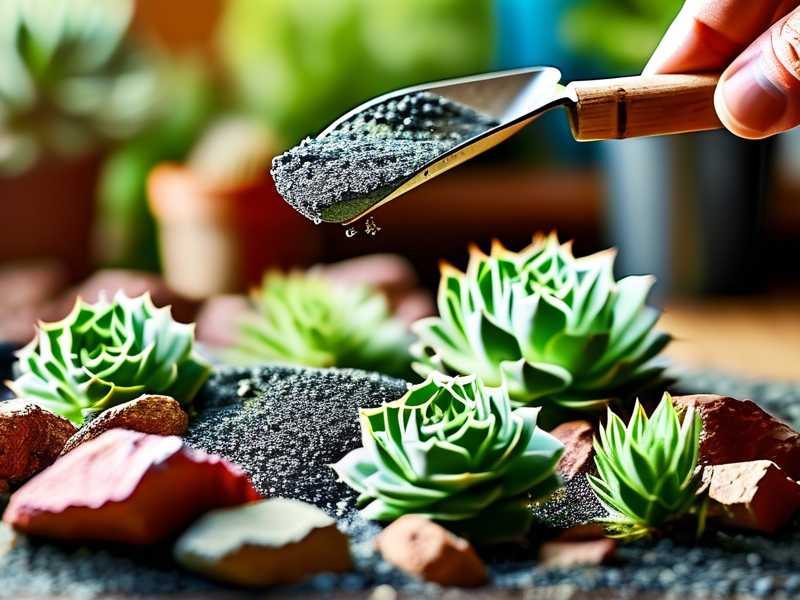
- Top-dressing: For established plants that I don't want to disturb, I gently scrape off the top half-inch of soil. Then, I sprinkle the fish bone meal evenly around the base of the plant. I cover it with a thin layer of soil or just leave it. As you water, the nutrients will slowly seep down.
- Mix into soil: When repotting, this is the way to go. Mix the fish bone meal thoroughly into the entire pot of soil. Make sure it's evenly distributed. This ensures all roots have access to the phosphorus.
I used to just sprinkle it on top and hope for the best. I didn't realize that the dry granules on the surface took ages to break down. Mixing it in the topsoil layer worked much better. The nutrients reached the roots faster.
Step 4: The Most Important Part – Watering After
This is where I messed up the first time. After applying the fish bone meal, your plant needs a good, thorough soak. This water activates the fertilizer and starts the breakdown process.
But remember the first cardinal rule. Do not overwater.
- Water deeply until water runs out of the drainage hole.
- Wait until the soil is bone dry before watering again.
- In the growing season, this might be once a week. In cooler months, it could be once every three weeks.
The key is to let the soil dry out completely between waterings. The fish bone meal stays in the soil. It's not going anywhere. It will release nutrients over the next few months.
My 2-Week Observation Log
I want to show you what actually happens after using fish bone meal. I started a log two weeks ago with a struggling Crassula ovata (Jade Plant). It had pale leaves and seemed stuck in a rut.
Week 1 (Days 1-7):
- Day 1: I applied the fish bone meal as a top dressing. The soil was dry. I watered it thoroughly right after.
- Day 3: The topsoil is starting to dry out. No visible change in the plant yet. This is normal. Organic fertilizers take time. Don't expect instant magic.
- Day 5: I noticed the leaves feel slightly firmer. Not dramatic, but a subtle difference. It's as if the plant is perking up.
- Day 7: The leaf color is a touch richer. The pale, washed-out green is turning a deeper, healthier shade. I can also see the soil is completely dry. I hold off on watering.
Week 2 (Days 8-14):
- Day 9: I see tiny new growth at the tips. Small, bright green leaflets. This is a fantastic sign. The phosphorus is doing its job.
- Day 12: The new growth is getting bigger. The rest of the plant is still firm and healthy. No signs of stretching or etiolation.
- Day 14: The plant looks visibly more vibrant. It's not a huge change, but the vitality is back. The new leaves are thick and, wait for it, actually storing water.
This is the result you're looking for. Slow, steady, and healthy growth. Not the rapid, weak, leggy growth you get with chemical fertilizers.
What to Look For (Signs of Success & Failure)
It's not enough to just apply it and walk away. You need to watch your plant. Here’s what I pay attention to.
Signs It's Working
- New growth: This is the most obvious sign. Especially new growth that's compact and tight to the stem.
- Deeper leaf color: Healthy succulents have vibrant, rich colors. Pale or faded leaves often mean nutrient deficiency.
- Firm leaves: When you gently squeeze a leaf, it should be firm and plump. Soft or squishy leaves indicate overwatering or rot.
- Robust roots: If you happen to be repotting, check the roots. Healthy roots are white or tan and firm. Dark, mushy roots are a bad sign.
Signs You Miscalculated
- Leaf drop: If leaves are falling off at the slightest touch, it's usually a watering issue. You might be watering too much right after fertilizing.
- Burnt tips or edges: This can be a sign of fertilizer burn. You used too much. Or the granules came into direct contact with the roots. Flush the soil by running a large amount of water through the pot.
- White crust on soil: This is mineral salt buildup. You're likely fertilizing too much or using overly hard water. It's not lethal, but it's not ideal. I scrape off the crust and reduce my fertilizer amounts.
Common Questions About Fish Bone Meal
Can I use fish bone meal on all my succulents?
Yes, you can. The ratio of phosphorus to nitrogen is excellent for almost all succulents. I use it on my Echeverias, Haworthias, Sedums, and even my Pachyphytum. However, I find that lighter feeders like Lithops (living stones) do just fine with even less. I use a quarter of the amount for them.
When is the best time of year to fertilize?
As I mentioned before, it depends on whether your plant is a summer or winter grower. For most common indoor succulents (Echeveria, Sedum, etc.), that’s early spring. Look for signs of active growth. New leaves or a looser rosette. That's your signal.
How often should I apply it?
Twice a year is sufficient for almost all cases. Once at the start of the growing season. Once at the peak of the growing season (midsummer for summer growers). That's all. I know it's tempting to do more, but resist the urge. Succulents thrive on neglect.
Is there a difference between fish bone meal and fish emulsion?
Yes, a big one. Fish emulsion is a fast-acting liquid fertilizer. It's great for heavy feeders like vegetables. But it can burn succulents if you're not careful. It also has a strong, unpleasant odor that lingers. Fish bone meal is slow-release. It doesn't have a strong smell, which is a huge plus for indoor use. The RHS (Royal Horticultural Society) actually notes that organic, slow-release fertilizers are often preferred for container plants because they are harder to overdo. You can check their guidance on houseplant care. I've found that switching from emulsion to bone meal was a game-changer.
Do I need to use fertilizer at all if I use quality potting soil?
Honestly, no, you might not. For the first 6-8 months after repotting, a good commercial mix has enough nutrients. I only started fertilizing regularly when my plants were in the same pot for over a year. The prolonged nature of succulents means they deplete the soil. That's when bone meal gives them that little extra boost. The American Horticultural Society (AHS) recommends minimal feeding for plants grown for their structure rather than fruit or flowers. You can read more at the AHS's guide on container gardening. It's a great resource for understanding when to feed.
Final Thoughts on Fish Bone Meal
Switching to fish bone meal has genuinely changed how I care for my succulents. They’re not just surviving; they're thriving. They look sturdier. They bloom more often. And I don't have to think about feeding them every single week.
It’s the low-maintenance approach that suits these low-maintenance plants. Just remember the golden rules.
Don't overwater. Give them the right light. Use the correct pot.
Add fish bone meal twice a year. Mix it into the topsoil. Water well. Watch them grow.
It's really that simple. Try it with one plant first. I think you'll see the difference.