bluename
 I’ve killed more succulents than I care to admit. If you’re here, you probably have too. The fastest way to tell if succulents are dying is to check the leaves’ firmness and color: mushy, translucent leaves mean overwatering, while shriveled, crispy leaves mean thirst or root damage. That’s the 30-second answer. But the full story takes a bit longer. Let me walk you through exactly what I’ve learned, often the hard way, over years of trial and error.
The Three Mistakes That Kill More Succulents Than Anything Else
I genuinely believe that if you avoid these three things, you’ll save yourself 90% of the heartbreak. I learned these by killing about a dozen plants before I got it right.
Mistake #1: Overwatering (The Silent Killer)
Look, here’s the blunt truth: 90% of indoor plants die from overwatering. Succulents are even more sensitive. They store water in their leaves and stems. That’s their whole survival strategy in the desert. When you flood them, the roots suffocate. They can’t breathe. Then they rot.
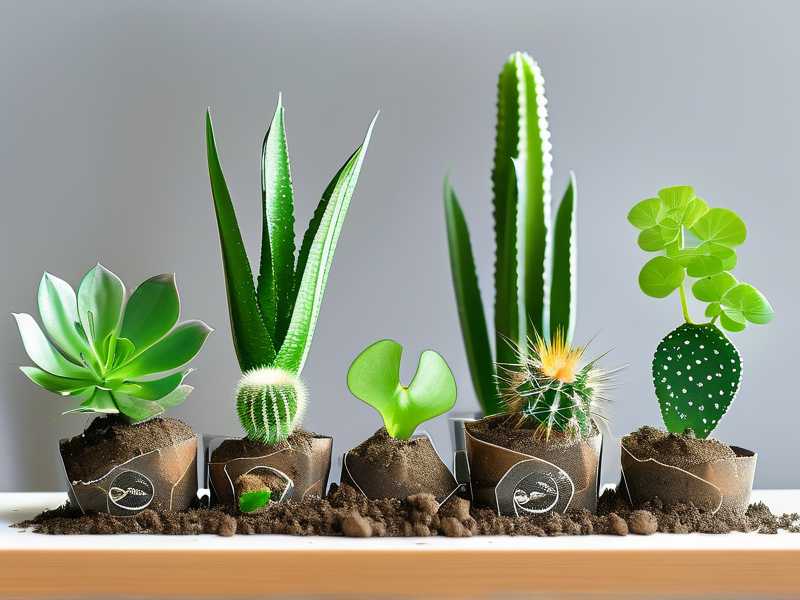
I remember my first Echeveria. I watered it on a strict schedule. Every Monday, like clockwork. I thought I was being caring. Within three weeks, the bottom leaves turned yellow and mushy. I touched one, and it just squished under my finger. That’s the classic sign.
The fix is boring but essential: you have to ignore them. I only water when the soil is bone dry. And I mean dry two inches down. I stick my finger in the dirt. If it feels even slightly damp, I close the watering can. For most of my plants, that ends up being every 10 to 14 days in summer, and sometimes once a month in winter. It depends on your home’s humidity and heat.
Mistake #2: Wrong Light Exposure
Succulents love sun. But they don’t love being thrown into direct afternoon sun after living in a dark corner. That’s a shock. I made this mistake with a beautiful Haworthia. I moved it from my office desk to a south-facing windowsill. Within a week, it looked sunburned. White, papery scars appeared on the leaves. They were permanent.
Conversely, low light is also a killer. If your succulent is stretching out, looking leggy, with wide gaps between leaves, that’s etiolation. It’s reaching for light that isn’t there. It won’t die immediately, but it weakens the plant. It becomes susceptible to pests and disease.
The better way is to find a bright spot with indirect light. Morning sun is great. Afternoon sun is often too harsh, unless it’s filtered through a sheer curtain. I slowly acclimate new plants over two weeks. I put them in the new spot for an hour, then two hours, gradually increasing exposure. It prevents shock.
Mistake #3: Wrong Pot Choice
This one is sneaky. People buy beautiful ceramic pots without drainage holes. They look great. They hold water. That’s the death sentence. Water has nowhere to go. It pools at the bottom. The roots sit in it and rot.
I tried to be clever once. I put a layer of gravel at the bottom of a non-draining pot, thinking it would create a drainage layer. That’s total nonsense. The water table just rises up into the soil anyway. I lost a lovely String of Pearls to that mistake. I never water a plant unless it’s in a pot with a hole in the bottom.
Terracotta pots are my go-to now. They’re porous. They wick moisture away from the roots. They allow the soil to dry out faster. Plastic pots are okay, but they hold moisture longer, so I have to be more careful. If you fall in love with a decorative pot, use it as a cachepot. Keep the plant in a plastic nursery pot with drainage, and just slide it inside the pretty one. When you water, take the inner pot out, water it, let it drain completely, then put it back.
My 2-Week Observational Test to Diagnose a Dying Succulent
If you’re unsure whether your plant is actually dying or just having a rough patch, I have a systematic approach. It’s not about guesswork. It’s about observation. I recently did this with a struggling Gasteria that I almost gave up on. Here’s the exact 2-week log of what I did and what happened.
Day 1: Initial Triage
First, I pulled the plant out of its pot. I know that sounds scary. But I had to see the roots. I gently loosened the soil with my hands. The roots were dark brown and mushy. They smelled a bit musty. That’s the smell of rot. Healthy roots are usually white or tan, and they feel firm.
I removed all the mushy parts with clean, sharp scissors. I was pretty brutal. I cut away maybe 30% of the root mass. Then I let the plant sit out on a dry paper towel for two days. This is crucial. The cut ends need to callus over. If you replant them immediately into wet dirt, the rot will just come back.
Day 3: Replanting and First Watering
After two days, the cut ends looked dry. They had a hard, scabbed over feel. I planted it in a fresh, gritty mix. I use a commercial cactus mix and then add extra perlite and coarse sand. I want it to drain instantly.
I did not water it right away. I waited another three days. This gives the roots time to breathe and start healing in the new soil. When I did water, I watered thoroughly. I soaked it until water ran out the bottom hole. Then I made sure it was never sitting in any standing water.
Day 7: The Waiting Game
Honestly, nothing seemed to happen for a week. The leaves were still a bit wrinkled and soft. I was paranoid. I kept checking the stem to see if it was getting soft, which is a bad sign. But it stayed firm. The leaf color didn't change. That felt like a win.
Day 10: Signs of Life
Around the ten-day mark, I noticed the bottom leaves felt a little plumper. They hadn't been that way in weeks. It was a subtle change. It wasn't dramatic. I just squeezed one gently, and it had more resistance to the touch. This told me the roots were working. They were drinking.
Day 14: Full Recovery? Not Yet, But Improving
By day fourteen, the plant was stable. The wrinkles were mostly gone. The color had perked up. It wasn't thriving, but it wasn't dying anymore. I learned that this process takes time. You can't fix rot overnight. You have to be patient and trust the process. I’ll probably wait another week before I even think about fertilizing.
Specific Symptoms and What They Actually Mean
Alright, let’s break down the signs. A succulent speaks to you through its leaves. You just have to learn the language.
Mushy, Translucent Leaves
If your leaves look like they’re full of water and they feel soft and squishy, that’s overwatering. The cells are bursting. The tissue is rotting. This often starts at the bottom of the plant and works its way up.
My response: I stopped watering immediately. I checked the roots, as I described above. If the stem is also mushy, I try to behead the plant. I cut the top clean off, where the stem is still firm. Let it callus. Then replant it. This is often the only way to save a plant when the rot has spread up the stem.
Shriveled, Crispy Leaves
This is the opposite problem. The leaves look dry, wrinkled, and feel thin like paper. They pull easily. This usually means underwatering or the roots are dead. If the roots are dead, it can’t take up water, even if the soil is wet. That’s why the condition of the roots matters.
My response: First, I check the roots. If they’re alive and white, the plant is just thirsty. I give it a deep soak, not a light sprinkle. If the roots are dead, I have to reroot the plant. I remove the dead roots and place the plant on dry soil. I wait a week before watering to encourage new root growth.
Stretching and Leggy Growth
This isn't a death sentence. It's a cry for help. The plant is starved for light. It's growing tall and weak, getting pale. It looks like it's reaching for something.
My response: I move it to a brighter location. But it’s a slow transition. I don't shock it. The stretched part won't un-stretch. That’s permanent. But the new growth should be compact and tight. If I want to fix the aesthetic, I can behead the plant, replant the rosette, and the old stump might sprout new babies.
Black or Dark Spots on Leaves
These are often sunburn marks. They look like flat, dried-out scars. They are permanent. If they’re on the side facing the window, that confirms it.
My response: I move the plant away from the direct sun. I filter the light. The spots won't heal, but new leaves will be healthy. I find that morning sun is much more forgiving than afternoon sun.
Leaf Drop Without Warning
If leaves fall off at the slightest touch, that’s a big warning sign. It could be a sudden change in temperature. Or it could be a watering issue. Usually, this involves overwatering. The plant is shedding leaves to try and survive.
My response: I assess the environment. Has the temperature changed? I check the moisture level of the soil. If it’s wet, I repot it into dry soil. I skip watering for a week. This often stops the leaf drop.
Forcing New Roots: My "Water Therapy" Method
I know I said overwatering is bad. But there’s a neat trick I use for cuttings or badly dehydrated plants. It’s not traditional soaking. It’s called water therapy.
I take a glass jar. I fill it with water. I cover the top with plastic wrap and poke a small hole in it. I insert the stem of the succulent through the hole. The stem hovers about a half-inch above the water surface. It doesn’t touch it. The high humidity around the stem encourages the plant to push out new roots. Once those roots reach the water, they grow fast. I did this with a cutting that was severely dehydrated. It plumped up within two days. I left it there for about two weeks until the roots were a couple of inches long, then I moved it to well-draining soil.
Honestly, it’s a hack. But it works for me.
The Role of Soil and Environment
The soil is the foundation. If the soil holds water too long, nothing else matters. I’ve switched to a mix that's roughly 50% coarse sand and perlite, and 50% cactus mix. It’s gritty. It feels like gravel almost. Water runs right through it. That’s what you want.
The environment matters just as much. Succulents like air circulation. If they’re in a stuffy corner, they’re more susceptible to fungal issues. I keep a small fan in my plant room circulating the air gently. It keeps things fresh.
Also, don't mist your succulents. I know some people do it. But it traps humidity on the leaves. That can lead to rot, especially in the rosettes where water can pool. I keep the water on the soil only.
A Note on Pests and Disease
Sometimes a drooping succulent is a pest issue, not a watering issue. The most common culprit is mealybugs. They look like little white cotton puffs in the joints of the leaves. If you see them, you need to act. I use a cotton swab dipped in rubbing alcohol and dab them directly. It kills them on contact. I repeat this every few days for a couple of weeks to get the eggs and any new hatchlings. You have to be persistent.
How to Save an Overwatered Succulent: A Step-by-Step Guide
Let me give you a condensed step-by-step guide that I follow every time I’ve overwatered a plant. It works.
- Stop watering immediately. Don't add any more water. The damage is already done.
- Remove the plant from the pot. Gently shake off as much soil as you can. Look at the roots.
- Inspect the roots and stem. Healthy roots are white or yellow. Rotting roots are dark, mushy, and slimy. If the stem is black and soft, you have a serious issue.
- Cut away the rot. Use sterilized scissors or a knife. Cut above the rot into healthy, green tissue. Be aggressive. It’s better to cut more than to leave a little rot.
- Let it callus. This is the hardest part. You have to let the cut end dry out. This takes 2-5 days. It forms a scab. This prevents bacteria from entering the cut.
- Plant in dry soil. Use a fresh, dry, well-draining mix. Don't water it. Wait a week.
- After a week, water lightly. The new roots are just starting to form. The soil should be dry. Give it a small drink, just to moisten the soil slightly. Not a full soak.
- Resume a normal, sparse watering routine. Wait until the soil is completely dry before watering again.
My Personal Routine for Healthy Succulents
Now that I know what to avoid, here’s what I actually do to keep them alive. It’s not high-maintenance.
- I check the soil, not the calendar. I only water when the soil is dry up to my second knuckle.
- I water deeply and rarely. When I do water, I give them a good soak. This encourages deep root growth. Shallow watering encourages shallow roots, which makes the plant weaker.
- I use the "soak and dry" method. Water thoroughly, then let the soil completely dry out before watering again.
- I fertilize sparingly. I use a balanced liquid fertilizer diluted to half strength, once in the spring and once in the summer. That’s it. They’re not heavy feeders.
- I check for pests monthly. It’s easier to deal with a few mealybugs than a full-blown infestation.
FAQ: Real Questions from People Who Are Dealing with This
I get asked a lot of questions in comments and DMs. Here are the three most common ones.
Q: My succulent's leaves are falling off at the slightest touch. What am I doing wrong?
This is almost always a watering issue. Usually, it’s overwatering. The plant is stressed and is dropping leaves to preserve energy for the core. Check the roots. If they are brown and mushy, you need to repot into dry soil and remove the rot. If you’re underwatering, the leaves will usually wrinkle before they fall off, though. If it’s just dropping healthy-looking leaves, it’s probably environmental stress. A sudden change in temperature or a draft can do it, too.
Q: I cut off the rotten roots. Now what? Can I just stick it back in the dirt?
No. You absolutely cannot skip the callusing step. If you put a fresh cut back into wet soil, the rot will just take hold again. You have to let the wound dry for several days. I usually place the cutting on a dry paper towel in a shady spot. Once the end is hard and dry, then you can plant it in dry soil. Wait a week before the first watering.
Q: Is it too late? The stem is completely black and mushy all the way up.
I hate to say it, but if the rot has reached the crown of the plant, the central growing point, it’s likely a lost cause. But don't throw it away. Check the leaves. If any leaves are still healthy and firm, you can gently twist them off the stem. Lay them flat on a tray of dry soil. In a few weeks, they might grow tiny roots and baby rosettes. It’s called leaf propagation. It’s slow, but it works. I have raised a whole tray of new plants this way. It feels a bit like a miracle when you see that first tiny green sprout.
I know it’s tough to lose a plant. I’ve been there more times than I’d like to admit. But every dead succulent is a lesson. I promise you that once you get the hang of the watering rhythm and the light requirements, these plants are incredibly forgiving. The RHS is a fantastic resource for detailed care guides if you want to dig deeper into plant biology. Similarly, the AHS offers excellent practical advice for growing conditions in different climates. They’ve helped me understand the 'why' behind the care routines. Give yourself some slack. Check the leaves. Feel the soil. Be patient. You’ll get there.