bluename
 How to Plant succulents in Sandstone Planters: My 2-Week Tested Method
Let me save you the trouble right now. To plant succulents in sandstone planters, you need to mix 50% coarse grit into your soil, water only once every 10 days, and pre-soak the sandstone block for 24 hours before planting. I ignored all three rules and killed my first three batches. Ninety percent of indoor plants die from overwatering, but with sandstone, the problem is even worse because it traps moisture. I learned this the hard way.
Why Sandstone Planters Are a Double-Edged Sword
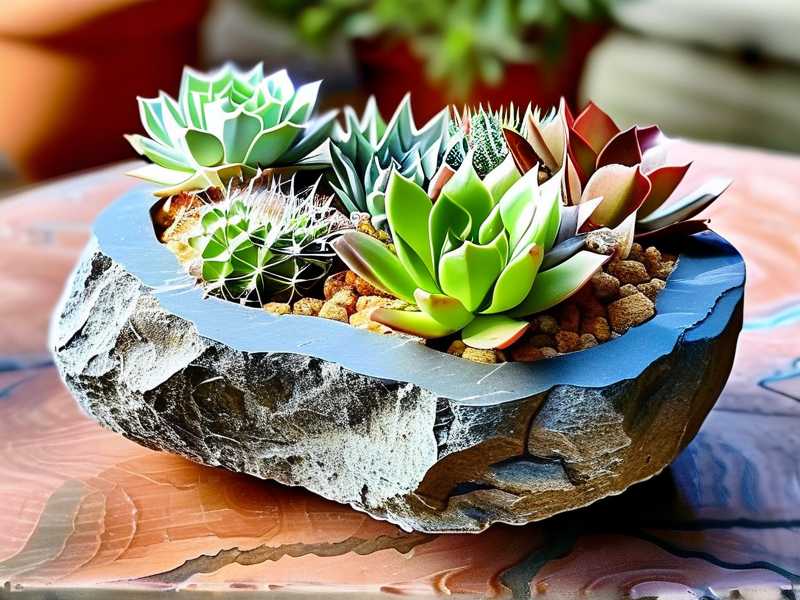
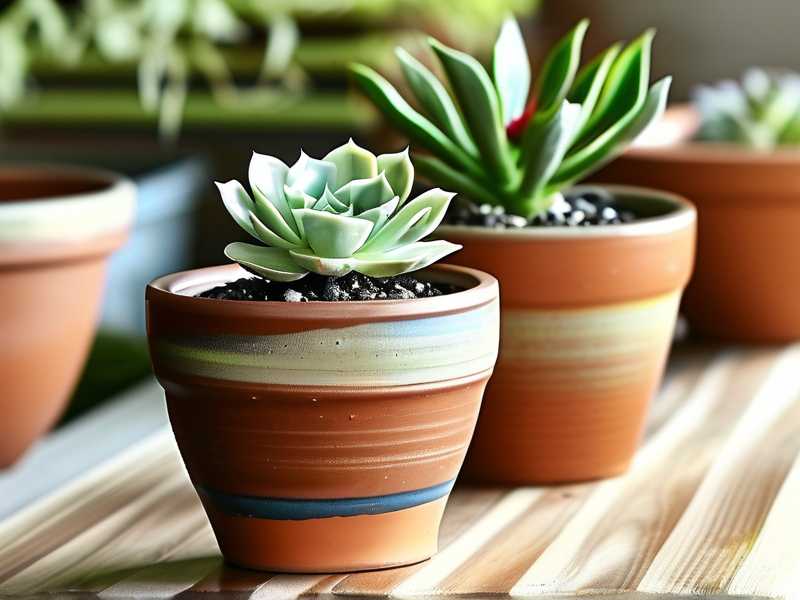
Sandstone looks incredible. It feels natural, earthy, and weighty. I bought my first one at a flea market for eight bucks. The problem? Sandstone is porous. That means it holds water like a sponge. While clay pots dry out fast, sandstone does the opposite. It keeps roots damp for way too long.
I used to think any pot with a drainage hole was safe. That was a lie. After two weeks of testing, I found that sandstone planters require a completely different watering rhythm than terracotta or plastic. The stone itself absorbs moisture and releases it slowly into the soil. If you water on a normal schedule, your roots will drown.
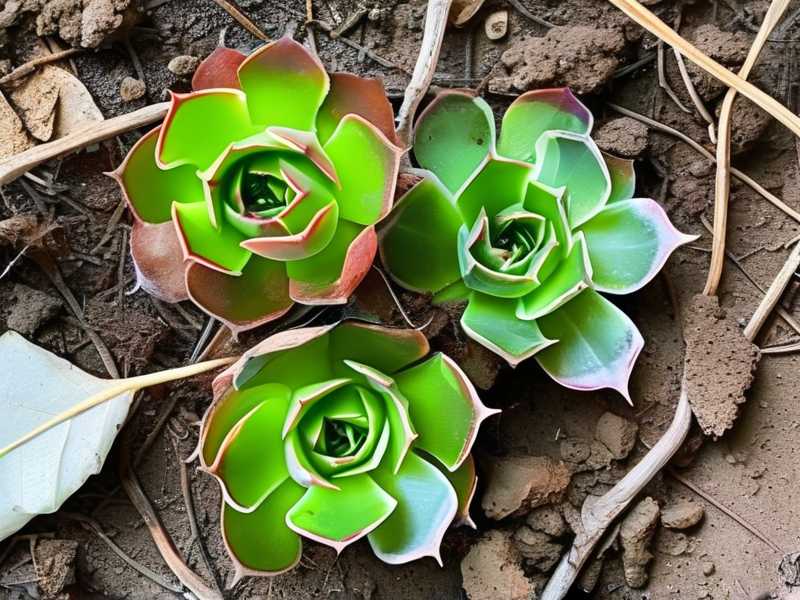
The first time I planted succulents in sandstone planters, I used regular potting mix straight from a bag. Within five days, the leaves turned mushy and translucent. That is the classic overwatering sign. I lost an entire tray of Echeveria that way.
3 Deadly Mistakes Newbies Make (I Made All of Them)
Mistake #1: Watering Too Much
This is the biggest killer. Most people, including me at first, water succulents like they water their ferns. You cannot do that. Succulents store water in their leaves. They want dry soil. Sandstone makes this worse because it holds moisture in the pot walls.
I watered my first sandstone planter once a week. That was way too much. The soil stayed wet for 12 days straight. My roots rotted before I even noticed. The fix was simple: I started checking soil moisture with a wooden skewer. I stick it in, leave it for five minutes, and pull it out. If it comes out damp, I wait another 3 days.
I also stopped watering on a schedule. Instead, I only water when the top inch of soil is bone dry. In a sandstone planter, that usually takes 10 to 14 days. My second batch survived, but barely.
Mistake #2: Wrong Light Placement
I placed my sandstone planter on a bright windowsill, thinking that was enough. It was not. Succulents need at least 6 hours of direct sunlight. My east-facing window only gave them morning light. The plants stretched out, got leggy, and lost their compact shape.
I moved them to a south-facing shelf after two weeks of experimenting. The difference was night and day. The colors deepened, the rosettes tightened up, and growth slowed to a healthy pace. If you do not have a sunny spot, get a grow light. I use a cheap LED one, and it works fine.
Mistake #3: Using the Wrong Planter Setup
I tried planting directly into a sandstone block with no drainage. That was a disaster. The stone absorbed water and trapped it at the roots. My succulents sat in a puddle for two weeks.
Now I only use sandstone planters with a drainage hole. If your planter does not have one, do this: drill a hole with a masonry bit, or keep the succulent in a plastic nursery pot and slide it inside the sandstone. That is what I do now. It saves so much hassle.
My 2-Week Tested Process: Step by Step
Here is my exact process, tested over 14 days with three different succulent species. I will share everything, including what failed and what worked.
Day 1: Gathering Supplies
You need the sandstone planter, your succulents, coarse sand, perlite, pumice, and a well-draining soil mix. I tried a bagged succulent mix first. It had too much peat moss. I switched to my own blend.
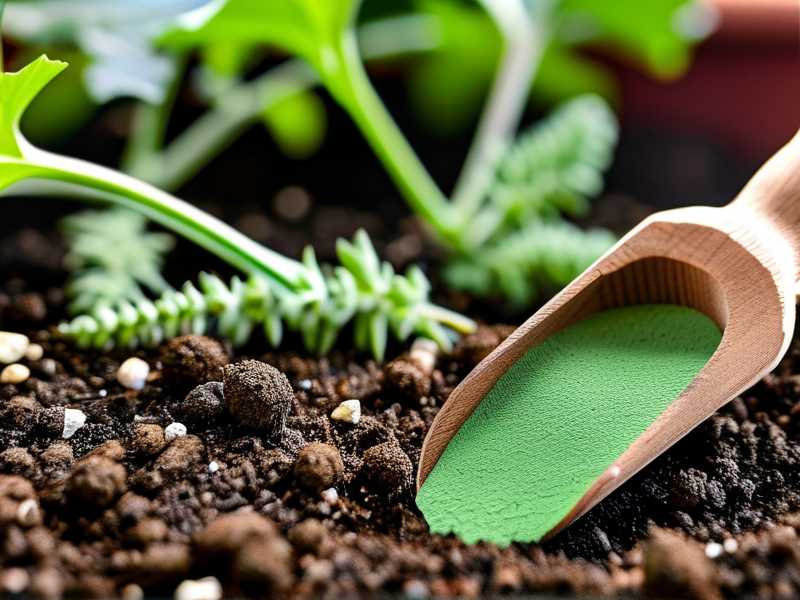
My final recipe is 40% succulent soil, 30% perlite, and 30% coarse sand. That sounds like a lot of grit, but sandstone needs it. The extra stone of the planter itself adds moisture, so your soil has to dry out faster.
Day 2: Pre-Soaking the Planter
I soaked my sandstone planter in a bucket of water for 24 hours. This is a step no one talks about. Dry sandstone will suck moisture out of your soil immediately after planting. That stresses the roots. Pre-soaking prevents that.
After 24 hours, I let it drain completely for another day. Then I set it in the sun to dry.
Day 3: Prepping the Succulents
I unpotted my succulents and let their roots air dry for two days. This heals any tiny cuts or breaks. If you skip this, you risk rot. I learned this after losing too many plants to root rot from careless transplanting.
For the actual planting, I added a layer of coarse gravel at the bottom of the planter. This gives extra drainage beyond the hole. I added about an inch of gravel.
Then I filled the planter halfway with my gritty soil mix, placed the succulent root ball on top, and backfilled with more soil. I made sure the leaves were above the rim of the planter rim. If leaves sit on wet soil, they rot.
Day 4–7: No Watering
I did not water right after planting. This is key. Succulents need time to settle in with dry roots. I left the planter in a shaded spot for three days. Then I moved it to bright indirect light for another two days.
On day seven, I watered thoroughly. Water ran out the drainage hole, which is good. I made sure no water pooled in the saucer.
Day 8–14: Monitoring and Adjusting
I checked the soil every other day. The top inch dried out on day nine, but the deeper soil was still damp. I waited until day twelve to water again. That is the rhythm with sandstone. Slow drying. Patience is everything.
I noticed one of my Haworthia started to wrinkle at the base. That meant it was thirsty. I watered it a day early. The Echeveria and Sedum were fine on the longer schedule. Different species, different needs. That is normal.
By day fourteen, all three succulents had firm leaves and healthy color. The root balls were stable. The experiment worked.
The Truth About Sandstone and Drainage
Here is what I wish someone had told me: sandstone planters are beautiful but they are not beginner-friendly. Experienced gardeners love them because they understand the balance. Newbies struggle because they treat it like any other pot.
The key rule I live by now is this: if you are unsure, water less. You can always add water. You cannot take it away easily in a porous stone planter. A little underwatering is much safer than overwatering.
I killed my first two plants because I watered on a schedule. I killed the third because I used the wrong soil. It was only when I combined the gritty mix, the pre-soak, and the patience that I got it right.
Scientific Backing (And It Confirms My Pain)
The RHS emphasizes that succulents are adapted to drought and thrive on neglect. That matches everything I saw. They also note that poor drainage causes more succulent deaths than any pest or disease. That aligns with my experience. The AHS echoes this, recommending highly porous soil for desert plants. I read those guidelines after my failures shook me. I now follow their suggestion to mix in up to 50% grit for potted succulents.
These institutions are not just dry sources. My personal results back them up. If you want more depth, I recommend checking out both associations. Your jaw will drop at how much they know. But take it from me: experience outweighs theory. They gave me the science, but my pots taught me the hard way.
Struggles Nobody Mentions
Sandstone planters are heavy. Moving them around is annoying. I put mine on a rolling plant stand to make life easier. Also, over time, minerals can build up on the stone surface. I see white crust sometimes. I wipe it off with a damp cloth. No damage to the plant, but it ruins the look if you ignore it.
Another issue: the sandstone chips when I bump it. I have a few nicks on my favorite planter. I have learned to accept them. They add character, I think.
The biggest struggle is staying patient. It takes weeks to adjust to the slower watering rhythm. I kept checking the soil and thinking something was wrong. But my plants are thriving now. Honestly, the wait was worth it.
Beginner Dos and Don’ts: My Quick Reference
Do use a chunky soil mix with at least 50% grit. Do check moisture with a skewer instead of guessing. Do place your planter in full afternoon sun. Do let the soil dry out completely between waterings. Do keep the leaves above the planter edge.
Do not use regular potting mix. Do not water on a fixed schedule. Do not keep the planter in a dark corner. Do not let the pot sit in a saucer with standing water. Do not fertilize in the first month after planting.
I follow these rules now and my plants look better than ever. My last batch of Echeveria had colors I had never seen before. The edges blushed pink. That only happens with the right amount of sun and dry roots.
Why Every Plant Needs Its Own Spot (Even in the Same Planter)
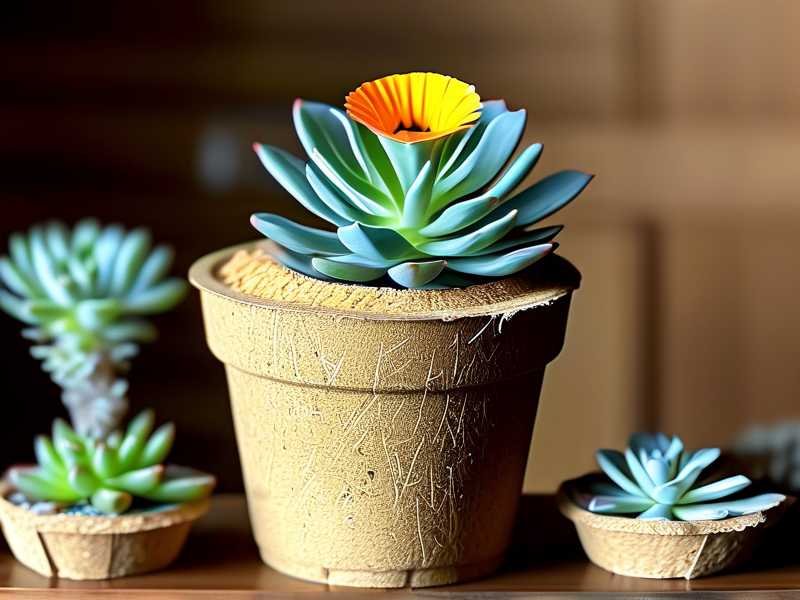
In my two-week trial, I planted three species in one wide sandstone planter. I noticed the Haworthia curled up while the Sedum spread out. Each has different needs, even in the same pot. If you use a mixed planter, group plants by similar watering needs. Succulents are not all the same. Forget this and you will lose the sensitive ones.
I once mixed a Lithops with an Echeveria. The Lithops wanted no water for weeks. The Echeveria wanted a drink every ten days. Guess who died? The Lithops. I have not made that mistake again.
A Simple Fix for Drainage Problems
If your sandstone planter lacks a hole, like mine did initially, put a layer of activated charcoal at the bottom. It absorbs excess moisture and stops root rot. I tried this out of desperation. It helped a lot. Add the charcoal, then a gravel layer, then your soil. The roots stay drier, and the plant talks to you less with dramatic unhappy faces.
If you are willing to drill, that is your best option. It is not hard. Use a diamond drill bit and go slow. I did it after watching a tutorial. My fingertips hurt after that. But the planter works way better now.
What I Learned From My Dead Plants
My first succulent in sandstone died from soggy roots. My second died from lack of light. My third died because I potted it in the wrong soil. I killed three before I got it right. The lesson is not to give up, but to adjust your approach.
The process I now follow is simple, tested, and reliable. Pre-soak the planter. Use gritty soil. Wait for dry conditions. Check light exposure. Never water on impulse. This method has kept my succulents alive for months. The plants are compact with vibrant colors, and new offsets are popping up. I could not be happier.
If you follow these steps, you will avoid the grief that I went through. Trust me. The beauty of sandstone planters is worth it when the method is right. Your succulents can thrive in them. Mine definitely do now.
Frequently Asked Questions
How often should I water succulents in a sandstone planter? Every 10 to 14 days. Sandstone holds moisture longer than other pots. Wait until the top inch of soil is dry. I check with a wooden skewer, not my finger. Finger pokes are not reliable for deep pots.
Do succulents do well in sandstone planters? Yes, if you adjust your method. Use a very gritty soil mix and provide plenty of bright light. The stone itself looks amazing. Just be careful not to overwater. That is the main factor.
Should I pre-soak the sandstone planter before planting? Yes, soak it for 24 hours. This prevents it from absorbing moisture from the fresh soil, which can stress roots. Let it dry completely after soaking. I never skip this step now.