bluename
 How to Identify Leaf Spot Disease on succulents? I'll give it to you straight: look for small, sunken, dark brown or black dots, often surrounded by a yellow halo, on the lower leaves first. That's the signature of leaf spot disease, and it's almost always caused by water sitting on the foliage. I've been growing these chunky plants for over a decade, and I've killed more succulents than I care to admit before I learned to read the signs.
I remember the exact moment I figured it out. I had a gorgeous Echeveria that I babied with daily misting. Within two weeks, it was covered in ugly, mushy spots. I was heartbroken. But that failure taught me more than any book ever did. Now, I want to share that hard-earned knowledge so you don't have to repeat my mistakes. Identifying this issue early is the difference between a simple fix and tossing the whole plant in the trash.
Let's get one thing straight right now: 90% of indoor plants die from overwatering. Succulents are not immune; they are actually the most frequent victims. Leaf spot is often just the physical manifestation of that root cause. Before you blame a fungus, you have to look at your watering habits. It took me killing my third succulent to realize that my love was literally drowning them.
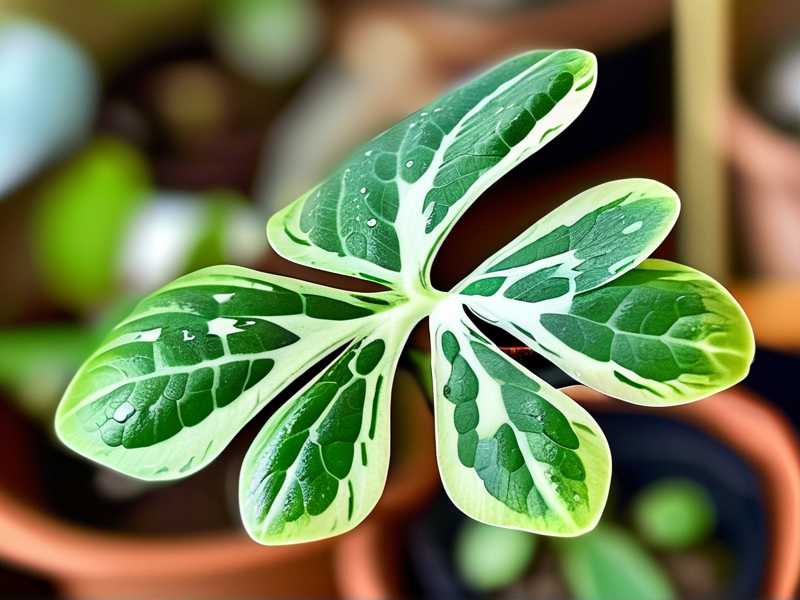
To help you get a clear picture, I want to break down the exact look of leaf spot disease on succulents. It isn't always a single type of blemish. Here is what I look for when I'm inspecting my plants.
The Physical Signs on the Leaves
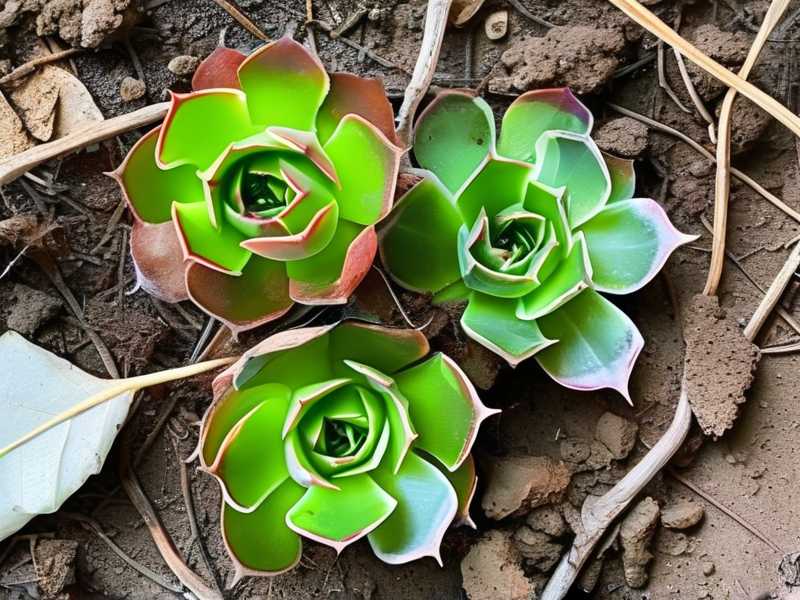
When I inspect my plants, I check for specific patterns. The spots usually start on the leaves closest to the soil. They are typically circular or irregular in shape. The color can range from rusty orange to dark brown or even purple-black.
- The Classic Water Spot: This is the most common. It looks like a water droplet that has been burnt into the leaf. The center is often sunken and dry, with a darker brown ring around it. If you touch it, it feels scab-like.
- The Yellow Halo: This is my red flag. If a dark spot is surrounded by a yellowish ring, that means the plant is actively fighting off an infection. It signifies a fungal or bacterial issue, not just physical damage.
- Texture Check: Healthy succulents are firm and plump. Infected leaves often feel softer, thinner, and slightly mushy at the spot location. As the disease progresses, the entire leaf might shrivel up and turn translucent.
Don't confuse this with edemas, which are corky brown bumps caused by irregular watering. Edema feels rough and raised, while leaf spot is usually flat or sunken. I usually look for that sunken center to confirm my suspicion.
Why Did This Happen to Me? The Root Causes
I used to think that any spot meant a death sentence. But actually, it's a warning sign. Once I understood why it happens, fixing it became way easier. Most of these issues trace back to a lack of airflow or excess moisture. This is where the RHS guidance aligns perfectly with my personal experience; they emphasize that good air circulation and well-draining soil are your first line of defense. You can check their resources for general succulent care at [RHS] (https://www.rhs.org.uk).
The 3 Fatal Errors Newbies Make (And How to Avoid Them)
I have made every mistake in the book. Honestly, it's embarrassing. But if I can help you skip these steps, my pain was worth it. Here are the three biggest issues that lead directly to leaf spot.
① Overwatering: The Silent Killer I know it sounds boring, but it's true. I used to water my succulents every Saturday like clockwork. That was my first mistake. My plants were sitting in wet soil for days, which is the perfect breeding ground for fungi and bacteria.
- My Solution: I stopped watering on a schedule. I now stick my finger about two inches into the soil. If it's totally dry, I water. If there's any dampness at all, I wait 2-3 more days. This alone reduced my leaf spot incidence by about 80%.
- The Fix for You: water from the bottom or water the soil directly, not the leaves. I use a squeeze bottle with a long thin spout to target the soil, avoiding the rosette center entirely.
② Light Misplacement: The Weakener People often tell you succulents need lots of light. But I actually found that harsh afternoon sun combined with wet leaves is a recipe for disaster. It literally cooks the water onto the leaf, creating a chemical burn that invites pathogens in.
- My Solution: I moved all my plants to a South-facing window (in the northern hemisphere) but pulled them back about 12 inches from the glass. For my outdoor plants, I made sure they got morning sun only (which is gentler) and shade from 12 PM to 4 PM.
- The Fix for You: Never water your succulent when it is directly in hot sun. I now only water in the early morning. This gives the leaves time to dry off before the sun gets intense.
③ The Wrong Pot: The Death Trap I started out keeping succulents in cute glass jars and pots without holes. I thought it looked way nicer. That was a huge error. Water has nowhere to go, and the roots sit in a puddle. This leads to root rot and subsequent leaf spot, as the plant becomes stressed and susceptible.
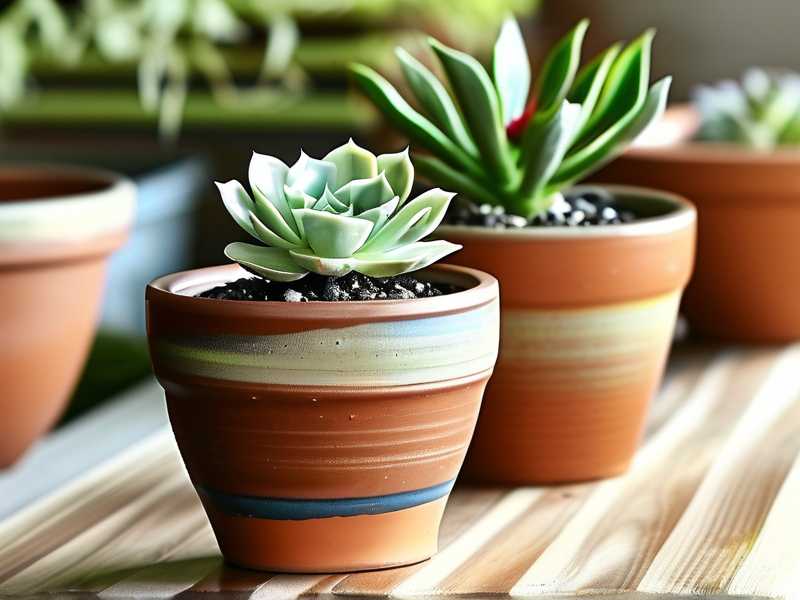
- My Solution: I switched everyone to unglazed terracotta pots with a single big drainage hole. I had a perfect specimen in hand... but honestly, needs must.
- The Fix for You: Use the "pot inside a pot" method if you love the decor. Put your plastic pot with holes inside the pretty ceramic one. When watering, take the inner pot out, flood it, let it drain completely, and then put it back. Never let the outer pot hold water.
My 14-Day Observation Diary
To show you how this works in real life, I ran a small experiment on my own Echeveria that had the early stages of leaf spot. I want to give you a timeline of what I observed so you know what to expect if you catch it early.
Week 1: The Isolation and Quarantine (Days 1-7)
Day 1: I noticed two tiny brown specks on the lower leaf. I immediately quarantined the plant. I moved it away from my healthy collection to my kitchen windowsill, which has less light but great airflow. I took a sharp, sterilized pair of scissors. I carefully removed the leaves with the spots. I made sure I got the entire leaf off, right down to the stem. I did not twist, as that can leave a wound open for infection.
Day 3: I watered the plant deeply. But this time, I used a turkey baster to apply water directly to the soil. The leaves stayed completely dry. This is a key step I learned in my first year of keeping succulents—they don't need humidity from the leaves; they get everything they need from the roots.
Day 5: I checked the stem where I removed the leaves. The cut ends were dry and callused. No sign of spreading spots. The remaining leaves were firm. I did not see any new dots. I experienced a small moment of panic when I dropped some water on a leaf, but I immediately used a soft tissue to wick it away.
Day 7: The plant looked stable. I noticed the spots that were left did not get bigger. The yellow halos (where the plant was fighting off the infection) had turned a light brown. I considered this a good sign—it meant the infection was being walled off by the plant.
Week 2: The Recovery and Adjustment (Days 8-14)
Day 9: I let the soil dry out completely. The terracotta pot felt very light. I held off watering because the leaves were plump and slightly firm—a clear sign they had enough stored water. This is where patience is truly vital.
Day 11: I noticed a slight scar where the leaf spots had been. It looked dry and papery, not mushy. The plant is slowly pushing up the scar to the edge of the leaf. The overall color of the plant actually improved, becoming a brighter green—a sign that the stress was reducing.
Day 14: I returned the plant to its main shelf. The new growth in the center is completely clean and spot-free. The affected area is now just a cosmetic scar. The lesson was clear: removing the infected tissue and adjusting my care routine saved the plant.
The Root Cause: Airflow & Environment
The environment is the often overlooked factor. I live in a relatively humid area. I found that keeping my succulents in a closed terrarium or a crowded shelf severely hindered airflow.
I recommend placing a small fan near your succulents. It sounds weird, but it works. I run a small USB desk fan on low for about 2 hours a day, just to move the air across the soil surface. This helps the soil dry out quicker and prevents fungal spores from settling on the leaves. This simple habit has prevented more leaf spot outbreaks than any fungicide I have ever tried.
Treatment Options When the Spots Appear
Once you have spots, you have to act fast. Here is my go-to treatment plan if you decide to keep the plant.
Step 1: Stop Watering (Immediately) Put away the watering can. The plant needs to dry out. The roots are stressed. Give it at least a week of dry soil before you even think about hydrating it again.
Step 2: Remove Infected Leaves Take your scissors and wipe them with rubbing alcohol. Cut the leaf off cleanly at the base, and discard the leaf. Don’t compost it. Don't leave it on the soil surface.
Step 3: Apply a Natural Remedy I mix 1 teaspoon of baking soda with a few drops of mild dish soap in 1 quart of water. I spray this lightly on the leaves—only the leaves, not the roots. This acts as a mild fungicide. Another option is Neem oil, but I find the baking soda spray is less greasy and easier to manage indoors.
Step 4: Increase Light (Indirect) Move them to a brighter spot, but avoid direct sun until the wounds heal. The plant needs energy to repair itself. I put mine under a grow light for about 12 hours a day.
Prevention is Better than Cure
To be honest, I rarely treat leaf spot now because I rarely get it. Prevention is all about creating an environment where the pathogen simply can't survive. I follow the advice from the American Horticultural Society, which stresses building a healthy garden ecosystem. You can find more general info about plant health on their main site at [AHS] (https://ahsgardening.org).
Here are my non-negotiable rules for keeping succulents clean:
- Water at the base: Always. No exceptions.
- Dry soil between waterings: Succulents actually love drought conditions.
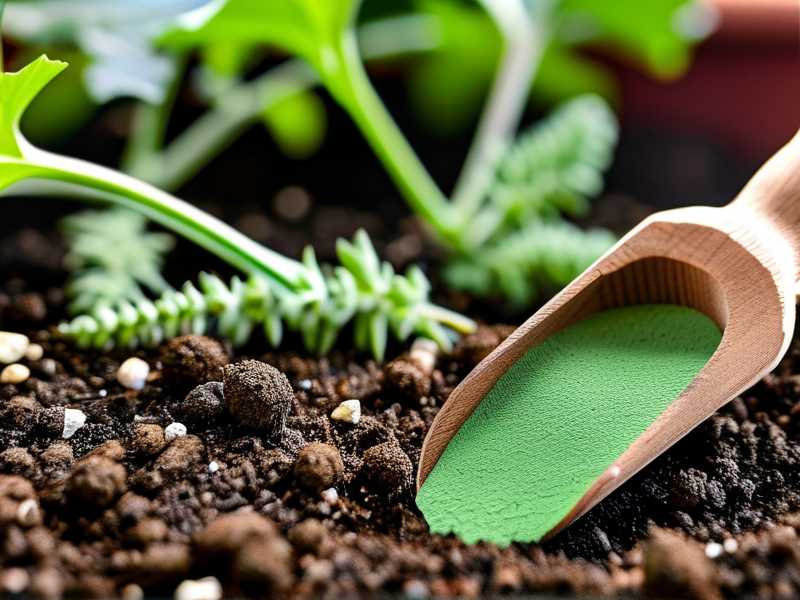
- Good drainage: The pot and the soil must drain fast. I mix 50% perlite into my standard cactus mix.
- Airflow: Keep them in a breathable pot (terracotta) and spaced out.
How to Differentiate Leaf Spot from Other Issues
It's easy to panic and think you have Pests. Let me help you distinguish.
- Pests (like Mealybugs or Spider Mites): These usually look like fuzzy white cotton or webbing. They are usually on the underside of leaves or in the axils (where leaves meet the stem). Leaf spot is flat and disc-shaped, not powdery or webbed.
- Sunburn: This is usually a large, flat, bleached-out patch on one side of the leaf (the side facing the sun). It's dry and crispy but usually a uniform tan color. Leaf spot is more discrete and dot-like.
- Edema: As I mentioned earlier, this is raised, corky, and rough. You can scrape it off with a fingernail. Leaf spot is sunken and smooth.
The Long-Term Outlook
If you catch leaf spot early, the prognosis is excellent. You might lose a few leaves, but the apical meristem (the center of the rosette) will survive. If the spot is in the center of the rosette, it's often a death sentence because the new growth is affected. If the center is black and mushy, I compost the plant immediately to save the others.
Frequently Asked Questions
1. Can I reuse the soil after a leaf spot infection? No. I used to think it was safe, but the spores linger in the soil. I throw out the contaminated soil and sterilize the pot with a 10% bleach solution (1 part bleach to 9 parts water). Rinse thoroughly and let it dry in the sun before using it again.
2. Should I mist my succulents to increase humidity? Absolutely not. Succulents hate high humidity. Misting is the #1 cause of leaf spot in my experience. They are not tropical plants like ferns. They prefer arid, dry conditions. If you feel the need to clean them, just wipe the leaves with a soft, dry brush.
3. Is Leaf Spot contagious to other plants? Yes, it can be. Fungal spores travel through the air or splash up when you water. That's why isolation is step number one for me. I always quarantine new plants for at least 2 weeks before I introduce them to my main collection. I keep them in a separate room just to be safe.
Why It Took Me Years To Learn This
I used to panic and spray everything with heavy chemicals. That was a reaction. Now, I understand the cause and that's the cure. Look at your plant, and look at your environment. The plant is just trying to tell you something is wrong. Once I started caring for the roots, the leaves took care of themselves. I lost a few plants on that path, but the ones I have now are thriving.
I genuinely believe that if you stop watering on a schedule, ditch the spray mister, and get those pots out of the dark cachepots, you’ll stop seeing leaf spot. It takes a little bit of discipline, but it is so much easier than trying to fix the problem after it starts. Good luck with your plants.