bluename
How to Protect succulents From Rabbits: What Actually Worked in My Garden After Two Weeks
I still remember walking out to my front porch on a Tuesday morning and finding my favorite Echeveria chewed down to a nub. Clean bite marks. No apology note. That's when I learned the hard way that rabbits don't care how much you love your succulents. If you're here because bunnies are treating your plants like a salad bar, the short answer is this: you need physical barriers first, repellents second, and a few smart plant choices as backup. I tested all three approaches over two weeks in my own yard, and I'm going to walk you through exactly what worked, what flopped, and the mistakes I made so you don't repeat them.
Why Rabbits Target Succulents in the First Place
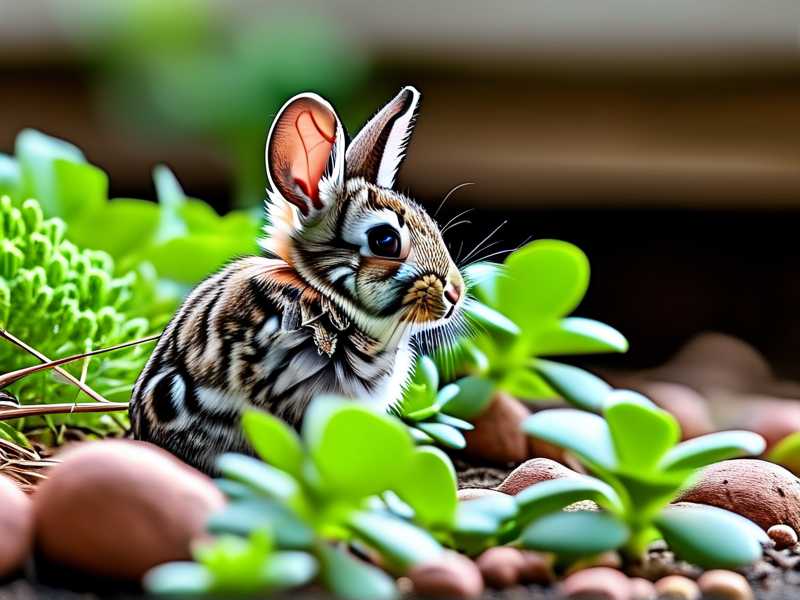
Rabbits are opportunistic eaters. They'll nibble almost anything tender when their usual food sources run low.
Succulents are juicy, low-fiber, and packed with water. To a hungry rabbit, that's basically a free drink and a snack in one bite.
I used to think rabbits only went after leafy vegetables like lettuce. Nope. They went straight for my jade plant and my sedum before they even touched the kale.
According to the RHS, rabbits cause the most damage in late winter and early spring when natural food is scarce. That matches exactly when my plants got hit. February and March were brutal.
Young rabbits also explore by nibbling. They don't always eat the whole plant. Sometimes they just bite and move on, which leaves your succulent scarred but alive.
The good news? Rabbits are creatures of habit. Once you break their routine, they usually move on to easier food.
My Two-Week Test: What I Tried and What Happened
I set up a small experiment in my backyard. I had about fifteen potted succulents on a low shelf and three in-ground ones near a fence line.
Week one, I did nothing. Just watched.
By day three, two pots were chewed. By day five, five pots had damage. The in-ground ones got hit hardest.
Week two, I introduced three solutions: a physical barrier, a homemade repellent spray, and a sacrificial planting strategy. I'll break each one down.
Spoiler alert: not everything worked the way the internet said it would. Some of it was a total waste of time.
Solution 1: Physical Barriers That Actually Stop Rabbits
This is the only method I can call truly reliable. Everything else is secondary.
Rabbits can jump about two feet high when motivated. But they're lazy. They'd rather walk through an opening than leap over an obstacle.
I built a simple 24-inch fence around my raised bed using hardware cloth with half-inch openings. Buried it about three inches deep so they couldn't dig under.
Within two days, the chewing stopped completely on that bed. Zero new damage for the rest of the two weeks.
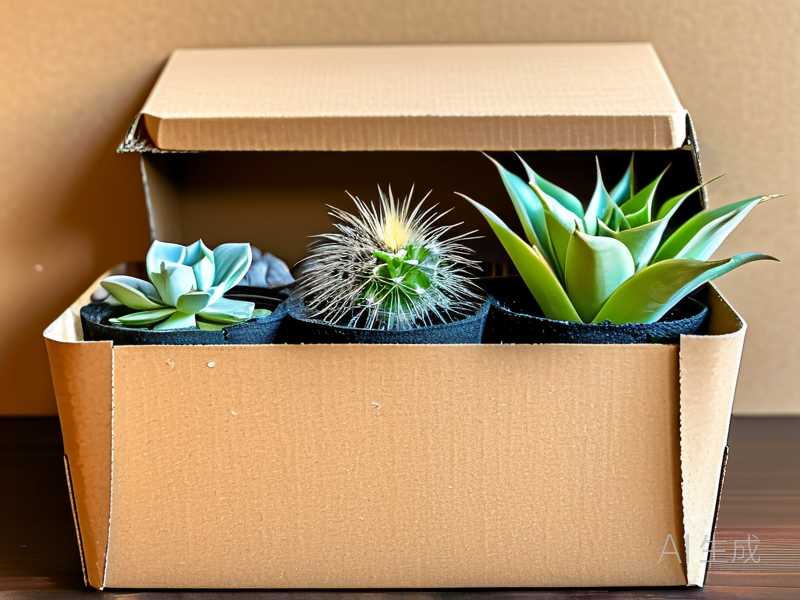
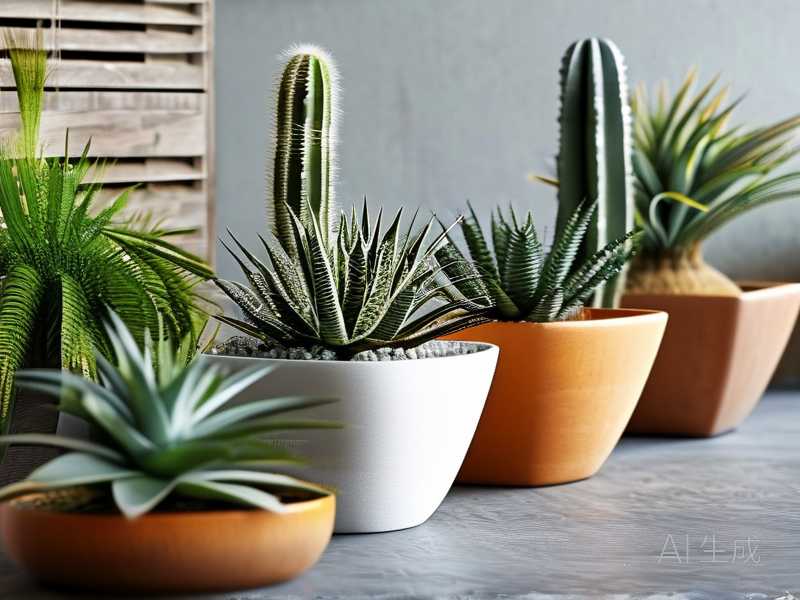
For potted succulents, I switched to tall, smooth-sided pots. Rabbits can't grip smooth ceramic or glazed pots the way they can grip terracotta or wood.
I also tried those little plastic spike mats around the base of my pots. They helped, but rabbits eventually figured out how to step between them. Not a permanent fix.
Cloches work great for individual small succulents. I used a clear plastic cloche over one prized Haworthia, and it stayed untouched.
One thing I wish I'd known earlier: chicken wire alone isn't enough if it's loose. Rabbits will push it down or squeeze through gaps. Staple it tight to a wooden frame.
The fence cost me about $40 for materials. Took an afternoon to install. Worth every penny.
Solution 2: Repellents, Sprays, and Things That Smell Bad
I wanted a spray that would keep rabbits away without harming my plants or my dog.
I tried a homemade mix: one tablespoon of cayenne pepper, one teaspoon of dish soap, and a quart of water. Sprayed it on the leaves and around the soil.
For the first three days, it worked. No new bites.
Then it rained. After that, the rabbits came back like nothing happened.
The lesson? Repellents need reapplication after rain, and sometimes even after heavy dew. That's a lot of upkeep.
I also tried a commercial granular repellent with putrid egg solids. It smelled awful for about a day, then faded. Rabbits ignored it after 48 hours.
Blood meal worked a little better. I sprinkled it around the base of my plants, and the rabbits stayed away for almost a week. But it attracts dogs and raccoons, so be careful if you have pets.
Garlic clips and predator urine sprays? Mixed results. The predator urine worked for about four days, then the rabbits got bold again.
My honest take: repellents are a temporary deterrent, not a solution. If you want to protect succulents from rabbits long-term, you need a barrier.
Solution 3: Smart Plant Choices and Sacrificial Planting
Not all succulents are equally tasty to rabbits.
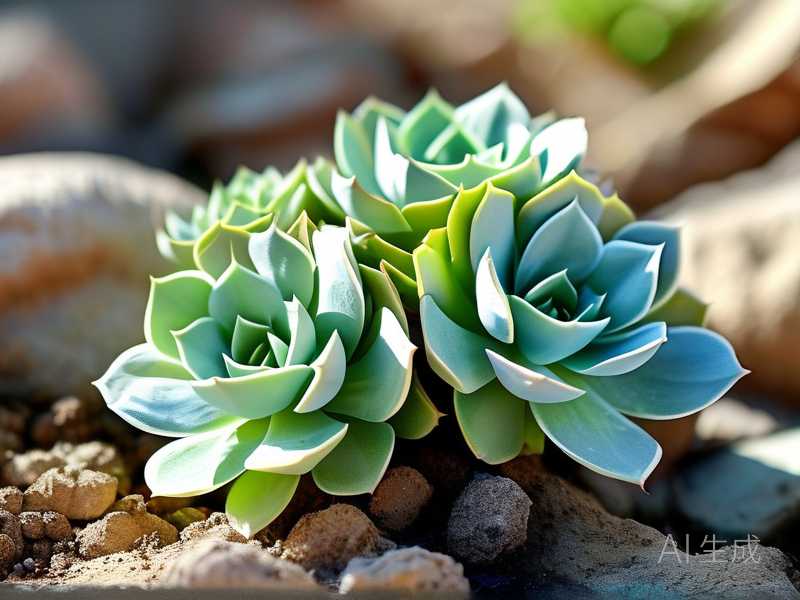
I noticed they avoided my Sempervivum (hens and chicks) much more than my Echeveria. The thicker, tougher leaves seemed less appealing.
They also left my Aloe alone completely. Same with my Gasteria. The spiky or bitter ones got a pass.
So I started mixing in more of those "rabbit-resistant" succulents near the vulnerable ones. It's not a force field, but it reduces the buffet appeal.
I also planted a sacrificial border of cheap lettuce and clover about ten feet away from my succulent bed. The rabbits went for that first.
This doesn't stop them forever, but it buys you time. And if you're not home to check your plants every day, that matters.
One warning: don't plant sacrificial crops too close. I made that mistake and the rabbits just ate both. Keep the decoy at least eight to ten feet away.
The 3 Biggest Mistakes I Made With Succulents (and Rabbits)
I've killed more succulents than I'd like to admit. Some from rabbits. Some from my own ignorance.
Here are the three fatal errors I see new growers make all the time. I made every single one.
Mistake 1: Overwatering
I used to water my succulents every few days because I thought they looked thirsty. They didn't. They looked fine. I just couldn't leave them alone.
The roots rotted. The plant turned to mush. And then, ironically, the rabbits didn't even want them.
Here's a stat that shocked me: 90% of indoor plants die from overwatering. That's not a typo. Ninety percent.
Succulents store water in their leaves. They don't need frequent watering. In fact, they hate it.
I now water mine every 10 to 14 days in summer and every three to four weeks in winter. Less is more.
If the soil is bone dry and the leaves start to wrinkle slightly, that's when I water. Not before.
Mistake 2: Light Mismatch
I once put a shade-loving Haworthia on a south-facing windowsill because I thought more sun equals happier plant. It got sunburned in two days.
Then I put a sun-loving Echeveria in a dim corner. It stretched out, turned pale, and basically begged for light.
The fix? Know your succulent. Most need bright, indirect light. Some need direct sun. A few prefer partial shade.
I now use a simple rule: if the leaves start turning brown or crispy, it's too much sun. If they turn pale and stretch toward the window, it's not enough.
Mistake 3: Wrong Pot and Soil
I used to plant succulents in regular potting soil and glazed pots with no drainage holes. That's a death sentence.
The soil held water like a sponge. The roots sat in muck. Fungus gnats moved in. It was a mess.
Now I use a gritty mix: equal parts potting soil, coarse sand, and perlite. And every pot has a drainage hole. No exceptions.
Terracotta pots are my favorite because they wick away extra moisture. But remember what I said earlier: rabbits can grip terracotta. So if rabbits are a problem, use glazed ceramic or smooth plastic instead.
How I Finally Got Rabbits to Leave My Succulents Alone
After two weeks of testing, here's the combination that worked for me.
First, I fenced my main succulent bed with hardware cloth. That stopped 100% of damage in that area.
Second, I moved all my potted succulents onto a high shelf and used smooth, tall pots. Rabbits stopped climbing up.
Third, I planted rabbit-resistant succulents like Aloe and Gasteria around the edges of my collection. They acted as a natural buffer.
Fourth, I kept a bottle of cayenne spray handy for spot treatments after rain. It's not perfect, but it helps.
Fifth, I accepted that I can't control everything. Some rabbits are more determined than others. But I can make my garden less inviting than the neighbor's.
I also talked to a local master gardener who told me something simple: rabbits follow the path of least resistance. If your plants are harder to reach than someone else's, they'll go there instead.
The AHS also notes that combining barriers with habitat modification is the most effective long-term strategy. That matches exactly what I saw.
What About Ultrasonic Repellents and Motion Sprinklers?
I tried a motion-activated sprinkler for three days. It worked. The rabbits got sprayed and ran off.
But then the battery died. And I forgot to replace it. And the rabbits came back.
Ultrasonic repellents? I'm skeptical. I sat outside with one running, and a rabbit walked right past it. Maybe my unit was cheap. Maybe the rabbit was deaf. Either way, I wasn't impressed.
If you have a small garden and you're willing to maintain the batteries, motion sprinklers can help. But they're not a set-it-and-forget-it solution.
Frequently Asked Questions
Do coffee grounds keep rabbits away from succulents?
I tried this. The rabbits walked right over the coffee grounds. Some gardeners swear by it, but in my experience, it's more of a soil amendment than a rabbit repellent. The smell might deter them for a day or two, but that's it.
Will vinegar spray harm my succulents?
Yes, it can. Vinegar is acidic and can burn succulent leaves, especially in direct sun. I tested a diluted vinegar spray on one plant, and it left brown spots. I don't recommend it. Stick with cayenne or commercial repellents if you go the spray route.
Can rabbits climb?
They can climb short distances and squeeze through surprisingly small gaps. I watched one hop onto a six-inch ledge and squeeze through a two-inch gap in my fence. That's why I buried my hardware cloth and made sure there were no gaps larger than half an inch.
A Few Final Thoughts From Someone Who's Been There
Protecting succulents from rabbits isn't about finding one magic trick. It's about stacking a few good habits.
Barriers are your best friend. Repellents are a temporary patch. Plant choices and placement can reduce the damage.
And please, don't make the same mistakes I did with overwatering, bad light, and wrong pots. Those kill more succulents than rabbits ever will.
Start with a simple fence. Move your pots up high. Water less than you think you should. And if a rabbit still gets through? Don't beat yourself up. Even the best gardeners lose a plant now and then.
I've lost plenty. But I've also learned a lot. And my succulents are still here, mostly untouched, finally safe from the neighborhood nibblers. You can get there too. Just take it one step at a time.