bluename
How to Fertilize succulents With Soybean Meal (and Not Kill Them)
So here's the short answer: yes, you can fertilize succulents with soybean meal, and it works beautifully—if you use it sparingly. I mix one tablespoon of soybean meal into the top inch of soil for a 6-inch pot, water it in lightly, and then wait. That's it. No liquid fertilizer, no weekly feeding schedule, no fuss. Within about 2 weeks, I start seeing firmer leaves and a deeper green in my jade plant and echeveria. But I've also killed a few succulents getting to this point. Let me save you the heartbreak.
I'm writing this as someone who has around forty succulents on a south-facing windowsill and a crowded balcony in zone 6b. I've tried fish emulsion, kelp meal, slow-release pellets, and yes, soybean meal. Soybean meal is my favorite for succulents because it's gentle, slow-release, and almost impossible to burn your plants with—if you follow a few simple rules.
Why Soybean Meal Works for Succulents
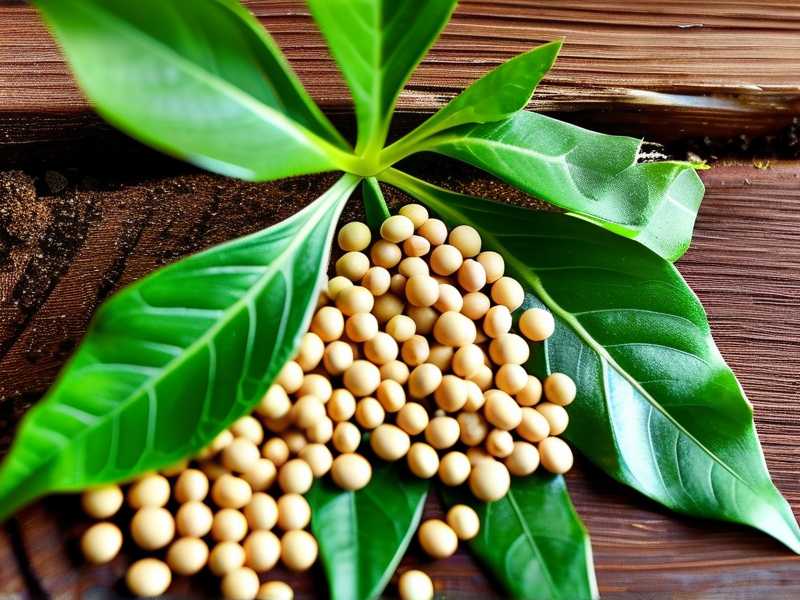
Soybean meal is exactly what it sounds like: ground-up soybeans left over after oil extraction. It's about 6-7% nitrogen, 1-2% phosphorus, and 1-2% potassium. That's a mild, nitrogen-heavy organic fertilizer. For succulents, which are light feeders, this is actually perfect. They don't need a lot of phosphorus or potassium compared to flowering annuals or tomatoes.
The nitrogen in soybean meal is mostly slow-release. It breaks down thanks to soil microbes, not instantly like synthetic fertilizer. That means you won't get a sudden spike in salts that burns roots. The RHS notes that organic fertilizers like this feed plants gradually and improve soil structure over time. I've found that to be exactly true in my own pots.
But here's the thing a lot of people miss: succulents in containers have a tiny root zone. A 4-inch pot holds maybe a cup of soil. If you dump in too much soybean meal, you're creating a concentrated nitrogen pocket. That's how I lost my first haworthia. I used a heaping tablespoon in a tiny pot, watered it in, and watched the leaves turn mushy and yellow within ten days. It wasn't overwatering—it was nitrogen burn.
The Right Way to Apply Soybean Meal
I'll walk you through exactly what I do now. It takes two minutes.
Step 1: Check the season. I only fertilize during active growth—spring through early fall for most succulents. If your plant is dormant (winter for most, summer for some like aeoniums), skip it. Feeding a dormant succulent is like giving a sleeping person a steak dinner. They can't use it, and it just sits there causing problems.
Step 2: Measure carefully. For a 6-inch pot, I use one tablespoon of soybean meal. For a 4-inch pot, one teaspoon. For a 10-inch pot, two tablespoons max. This is not a "more is better" situation. Underfeeding is almost always safer than overfeeding with succulents.
Step 3: Scratch it into the top inch of soil. I use a chopstick or a small fork. I gently loosen the top layer of soil, sprinkle the soybean meal, and mix it in just a little. Don't dig deep—succulent roots are often near the surface. You don't want to rip them up.
Step 4: Water lightly. Just enough to moisten the soil and start the microbial breakdown. Not a full soak. I use a squeeze bottle and give each pot a few tablespoons of water. That's it.
Step 5: Wait and watch. This is the hard part. Nothing happens for about 10-14 days. The soybean meal has to break down first. Then you'll start seeing results. For me, the first sign is usually that the leaves plump up slightly. Then new growth at the center of rosettes gets a richer color.
My 2-Week Observation Log
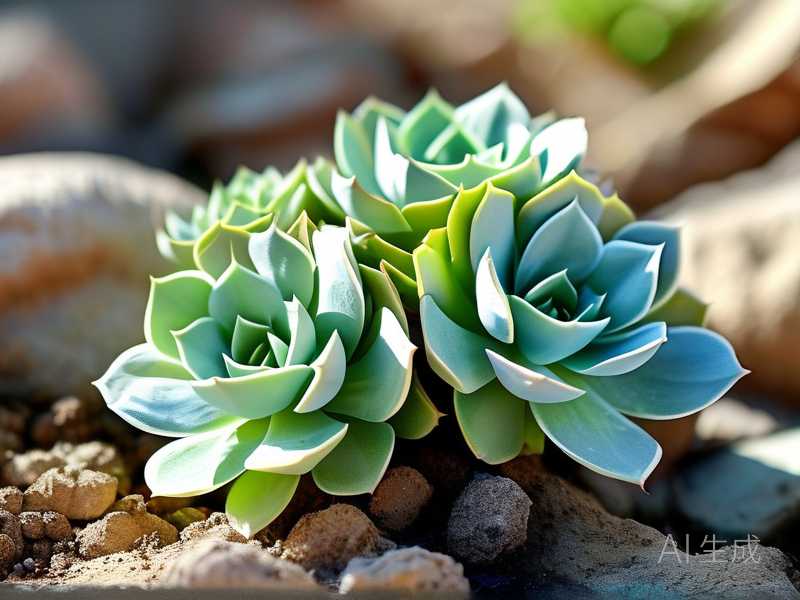
I want to be specific here because a lot of articles just say "you'll see results." I kept notes on three plants: a jade plant (Crassula ovata), an echeveria 'Perle von Nurnberg', and a haworthia fasciata.
Day 1: Applied soybean meal as described. No visible change.
Day 3: Still nothing. The soil surface looks slightly darker where I watered.
Day 5: I noticed a tiny bit of white fuzz on the soil surface of the jade pot. That's mold from the organic matter staying too wet. I scraped it off and stopped watering for a few days. Lesson learned: don't keep the soil moist after applying soybean meal. Let it dry out between waterings like normal.
Day 7: The echeveria's older leaves feel slightly firmer. Could be placebo, but I don't think so.
Day 10: The jade plant has two new leaf pairs emerging at the tips. They're a brighter green than the older leaves.
Day 14: Clear results. The haworthia's leaves are noticeably thicker. The echeveria's rosette is tightening up and the pink edges are more pronounced. The jade is pushing out new growth. No signs of burn, no mushy leaves.
But I also had a control plant—a small sedum I didn't fertilize. It looks fine, but it hasn't changed much. So I'm confident the soybean meal made a difference.
The 3 Mistakes That Kill Succulents (and How Soybean Meal Fits In)
I've made all three of these. More than once. Let me save you the trouble.
Mistake #1: Overwatering
You've heard it before, but it bears repeating: 90% of indoor plants die from overwatering. Not underwatering. Not pests. Overwatering. And when you add fertilizer to the mix, overwatering becomes even more dangerous because the roots are already stressed.
Here's what I do now: I water my succulents only when the soil is completely dry. Not just the top inch—the whole pot. I use a wooden skewer to check. If it comes out clean and dry, I water. If there's any moisture, I wait. When I fertilize with soybean meal, I don't change my watering schedule at all. The fertilizer breaks down slowly with the water that's already there.
I killed a beautiful Echeveria 'Black Prince' because I thought "fertilizer needs water to work." I watered it every three days for a week after applying soybean meal. The roots rotted. The plant turned to mush. I literally pulled it out of the pot and it fell apart in my hands. Don't do that.
Mistake #2: Wrong Light
Succulents need bright light. Most need at least 4-6 hours of direct sun or a strong grow light. If you fertilize a succulent that's sitting in a dim corner, you're just feeding a plant that can't use the nutrients. It'll get leggy, pale, and stretched out. The fertilizer won't fix that.
The AHS recommends matching fertilizer to the plant's light conditions. A succulent in low light grows slowly and needs almost no fertilizer. A succulent in full sun grows actively and can use a little more.
I learned this the hard way with a hawthornia. I had it on a north-facing shelf and fertilized it with soybean meal. It didn't die, but it etiolated—the leaves spread out and the plant got tall and ugly. I moved it to a brighter spot, and it's recovering, but it'll never look the same.
Mistake #3: Wrong Pot
This one is sneaky. Succulents need pots with drainage holes. Always. No exceptions. If you use a pot without drainage, water pools at the bottom, roots rot, and fertilizer makes it worse because it adds more stuff to the stagnant water.
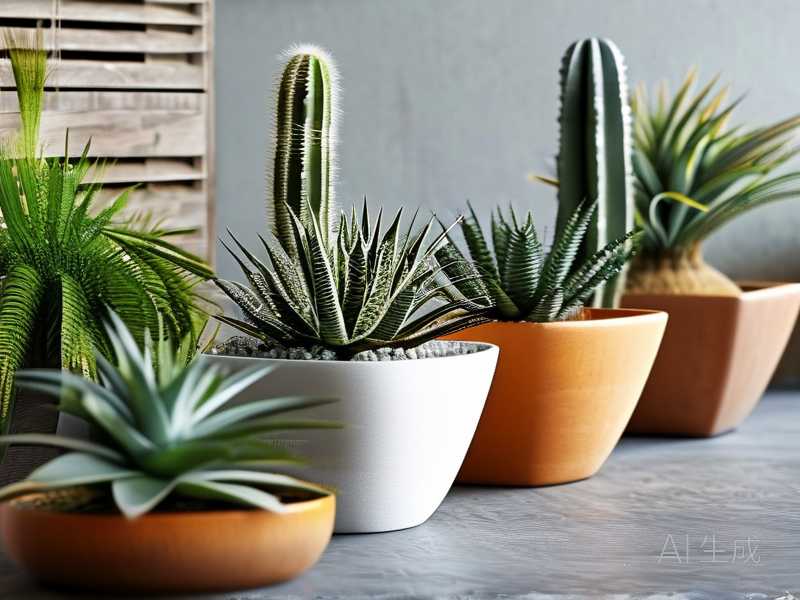
I also learned that pot material matters. Terracotta breathes and dries out faster. Glazed ceramic holds moisture longer. Plastic holds it even longer. I use terracotta for most of my succulents because it's forgiving. If I overwater slightly, the pot helps dry things out.
When I use soybean meal, I stick to terracotta or unglazed pots. The soil dries out more evenly, and the organic fertilizer breaks down at a steady pace instead of sitting in soggy soil.
A Few More Things I've Learned
Soybean meal smells. Not terrible, but like wet earth and slightly fermented soy. It fades after a few days, but if you're using it indoors, be aware. I usually apply it on a day when I can open a window.
You can mix soybean meal with other organic amendments. I sometimes add a little kelp meal or rock dust for trace minerals. But honestly, for succulents, soybean meal alone is enough. They don't need a complex feeding program.
Don't fertilize newly repotted succulents. Wait at least a month. The roots need time to settle in. I fertilized a freshly repotted aloe once, and it went into shock. The leaves curled and turned brown. It took three months to recover.
If you see white mold on the soil surface, don't panic. It's just the soybean meal breaking down. Scrape it off, let the soil dry out, and reduce your watering. It's not harmful to the plant, but it's a sign you're keeping things too wet.
You can also use soybean meal as a top dressing for outdoor succulent beds. I use about a cup per square meter, scratched into the top inch of soil, once in spring. That's it for the year. The plants get a slow feed all season.
Frequently Asked Questions
Can I use soybean meal on all types of succulents?
Mostly yes. It works well for jade plants, echeverias, haworthias, aloes, and sedums. Be extra careful with very slow growers like lithops or living stones. They need almost no fertilizer. I skip soybean meal entirely for lithops.
How often should I fertilize succulents with soybean meal?
Once in spring and once in midsummer is plenty for most succulents. That's two applications per year. If your plant is growing actively and looks healthy, you can skip one. Over-fertilizing is a bigger risk than under-fertilizing.
What if I accidentally use too much soybean meal?
Scrape off as much as you can from the soil surface. Then flush the pot with water—lots of it—to push the excess nutrients out of the drainage holes. Let the soil dry out completely before watering again. Watch for signs of burn: yellowing leaves, mushy stems, or sudden leaf drop. If you catch it early, the plant will usually recover.
Final Thoughts
Soybean meal is a simple, gentle, effective fertilizer for succulents. It's not a miracle cure, and it won't fix bad light or overwatering. But if you've got your basics right—right pot, right light, right watering—soybean meal gives your plants a slow, steady boost. One tablespoon per 6-inch pot, twice a year, scratched into the top inch of soil.
I've been using it for three years now, and my succulents have never looked better. No burned roots, no fertilizer salts building up in the soil, no complicated schedules. Just healthy plants and a bag of soybean meal that lasts forever. Give it a try. Just don't water too much. Seriously.