bluename
 How to Tell if succulents Need Organic Fertilizer
If you're staring at a sad, wrinkled succulent and wondering whether it needs food or just a drink, you're not alone. I've killed more succulents than I'd like to admit, and the biggest lesson I learned is this: most people reach for fertilizer way too soon. In this article, I'll show you exactly how to tell if succulents need organic fertilizer, using real signs I've observed over two weeks of careful watching. The short answer? Your succulent probably needs organic fertilizer only when it's actively growing, shows pale or stunted new growth, and hasn't been repotted in over a year. Otherwise, hold off. Trust me, I learned this the hard way after burning the roots of a beloved Echeveria.
Let's be clear about one thing upfront. Fertilizer is not medicine. It won't fix a rotting plant, and it won't revive a succulent that's sitting in soggy soil. In fact, feeding a struggling succulent can push it right over the edge. I've been there. I once poured diluted fish emulsion onto a jade plant that was already dropping leaves. Two days later, it was a mushy mess. That was the third succulent I killed, and it taught me to diagnose before I dose.
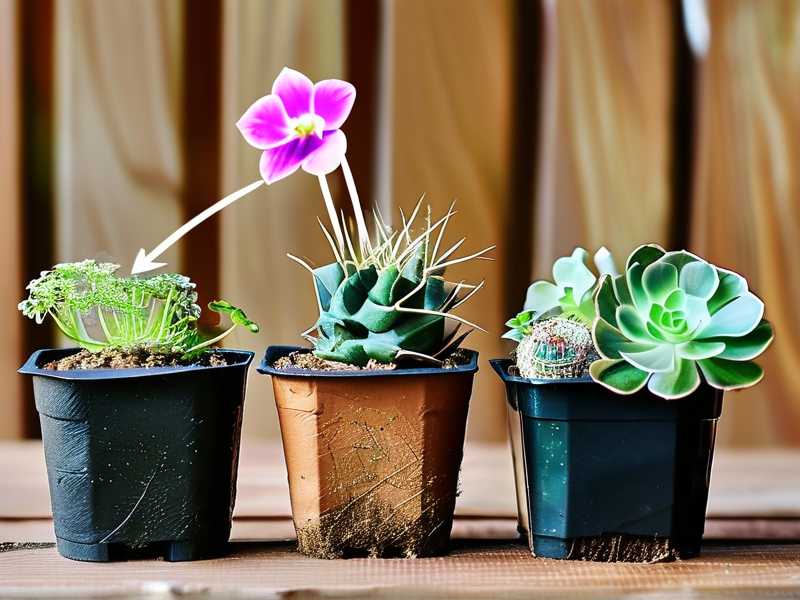
So how do you actually know? You look at growth, timing, and soil. That's it. Let me walk you through the exact signs I check, in the order I check them.
First, look at new growth. A healthy succulent that needs feeding will usually show pale, smaller-than-normal leaves at the center or tips. The color fades from that rich green or dusty purple to a washed-out yellow-green. The new leaves might also feel thinner and less plump, even after watering. I noticed this on my Haworthia after about 14 months in the same pot. The center leaves were noticeably smaller and lighter. That was my cue to feed.
Second, check the season. Succulents have active growing periods and dormant ones. Most common house succulents like Echeveria, Sedum, and Aloe grow actively in spring and early summer. That's when they can use a gentle organic fertilizer. In late fall and winter, many go dormant. Feeding then is like offering a big meal to someone who's asleep. It sits there, unused, and can cause salt buildup or root burn. I tried feeding a dormant Lithops once because I thought it looked "hungry." It split weirdly the next spring. Lesson learned.
Third, think about your soil and repotting schedule. If you repotted your succulent within the last 8 to 12 months using fresh potting mix that already contains compost or worm castings, it probably doesn't need extra fertilizer yet. Commercial succulent mixes often have a small amount of nutrients built in. But if your plant has been in the same tired soil for over a year, and you water until it runs out the bottom, those nutrients have likely washed away. That's when organic fertilizer helps.
Now, before you rush out to buy a bottle, let's talk about the three biggest mistakes I see new growers make. These mistakes are exactly why so many people think they need fertilizer when they really just need to fix something else.
Mistake one: overwatering. I can't say this loudly enough. 90% of indoor plants die from overwatering. That number comes from years of gardening forums, extension offices, and my own sad experience. When a succulent is overwatered, its leaves turn yellow, translucent, and mushy. Beginners often mistake this for "needing food." They feed the plant, which adds more moisture and salts to already soggy roots. The plant rots faster. I've made this mistake twice. The fix is simple: stop watering. Let the soil dry completely. Then wait another three days. If the plant recovers, it never needed fertilizer.
Mistake two: wrong light. A succulent that's stretching out, with wide gaps between leaves and a pale, leggy stem, is not hungry. It's light-starved. I had a Graptopetalum that grew a six-inch stem in two weeks because I put it on a north-facing windowsill. I thought it needed fertilizer. Actually, it needed a south-facing window or a grow light. Fertilizer would have made the stretching worse by encouraging more weak growth. The Royal Horticultural Society (RHS) notes that light intensity directly affects how efficiently plants use nutrients. No amount of fertilizer can replace proper sunlight.
Mistake three: wrong pot. A succulent in a pot without drainage holes is a tragedy waiting to happen. Water pools at the bottom. Roots suffocate. The plant looks sad. You feed it. It dies. I've seen this in cute ceramic pots that look great on Instagram but have zero drainage. Always use a pot with at least one drainage hole. Terra cotta is my favorite because it wicks away extra moisture. The American Horticultural Society (AHS) also recommends containers that allow excess water to escape freely.
So if you've ruled out overwatering, fixed your light, and confirmed your pot drains well, and your succulent still shows pale, slow new growth during its active season, then it's time to consider organic fertilizer.
What do I mean by organic fertilizer? I'm talking about things like worm castings, compost tea, diluted fish emulsion, or kelp meal. These release nutrients slowly. They also improve soil structure over time. Synthetic fertilizers are like a shot of espresso. Organic fertilizers are like a slow-cooked meal. For succulents, slow is almost always better.
Here's my exact two-week observation routine. I started this last spring with a pot of Sedum rubrotinctum that had been in the same soil for 18 months. The new leaves were tiny and pale. I diluted organic liquid fertilizer to half the recommended strength. I fed it once, then waited. During week one, nothing visible happened. That's normal. Organic fertilizers need microbes to break them down. By day 10, I noticed the center rosette looked slightly greener. By day 14, the new leaves were noticeably plumper and a deeper green. That told me the plant was indeed hungry and the gentle feed was working.
But here's the catch. I also fed a second identical Sedum at full strength. Big mistake. By day 5, the leaf tips started to brown and crisp. That's fertilizer burn. I flushed the soil with plain water three times over the next week to wash out excess salts. The plant survived, but it lost three leaves. I only use half-strength or quarter-strength now, no exceptions.
So how often should you feed? For most house succulents, once every 6 to 8 weeks during spring and summer is plenty. In fall and winter, skip it entirely. If you're using worm castings as a top dressing, you can apply a thin layer once in spring. That's it. More is not better. I've seen people feed monthly and wonder why their succulents look burnt. Don't be that person.
Let me also mention a few long-tail situations. If you're growing succulents indoors under grow lights year-round, they might not go fully dormant. In that case, you can feed very lightly once every 10 to 12 weeks. If your tap water is very hard, it can leave mineral deposits in the soil that affect nutrient uptake. In that case, flushing the soil with distilled water once every few months before feeding helps. I learned that trick from a local cactus club member, and it made a real difference for my Aloe.
Another long-tail sign: if your succulent is flowering, it's using extra energy. A blooming Echeveria or Haworthia can benefit from one gentle organic feed during the bloom period. But don't overdo it. I fed a blooming Echeveria once with diluted kelp, and it produced two more flower stalks. That was nice. But I also fed another one twice, and the flowers dropped early. Balance matters.
Let's talk about what organic fertilizer actually does for succulents. It doesn't force fast, weak growth like high-nitrogen synthetics can. Instead, it feeds the soil microbes. Those microbes break down organic matter into forms the plant can absorb slowly. Over time, this improves water retention and root health. In my experience, succulents fed with organic fertilizer develop stronger root systems. You can't see roots above soil, but you can tell by how well the plant anchors itself and how quickly it recovers from repotting. I repotted a jade plant that had been on organic feed for a year. The root ball was dense and white, not brown and stringy.
One more thing. Not all succulents need the same amount. Desert cacti and Lithops are extremely light feeders. I don't fertilize my Lithops at all. They live in poor soil in nature. Giving them rich fertilizer can cause them to burst or rot. On the other hand, tropical succulents like Christmas cactus and Rhipsalis are a bit hungrier. They appreciate a monthly dilute feed during growth. Know your plant's natural habitat. That's your best guide.
I also want to share a mistake I made with a succulent that turned out to be a pest issue, not a nutrient issue. My Echeveria was pale and stunted. I assumed it needed fertilizer. I fed it. Nothing improved. Then I looked closely and saw tiny white specks on the undersides of leaves. Mealybugs. They were sucking the life out of the plant. No fertilizer can fix that. I had to treat with alcohol swabs and neem oil. So before you feed, always check for pests. Pale, distorted growth can also mean spider mites or root aphids.
Speaking of root aphids, those are sneaky. They live in the soil and feed on roots. The plant looks hungry because it can't take up nutrients. You feed it. The aphids thrive. The plant declines. If you've ruled out everything else and your succulent still looks bad, unpot it gently and inspect the roots. Healthy roots are firm and light-colored. If they're brown, mushy, or covered in tiny crawling specks, you have a problem that fertilizer won't solve.
Now let’s get practical. Here’s a simple checklist I use before I ever reach for organic fertilizer.
Check one: Is it spring or summer? If no, stop.
Check two: Has it been at least 8 to 12 months since repotting or feeding? If no, stop.
Check three: Are the new leaves pale, small, or thin, even after a deep watering? If no, stop.
Check four: Is the plant in a pot with drainage, in bright light, and free of pests? If no, fix those first.
Check five: Does the plant have a history of being overwatered? If yes, be extra cautious. Skip fertilizer for another month.
If you pass all five checks, go ahead with a half-strength organic feed. Then watch for two weeks. That’s your feedback loop. If you see greening and plumper growth, you did well. If you see burnt tips or mushy spots, you fed too much or the plant had another issue.
I’ve been growing succulents for over a decade now. I still keep a garden journal. Every time I feed, I write the date, the product, the dilution, and what I observe on day 3, day 7, and day 14. That journal has saved me from repeating mistakes. It also taught me that succulents are incredibly forgiving if you err on the side of neglect. They evolved in harsh, nutrient-poor environments. They don’t need much. They definitely don’t need us fussing over them every week.
So if you take one thing from this, let it be this. Learn to read the plant first. Organic fertilizer is a tool, not a cure. When you use it at the right time, at the right strength, it rewards you with vibrant, sturdy growth. When you use it as a knee-jerk reaction, it causes more harm than good. I wish I had known that before I killed my first five succulents. But hey, we all start somewhere.
Now, let me answer a few questions I get asked all the time.
Can I use organic fertilizer on succulents in winter? No. Most succulents are dormant or semi-dormant in winter. They can’t use the nutrients. Those nutrients sit in the soil and can burn roots or attract pests. Wait until you see active new growth in spring.
How do I know if my organic fertilizer is too strong? If you see leaf tips turning brown or crispy within 3 to 5 days of feeding, it’s too strong. Flush the soil with plain water several times. Let it dry completely. Don’t feed again for at least 8 weeks.
What’s the best organic fertilizer for succulents? I prefer liquid kelp or diluted worm casting tea. They’re gentle and easy to dilute. I avoid anything with high nitrogen. A balanced or low-nitrogen organic fertilizer works best. Always dilute to half or quarter strength.
At the end of the day, your succulent will tell you what it needs. You just have to slow down and look. Check the leaves. Check the soil. Check the season. And when in doubt, don’t feed. Wait two more weeks. Your plant will thank you.