bluename
 How to Plant succulents in Quartz Planters (And Not Kill Them in Two Weeks)
I killed three succulents in a row before I figured out that the pot was the problem, not me. So here's the short answer if you're in a hurry: use a quartz planter with a drainage hole, fill it with gritty cactus mix, water only when the soil is bone dry, and give it bright indirect light. That's it. That's the whole secret. Everything else is just details, and I'll walk you through those now.
I've been growing succulents for about six years, mostly on a crowded windowsill in a rental apartment with terrible afternoon light. Quartz planters became my go-to after I got tired of terracotta drying out too fast and ceramic pots trapping moisture. But I also made every beginner mistake along the way, sometimes twice. So this isn't theory. It's what actually worked after I stopped guessing.
Why Quartz Planters Are Worth Trying (And Where They Go Wrong)
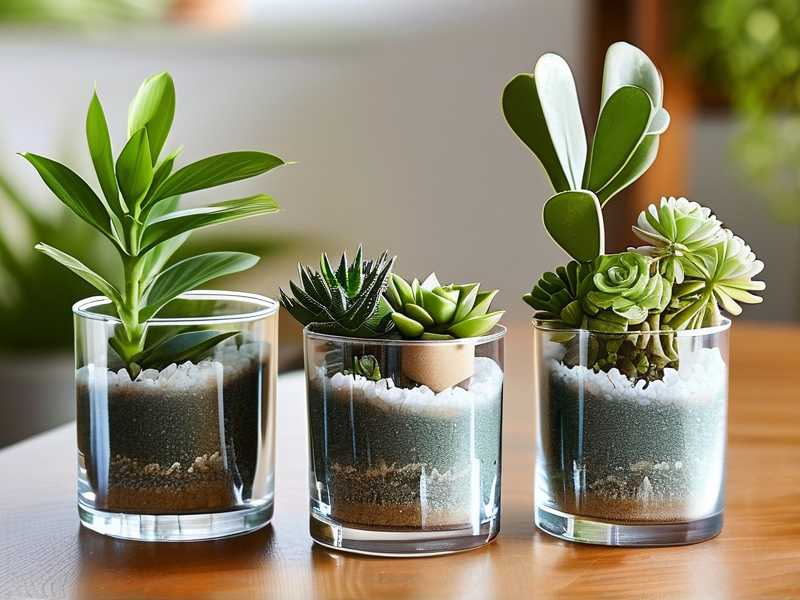
Quartz planters look fantastic. They're heavy, they stay cool to the touch, and they don't sweat or stain like some cheaper materials. I picked up my first one at a garden center because it matched my kitchen counter, honestly. Not a great reason, but there it is.
The catch is that not all quartz planters drain well. Some are designed as cachepots, meaning they're meant to hold a plastic nursery pot inside, not soil directly. I learned this the hard way. My first quartz planter had no drainage hole at all, and I planted a jade plant straight into it. Two weeks later the lower leaves were yellow and mushy. Root rot. Classic.
So before you buy, flip the planter over. If you see a hole, great. If not, either drill one with a diamond bit (quartz is hard, so go slow and keep it wet) or treat it as a cover pot and keep your plant in its plastic liner.
The 90% Rule Nobody Tells Beginners
Here's a statistic that changed how I water everything: 90% of indoor plants die from overwatering. Not underwatering. Overwatering. I read this early on and still ignored it, because I thought I was being attentive. I wasn't. I was drowning them.
Succulents store water in their leaves and stems. They evolved in places where rain is rare. So when you water them every few days because the soil looks dry on top, you're basically giving them a flood they never asked for.
My rule now: stick your finger an inch into the soil. If it's even slightly cool or damp, wait. If it's bone dry and the leaves feel a little less plump than usual, water thoroughly until it runs out the drainage hole. Then walk away. For at least a week. Sometimes two.
Three Mistakes That Kill Most Succulents
I've made all three of these. Some more than once. Let's go through them so you don't have to.
Mistake 1: Watering Too Often
This is the big one. I used to water on a schedule, every Sunday like clockwork. That's how you kill a succulent. They don't want routine. They want neglect with occasional drinks.
After I switched to the finger test, my survival rate went from about 50% to nearly 100%. I'm not exaggerating. The plants that died all had wet feet.
Mistake 2: Putting Them in the Wrong Light
Succulents need light, but "full sun" means something different indoors. A south-facing window in Arizona will fry a haworthia. A north-facing window in Seattle will make an echeveria stretch into a sad, leggy stem.
I killed a beautiful rosette-style succulent because I put it on a windowsill that got four hours of harsh afternoon sun. The leaves turned brown and crispy at the edges. I thought it was thirsty, so I watered it more. That made it worse. Double whammy.
Now I aim for bright, indirect light. That means a spot near a window but not right against the glass, or a sheer curtain between the plant and the sun. If the plant starts leaning toward the light, it wants more. If the leaves get brown spots, it wants less.
Mistake 3: Using the Wrong Planter (Yes, Even Quartz)
I already mentioned the no-drainage-hole disaster. But there's another version of this mistake: using a quartz planter that's way too big. A tiny succulent in a giant pot is a recipe for root rot, because the soil stays wet for ages around the roots.
The fix is simple. Match the pot to the root ball. A 2-inch succulent goes in a 3-inch pot. A 4-inch plant goes in a 5-inch pot. You want maybe an inch of extra space around the roots, not three.
Quartz planters are heavy, so they don't tip over easily. That's a plus. But they also don't breathe like unglazed terracotta. So you need to be extra careful with watering. I check my quartz-planted succulents every 10 to 14 days, not every week.
How I Actually Plant Succulents in a Quartz Planter (Step by Step)
This is my exact process. I've refined it over dozens of plantings.
Step 1: Gather your supplies. You need the quartz planter, a bag of cactus and succulent mix, some perlite or pumice, a small trowel or spoon, and your plant. I also keep a chopstick handy for poking around the roots.
Step 2: Mix your soil. Straight cactus mix from the store is okay, but I've found it holds more moisture than I like. So I mix it 50/50 with perlite or pumice. This makes it drain fast. Really fast. That's what you want. If you skip this step, you're asking for trouble in a quartz planter.
Step 3: Cover the drainage hole. I use a small piece of window screen or a coffee filter. This keeps soil from washing out but still lets water through. Don't use pebbles unless you're in a very humid climate. In most homes, a layer of rocks at the bottom actually raises the water table and makes things worse. I learned that from a local nursery owner who has been growing succulents for 30 years.
Step 4: Add soil and plant. Fill the planter about two-thirds full. Gently loosen the roots of your succulent. I use my fingers, not a knife. Place the plant so the base of the stem sits just below the rim. You want a little space for watering without overflow. Then backfill with more soil, pressing lightly.
Step 5: Wait before watering. This is the hard part. Do not water for three to five days after planting. The roots need to heal from any damage during transplanting. If you water immediately, you risk rot. I know it feels wrong, but trust me on this one.
Step 6: Find the right spot. Bright indirect light. A few feet back from a south or east window is usually perfect in my experience. If you're in the UK or Pacific Northwest, you might get away with a sunnier spot.
The Two-Week Observation: What I Noticed
After planting my most recent quartz planter succulent, I kept notes for two weeks. Here's what happened.
Day 1 to 3: No change. The plant looked the same as it did in the nursery pot. I resisted watering.
Day 4: I watered thoroughly. Water ran out the bottom within seconds. Good drainage.
Day 7: The leaves felt firm. No signs of stress. I rotated the pot a quarter turn so it would grow evenly.
Day 10: I noticed a tiny new leaf emerging from the center of the rosette. That's the sign that the plant is happy. New growth means it's settled in.
Day 14: Still no watering needed. The soil was dry about two inches down. I waited two more days before watering again.
So the whole two-week period involved exactly one watering. That felt wrong at first. But the plant was thriving.
What the Experts Say
The Royal Horticultural Society recommends that succulents be grown in free-draining compost and watered sparingly, especially in winter. That matches everything I've learned. The American Horticultural Society also stresses the importance of drainage and light for succulent health. If you're ever unsure, check their guides. They're not trying to sell you anything, and they've been doing this for a long time.
Quartz Planters vs. Other Materials
I've tried terracotta, ceramic, plastic, and quartz. Here's my honest take.
Terracotta dries out fast. Great for overwaterers, bad for forgetful people like me. Ceramic is pretty but often glazed, which means no breathability. Plastic is cheap and lightweight but holds moisture like crazy. Quartz is a nice middle ground. It's heavy and stable, it doesn't dry out too fast, and it looks better than plastic by a mile.
But quartz doesn't wick moisture away like terracotta. So you have to be more careful. If you're a chronic overwaterer, maybe stick with terracotta until you break the habit. I had to.
A Note on Fertilizer
I feed my succulents maybe twice a year. Once in spring, once in early summer. I use a diluted liquid fertilizer, half strength. That's it. Succulents are not heavy feeders. If you fertilize too much, they grow weak and leggy. I've done this. The plant survived but looked terrible for months.
Winter Care in Quartz Planters
This is where a lot of people slip up. In winter, succulents go dormant. They need less water, less light, and cooler temperatures. I water maybe once a month from November to February. Sometimes less. The quartz planter stays cool, which is actually good for dormancy.
If you're in Canada or the northern US, keep your succulents away from drafty windows. Cold drafts plus wet soil equals rot. I lost a beautiful echeveria that way during a cold snap.
Frequently Asked Questions
Can I plant succulents in a quartz planter without a drainage hole?
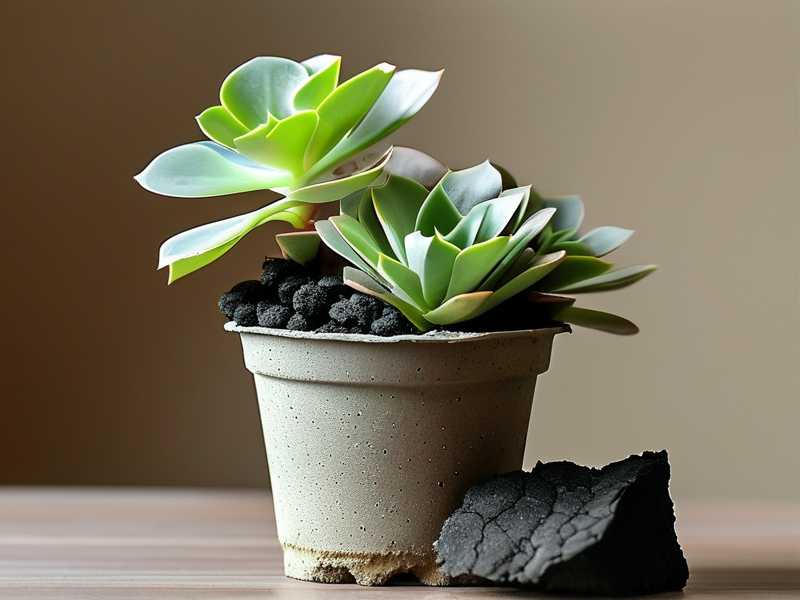
You can, but you need to be very careful. Use a layer of activated charcoal at the bottom, water very sparingly, and consider keeping the plant in a plastic liner that you remove for watering. Honestly, it's easier to just drill a hole or use a different pot.
How often should I water succulents in quartz planters?
Less often than you think. In summer, every 10 to 14 days. In winter, every 3 to 4 weeks. Always check the soil first. If it's damp, wait.
Why are my succulent leaves turning yellow and mushy?
That's overwatering. Almost every time. Stop watering, move the plant to a dry spot, and let the soil dry out completely. If the stem is mushy too, you might need to cut above the rot and replant the healthy top.
Final Thoughts
Planting succulents in quartz planters is not complicated. But it's also not foolproof. The planter looks great, but it won't save you from overwatering or bad light. Get those two things right, and you'll be fine.
Start with a small plant, a gritty soil mix, and a quartz planter with a drainage hole. Water rarely. Wait two weeks before you panic. And remember that 90% of indoor plants die from overwatering. I've killed my share, and I still forget sometimes. But the plants that survive are worth it.