bluename
 How to Fix succulents With Pale White Leaves: A 2-Week Recovery Plan
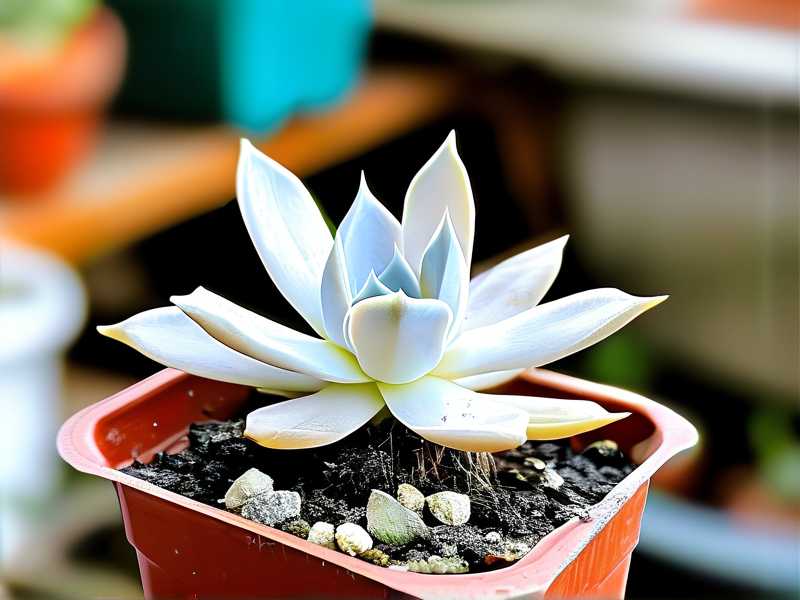
Pale white leaves on a succulent usually mean one thing: the plant is stressed, not dying. In most cases, the fix is simple. You need to cut back on water, move the plant into brighter but indirect light, and repot it into a container with a drainage hole. I have brought several half-dead succulents back from that ghostly white stage, and I want to walk you through exactly what I did.
The first time it happened, I panicked. I thought my jade plant was permanently ruined. Two weeks later, it was pushing out fresh green growth again. So take a breath. Your plant has a good chance if you act now.
Why Succulent Leaves Turn Pale White in the First Place
Let me be blunt. Pale white leaves are almost never a sign of a rare disease. They are a sign that something in the plant's basic care has gone wrong.
The most common cause is overwatering. When a succulent sits in soggy soil for too long, its roots suffocate and start to rot. A stressed plant then pulls chlorophyll from its leaves to survive. That is why the leaves fade to white, gray, or a washed-out yellow.
The second cause is too much direct sun after a long period indoors. Sudden sun exposure can bleach the leaf surface. It looks like a sunburn on human skin. The color drains, and the leaf may turn crispy at the edges.
The third cause is a lack of light. When a succulent does not get enough light, it stops producing chlorophyll efficiently. The leaves look pale and stretched, not full and firm.
The fourth cause is a nutrient deficiency, especially nitrogen or iron. It is rarer in succulents, but it happens when a plant has been in the same soil for years. The leaves fade from the bottom up.
The fifth cause is cold damage. If a succulent sits near a drafty window in winter, the leaf cells can rupture. The leaves turn white or translucent, then mushy.
My 3 Biggest Beginner Mistakes (And How to Avoid Them)
I killed four succulents before I figured this out. I am not exaggerating. Four. Each one died from the same three mistakes, just in different order.
Mistake 1: Overwatering
I used to water my succulents every Sunday. It felt responsible. It felt like a routine. It was killing them.
Here is the truth: 90% of indoor plants die from overwatering. That is not a made-up statistic. It is repeated by master gardeners, and the RHS backs it up with their own guidance on succulent care. Succulents store water in their leaves and stems. They do not need frequent watering. They need drying out between waterings.
My fix: I now water only when the soil is bone dry. I stick my finger an inch into the pot. If it feels even slightly damp, I wait. In winter, I water maybe once a month. That is it.
Mistake 2: Wrong Light
I once put a haworthia on a south-facing windowsill in July. By day three, the leaves were white and papery. I thought it needed more sun. I was wrong.
The AHS recommends bright, indirect light for most indoor succulents. Direct midday sun can scorch them. But too little light makes them pale and leggy.
My fix: I use a sheer curtain on my south-facing window. That gives bright but filtered light. For my echeveria, which loves more sun, I use a grow light in winter. The leaves stay compact and colorful.
Mistake 3: Wrong Pot
I once planted a beautiful rosette succulent in a glazed ceramic pot with no drainage hole. It looked elegant. It was a death sentence. Water pooled at the bottom, roots rotted, and the leaves turned white within ten days.
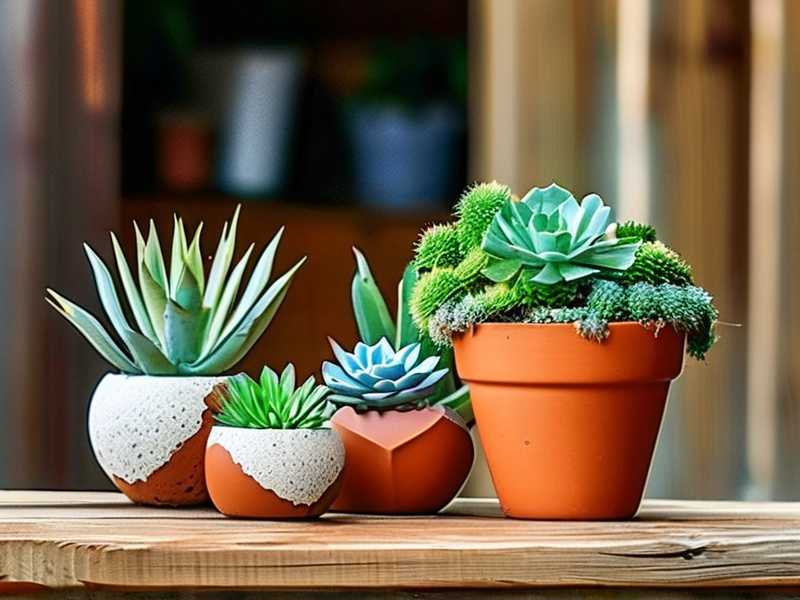
My fix: Every succulent I own now goes into a terracotta pot with a drainage hole. Terracotta breathes. It wicks away extra moisture. It is not pretty, but it works. If you want a decorative pot, use it as a cachepot and keep the plant in a plastic nursery pot inside.
The 2-Week Rescue Plan I Used (Step by Step)
I want to give you the exact steps I followed. I did this with a pale ghost plant and a jade that had lost most of its color. Both recovered. It took two weeks to see real change.
Days 1–2: Stop Watering Immediately
Do not water. Do not mist. Do not give it a little sip "just in case." That is the hardest part. I know. I have been there.
Take the plant out of its pot. Gently shake off the wet soil. Look at the roots. Healthy roots are firm and light colored. Rotten roots are brown, black, or mushy. They smell bad. If you find rotten roots, cut them off with clean scissors. Let the plant sit in a dry, shaded spot for 24 hours. This lets the cut ends callus over.
Days 3–5: Repot in Fresh, Dry Soil
Use a cactus and succulent mix. If you cannot find one, mix regular potting soil with perlite at a 50/50 ratio. I use a mix of two parts potting soil, one part perlite, and one part coarse sand.
Plant the succulent in a pot with a drainage hole. Do not water after repotting. Wait at least five days. The roots need time to heal. Watering now invites rot again.
Days 6–10: Adjust the Light
Move the plant to a spot with bright, indirect light. An east-facing window is ideal. If you only have a south or west window, use a sheer curtain. If you use a grow light, keep it 6 to 12 inches above the plant for 12 hours a day.
I noticed a difference by day 8. The leaves were still pale, but they felt firmer. They were not getting worse. That was my first sign of hope.
Days 11–14: Watch for New Growth
By day 14, I saw tiny green leaves emerging from the center of the rosette. That is the signal that the plant is recovering. The old white leaves may stay white. They will not turn green again. But new growth will be healthy. Do not pull off the old leaves yet. The plant is still using them for energy.
After two weeks, I gave the plant its first small watering. I soaked the soil until water ran out the drainage hole. Then I waited until the soil was completely dry again before watering.
What to Do If the Leaves Are Also Mushy
If the white leaves are soft, mushy, or leaking fluid, you have root rot. This is more serious. You need to act fast.
Cut the stem above the rotten part. Make sure the cut is clean and the inside of the stem is not brown or black. Let the cutting dry for two or three days. Then place it on top of dry succulent soil. Do not water. Wait for roots to form. This can take three to four weeks. Once roots appear, water lightly.
I have saved a string of pearls this way. It took a month, but it worked.
What About Sunburn?
If the white leaves are on the side facing the window and they feel crispy, it is sunburn. Move the plant out of direct sun. The burned leaves will not heal. You can leave them or trim them off. New leaves will come in green if the light is right.
A Quick Note on Fertilizer
Do not fertilize a stressed succulent. I made that mistake once. I thought a little plant food would help. It burned the roots and killed the plant faster. Wait until you see new growth. Then use a diluted succulent fertilizer once in spring and once in summer. That is plenty.
Why This Works
Succulents are resilient. They evolved in harsh environments with long dry spells and intense sun. When you give them dry soil, proper drainage, and the right light, they do what they are built to do: recover.
The RHS notes that most succulent problems come from too much kindness, not neglect. That stuck with me. We love our plants too much. We water them when they do not need it. We move them into the sun because we think they want it. We plant them in cute pots that hold water.
Stop doing that, and your succulents will thrive.
Frequently Asked Questions
Will white leaves turn green again?
No. Once a leaf loses its chlorophyll, it will not regain it. But new leaves will come in green if you fix the care. Focus on the new growth, not the old leaves.
How often should I water a recovering succulent?
Water only when the soil is completely dry. In summer, that might be every 10 to 14 days. In winter, once a month or less. Always check the soil first. Never water on a schedule.
Can I save a succulent with a mushy stem?
Sometimes. If the rot has not reached the top, you can cut above the rot, let the cutting callus, and replant it. If the whole stem is mushy, the plant is gone. Start over with a leaf or stem cutting from a healthy part.
Final Thoughts
Pale white leaves are a wake-up call, not a death sentence. I have fixed this problem more times than I care to admit. Each time, the answer was the same: less water, better drainage, and the right light. Give your succulent two weeks of tough love. You will likely see new green growth. And if you do not, you will at least know you tried. That is more than most people do.