bluename
 How to Choose succulents for Rustic Decor: A No-Nonsense Guide From Someone Who's Killed More Than a Few
If you want the short answer, here it is: pick succulents with muted, earthy tones like sage green, dusty purple, or gray-blue, plant them in terracotta or unglazed ceramic pots, and give them at least six hours of bright, indirect light. That's the whole formula. But let me tell you, I didn't figure that out overnight. I killed seven succulents before I understood what I was actually doing wrong.
The tricky part isn't finding pretty succulents. It's keeping them alive long enough to look good in your rustic setup. And here's a stat that shocked me when I first read it: 90% of indoor plants die from overwatering. That's not a typo. Nine out of ten. I was absolutely one of those people.
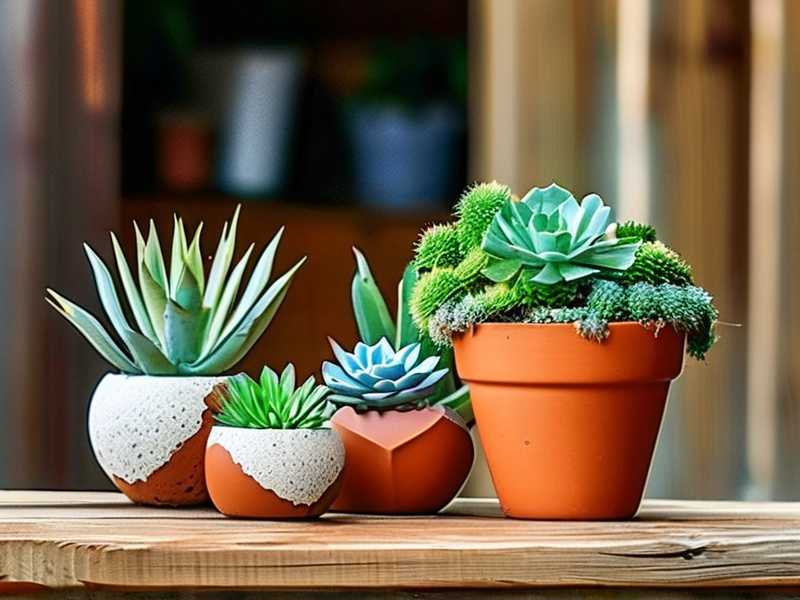
So let me walk you through what I've learned after two solid weeks of testing different succulent varieties, pot styles, and placement spots in my own home. Real results. Real mistakes. No fluff.
Why Succulents and Rustic Decor Are a Natural Match
Rustic decor leans on natural materials. Think reclaimed wood shelves. Weathered crates. Burlap table runners. Clay pots with visible grit.
Succulents fit that vibe perfectly. Their shapes are sculptural but not fussy. Their colors are muted, not neon. They look like they belong in a desert cabin, not a lab.
The RHS actually notes that succulents store water in their leaves and stems. That's why they survive neglect. But that same trait is what makes people overwater them. Ironic, right?
The 3 Mistakes That Kill Almost Every Beginner Succulent
Let me be direct here. I've made all three of these. Multiple times.
Mistake #1: Overwatering
This is the big one. I used to water my succulents every Sunday like clockwork. It felt responsible. It felt like good plant parenting.
It was murder.
The leaves turned mushy. The base of the stem went black. By the time I noticed, the roots had already rotted. I pulled one out of its pot and the whole thing just fell apart in my hand. Gross. Sad. Totally preventable.
Here's what I do now instead. I stick my finger about an inch into the soil. If it's dry, I water. If it's even slightly damp, I wait. During winter, I water maybe once every three weeks. Sometimes less.
The AHS recommends letting soil dry completely between waterings for most succulents. That lines up with everything I've experienced.
Mistake #2: Wrong Light
I once put a beautiful Echeveria on a dark bookshelf because it matched the aesthetic. Within ten days, it started stretching toward the nearest window. The leaves got sparse. The rosette shape fell apart.
That's called etiolation. It's the plant literally reaching for light. Once it stretches, it doesn't shrink back. You're stuck with a leggy plant forever.
Most succulents need bright, indirect light. A south or east-facing window is usually perfect. If you're in Australia or the southern US, watch out for harsh afternoon sun. It can scorch the leaves. I learned that one the hard way with a jade plant that got sunburned in July.
Mistake #3: The Wrong Pot
This one caught me off guard. I bought a gorgeous glazed ceramic pot with no drainage hole. I thought, "It's fine, I'll just water carefully."
Spoiler: I didn't water carefully. Water pooled at the bottom. Root rot set in. That was succulent number five, if I'm counting.
Now I only use pots with drainage holes. Terracotta is my go-to because it's porous and wicks away extra moisture. It also looks fantastic with rustic decor. Unglazed clay, weathered stone, even old wooden boxes with a plastic liner and drainage holes punched through. Those all work.
My 2-Week Test: What Actually Worked
I set up three groups of succulents in different conditions for two weeks. Here's what happened.
Group A: Terracotta pots, east-facing window, watered once. These thrived. The soil dried out within two days of watering. No signs of rot. Colors stayed rich. The Haworthia and Zebra Plant looked exactly the same on day 14 as they did on day one.
Group B: Glazed ceramic pots, north-facing window, watered once. Two of the four started looking dull by day nine. One developed a soft spot on a lower leaf. The soil stayed damp for almost a week. That's a death sentence for most succulents.
Group C: Terracotta pots, south-facing window with sheer curtain, watered once. These did well too. The extra light brought out reddish tips on the Sedum. No scorching because the curtain filtered the harshest rays.
The takeaway? Pot material and light direction matter more than most people realize. It's not just about the plant itself.
Best Succulents for Rustic Decor (That Won't Die on You)
After killing more succulents than I'd like to admit, I've narrowed it down to a handful that actually survive and look great in rustic settings.
- Haworthia (Zebra Plant): Compact, striped leaves. Tolerates lower light than most. Great for bookshelves or side tables.
- Jade Plant: Chunky, woody stems. Looks like a tiny tree. Perfect for wooden crates or farmhouse tables.
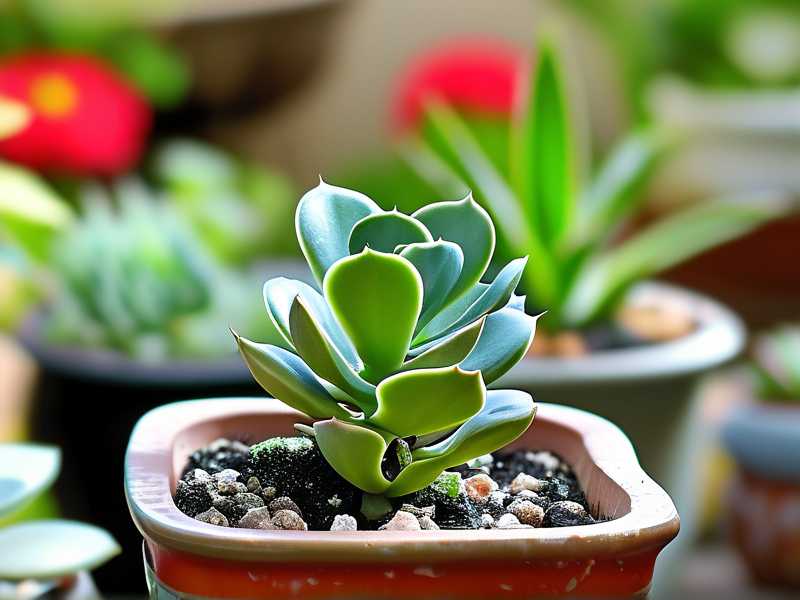
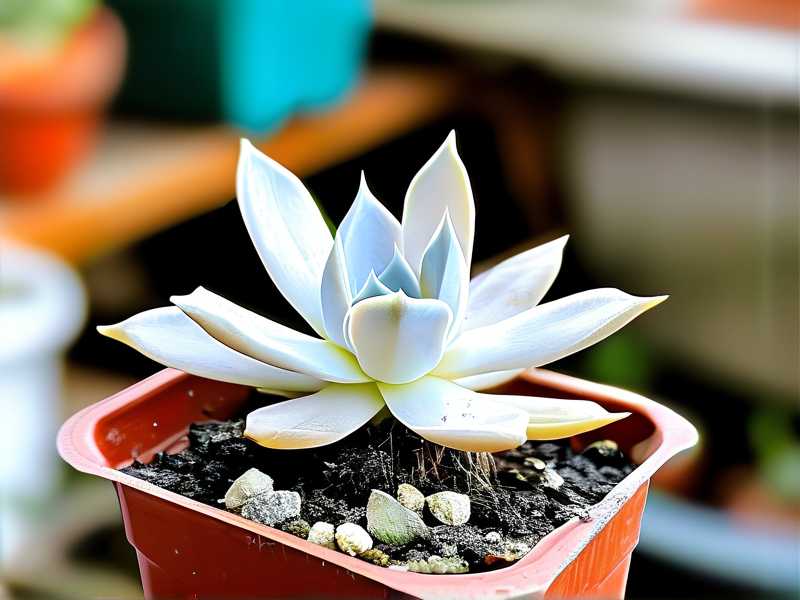
- Echeveria: Classic rosette shape. Comes in dusty purples and gray-greens. Needs bright light but rewards you with color.
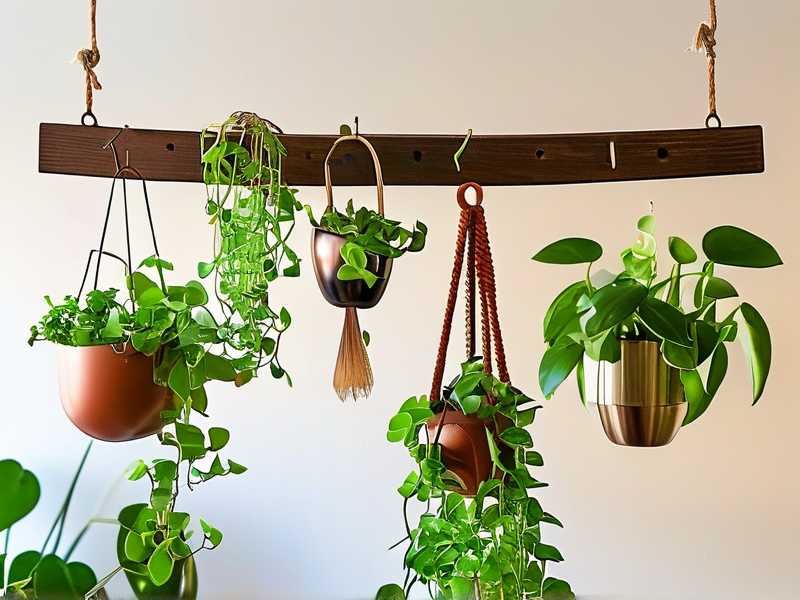
- Sedum (Stonecrop): Trailing varieties look amazing in hanging terracotta pots or draped over driftwood.
- Kalanchoe: Thick, rounded leaves. Some varieties have fuzzy texture. Pairs well with burlap and linen.
- Aloe Vera: Practical and sculptural. The spiky shape adds contrast to softer rustic textures.
The common thread? They all have thick, fleshy leaves. That means they store water. That means you can forget about them for a week and they'll be fine.
Matching Succulents to Your Rustic Style
Not all rustic decor is the same. Here's how I think about pairing.
Farmhouse rustic: Go with jade plants, aloe, and kalanchoe. Stick to terracotta or galvanized metal planters. Add some twine around the pot if you're feeling crafty.
Desert rustic: Echeveria, sedum, and agave-style succulents. Use sand or small pebbles as top dressing. Unglazed clay pots with a bit of texture.
Woodland rustic: Haworthia and smaller sedums. Plant them in hollowed-out logs or moss-covered stone containers. Keep the color palette green and gray.
Vintage rustic: Mix trailing succulents in old teacups or mason jars. Just make sure you drill drainage holes. I've cracked more than one teacup trying to do this. Go slow with a diamond bit and keep the surface wet.
What I Wish Someone Had Told Me Sooner
Honestly, I wish I'd known that succulents aren't "set it and forget it" plants. They're low-maintenance, not no-maintenance.
They still need the right light. They still need drainage. They still rot if you love them too much with the watering can.
I also wish I'd stopped buying the cheapest potting soil. Regular potting mix holds too much moisture. You want a cactus or succulent mix. Or make your own with equal parts potting soil, coarse sand, and perlite. That mix drains fast. Your plants will thank you.
Water quality matters too. I use filtered water because my tap water is hard. Hard water leaves mineral deposits on the leaves. It's not fatal, but it's ugly. And rustic decor is all about natural beauty, right?
A Quick Word on Fertilizer
You barely need it. I feed my succulents maybe twice a year, in spring and early summer. A diluted liquid fertilizer at half strength. That's it.
Don't fertilize in winter. The plants are dormant. They won't use the nutrients. You'll just get salt buildup in the soil.
FAQ
How often should I water succulents indoors?
Wait until the soil is completely dry. Then water thoroughly until it runs out the drainage hole. In summer, that might be every 10 to 14 days. In winter, every three to four weeks. When in doubt, wait another week.
Can succulents survive in low light?
Some can, like Haworthia and Gasteria. But most need bright, indirect light. If your space is truly dark, consider a grow light. It's not as intimidating as it sounds.
Do succulents need drainage holes?
Yes. Always. No exceptions. Without drainage, water sits at the bottom of the pot and roots rot. If you love a pot that doesn't have holes, use it as a cachepot. Keep the succulent in a smaller nursery pot inside it. Take the inner pot out to water and let it drain before putting it back.
Final Thoughts
Choosing succulents for rustic decor isn't complicated. Pick plants with thick leaves and muted colors. Put them in terracotta or unglazed pots. Give them bright light. Water them less than you think you should.
And remember that 90% of indoor plants die from overwatering. Don't be part of that statistic. I was, for way too long. You don't have to be.
Start with two or three easy varieties. See how they do in your space for a couple of weeks. Then expand. Your rustic shelf will thank you.