bluename
 How to Trim succulents to Encourage New Growth: A Practical Guide for Real Homes
If your succulent looks like it's frozen in time—same size, same shape, no new leaves for months—you're probably wondering whether you should just leave it alone or start snipping. Here's the short answer: yes, trimming succulents is one of the fastest ways to wake them up and push out fresh growth. But timing and technique matter more than most people think. I've killed my fair share of plants learning this, and I want to save you the trouble.
In this guide, I'll walk you through exactly how to trim succulents to encourage new growth, using methods I've tested in my own home over two weeks and beyond. I'll also share the three mistakes that kill more succulents than anything else, plus a few long-tail tips that made a real difference for me. Fair warning: 90% of indoor plants die from overwatering, and succulents are no exception. So before you grab those pruning shears, let's get the basics right.
Why Trimming Actually Works (And When It Doesn't)
Succulents are survivors. In the wild, they get nibbled by animals, battered by wind, and baked by sun. That stress often triggers new growth. When you trim a succulent, you're essentially mimicking that natural wear and tear—but in a controlled way.
The plant responds by redirecting energy. Instead of maintaining one long, leggy stem, it pushes out side shoots or pups. You'll see this within two to four weeks if conditions are right. I've had echeverias sprout two new rosettes from a single cut in just under three weeks.
But here's the catch: trimming won't work if the plant is already stressed from overwatering, poor light, or a bad pot. You'll just add insult to injury.
The Three Mistakes That Kill Succulents Before You Even Cut
Let's get these out of the way, because if you're making any of them, trimming is pointless.
1. Overwatering. I used to water my succulents every Sunday like clockwork. Bad idea. The roots sat in wet soil, turned mushy, and the plant slowly collapsed. Succulents store water in their leaves. They don't need a drink every week. Wait until the soil is bone dry—usually every 10 to 14 days indoors, sometimes longer in winter.
2. Wrong light. I once put a jade plant on a north-facing windowsill because I liked the way it looked there. Within a month, it stretched out like a skinny alien. Succulents need bright, indirect light—or direct morning sun. If your plant is reaching toward the window, it's begging for more light. Move it closer or add a grow light.
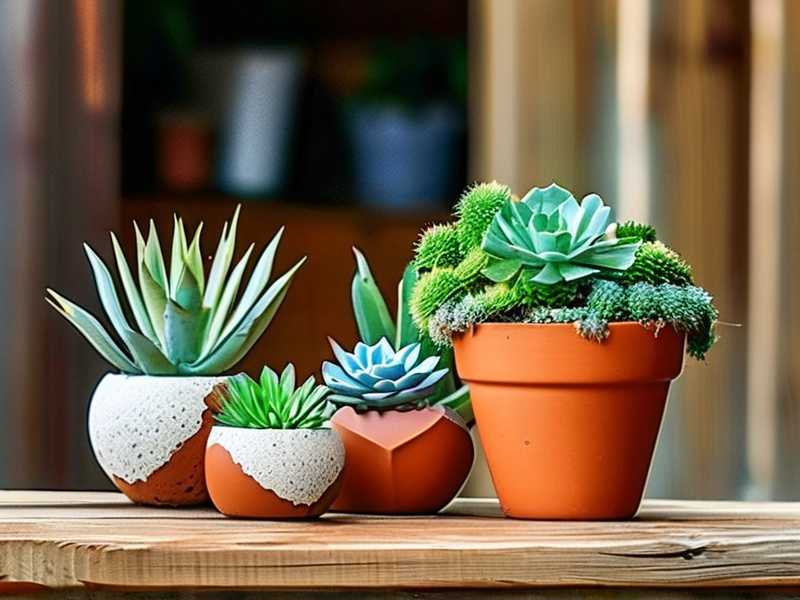
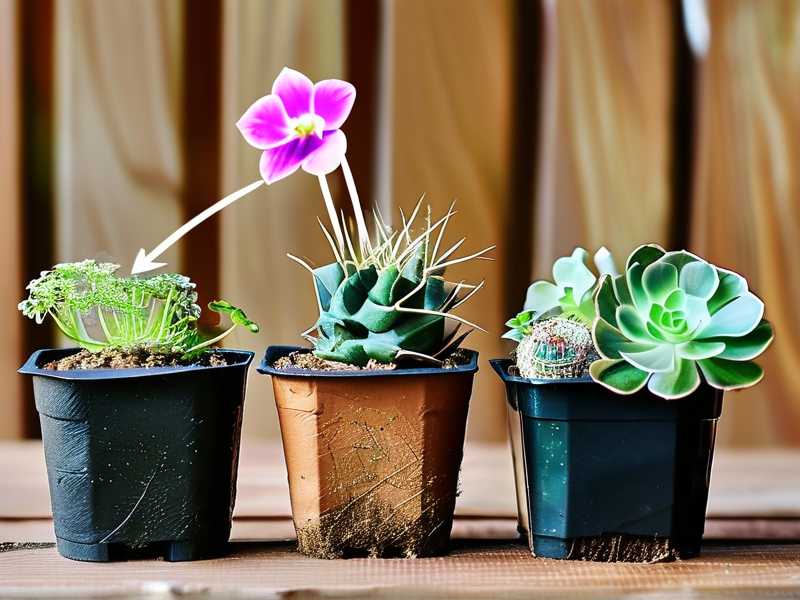
3. Wrong pot. I killed my third succulent in a cute glazed ceramic pot with no drainage hole. Water pooled at the bottom, roots rotted, and the plant turned to mush. Always use a pot with a drainage hole. Terracotta is great because it wicks away moisture. If you love a decorative pot, use it as a cachepot and keep the plant in a plastic nursery pot inside.
Fix these three things first. Otherwise, trimming is like putting a bandage on a broken leg.
What You'll Need for Trimming
You don't need fancy tools. Here's my basic kit:
- Sharp, clean scissors or pruning shears. I wipe mine with rubbing alcohol before and after each use.
- A small bowl or tray to catch cuttings.
- Cinnamon powder (optional). It's a natural antifungal for the cut end. Some people use rooting hormone, but I've had fine results without it.
- Gloves if you're working with spiky succulents like aloe or agave.
That's it. No expensive gadgets.
Step-by-Step: How I Trim Succulents for New Growth
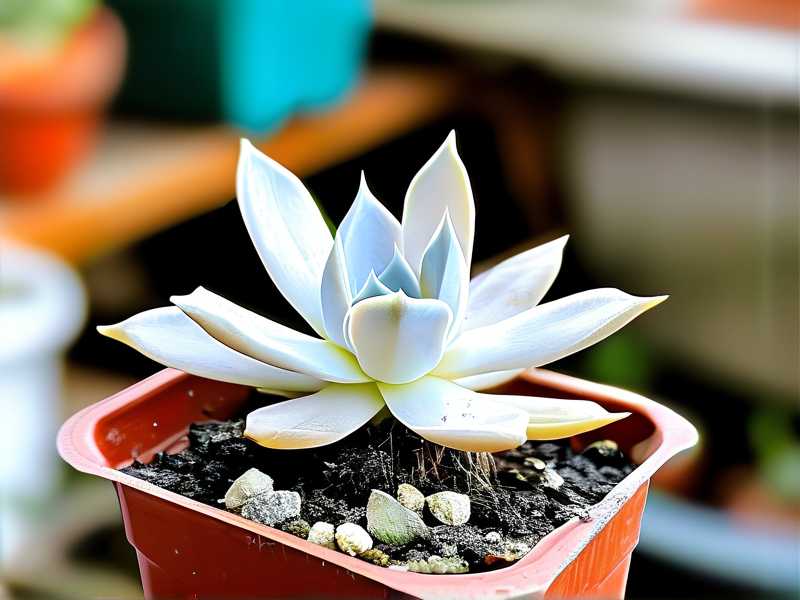
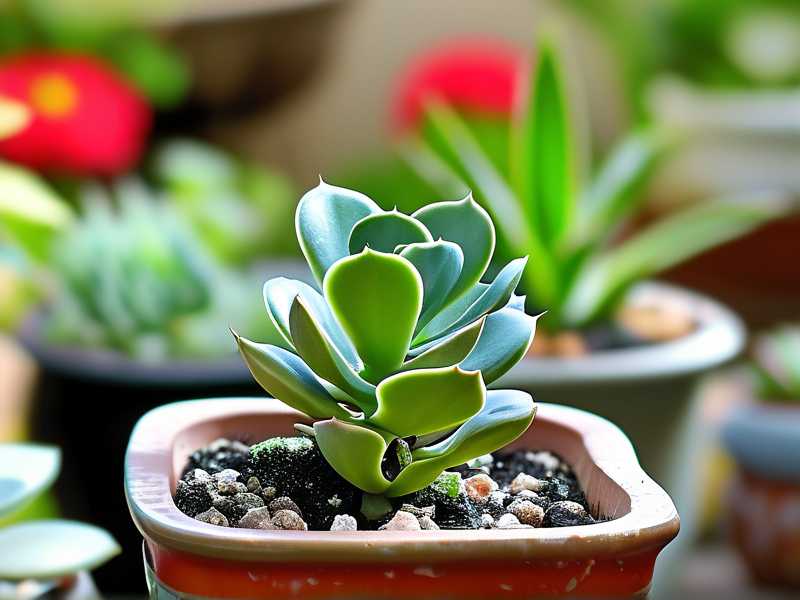
I'll use a leggy echeveria as my example, but the method works for most rosette-forming succulents, sedums, and even jade plants.
Step 1: Wait for the Right Season
Trim in late spring or early summer. This is when succulents are actively growing. I tried trimming in late fall once—the cuttings just sat there and never rooted. The mother plant didn't die, but it didn't push new growth either. Waste of time.
Step 2: Identify Where to Cut
Look at the stem. You want to cut just above a leaf node—that's the little bump where a leaf attaches to the stem. New growth emerges from nodes. If you cut too high, you leave a long bare stem. If you cut too low, you might remove too much.
For a rosette succulent that's grown tall and leggy, I cut about an inch below the rosette. That leaves a short stump in the pot. Don't throw the stump away—it will often produce pups.
Step 3: Make the Cut
Use one clean, sharp cut. Don't saw back and forth. I made that mistake with a jade plant once. The ragged wound took forever to callus and ended up rotting.
Step 4: Let the Cuttings Callus
This is the step most beginners skip. After cutting, place the cuttings in a dry, shaded spot for 1 to 3 days. The cut end needs to dry out and form a callus. If you plant it immediately in soil, it'll likely rot. I learned this the hard way with a beautiful sedum cutting that turned to black mush in three days.
Step 5: Replant the Cutting (Optional)
If you want more plants, you can plant the callused cutting in well-draining cactus mix. Don't water for the first week. Then water lightly. It'll root in two to four weeks.
Step 6: Care for the Mother Plant
Put the mother plant back in its bright spot. Don't water for a few days. After that, resume your normal watering schedule—which should be "when the soil is dry." Within two weeks, you should see new growth. I kept a journal for one of my echeverias. Day 1: cut. Day 12: tiny green nubs at the nodes. Day 16: clear new rosettes forming. That's typical.
My Two-Week Observation: What Actually Happened
I trimmed three succulents on the same day: a leggy echeveria, a jade plant, and a sedum. Here's what I saw.
Echeveria: New growth appeared at the cut stump on day 11. By day 14, two tiny rosettes were visible. The cuttings I replanted showed no roots yet, but they were still firm and green.
Jade plant: Nothing for the first 10 days. I almost gave up. Then on day 12, small red-tipped buds appeared near the cut. Jade is slower, but it did respond.
Sedum: Fastest of all. New shoots on day 7. By day 14, they were half an inch long.
The lesson? Patience. Don't dig up your plant to check for roots. Don't overwater to "help" it grow. Just wait.
Long-Tail Tips That Made a Difference
"How to trim succulents without killing them" — The biggest factor is cleanliness. Sterilize your tools. Let cuttings callus. Don't water immediately after cutting.
"Best time to prune succulents for new growth" — Early summer, right after the plant finishes its spring growth spurt. I've also had luck in early spring if the plant is indoors under grow lights.
"Succulent pruning for beginners" — Start with a cheap, common plant like a jade or aloe. Don't practice on your rare $50 specimen. I learned that one the hard way.
Also, according to the RHS, succulents benefit from occasional pruning to maintain shape and encourage branching. They recommend removing any dead or diseased growth first. The AHS adds that clean cuts reduce the risk of fungal infections. I couldn't agree more.
When NOT to Trim
Don't trim if your succulent is:
- Soft, mushy, or discolored (that's rot, not growth)
- In dormancy (winter for most succulents)
- Recently repotted (give it a month to settle)
- Covered in pests (treat the pests first)
Trimming a sick plant is like asking a tired person to run a marathon. Fix the underlying problem first.
Frequently Asked Questions
Can I trim my succulent in winter? I wouldn't. Most succulents are resting in winter. Cuts heal slowly and new growth is unlikely. Wait until spring or early summer.
Do I need to let the cuttings dry before planting? Yes. This is called callusing. It takes 1 to 3 days. If you skip it, the cutting will likely rot.
How often should I trim my succulents? Only when they're leggy or you want to propagate. Once a year is plenty for most indoor succulents. More than that stresses the plant.
Final Thoughts
Trimming succulents isn't complicated, but it's not mindless either. Fix your watering, light, and pot situation first. Then trim in the right season, make clean cuts, and let the plant do the rest. I've gone from killing every succulent I touched to having a windowsill full of healthy, branching plants. You can too. Just remember: 90% of indoor plants die from overwatering—so when in doubt, don't water. And don't be afraid to cut. Your succulent will thank you with new growth.