bluename
 How to Identify Root Mealybugs on succulents Before They Kill Your Plants
If your succulent suddenly looks thirsty, pale, and sad even though you watered it last week, root mealybugs are probably the reason. I know that sounds dramatic. But honestly, these pests are the sneakiest problem I have run into in years of growing succulents indoors.
Here is the quick answer: root mealybugs live underground, feed on your plant's roots, and look like tiny white specks covered in a waxy, cotton-like fuzz. You will not see them on the leaves at first. You only find them when you slide the plant out of its pot.
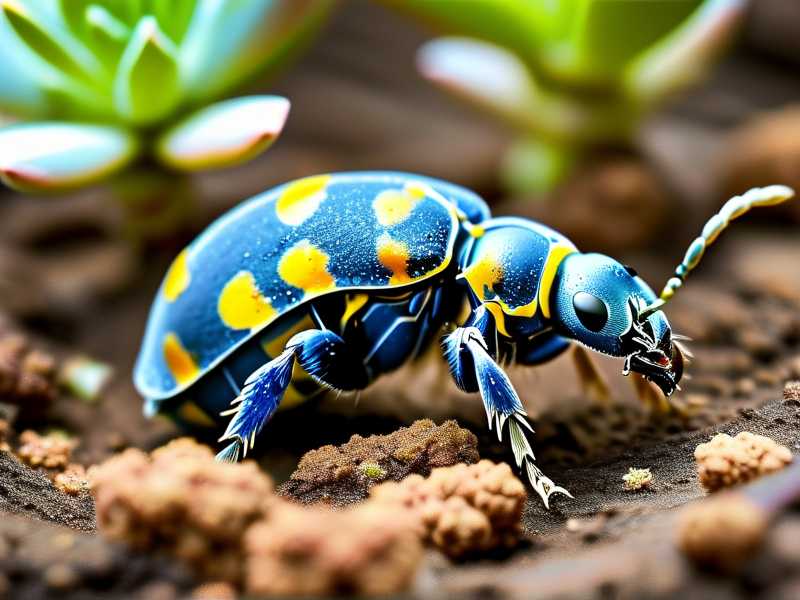
That single trick, pulling the root ball out for a look, is how I finally caught them on my Echeveria after two weeks of confusion.
Why Root Mealybugs Are So Hard to Spot
Most pest guides tell you to check leaves and stems. That advice fails with root mealybugs.
These insects spend their whole lives below the soil line. They attach to fine roots and suck out sap. By the time the damage shows above the soil, the infestation is usually advanced.
I once spent ten days treating a jade plant for underwatering. I watered it more. It got worse. Turns out the roots were being drained by mealybugs the whole time.
Where They Actually Come From
Root mealybugs rarely appear out of thin air. In my experience, they arrive in three common ways.
The first is new plants from a nursery or big box store. The second is reused potting soil that was never sterilized. The third is contaminated pots that sat in a garage or shed.
I learned this the hard way. I bought a discounted Haworthia, potted it in old soil from my shelf, and placed it next to my healthy collection. Three weeks later, two more pots were infested.
If you are in the US, Canada, the UK, or Australia, this pattern is the same. It does not matter what climate you live in when the bugs travel inside a pot.
The First Sign I Always Check For
Gently lift the plant out of its pot. Do this when the soil is dry, not right after watering.
Look at the root ball. Healthy succulent roots are firm and light colored. Infested roots have a white, powdery or cottony coating stuck to them.
Sometimes you will also see a white residue on the inside wall of the pot. That residue is a major clue. It is not mold. It is the waxy mess these bugs leave behind.
Symptoms Above the Soil That Fool Most People
This part tricks almost everyone. Root mealybug damage looks a lot like other problems.
Your plant may stop growing. Leaves may turn dull, yellow, or slightly translucent. The plant may feel loose in the pot because the roots are dying underneath.
I have seen growers mistake all of these signs for overwatering or sunburn. That delay gives the bugs time to spread to every nearby plant.
The Two-Week Observation That Changed How I Diagnose
When I first suspected root mealybugs on a struggling Sedum, I did not treat it right away. I isolated it and watched for fourteen days.
Here is what I noted. On day three, the leaves looked softer but not mushy. On day seven, the soil stayed wet far too long after watering. On day eleven, one stem started to lean. On day fourteen, I unpotted it and found the white fuzz.
That timeline matters. Wilting that does not respond to normal watering is a serious red flag. Mushy, translucent leaves point to rot. Soft but dry-looking leaves with slow decline point more toward root pests.
The Newbie Mistakes That Make Everything Worse
I have made every mistake on this list. That is exactly why I want you to avoid them.
Mistake One: Watering More When the Plant Looks Thirsty
This is the big one. When roots are damaged, the plant cannot take up water no matter how much you pour on. Adding more water just drowns the remaining roots.
Here is a number that should be on every beginner's fridge: 90% of indoor plants die from overwatering. Not underwatering. Overwatering. Root mealybugs make this worse because the plant looks thirsty while the soil stays soaked.
Mistake Two: Putting the Plant in the Wrong Light
Low light weakens a succulent. A weak plant cannot fight off pests.
I once moved a sick plant to a dark corner because I thought it needed rest. Wrong move. It declined fast. Succulents need bright, indirect light even when they are recovering.
Mistake Three: Using the Wrong Pot
A pot without drainage holes is a slow death sentence. Water sits at the bottom, roots rot, and pests move in.
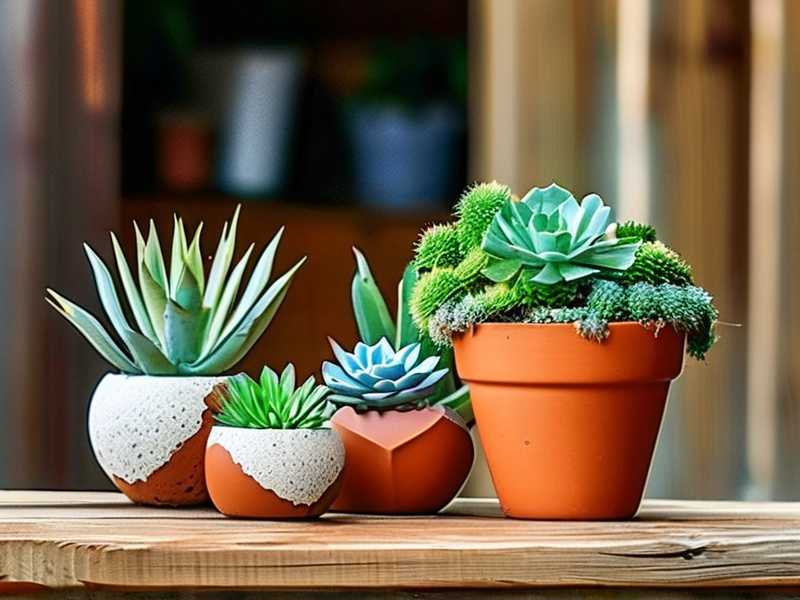
I now use terracotta or unglazed ceramic pots with drainage holes for almost everything. They dry out faster and give me a clear view of the root zone when I repot.
How I Actually Confirm an Infestation
Unpot the plant. Shake off loose soil gently. Then inspect closely.
Use a bright light or your phone flashlight. Look for small white clumps along the roots. You may also spot the bugs themselves, which look like tiny, slow-moving white ovals.
If you are unsure, tap a root over a white paper towel. Tiny specks that move or leave a waxy smear are a positive ID.
What to Do Once You Confirm It
Remove as much old soil as possible. Rinse the roots under lukewarm water. Trim away any roots that are brown, mushy, or covered in fuzz.
Then repot in fresh, sterile soil and a clean pot. Do not reuse the old soil. Discard it in the trash, not your compost.
I also wipe the pot and the area around it with rubbing alcohol. This removes any stray bugs or eggs.
Isolation Is Not Optional
After treatment, keep the plant away from your other succulents for at least three to four weeks. I know it feels excessive. I thought so too, until I skipped this step and lost a whole shelf of plants.
Check the isolated plant every few days. Look for new white fuzz. If it comes back, repeat the root rinse and repot.
Preventing Root Mealybugs Going Forward
Prevention is mostly about good habits. Simple as that.
Quarantine every new plant for two to four weeks before it joins your collection. Use fresh potting mix. Clean your pots with hot soapy water between uses.
Water only when the soil is completely dry. For most indoor succulents, that means every ten to fourteen days, depending on your home's humidity and light.
I also check the top inch of soil monthly with a small stick. If it is damp, I wait.
According to the Royal Horticultural Society (RHS), mealybugs thrive in warm, sheltered conditions with poor air circulation, which is exactly what many indoor setups provide. The American Horticultural Society (AHS) also notes that early detection is the single biggest factor in saving an infested plant.
That matches what I have seen. The plants I caught early survived. The ones I ignored did not.
What I Wish I Had Known Earlier
Root mealybugs are not a death sentence. They are a wake-up call.
They tell you something about your watering, your soil, or your plant's environment needs to change. Once I started treating the cause and not just the bug, my plants stopped getting infested.
Frequently Asked Questions
Can root mealybugs spread to other plants?
Yes, very easily. They travel through shared water, contaminated soil, and even by crawling to nearby pots. Isolate any infested plant immediately and check every plant within a few feet of it.
How long do root mealybugs live in soil?
They can survive for weeks without a host plant, especially in cool, damp conditions. That is why old soil should always be discarded, and pots should be cleaned before reuse.
Can I save a plant with severe root mealybug damage?
Sometimes. If at least some healthy roots remain after rinsing and trimming, the plant has a chance. If the entire root system is brown and mushy, it is usually too late to save the plant itself, though you may be able to propagate a healthy leaf or stem cutting.
If there is one thing I want you to take from this, it is to look below the soil when a plant does not respond to normal care. That single habit has saved more of my succulents than any spray or product I have tried.