bluename
 Best Succulent-Like Plants for Low-Water Gardens
Creating a beautiful, vibrant garden that doesn’t demand constant watering feels like an impossible dream for many. You love the lush, sculptural look of succulents but worry they might not survive your climate, soil, or simply your busy schedule. The good news is that the plant world is full of incredible, resilient alternatives that mimic the water-wise qualities and stunning aesthetics of succulents. This guide is dedicated to helping you discover the best succulent-like plants for low-water gardens, offering beauty without the high maintenance.
Why Look Beyond True Succulents?
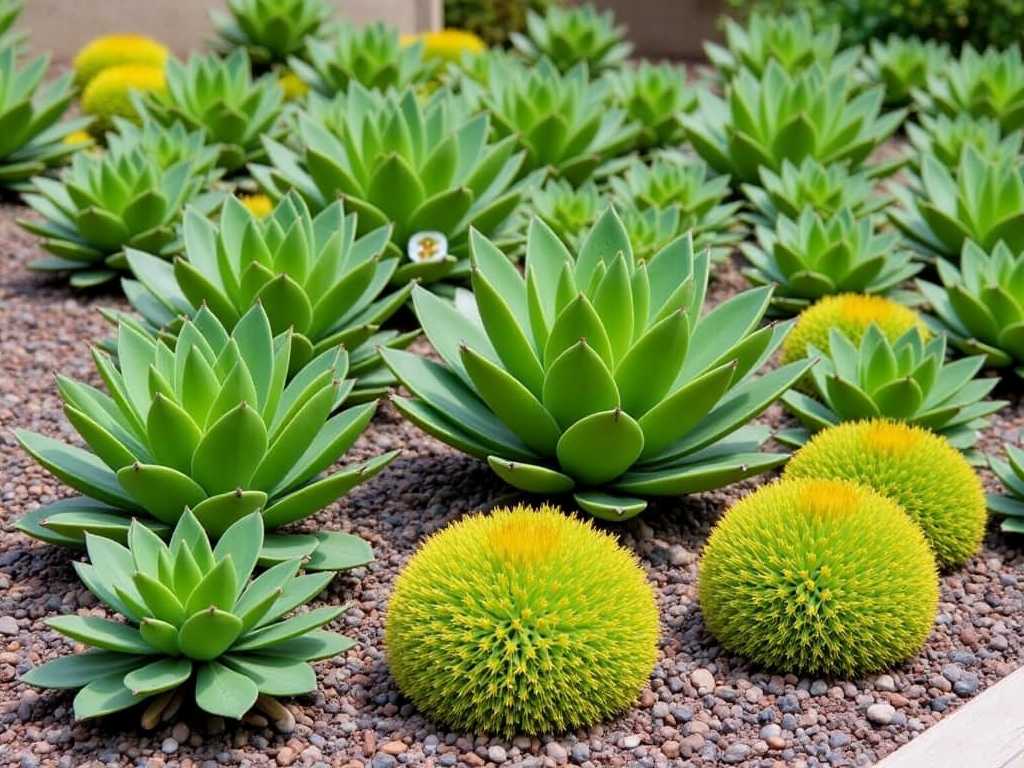
While classic succulents like Echeveria and Sedum are excellent choices, diversifying your garden with succulent-like plants offers unique advantages. Many of these plants provide greater cold hardiness, different bloom times, varied textures, and can often thrive in conditions where true succulents might struggle, such as in heavier soils or partial shade. According to horticultural experts at renowned botanical gardens, incorporating a variety of drought-adapted plants builds a more resilient and ecologically balanced landscape. This approach aligns perfectly with the principles of xeriscaping, which reduces or eliminates the need for supplemental water.
Top Picks for Your Drought-Tolerant Oasis
Let’s explore some exceptional plants that store water in their leaves, stems, or roots, giving them that coveted succulent-like quality and making them perfect for your low-water garden.
Agave: The Architectural Statement
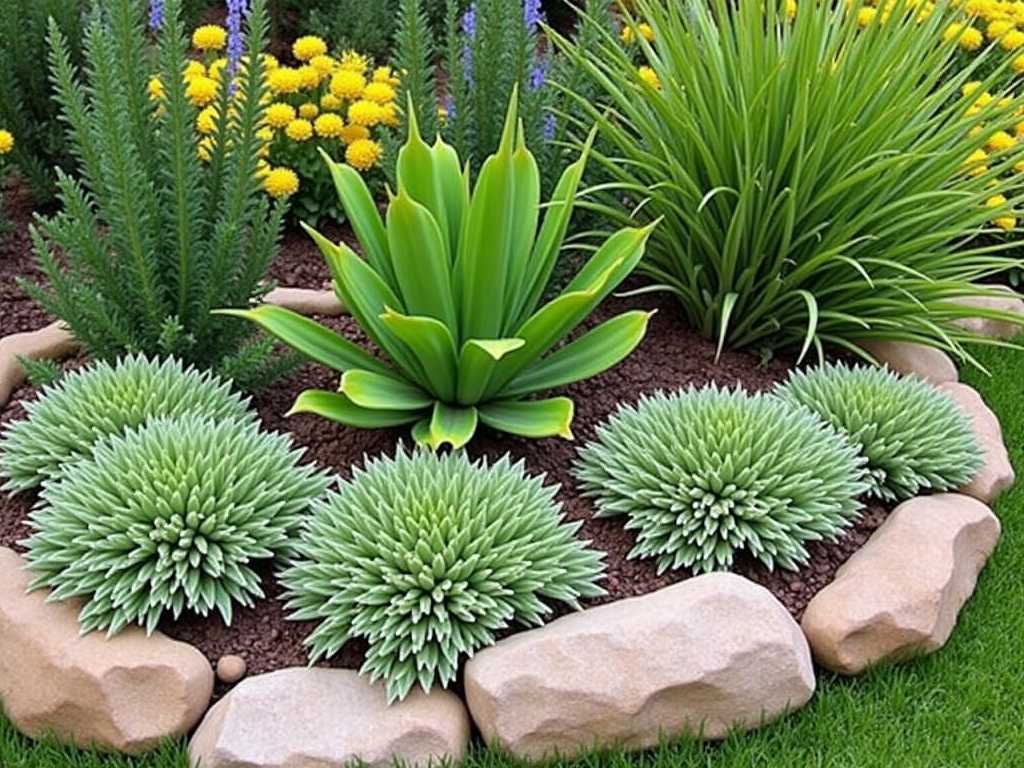
For dramatic, sculptural form, few plants rival Agave. These are the ultimate succulent-like plants for creating focal points.
- Key Varieties: The compact Agave parryi (Parry’s Agave) is incredibly cold-hardy, forming a perfect rosette. For a stunning blue hue, Agave ‘Blue Glow’ is a smaller hybrid perfect for containers. Larger gardens can be anchored by the majestic Agave americana, though it needs ample space.
- Care Essentials: Agaves demand full sun and exceptionally well-draining soil. Their drought tolerance is extreme once established. Most are surprisingly cold-tolerant, but checking your specific variety’s hardiness is crucial.
- Design Tip: Use a single large agave as a centerpiece or plant a group of smaller varieties in a gravel garden for a modern, minimalist effect.
Yucca: Tough and Textural
Yuccas bring a bold, spiky texture and often spectacular flower spikes to the low-water landscape. They are incredibly adaptable and tough.
- Key Varieties: Yucca filamentosa (Adam’s Needle) is a widely hardy choice with striking white flower stalks. Yucca rostrata (Beaked Yucca) offers a beautiful, tree-like form with a pom-pom of narrow blue leaves.
- Care Essentials: These plants thrive in full sun and tolerate poor, sandy, or rocky soil. They are highly drought-resistant and generally pest-free. Simply remove spent flower stalks.
- Design Tip: Combine yucca’s vertical lines with the mounding forms of lavender or the soft texture of ornamental grasses for dynamic contrast.
Sedum (Stonecrop): The Ground Cover Champions
While some Sedums are true succulents, many hardy perennial varieties act as superb succulent-like ground covers, filling spaces with colorful foliage and blooms.
- Key Varieties: Sedum ‘Autumn Joy’ is a classic for its changing flower heads that provide winter interest. For ground cover, Sedum spurium (Dragon’s Blood) offers red-tinged foliage and pink flowers. Sedum kamtschaticum is another vigorous, low-growing option.
- Care Essentials: They require full sun to light shade and well-drained soil. These are some of the easiest plants to grow—simply pinch back in early summer for bushier growth.
- Design Tip: Plant sedum in rock gardens, along pathways, or in green roof systems. They are excellent for preventing soil erosion on slopes.
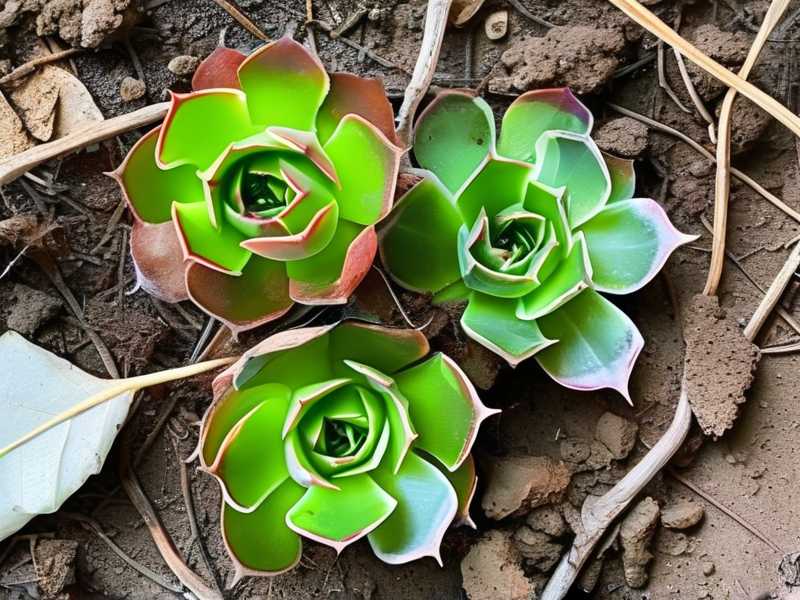
Sempervivum (Hens and Chicks): The Prolific Rosettes
These are true succulents but deserve a special mention for their unmatched hardiness and propagation ease. They are ideal for beginner-friendly, low-water gardens.
- Key Varieties: With thousands of cultivars, you can find Sempervivum in colors from green to deep purple, often with red tips. They all share the charming habit of producing “chicks” around the mother “hen.”
- Care Essentials: Provide full sun and gritty, fast-draining soil. They are extremely cold-hardy and drought-tolerant. Avoid watering the center rosettes to prevent rot.
- Design Tip: Perfect for crevices in stone walls, shallow pots, and fairy gardens. Their small size and clustering habit make them ideal for intricate planting designs.
Ornamental Grasses with Succulent Qualities
Certain grasses mimic the low-water needs and textural appeal of succulents.
- Blue Fescue (Festuca glauca): This grass forms tidy, blue-hued clumps that look like spiky succulent mounds. It’s drought-tolerant and excellent for edging.
- Mexican Feather Grass (Nassella tenuissima): While it needs careful siting as it can self-seed, its fine, wispy texture provides beautiful movement and a soft contrast to chunkier succulent-like plants.
Designing Your Low-Water Garden for Success
Choosing the right plants is only half the battle. Proper design and establishment ensure they thrive with minimal water.
Soil is the Foundation The single most important factor is drainage. Amend native soil with generous amounts of coarse sand, gravel, or crushed lava rock to create a fast-draining environment. Raised beds are an excellent solution for heavy clay soils. A study on xeriscape effectiveness consistently cites proper soil preparation as the primary driver for reducing irrigation needs by over 50%.
The Power of Mulch Apply a 2-3 inch layer of inorganic mulch like gravel, decomposed granite, or small river rock. This suppresses weeds, reduces evaporation, keeps soil temperatures even, and complements the aesthetic of succulent-like plants.
Smart Watering for Establishment Even drought-tolerant plants need regular watering for their first growing season to develop deep, resilient root systems. Water deeply but infrequently, allowing the soil to dry out completely between sessions. After establishment, watering can be reduced significantly, often relying solely on rainfall.
Right Plant, Right Place Always group plants with similar water and sun needs together. Place sun-lovers like Agave and Yucca in your garden’s hottest, driest spots. More adaptable plants like some Sedums can go in areas with occasional shade.
Frequently Asked Questions
Can these plants survive in cold, rainy winters? Many can, with proper soil being the key. Excellent drainage is critical to prevent root rot during wet winters. Choosing cold-hardy varieties like Sedum ‘Autumn Joy’, Sempervivum, Yucca filamentosa, and Agave parryi is essential. Planting on a slope or in raised beds greatly improves survival in wet climates.
What if I have mostly shade? While most succulent-like plants prefer sun, some adapt to partial shade. Look for Sedums (many tolerate light shade), and consider branching out to other drought-tolerant shade plants like certain ferns, Heuchera, or Bergenia which offer similar foliage interest with moderate water needs.
Are these plants deer-resistant? Generally, yes. The thick, often tough or spiny foliage of Agave, Yucca, Sedum, and Sempervivum is typically unappealing to deer. This makes them an excellent choice for gardens in areas with deer pressure.
Building a low-water garden with succulent-like plants is a rewarding journey toward a sustainable and stunning outdoor space. By selecting the right resilient plants, preparing your soil properly, and following simple care guidelines, you can create a landscape that conserves water, supports local ecosystems, and provides year-round interest with minimal effort. Start with one or two of these tough beauties, and watch your drought-tolerant oasis come to life.