bluename
 How to Care for Yucca Plants: The Ultimate Guide to Thriving, Drought-Tolerant Greenery
You’ve brought home a stunning yucca plant, drawn by its sculptural beauty and legendary reputation for being nearly indestructible. Yet, instead of thriving, its leaves are turning yellow, its tips are browning, or worse—it’s becoming soft and droopy. This frustrating scenario is more common than you think. The very quality that makes yuccas so appealing—their drought tolerance—often leads to their downfall through misguided care. Most indoor yucca plant deaths stem from one simple error: overwatering. But don’t worry; rescuing your plant and helping it flourish is straightforward once you understand its native, desert-adapted needs.
This comprehensive guide will walk you through every aspect of how to care for yucca plants, transforming you from a worried plant owner into a confident yucca expert. We’ll move beyond basic survival to unlock the secrets of vibrant, healthy growth.
Understanding Your Yucca: A Plant Built for Arid Climates
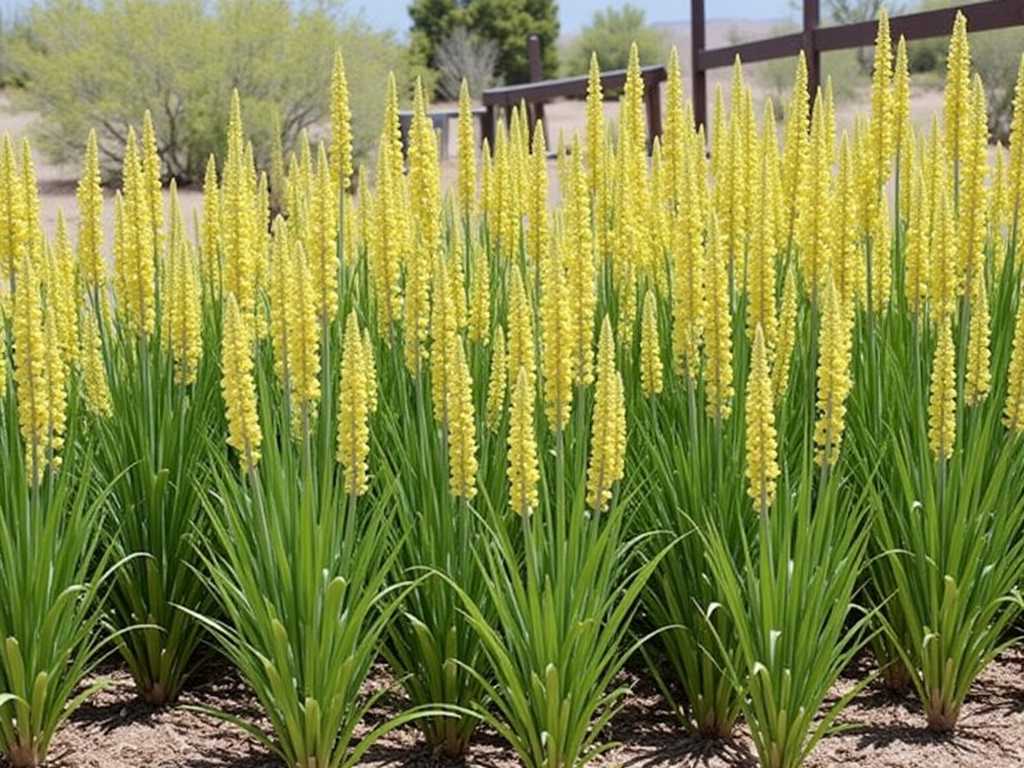
To care for a yucca plant successfully, think like a desert dweller. Native to the hot, dry regions of the Americas and the Caribbean, yuccas have evolved spectacular adaptations for conserving water. Their sword-like, often waxy leaves minimize moisture loss. Their thick, woody stems or trunk-like canes (in popular varieties like Yucca elephantipes) store water for long periods. Their root systems are efficient at absorbing water quickly when it’s available but are prone to rot in constantly damp soil.
As noted by the University of Florida IFAS Extension, yuccas are classic examples of xerophytic plants, engineered by nature to withstand prolonged drought. This fundamental biology is the key to all care instructions. When you provide conditions that mimic their natural habitat, you set the stage for effortless success.
The Golden Rule: Mastering Watering for Drought-Tolerant Plants
This is the single most important aspect of yucca plant care. More yuccas perish from kindness (overwatering) than neglect.
The "Soak and Dry" Method Forget weekly watering schedules. Your yucca’s thirst depends on light, temperature, and pot size. The correct technique is to water deeply and thoroughly until water runs freely from the drainage holes. Then, let the soil dry out almost completely. For potted indoor yuccas, this often means waiting until the top 50-75% of the soil is dry. You can check this with a simple finger test or a moisture meter.
Critical Signs of Watering Issues
- Overwatering: Yellowing leaves, particularly starting at the bottom; soft, mushy trunk or stems; a general look of sogginess.
- Underwatering: Dry, brown leaf tips; leaves may curl or become crispy; soil pulling away from the pot’s edges.
During winter, when growth slows, you may only need to water once a month or even less. When in doubt, it’s safer to wait a few more days.
Providing the Perfect Light and Environment
Yuccas crave bright, direct light. They are not low-light plants, though some varieties tolerate moderate light.
Ideal Light Conditions Place your yucca in the brightest spot you have, preferably in front of a south- or west-facing window. Ample sunlight fuels strong growth and helps the soil dry appropriately, preventing root rot. With insufficient light, growth becomes leggy, weak, and the plant is even more susceptible to overwatering issues.
Temperature and Humidity Average household temperatures are perfect. They can tolerate a wide range but prefer temperatures between 60-80°F (15-27°C). Protect them from cold drafts and freezing temperatures. Humidity is not a concern; yuccas thrive in dry indoor air, making them excellent houseplants for any climate.
Soil and Potting: Building a Strong Foundation
The right soil mix is your insurance policy against overwatering. Yuccas require exceptionally fast-draining soil.
Choosing the Best Potting Mix A standard cactus or succulent potting mix is ideal. You can create your own blend by mixing two parts regular potting soil with one part perlite and one part coarse sand. This ensures rapid drainage and excellent aeration around the roots, mimicking their native gritty soil.
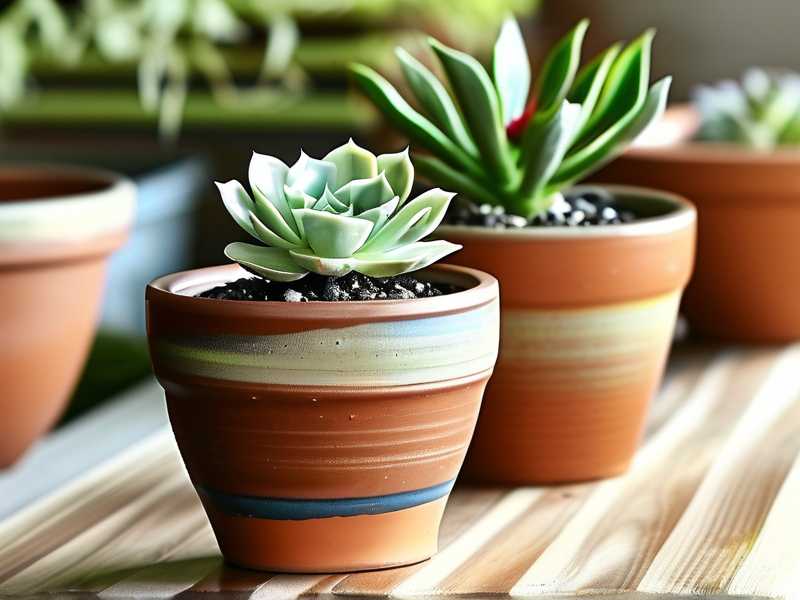
Selecting a Pot and Repotting Always choose a pot with ample drainage holes. Terracotta pots are excellent as they are porous and help wick away excess moisture. Repot your yucca every 2-3 years in spring, moving up only one pot size (about 2 inches larger in diameter). Oversized pots hold too much wet soil, increasing rot risk.
Feeding and Routine Maintenance
Yuccas are not heavy feeders. Their maintenance is refreshingly simple.
Fertilizing for Steady Growth Feed your yucca with a balanced, water-soluble fertilizer (diluted to half-strength) once in early spring and once in mid-summer. This provides a gentle nutrient boost for the growing season. Avoid fertilizing in fall and winter when the plant is dormant.
Pruning and Cleaning Prune primarily to remove dead, damaged, or unsightly leaves. Use clean, sharp shears to cut leaves close to the trunk. To clean the plant, occasionally wipe the leaves with a damp cloth to remove dust, which allows them to photosynthesize more efficiently. This simple act also helps you inspect for pests.
Troubleshooting Common Yucca Problems
Even with great care, issues can arise. Here’s how to address them.
Dealing with Pests Yuccas are relatively pest-resistant but can occasionally attract scale, mealybugs, or spider mites in dry conditions. Wipe leaves with a neem oil solution or insecticidal soap. Isolating an infested plant prevents spread.
Addressing Leaf Discoloration
- Brown Tips: Usually a sign of underwatering, low humidity, or fluoride/chlorine in tap water. Use filtered or rainwater if this is a persistent issue.
- Yellow Leaves: Most often a sign of overwatering. Check soil moisture and ensure proper drainage.
- Soft Trunk: A serious sign of advanced root rot from overwatering. You may need to unpot the plant, cut away any black, mushy roots, and repot in fresh, dry soil.
Propagating Your Yucca: Share the Desert Beauty
One of the joys of caring for drought-tolerant yuccas is how easily they can be propagated, allowing you to create new plants.
Propagation from Offshoots (Pups) Many yucca species produce small offshoots at their base. In spring, you can carefully separate these pups from the mother plant, ensuring they have some roots attached. Pot them in a small container with cactus mix, water lightly, and treat them as a mature plant.
Propagation from Stem Cuttings For cane-type yuccas like Yucca elephantipes, you can cut a section of the trunk (at least 4 inches long). Let the cut end callous over for a few days, then plant it in well-draining soil. New shoots will eventually emerge from the sides.
Frequently Asked Questions About Yucca Plant Care
Why are the leaves on my yucca turning yellow? Yellowing leaves are the most common distress signal, and overwatering is the prime suspect. Check if the soil is soggy. Ensure your pot has drainage holes and that you’re allowing the soil to dry out sufficiently between waterings. Consistently wet soil suffocates the roots, leading to yellow leaves and potential root rot.
Can my yucca plant go outside? Absolutely. In fact, yuccas love summer vacations outdoors. Once nighttime temperatures are consistently above 50°F (10°C), you can move your potted yucca to a sunny patio or balcony. The increased light and air circulation often spur a growth spurt. Just remember to bring it back inside before the first frost in fall.
How often should I really water my indoor yucca? There is no universal schedule. The frequency depends entirely on your home’s conditions. In a bright, warm spot during summer, you might water every 7-14 days. In a cooler, low-light spot in winter, it could be every 4-6 weeks. Always let the soil be your guide—water only when it is mostly dry. This adaptable, hands-off approach is the true secret to a healthy yucca.
Embracing the resilient nature of your yucca is the final step. By mastering the "soak and dry" watering rhythm, providing abundant sunlight, and using gritty, well-draining soil, you’re not just keeping a plant alive—you’re allowing a piece of the desert to thrive in your home. Its architectural form and steadfast presence will reward your mindful care for years to come, proving that sometimes, the best thing you can do is simply step back and let nature take its course.