bluename
 Transform Your Outdoor Space: The Ultimate Guide to Succulent & Ponytail Palm Landscaping
Are you dreaming of a stunning, low-maintenance garden that thrives with minimal water and maximum style? Do you fear that creating a beautiful, drought-tolerant landscape means sacrificing texture, height, and visual interest? You're not alone. Many homeowners struggle to find the perfect balance between aesthetic appeal and practical, easy-care gardening. The solution lies in a powerful, sculptural pairing: Succulent & Ponytail Palm Outdoor Landscaping. This dynamic duo combines the architectural form of the Ponytail Palm with the diverse colors and shapes of succulents to create a resilient, eye-catching oasis perfect for modern outdoor living.
This comprehensive guide will walk you through everything you need to know to successfully design, plant, and maintain a breathtaking landscape centered around these remarkable plants.
Why Succulents and Ponytail Palms Are a Landscaping Match Made in Heaven
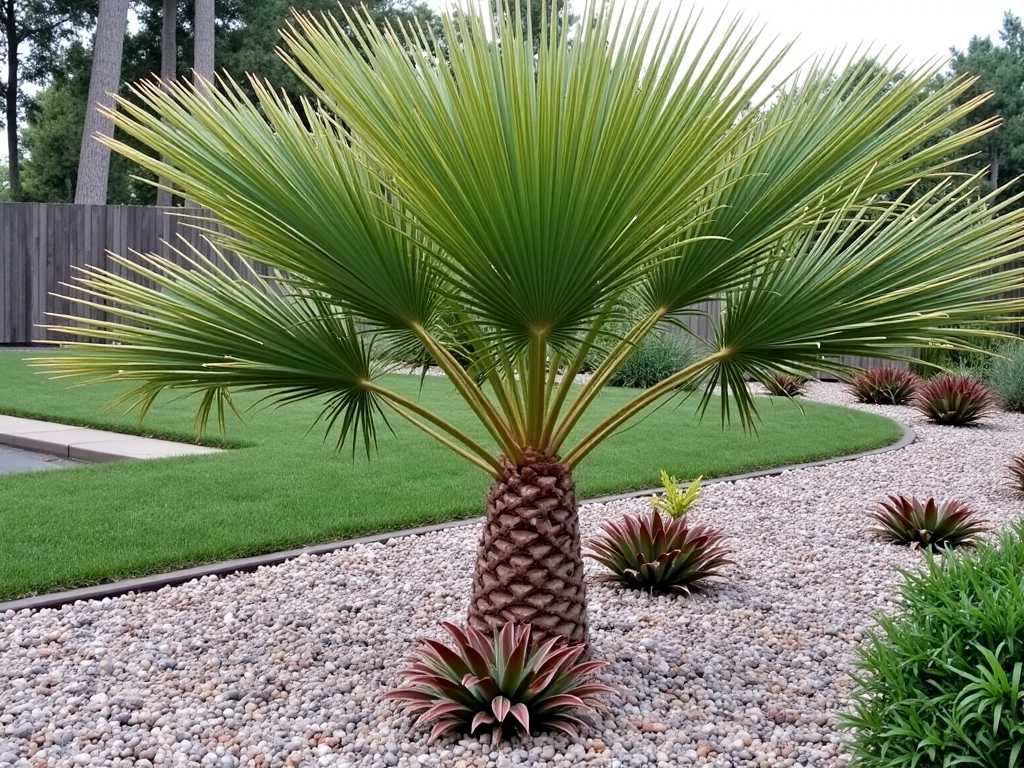
At first glance, the fluffy, grass-like Ponytail Palm (Beaucarnea recurvata) and the fleshy, geometric forms of succulents might seem like an unusual pair. However, their shared ecological needs and complementary aesthetics make them ideal partners.
Both are champions of xeriscaping, a landscaping method that reduces or eliminates the need for irrigation. They have evolved to store water—the Ponytail Palm in its bulbous, elephant-foot-like caudex, and succulents in their leaves and stems. This shared trait means they require similar watering schedules and soil conditions, simplifying your garden care routine dramatically.
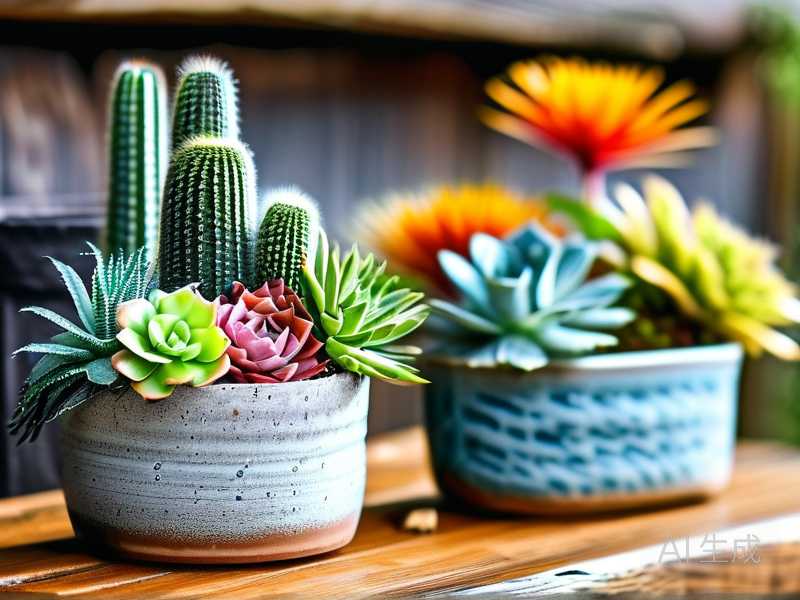
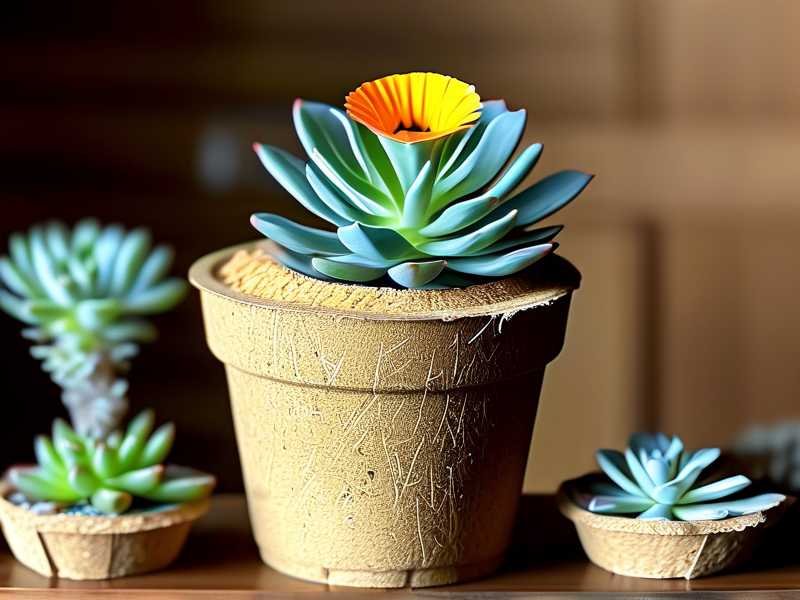
Visually, the Ponytail Palm acts as a stunning focal point or "thriller" element, providing vertical height and a unique, playful silhouette. Its long, cascading leaves add movement and softness. Succulents, like Echeveria, Aeonium, Agave, and Sedum, serve as the "fillers" and "spillers," offering a palette of colors—from silvery blues and deep purples to vibrant greens and reds—and a variety of textures and forms to create a rich, layered tapestry at the base.
Designing Your Drought-Tolerant Masterpiece
A successful landscape starts with a thoughtful design. Here’s how to plan your space for impact and harmony.
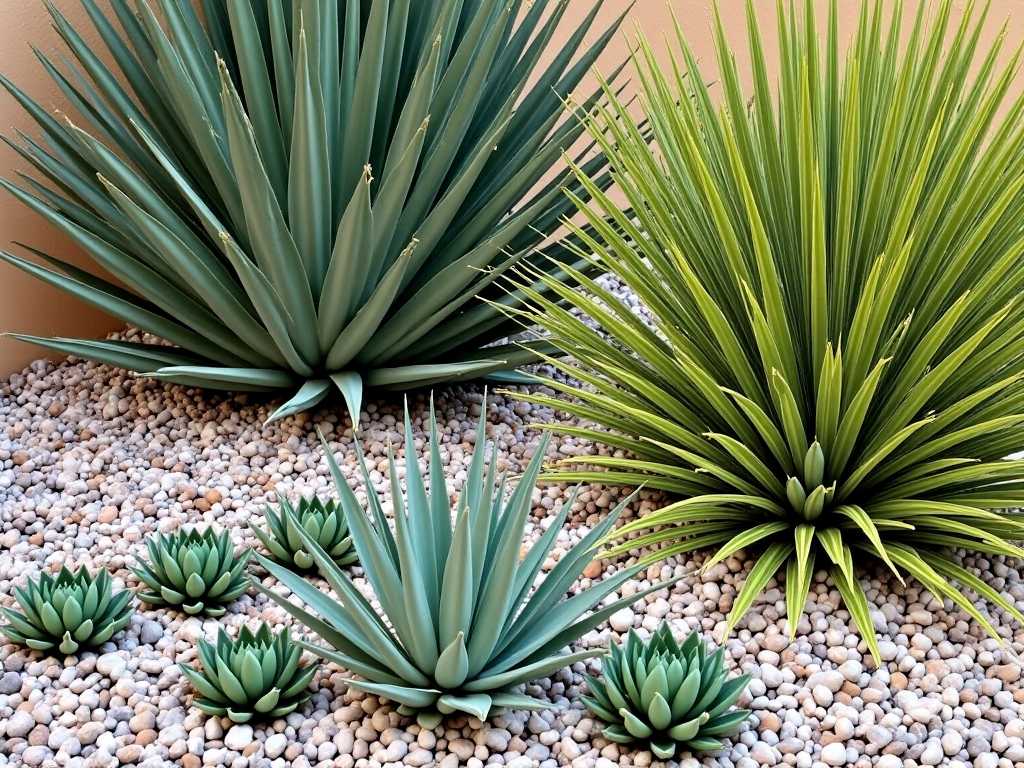
Choosing the Perfect Location Both Ponytail Palms and most succulents demand full sun to partial shade. Aim for a spot that receives at least 6 hours of direct sunlight daily. The Ponytail Palm’s caudex is sensitive to prolonged moisture, so excellent drainage is non-negotiable. Avoid low-lying areas where water might pool. Consider their mature size; a Ponytail Palm can grow quite large outdoors (up to 15-20 feet over decades), so give it room to become the statement piece it’s meant to be.
Creating Visual Interest with Layers and Textures The key to avoiding a flat, monotonous look is layering. Place your Ponytail Palm off-center as a focal point. Around it, build descending layers:
- Mid-Height Layer: Use larger, structural succulents like Blue Agave (Agave tequilana) or upright Sedum 'Autumn Joy'.
- Ground Cover Layer: Let low-growing succulents like Sedum 'Angelina', Sempervivum (Hens and Chicks), or trailing varieties like String of Pearls (Senecio rowleyanus) in containers spill over rocks or walls.
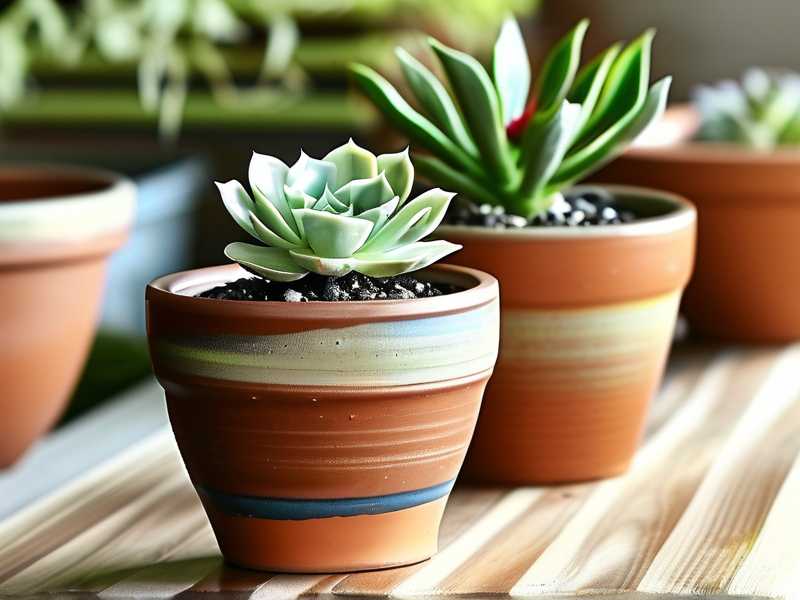
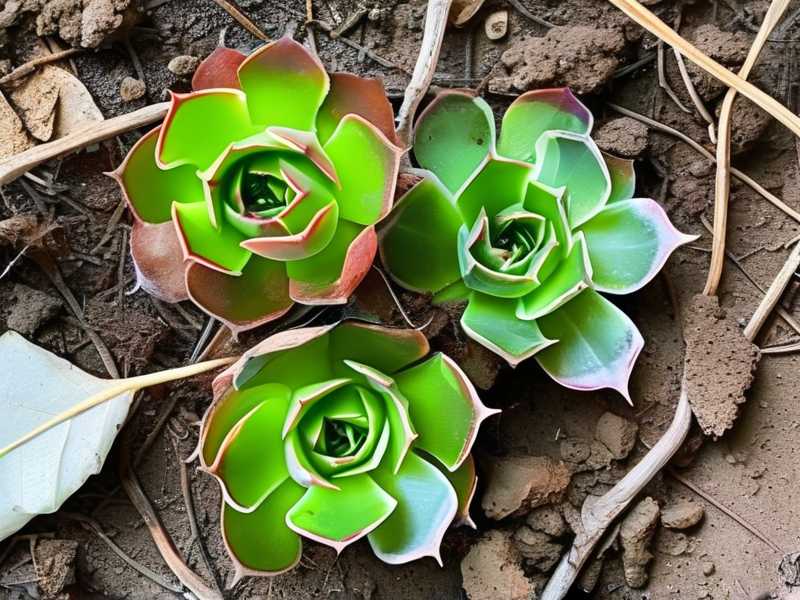
- Color and Form Contrast: Pair the soft, flowing lines of the Ponytail Palm with the rosette shapes of Echeveria or the sharp, architectural lines of an Aloe. Incorporate non-plant elements like large boulders, gravel mulch, or decorative ceramic pots to enhance the natural, desert-inspired aesthetic.
The Essential Guide to Planting and Soil Preparation
Proper planting sets the foundation for years of healthy growth. Skipping this step is the most common cause of failure in outdoor succulent and ponytail palm gardens.
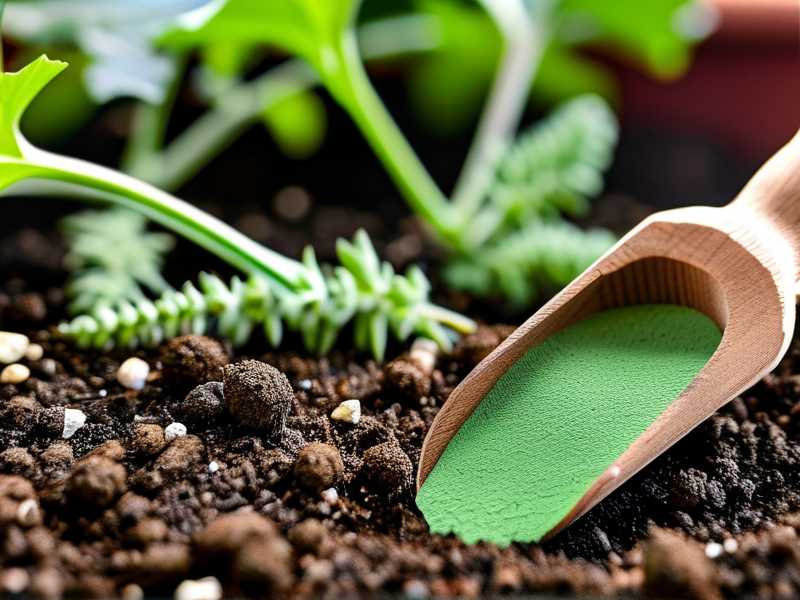
Crafting the Perfect Fast-Draining Soil Mix Garden soil is often too dense and moisture-retentive. You must create a gritty, well-aerated environment. A recommended mix is:
- 50% high-quality potting soil
- 50% inorganic material (such as perlite, coarse sand, or pumice) Horticulturist Dr. Linda Chalker-Scott emphasizes in her urban horticulture work that "amending soil with inorganic grit is critical for simulating the sharp drainage these plants experience in their native habitats, preventing root rot."
Step-by-Step Planting Process
- Dig a hole for your Ponytail Palm that is as deep as the root ball and 2-3 times as wide.
- Create a mound of your prepared soil mix in the hole.
- Place the plant, ensuring the top of the root ball (and the base of the caudex) is slightly above the surrounding soil level to prevent water from collecting around it.
- Backfill with your soil mix, gently firming it down.
- Plant your surrounding succulents using the same soil mix, spacing them according to their mature spread.
- Finish with a 1-2 inch layer of inorganic mulch, such as crushed granite, pea gravel, or small stones. This helps with drainage, suppresses weeds, and keeps succulent leaves dry.
Mastering the Art of Low-Maintenance Care
Once established, your landscape will be remarkably self-sufficient. Follow these core principles.
Watering Wisdom: Less is More The golden rule is to water deeply but infrequently. Soak the soil completely, then allow it to dry out fully before watering again. In hot, dry summer months, this might be every 7-14 days. In cooler or rainy seasons, you may not need to water at all. Always check the soil moisture a few inches down. The Ponytail Palm’s bulbous trunk is a built-in water gauge; it will feel firm when hydrated and may wrinkle slightly when very thirsty.
Feeding for Vigorous Growth These plants are not heavy feeders. Apply a balanced, water-soluble fertilizer diluted to half-strength once in early spring and once in mid-summer. A fertilizer formulated for cacti and succulents is ideal. Over-fertilizing can cause weak, leggy growth.
Winter Protection Strategies While mature Ponytail Palms can tolerate brief, light frosts, prolonged freezing temperatures (below 28°F / -2°C) can damage them. In marginal climates, protect the caudex with burlap or frost cloth. For potted specimens, move them to a sheltered location. Many succulents also need protection from wet, freezing conditions. Ensure winter drainage is impeccable.
Troubleshooting Common Issues in Your Garden
Even the toughest plants can face challenges. Here’s how to identify and solve them.
- Yellowing or Soft Leaves: This is almost always a sign of overwatering. Immediately stop watering and check that the soil is draining properly. You may need to improve the soil mix or adjust your watering schedule.
- Stretched or Leggy Succulents (Etiolation): This indicates insufficient sunlight. Gradually move plants to a sunnier location or prune and propagate the stretched portions.
- Pests: Mealybugs and scale insects can occasionally appear. Treat them early with a cotton swab dipped in rubbing alcohol or an application of horticultural oil or insecticidal soap.
What is the fastest way to kill a Ponytail Palm? Plant it in heavy, water-retentive soil and water it on a frequent schedule. "Root rot from overwatering is the number one killer of container and landscape Ponytail Palms," notes veteran nursery owner Miguel Sanchez. "They are built for neglect, not for soggy feet."
Can I plant succulents and a Ponytail Palm together in a container? Absolutely! This creates a stunning, portable landscape. Ensure the pot has excellent drainage holes, use a cactus/succulent potting mix, and choose a container that accommodates the Ponytail Palm's caudex. Remember, potted plants dry out faster and may need slightly more frequent watering than in-ground plantings.
How fast do Ponytail Palms grow outdoors? They are relatively slow growers, especially when young. In ideal outdoor conditions with plenty of sun, you might see 6-12 inches of growth per year. Their slow growth is part of their appeal, making them a long-lasting, stable focal point in your landscape design.
Embracing Succulent & Ponytail Palm Outdoor Landscaping is more than a gardening trend; it’s a smart, sustainable approach to creating a beautiful outdoor space that respects water resources and your valuable time. By understanding their simple needs for sun, superb drainage, and sparse watering, you can cultivate a garden that is not only strikingly beautiful but also incredibly resilient. Start with a thoughtful design, invest in the right soil, and practice the art of "benign neglect." Your reward will be a unique, sculptural garden that provides year-round interest and thrives under the sun, with minimal input for maximum enjoyment.