bluename
 How to Care for Your Ponytail Palm (Beaucarnea Recurvata): The Ultimate Guide to a Thriving Plant
Is your ponytail palm looking a little sad? Perhaps its tips are turning brown, the base feels soft, or it just hasn’t grown in years. You’re not alone. Many plant lovers bring home this charming, easy-going plant, only to face confusion over its unique needs. Despite its reputation for being nearly indestructible, improper care is the silent killer of many ponytail palms. The good news? With the right knowledge, you can transform your struggling specimen into a lush, dramatic focal point. This comprehensive guide will walk you through every step of how to care for ponytail palms, ensuring yours not only survives but thrives for decades.
Understanding Your Ponytail Palm: It’s Not a True Palm
Before we dive into care, let’s understand what makes this plant special. The ponytail palm, or Beaucarnea recurvata, is actually a succulent closely related to agaves and yuccas. Its bulbous trunk, called a caudex, acts as a massive water reservoir. This evolutionary adaptation is the key to its care: it’s built for drought, not constant moisture. Recognizing this fundamental truth is the first step to success.
Perfect Light Conditions for Lush Growth
Light is the most critical factor for a healthy ponytail palm. These plants crave brightness.
Ideal Setup: Provide the brightest indirect light you can. A south or west-facing window is perfect. According to a study by the University of Florida’s IFAS Extension, high light intensity is crucial for maintaining compact growth and robust health in drought-tolerant succulents like the Beaucarnea.
Can It Handle Direct Sun? Yes, but acclimatize it gradually. Morning direct sun is excellent. Harsh afternoon sun through a hot window can sometimes scorch the leaves, so observe your plant.
Low Light Warning: In dim conditions, growth will stall, the leaves may become limp and pale, and the risk of overwatering skyrockets. If you only have lower light, water much less frequently.
The Art of Watering: Less is More
This is where most ponytail palm care routines go wrong. Overwatering is the #1 cause of failure.
The Golden Rule: Water deeply, but infrequently. Think “soak and dry.” Completely saturate the soil until water runs out the drainage holes, then allow the soil to dry out completely. In winter, this might mean watering only once a month or even less.
The Caudex is Your Guide: The bulbous trunk stores water. A firm, plump caudex means the plant is well-hydrated. If it feels slightly soft or wrinkled, it’s a sign it’s using its reserves and will soon need water.
Signs of Trouble: Yellowing leaves, especially at the base, and a soft, mushy caudex are classic signs of root rot from too much water. Brown, crispy tips are more often linked to underwatering or low humidity, but check your watering schedule first.
Soil and Potting: The Foundation of Health
The right soil and pot work hand-in-hand with your watering habits to prevent root rot.
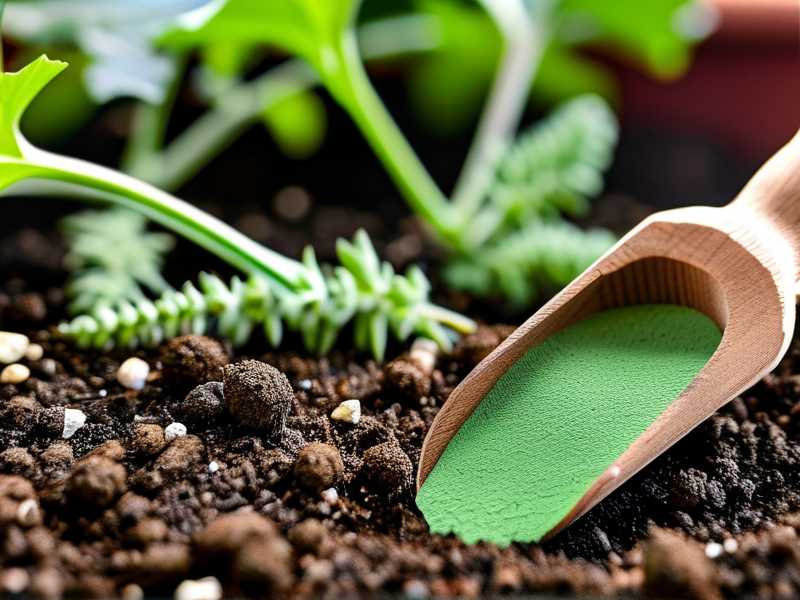
Soil Mix: Use a fast-draining, gritty mix. A premium cactus or succulent potting soil is ideal. For extra drainage, you can amend it with perlite or pumice (up to a 50/50 mix).
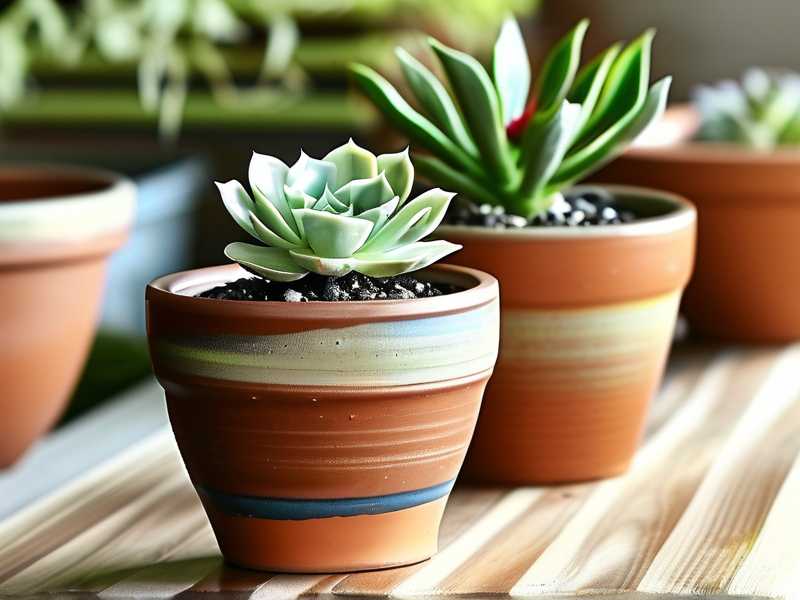
Pot Selection: Always choose a pot with ample drainage holes. Terracotta pots are excellent because they are porous and help wick away excess moisture. The pot should be only slightly larger than the root ball; too large a pot holds wet soil for too long.
Feeding and Fertilizing for Optimal Growth
Ponytail palms are not heavy feeders. Their growth is naturally slow.
Schedule: Fertilize sparingly during the active growing season (spring and summer). A balanced, water-soluble fertilizer diluted to half-strength, applied once every 4-6 weeks, is sufficient.
Winter Rest: Do not fertilize in fall and winter when the plant is dormant. As noted by horticulturist and author Jane Perrone, forcing growth during low-light periods can lead to weak, leggy growth.
Pruning and Grooming Your Plant
Pruning is mainly for aesthetics and removing damaged material.
Trimming Brown Tips: Use clean, sharp scissors to trim off just the brown tips of the leaves, following the natural leaf shape. Avoid cutting into the green healthy tissue.
Removing Entire Leaves: If a leaf is entirely brown or yellow, you can gently pull it away from the trunk or cut it at the base.
Managing Size: You can trim the top to encourage a bushier appearance, but this is rarely necessary for indoor plants. New growth will emerge from the cut point.
Troubleshooting Common Ponytail Palm Problems
Even with great care, issues can arise. Here’s how to diagnose and fix them.
Brown Leaf Tips: Usually caused by dry air, fluoride/chlorine in tap water, or sporadic underwatering. Use filtered or distilled water, and increase ambient humidity slightly if possible.
Yellowing, Drooping Leaves: Almost always a sign of overwatering. Check the soil moisture and the firmness of the caudex immediately. You may need to repot into dry soil.
Pests: While generally pest-resistant, they can occasionally attract spider mites or mealybugs, especially in dry indoor air. Wipe leaves with a damp cloth or use insecticidal soap or neem oil.
How to Propagate a Ponytail Palm
Want to share your plant? Propagation is typically done from offsets, or “pups.”
Identifying Pups: Look for small, baby plants growing from the base of the mother plant.
Separation and Potting: Carefully remove the pup with a clean, sharp knife, ensuring it has some roots. Allow the cut to callous over for a day, then plant in a small pot with well-draining soil. Water lightly and provide bright light.
Why is my ponytail palm not growing?Ponytail palms are naturally slow growers, especially indoors. Lack of sufficient light is the most common reason for zero growth. Ensure it’s in a very bright spot and be patient—it’s likely focusing energy on root development.
Can I put my ponytail palm outside?Absolutely. During warm summer months, it will love being outdoors in a spot with bright, indirect light or morning sun. Acclimate it gradually to prevent sunburn. Always bring it back inside before temperatures drop near 50°F (10°C).
How often should I repot my ponytail palm?Repot only when necessary, typically every 2-3 years or when you see roots growing out of the drainage holes. They actually prefer to be slightly root-bound. When repotting, choose a pot only 1-2 inches larger in diameter and refresh the soil.
Caring for a ponytail palm successfully hinges on respecting its origins as a drought-tolerant succulent. By providing abundant light, watering with a restrained hand, and using well-draining soil, you unlock its true, effortless potential. This architectural plant asks for little but rewards you with striking beauty and incredible resilience. Embrace its slow, steady nature, and you’ll have a unique and loyal companion for years to come.