bluename
 How to Propagate Rare succulents Without Damaging Parent Plants
You’ve finally acquired that rare, coveted succulent you’ve been dreaming of. Its unique form and delicate beauty are a source of pride. But now, a daunting question arises: how can you multiply this treasure to share with fellow enthusiasts or secure its legacy without risking harm to the precious original plant? The fear of causing irreversible damage, introducing disease, or simply failing in the propagation attempt is a real concern for collectors. This guide is designed to alleviate those fears. We will walk you through safe, proven methods for propagating rare succulents that prioritize the health and integrity of your parent plant every step of the way.
Understanding the core principle is crucial: successful propagation is a non-destructive process. With the right techniques, you can create new, genetically identical plants while your original specimen remains healthy, beautiful, and continues to grow.
Why Safe Propagation Methods Are Essential for Rare Varieties
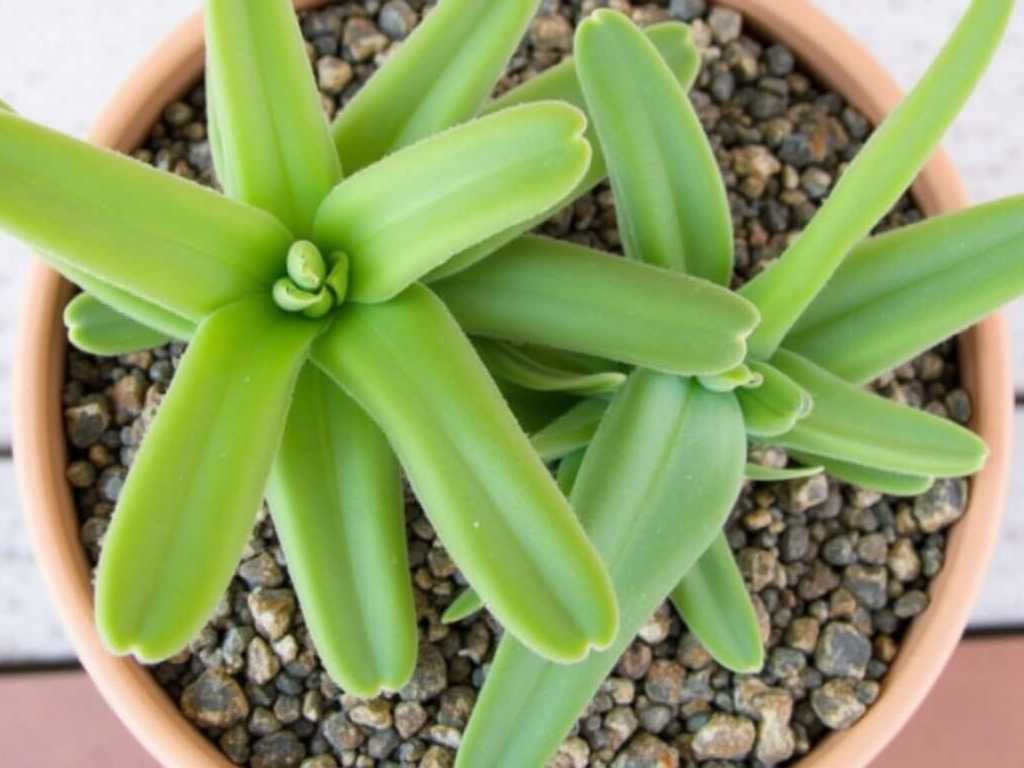
Rare succulents are often slow-growing, expensive, and sometimes irreplaceable. A single mistake during propagation can set a parent plant back years or, in the worst case, lead to its loss. Unlike common succulents, which are more forgiving, rare types demand a more meticulous approach. The goal is not just to get a new plant, but to do so sustainably. This practice aligns with expert horticultural advice, which emphasizes plant health and longevity over rapid multiplication. By using careful propagation techniques, you become a steward for these unique species, helping to preserve them for the future.
Pre-Propagation Checklist: Setting the Stage for Success
Before you make a single cut or remove a leaf, proper preparation is your best defense against damaging your parent plant.
- Assess Plant Health: Only propagate from a thriving, stress-free parent plant. Ensure it shows no signs of pests, rot, or disease. A stressed plant is less likely to produce viable propagules and is more susceptible to infection.
- Sterilize Your Tools: This cannot be overstated. Always use a sharp, sterile knife, scissors, or blade. Wipe tools with isopropyl alcohol before and between cuts to prevent transmitting pathogens. Clean tools make precise, clean wounds that heal quickly.
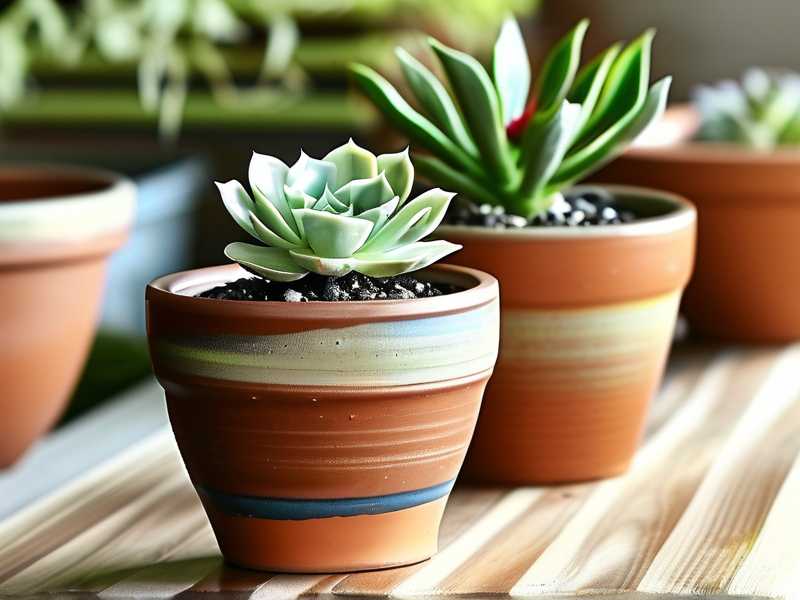
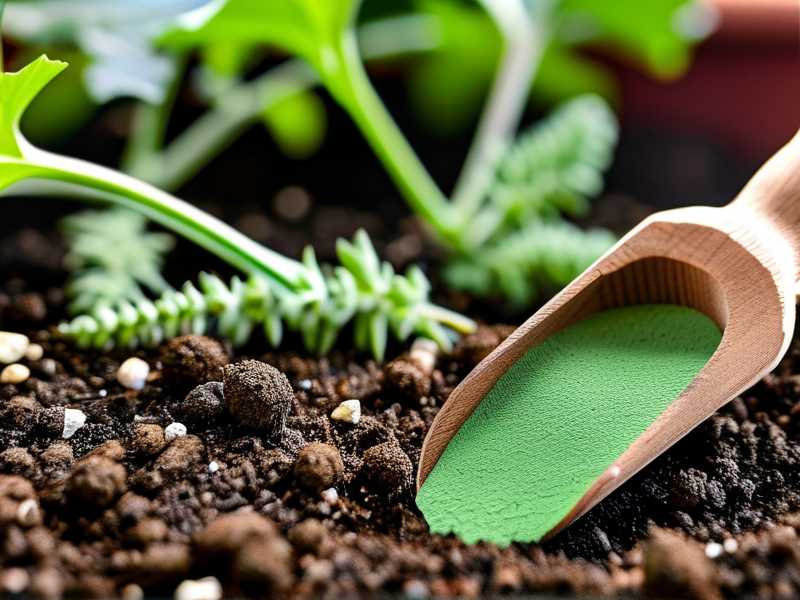
- Prepare Your Medium: Have your propagation pots and soil mix ready. A well-draining mix is vital—consider a specialty cactus/succulent blend amended with extra perlite or pumice. Pre-moisten the medium slightly before placing cuttings or leaves.
Method 1: Leaf Propagation – The Gentle Art of Detachment
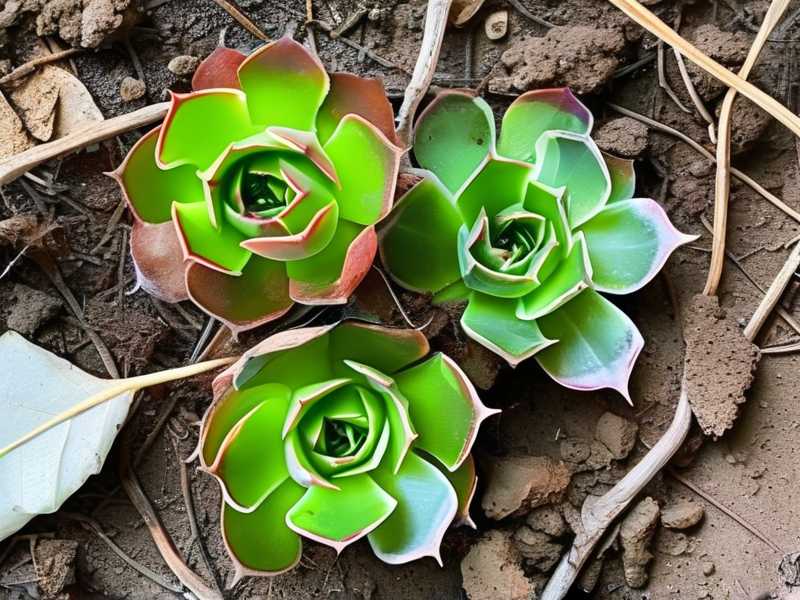
This is the most common method for many succulents, especially echeverias, graptopetalums, and sedums. The key is in the gentle removal of leaves.
How to Safely Remove Leaves: Do not simply pull a leaf downward. Gently wiggle it from side to side until it snaps cleanly off at the base, near the stem. You should see a clean, intact meristematic tissue (the growth point) at the leaf’s base. A torn leaf or one missing this base is far less likely to root. As noted by renowned succulent cultivators, a perfect detachment is the single most important factor for leaf propagation success.
Post-Removal Care for the Parent Plant: After leaf removal, ensure the parent plant’s stem is not damaged. Place it in a location with good airflow to allow the tiny wounds to callous over quickly. Avoid watering directly onto the stem for a few days to prevent rot. The plant will often respond by producing new offsets from the bare stem area.
Curing and Rooting the Leaves: Lay the harvested leaves on a dry tray in indirect light for 3-7 days until the ends form a hard callous. Then, place them on top of your pre-moistened soil mix. Do not bury them. Mist the soil lightly only when it is completely dry. Roots and a tiny rosette will eventually emerge.
Method 2: Stem Cuttings – Strategic Pruning for Growth
For leggy or overgrown rare succulents, taking a stem cutting can be a form of beneficial pruning that rejuvenates the parent plant.
Identifying the Perfect Cutting Point: Choose a healthy stem. Using your sterilized tool, make a clean, swift cut. The goal is to leave a decent portion of stem on the parent plant (at least an inch or two with some leaves). This remaining stem will often produce multiple new branches, making the parent plant bushier and more attractive.
Treating Both Ends to Prevent Damage: Immediately after cutting, remove the bottom few leaves from the cutting to create a bare stem for planting. Allow both the cutting’s base and the wound on the parent plant to callous over in a dry, airy spot for several days. This callousing period is a critical step in propagating succulents safely, as it seals the wound against bacteria and fungi.
Rooting the Cutting and Caring for the Parent: Once calloused, plant the cutting in dry soil. Wait a week before its first light watering. For the parent plant, care for it as usual, keeping water away from the fresh wound until it heals. New growth should appear around the cut site in a few weeks.
Method 3: Offsets and Pups – Nature’s Gift of Easy Multiplication
Many rare succulents, like haworthias, aloes, and some cacti, naturally produce offsets (pups). Separating these is often the least stressful method for the main plant.
When and How to Separate: Wait until the offset is at least one-third the size of the parent plant and has developed its own root system. This ensures it can survive independently. Gently brush away the soil to expose the connecting point. Use a sterile knife to sever the connective tissue or, if possible, gently twist the pup away.
Ensuring a Smooth Transition for Both Plants: After separation, let both the offset’s roots and the parent’s attachment point dry and callous for a day or two. Pot the pup in its own container. The parent plant’s root system remains largely undisturbed, minimizing shock and allowing it to focus energy on potentially producing more offsets.
Advanced Technique: Grafting for Challenging Specimens
Some rare succulents, particularly variegated forms or those with minimal chlorophyll, are extremely difficult to root on their own. Grafting them onto a hardy rootstock (like a robust Hylocereus cactus) can be a lifesaving technique. This is an advanced method best researched thoroughly or attempted with guidance, as it involves precise matching of vascular tissues. When done correctly, it allows the rare scion (the top plant) to thrive without the parent plant ever being at risk, as the rootstock provides the necessary nutrients.
Post-Propagation Care: Nurturing New Growth
Your job isn’t over once the new plants are potted. Provide bright, indirect light and practice restrained watering. The soil should be almost completely dry before being lightly moistened again. Patience is essential; some rare varieties can take months to show significant growth.
What is the biggest mistake that harms the parent plant during propagation? The most common damaging mistake is using unclean or dull tools, which can crush stem tissue and introduce infection. Always cut with sterile, sharp instruments to create clean wounds that heal rapidly.
Can I propagate a rare succulent that only has one rosette and no stems? Yes, but you must use the leaf propagation method very carefully. Remove only a few of the healthiest, lower leaves, leaving the central growth point and most of the plant intact. The parent plant will continue to grow, and the removed leaves may produce new plants.
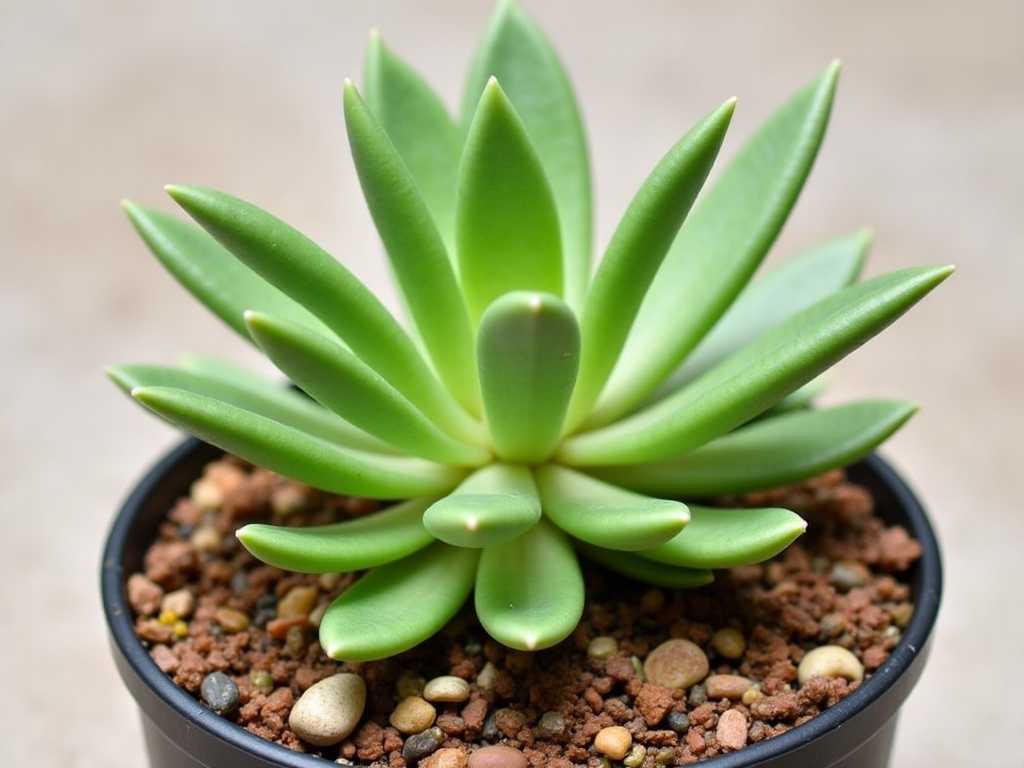
How long should I wait to water the parent plant after taking a cutting or leaves? It’s safest to wait at least 3-5 days, ensuring the cut sites have fully calloused. Water the soil directly, avoiding the plant’s stem and leaves, and ensure excellent drainage to prevent any moisture from pooling near the fresh wounds.
By embracing these careful techniques, you transform from a cautious collector into a confident cultivator. Propagating rare succulents becomes a rewarding cycle of growth and preservation. Each new plant is a testament to your skill and care, all while your original, beloved specimens remain healthy, undisturbed, and ready to inspire future generations of propagation. Remember, the slow and steady approach, guided by knowledge and precision, always yields the most sustainable and satisfying results.