bluename
 The Ultimate Guide to Succulent Care for Rooftop Gardens: Thriving Plants in the Sky
Imagine stepping onto your rooftop oasis, only to find your beloved succulents looking sunburned, waterlogged, or simply struggling to survive. The dream of a low-maintenance, verdant retreat high above the city streets can quickly wilt under the harsh realities of the rooftop environment. Succulent care for rooftop gardens presents unique challenges that differ vastly from tending to plants at ground level. The intense sun, relentless wind, and weight restrictions demand a specialized approach. But don't let this deter you. With the right knowledge, your rooftop can become the perfect haven for these resilient plants. This guide will walk you through every step, transforming your rooftop into a thriving succulent sanctuary.
Understanding Your Rooftop Microclimate

Before you purchase a single plant, it's crucial to become a detective of your space. A rooftop is not just a "garden in the sky"; it's a distinct microclimate.
Sun Exposure and Wind Patterns The full sun exposure that succulents love can become their enemy on a rooftop. Intensity is magnified, leading to rapid soil drying and potential leaf scorch. Track the sun's path across your space throughout the day. Similarly, wind accelerates moisture loss (transpiration) and can physically damage plants. Note which corners are wind tunnels and which are relatively sheltered.
Weight Load and Drainage Considerations Safety is paramount. Always consult a structural engineer or your building management to understand your roof's load capacity. Containers, soil, and water are heavy, especially when saturated. Proper drainage is non-negotiable. You must ensure excess water has a clear path off the roof without compromising the waterproof membrane. This often means using raised beds with feet or ensuring pots have saucers that don't create standing water on the roof surface.
Choosing the Right Succulents for High Altitude Living
Not all succulents are created equal for rooftop life. Your plant selection is the foundation of success.
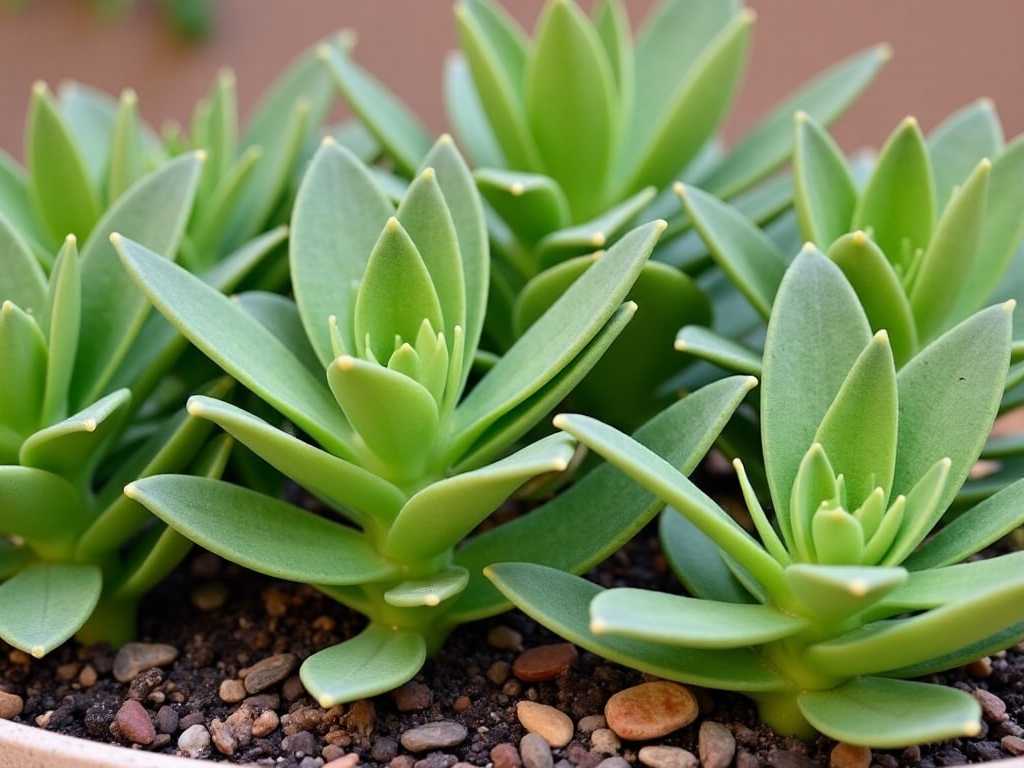
Top Hardy Varieties for Full Sun and Wind Opt for species known for their toughness. Sedums (like Sedum 'Autumn Joy' or Sedum reflexum), Sempervivums (Hens and Chicks), and many Agaves are champions in windy, sunny spots. Their compact growth and robust leaves minimize water loss. For added color and texture, consider low-growing Delosperma (Ice Plant) or the architectural Blue Chalk Sticks (Senecio serpens).
Avoiding Delicate Species It's best to avoid succulents with thin, delicate leaves or those prone to rot in humidity, such as many Echeveria hybrids, if your roof is exceptionally exposed. They may require more shelter and care than a typical rooftop setup can provide.
The Perfect Soil and Container Setup
This is where caring for succulents on rooftops diverges most from standard practice. The goal is to create a stable, well-draining, and lightweight environment.
Creating a Lightweight, Well-Draining Soil Mix Never use garden soil or heavy potting mixes. A premium cactus/succulent mix is a good start, but for rooftops, enhance it further. Mix in additional perlite, pumice, or coarse sand (up to a 50/50 ratio) to maximize drainage and aeration while reducing weight. According to horticulturist Dr. Linda Chalker-Scott, well-aerated soil is critical for preventing root rot, a common killer in container gardens where drainage can be challenging.
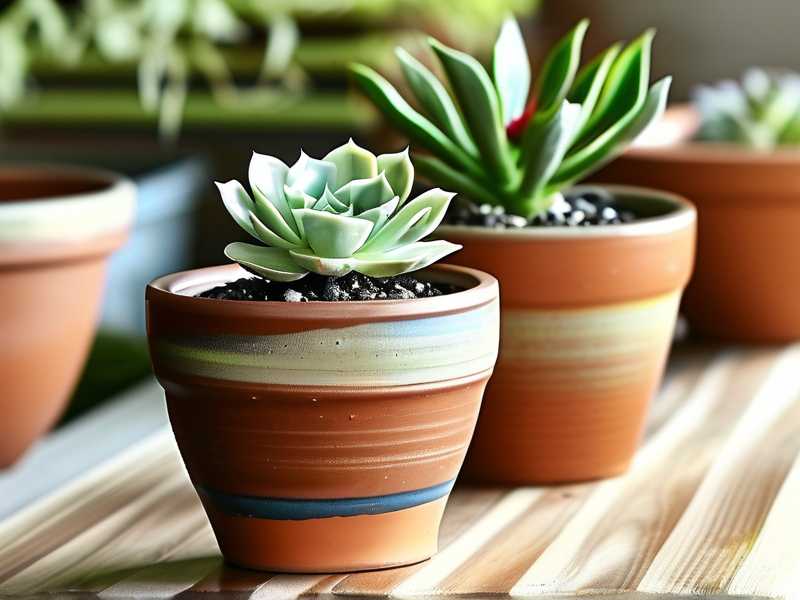
Selecting Appropriate Containers and Planters Material matters. Lightweight fiberglass, resin, or foam planters are ideal. Terracotta breathes well but is heavy and dries out very quickly in rooftop sun. Ensure every container has multiple drainage holes. Size is also key; larger containers hold more soil volume, which buffers temperature and moisture fluctuations, providing a more stable root environment.
Mastering the Watering Rhythm
Watering is the most common point of failure. The mantra "soak and dry" is even more critical here.
The "Soak and Dry" Method Adapted for Rooftops Water deeply and thoroughly until water runs freely from the drainage holes. This encourages deep root growth. Then, allow the soil to dry out completely before watering again. On a hot, windy rooftop, this drying period may be surprisingly fast in summer but very slow in winter. Always check the soil moisture 2-3 inches down—don't rely on the surface appearance.
Signs of Overwatering and Underwatering Learn to read your plants. Mushy, translucent, or blackening leaves signal overwatering and rot. Wrinkled, shriveled, or crispy leaves indicate underwatering. A study by the University of California's Integrated Pest Management Program notes that succulents are far more likely to suffer from over-irrigation than drought, especially in non-porous containers.
Providing Essential Sun and Wind Protection
Even hardy plants need a break sometimes. Rooftop gardening with succulents requires proactive protection.
Using Shade Cloth and Windbreaks Strategically During peak summer heat (especially in zones with intense sun), a 30-50% shade cloth can prevent scorching. Temporary windbreaks, like lattice panels or strategically placed taller plants, can shield more sensitive specimens. These don't have to be permanent fixtures but can be deployed during the most extreme weather.
Seasonal Adjustments for Plant Health Be prepared to move pots seasonally. A spot that's perfect in spring might be a furnace in July. In winter, protect plants from freezing winds and excess rain by moving them to a more sheltered corner or providing a temporary cold frame.
Fertilizing and Long-Term Maintenance
Succulents are light feeders, but rooftop-grown plants in soilless mixes benefit from minimal, targeted nutrition.
A Minimalist Feeding Schedule Use a balanced, water-soluble fertilizer diluted to half-strength (or a fertilizer specifically formulated for cacti and succulents) only during the active growing season (spring and summer). Apply once at the start of the season and perhaps once more mid-summer. Avoid fertilizing in fall and winter.
Pruning, Propagation, and Pest Vigilance Remove dead or damaged leaves to maintain aesthetics and prevent rot. Propagate your successes! Many rooftop-hardy succulents like Sedum propagate easily from cuttings, allowing you to expand your garden for free. Keep an eye out for common pests like mealybugs and aphids, which can be dislodged with a strong spray of water or treated with insecticidal soap.
Frequently Asked Questions
How often should I really water my rooftop succulents? There is no fixed schedule. Frequency depends entirely on season, weather, and container size. It could be every 5-7 days in a hot, dry summer breeze or every 3-4 weeks in cool, damp winter conditions. Always let the soil's dryness be your guide, not the calendar.
Can succulents survive winter on a rooftop? Many hardy varieties can, provided they are rated for your USDA hardiness zone. The key challenge is "wet feet." Combine cold and soggy soil, and roots will rot. Ensure impeccable drainage and consider moving pots to a drier, sheltered spot or covering the soil with a gravel mulch to protect from excess rain and sleet.
What's the biggest mistake new rooftop succulent gardeners make? Using the wrong soil and container. Planting in a dense, moisture-retentive mix in a pot without proper drainage holes is a recipe for failure on a rooftop. Investing in a gritty, well-draining soil blend and appropriate containers from the start sets the stage for healthy, resilient plants.
Creating a flourishing succulent garden on your rooftop is an immensely rewarding endeavor. By respecting the unique microclimate—embracing the sun and wind while mitigating their extremes—you cultivate not just plants, but a resilient ecosystem. Start with a strong foundation of the right soil and containers, choose your plants wisely, and learn their subtle language of thirst. With these principles, your elevated garden will not only survive but will thrive, offering a slice of serene, natural beauty high above the urban landscape.