bluename
 How to Fix Succulent Leaves Turning Purple: A Complete Care Guide
You’ve carefully chosen your succulents for their beautiful shades of green, blue, or silvery-gray. So, it can be genuinely alarming when those plump, healthy leaves suddenly start showing patches of deep purple, red, or even a bruised-looking violet. Your first thought might be, “Is my plant dying?” While succulent leaves turning purple can sometimes signal a problem, it’s not always a cause for panic. In fact, it can be a completely normal, even desirable, response. The key is understanding why it’s happening.
This guide will demystify the color changes in your succulents. We’ll explore the common reasons—from harmless “sun stress” colors to critical distress signals—and give you clear, actionable steps on how to fix purple succulent leaves when necessary. By the end, you’ll be able to diagnose your plant’s condition with confidence and know exactly what to do to restore its health or enhance its vibrant hues.
Understanding Why Succulent Leaves Change Color
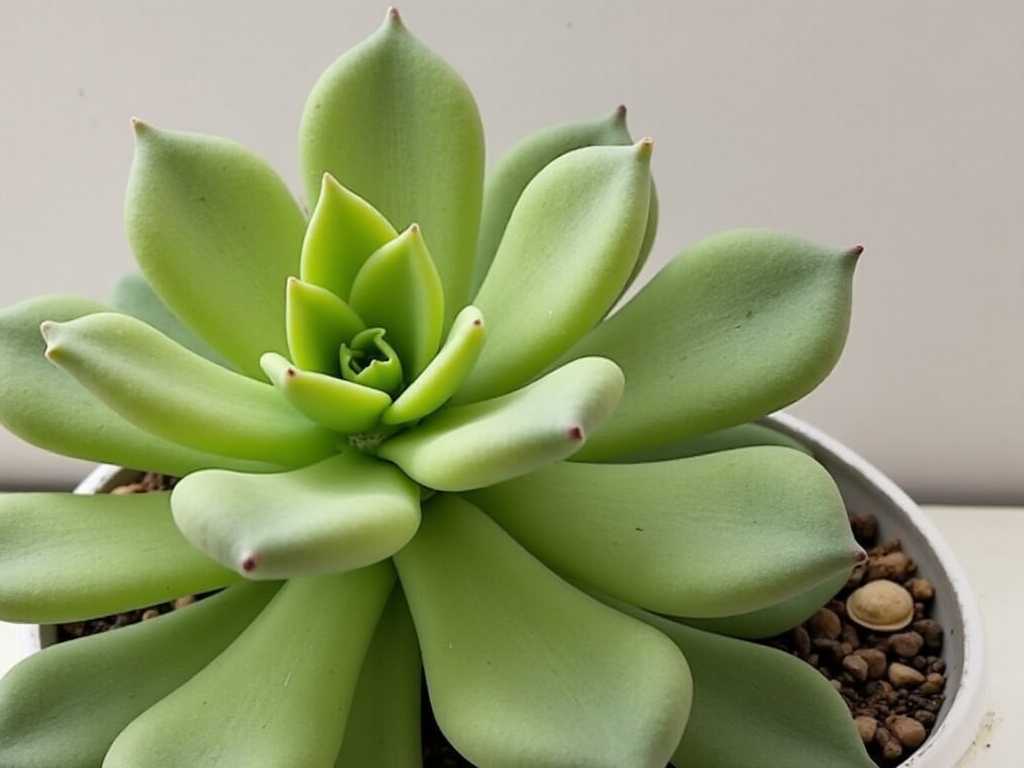
Succulents are masters of adaptation. Their leaf color is influenced by pigments, primarily chlorophyll (green), carotenoids (yellow/orange), and anthocyanins (red/purple/blue). Environmental factors determine which pigments are most prominent. A color change is your plant’s visual communication about its living conditions.
The Good: Intentional and Harmless Purple Coloring
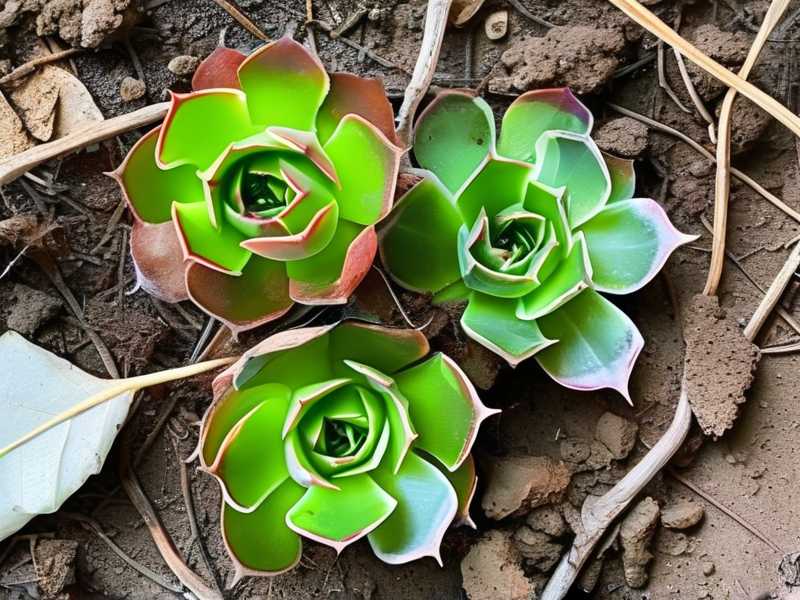
Often, a purple or red tint is a sign of “sun stress” or “color stress.” This is a natural, non-harmful process similar to a person getting a tan.
- Sun Exposure: When a succulent receives abundant, direct sunlight (especially if it’s been gradually acclimated), it may produce more anthocyanin pigments. These act as a natural sunscreen, protecting the plant’s tissues from intense UV rays. Many collectors deliberately provide bright light to bring out these stunning colors in varieties like Echeveria, Sedum, and Sempervivum.
- Cool Temperatures: Similar to maple trees in autumn, cooler temperatures (but above freezing) can inhibit chlorophyll production and allow anthocyanins to shine through, resulting in beautiful purple and red hues. This is often seasonal and temporary.
The Bad: Purple as a Sign of Distress
When the purple coloration is accompanied by other symptoms like mushiness, wilting, or leaf drop, it’s time to investigate. Here are the primary stress-related causes.
Diagnosing the Cause of Problematic Purple Leaves
Before you take action, play plant detective. Look at the pattern and texture of the discoloration.
1. Temperature Stress (Cold Damage) This is a leading cause of concerning purple/black discoloration. Succulents not bred for frost can suffer cell damage when temperatures drop too low.
- Symptoms: Leaves, especially at the top or outer edges, turn a dark purple, almost black, and become soft, mushy, and translucent. The damage often appears suddenly after a cold night.
- The Fix: Immediately move the plant to a warmer, frost-free location. Do not rub the damaged leaves. Gently cut away only the completely mushy tissue with a sterile tool to prevent rot. The plant may recover and grow new, healthy leaves from its center.
2. Sunburn (Light Stress) Contrary to intentional sun stress, sunburn occurs when a plant is exposed to intense, direct light too quickly without a chance to adapt.
- Symptoms: Crispy, brown, or scabby patches, often with a purple or bleached border, typically on the upper leaves most exposed to the sun. The affected areas are dry and scarred.
- The Fix: Relocate the plant to a spot with bright but indirect light or provide shade during the harshest afternoon sun. Acclimate plants slowly over 1-2 weeks when moving them to a sunnier spot. The sunburned leaves will not heal but can be left on until the plant grows past them.
3. Nutrient Deficiency A lack of specific nutrients, particularly phosphorus, can sometimes manifest as a purplish tint on leaves and stems. However, this is less common in potted succulents fed occasionally and more common in severely depleted soils.
- Symptoms: An overall dull, purplish cast on older leaves and stems, often combined with stunted growth. It’s a generalized color change, not localized spots.
- The Fix: Repot the plant in a fresh, well-draining succulent/cactus mix. During the active growing season (spring/summer), feed with a balanced, water-soluble fertilizer diluted to half-strength. Avoid over-fertilizing, which causes more harm.
4. Root Rot and Water Stress (The Most Critical) This is the most dangerous scenario. Overwatering or poor drainage leads to suffocated, rotting roots, which cannot transport water or nutrients. The resulting stress can cause a purple, then black, mushy decay. Underwatering can also cause leaves to turn purple-red as they shrivel and stress.
- Symptoms (Overwatering): Soft, mushy, translucent purple or black leaves starting at the base. The stem may feel soft. Soil stays wet for days.
- Symptoms (Underwatering): Leaves become thin, wrinkled, and may turn a reddish-purple as they desiccate. They feel dry and crispy, not mushy.
- The Fix for Overwatering: Stop watering immediately. Remove the plant from its pot, gently wash away the soggy soil, and cut off any black, mushy roots with a sterile knife. Let the plant dry out for a few days, then repot in dry, fresh succulent mix. Wait at least a week before watering lightly.
Step-by-Step: How to Correct and Prevent Purple Discoloration
Follow this systematic approach to address purple leaves on succulents effectively.
Step 1: Assess Light Conditions Is your plant getting 4-6 hours of direct sun? If it’s suddenly purple and was recently moved, it might be sunburn. Move it to a gentler light. If it’s been in low light and is stretching (etiolating) and turning purple, it needs gradually increased sunlight.
Step 2: Check Your Watering Routine This is the most common culprit. Feel the soil. Is it bone dry for over an inch down? Your plant is thirsty. Is it still damp or soggy? You’ve overwatered. Always follow the “soak and dry” method: water thoroughly until it drains from the hole, then do not water again until the soil is completely dry.
Step 3: Evaluate Temperature and Environment Are nighttime temperatures dipping below the plant’s tolerance (usually 40°F/4°C for tender succulents)? Bring sensitive plants indoors before the first frost. Also, ensure good air circulation to prevent fungal issues.
Step 4: Inspect the Roots and Soil If light and water aren’t the issue, unpot the plant. Healthy roots are firm and white or tan. Soft, dark, or crumbly roots mean rot. Repot in a gritty, fast-draining mix (a blend of potting soil, perlite, and coarse sand is ideal).
Step 5: Consider a Balanced Fertilizer If the plant has been in the same soil for years and looks generally poor with a purple tinge, a light feeding in the growing season can help. Use a fertilizer formulated for succulents.
Frequently Asked Questions
Can a purple succulent turn green again? Yes, in many cases. If the purple is due to intense sun or cool temperatures, moving the plant to a warmer spot with slightly less direct light will often encourage it to produce more chlorophyll, gradually returning it to a greener hue. However, sunburn scars or cold-damaged tissue will not revert.
My succulent has purple tips but is otherwise healthy. Should I worry? No, this is typically a sign of “perfect” sun stress. Many succulents, like Echeveria ‘Perle von Nurnberg’ or Sedum nussbaumerianum, are prized for their colorful tips. As long as the leaves are firm, plump, and the plant is growing, enjoy the show!
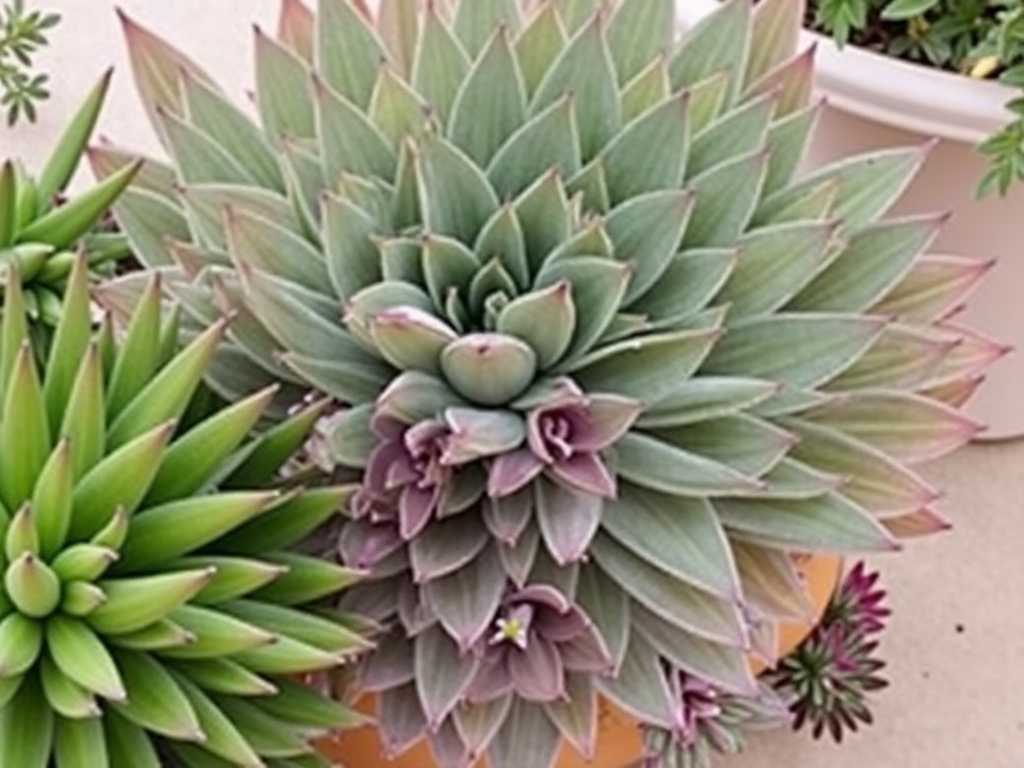
How do I know if the purple color is from overwatering or underwatering? The texture is your key differentiator. Overwatering leads to soft, mushy, and translucent leaves, often starting at the bottom. Underwatering leads to thin, wrinkled, dry, and crispy leaves. When in doubt, check the roots—they tell the definitive story.
Understanding your succulent’s color language is a rewarding part of plant care. A vibrant, intentional purple blush is a badge of honor, showing your plant is receiving ideal light. A sudden, mushy purple, however, is a cry for help, most often related to water or temperature. By observing closely, diagnosing correctly, and adjusting care—primarily light and water—you can ensure your succulents display only the most beautiful and healthy colors. Remember, the goal is a thriving plant, whether it’s jade green, dusty blue, or brilliantly purple at the edges.